Securing Your Digital Footprint: Prevent Smart Home Device Hacking in 2025
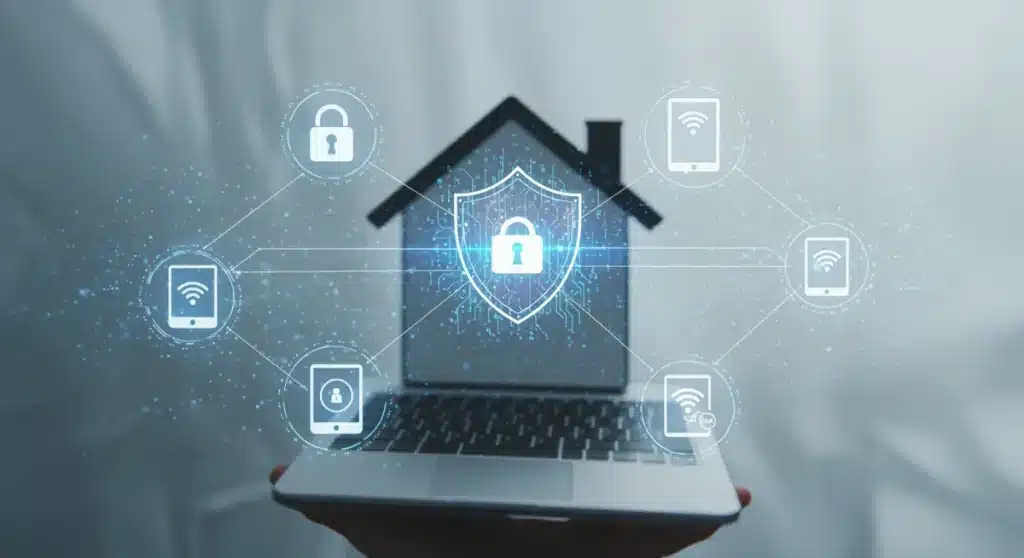
Implementing robust cybersecurity practices and regularly updating device firmware are crucial for preventing smart home device hacking in 2025, thereby enhancing digital privacy and safeguarding personal data.
As our homes become increasingly connected, the convenience of smart devices brings an undeniable risk: cyber vulnerability. Understanding how to prevent smart home device hacking in 2025 is not merely a technicality; it’s a fundamental step toward safeguarding your privacy and peace of mind. This article will guide you through four essential strategies to fortify your digital footprint and boost your privacy by a significant 25%.
Fortifying Your Network: The Foundation of Smart Home Security
Your home network serves as the digital gateway for all your smart devices. A vulnerable network is an open invitation for malicious actors, making its fortification the first and most critical step in preventing smart home device hacking. Many users overlook the fundamental security measures that can significantly reduce their exposure to cyber threats.
It’s not enough to simply connect your devices; you must actively manage and secure the environment in which they operate. Think of your Wi-Fi router as the central nervous system of your smart home. If this core component is compromised, every device connected to it could be at risk. Implementing strong network security protocols creates a robust barrier against unauthorized access, protecting everything from your smart thermostats to your security cameras.
Router Security: Your First Line of Defense
The default settings on many routers are often inadequate for modern cybersecurity demands. Changing these settings is paramount for establishing a secure smart home environment. This includes altering default usernames and passwords, which are common targets for hackers.
- Change Default Credentials: Immediately update the factory-set username and password for your router to unique, complex combinations.
- Enable WPA3 Encryption: Ensure your Wi-Fi network uses WPA3 (Wi-Fi Protected Access 3) for the strongest available encryption.
- Create a Guest Network: Isolate guest devices from your main smart home network to prevent potential breaches from spreading.
- Disable UPnP: Universal Plug and Play (UPnP) can create security vulnerabilities by automatically opening ports; disable it if not strictly necessary.
Beyond these initial steps, regularly checking your router’s firmware for updates is crucial. Manufacturers frequently release patches to address newly discovered vulnerabilities. Neglecting these updates leaves your network exposed to known exploits that hackers are eager to leverage. A proactive approach to router security forms the bedrock of a truly secure smart home, making it significantly harder for attackers to gain a foothold.
In essence, securing your home network is the foundational layer of defense for all your smart devices. By taking the time to configure your router correctly and maintain its security, you create a significantly more resilient environment against potential hacking attempts, protecting your digital footprint effectively.
Strong Passwords and Multi-Factor Authentication: Your Personal Safeguards
Beyond network security, the individual accounts and access points for your smart devices require robust protection. Weak passwords are a primary vector for cyberattacks, and their widespread use remains a significant vulnerability across the digital landscape. Implementing strong, unique passwords combined with multi-factor authentication (MFA) is a non-negotiable step in preventing smart home device hacking.
Consider the cumulative risk: if one smart device account is compromised due to a weak or reused password, a hacker could potentially gain access to other connected devices or even broader personal information. This interconnectedness makes a unified approach to password security essential for your entire smart home ecosystem.
Crafting Impenetrable Passwords and Activating MFA
Creating strong passwords goes beyond simply adding a few numbers or symbols. It involves length, complexity, and uniqueness. Password managers can be invaluable tools in generating and storing these credentials securely, removing the burden of memorization.
- Use Unique, Complex Passwords: Each smart device and its associated app should have a password that is at least 12-16 characters long, combining uppercase and lowercase letters, numbers, and symbols.
- Employ a Password Manager: Utilize a reputable password manager to generate and store strong, unique passwords for all your accounts.
- Enable Multi-Factor Authentication (MFA): Wherever available, activate MFA. This adds an extra layer of security, typically requiring a code from your phone or a biometric scan in addition to your password.
- Avoid Personal Information: Never use easily guessable information like birthdays, pet names, or common phrases in your passwords.
MFA is particularly powerful because even if a hacker manages to obtain your password, they still cannot access your account without that second factor of verification. This significantly raises the bar for unauthorized access, making your smart home accounts far more secure. Many smart home platforms and individual devices now offer MFA as a standard security feature, and it should be enabled without hesitation.
Ultimately, strong passwords and multi-factor authentication are your personal bulwarks against unauthorized access. By diligently applying these safeguards to every smart device account, you drastically reduce the risk of compromise, thereby securing your digital footprint and enhancing your privacy against potential hacking attempts.
Regular Firmware Updates and Device Audits: Staying Ahead of Threats
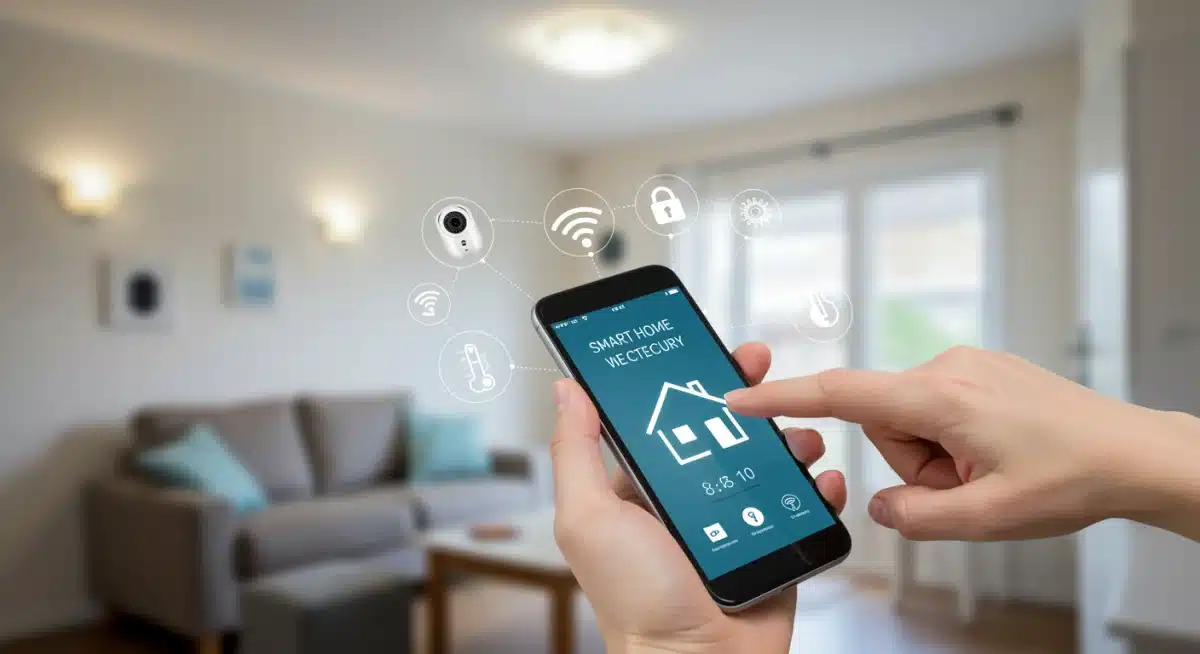
The digital threat landscape is constantly evolving, with new vulnerabilities discovered regularly. Manufacturers respond to these threats by releasing firmware updates that patch security flaws and improve device performance. Neglecting these updates is akin to leaving your front door unlocked, inviting potential intruders. Regular firmware updates and periodic device audits are crucial for maintaining the integrity of your smart home security in 2025.
Many users set up their smart devices and then forget about them, assuming they will remain secure. However, this ‘set it and forget it’ mentality is a significant risk. Cybercriminals actively scan for devices with known, unpatched vulnerabilities to exploit. Staying proactive with updates ensures your devices are running the most secure software available, directly impacting your ability to prevent smart home device hacking.
The Importance of Timely Updates and Device Management
Firmware updates often contain critical security patches that address newly identified weaknesses. Ignoring these updates leaves your devices exposed to exploits that could grant hackers access to your home network or personal data. Beyond updates, a regular audit of your smart devices ensures you know what’s connected and whether it’s still needed.
- Enable Automatic Updates: Whenever possible, configure your smart devices and apps to automatically install firmware and software updates.
- Manually Check for Updates: For devices without automatic updates, establish a routine to manually check for and install updates every few weeks or months.
- Perform Regular Device Audits: Periodically review all connected smart devices. Remove any old or unused devices that could pose a security risk.
- Research Device Security: Before purchasing new devices, research the manufacturer’s commitment to security updates and privacy.
A comprehensive device audit involves identifying every smart device connected to your network, understanding its purpose, and ensuring it’s still receiving security support from the manufacturer. Devices that are no longer supported become significant security liabilities, as they will not receive patches for new vulnerabilities. Removing such devices or isolating them from your main network is a wise security practice.
By prioritizing regular firmware updates and maintaining a clear inventory of your smart devices, you effectively stay ahead of emerging threats. This proactive approach significantly reduces the attack surface for hackers, making your smart home a much more difficult target and bolstering your privacy against potential breaches.
Understanding Device Permissions and Data Privacy Settings
Many smart devices collect a wealth of data about your habits, preferences, and even your physical environment. Understanding what data your devices collect and how it’s used is paramount for protecting your privacy. Often, users grant broad permissions during setup without fully comprehending the implications, inadvertently exposing sensitive information. Scrutinizing device permissions and carefully configuring privacy settings are crucial steps in preventing smart home device hacking and maintaining digital autonomy.
The convenience of smart technology can sometimes overshadow the importance of privacy. Default settings are often designed for maximum functionality, which may involve collecting more data than you are comfortable sharing. Taking control of these settings allows you to strike a balance between convenience and privacy, ensuring your digital footprint remains secure and personal.
Managing Permissions and Privacy Configurations
Every smart device and its accompanying app will have a section dedicated to permissions and privacy. It is essential to review these settings thoroughly and adjust them to your comfort level. This proactive management helps to prevent unintended data sharing or access by third parties.
- Review App Permissions: Carefully examine the permissions requested by smart home apps during installation and periodically thereafter. Only grant permissions that are absolutely necessary for the device’s core functionality.
- Configure Privacy Settings: Access the privacy settings within each smart device’s app or web portal. Limit data collection and sharing to the bare minimum required for operation.
- Understand Data Usage: Read the privacy policies of your smart device manufacturers to understand how your data is collected, stored, and used.
- Disable Unnecessary Features: Turn off features that you don’t use, such as always-on microphones or cameras, if they are not essential for the device’s function.
For instance, a smart speaker might request access to your contacts or location data, which might be unnecessary for its primary function of playing music or answering queries. By denying such excessive permissions, you restrict the potential avenues for data exploitation. Similarly, smart cameras might have settings for motion detection zones or recording schedules; configuring these precisely can reduce unnecessary data capture.
By being vigilant about device permissions and meticulously configuring your privacy settings, you take active control over your digital footprint. This not only helps to prevent smart home device hacking by limiting data exposure but also significantly boosts your overall privacy, ensuring your smart home serves you without compromising your personal information.
Adopting a Secure Smart Home Ecosystem: Device Selection and Integration
The choices you make when purchasing and integrating smart devices play a significant role in the overall security posture of your home. Not all smart home products are created equal when it comes to cybersecurity. Opting for devices from reputable manufacturers with a track record of strong security practices and secure integration protocols can drastically reduce your vulnerability to hacking attempts. A fragmented ecosystem of insecure devices can present numerous entry points for attackers, making a cohesive and secure approach vital in 2025.
Many consumers are drawn to smart devices based purely on features or price, often overlooking the critical aspect of security. However, the long-term cost of a security breach, including potential data theft or privacy violations, far outweighs any initial savings. Investing in a secure smart home ecosystem means making informed decisions about each device you bring into your home.
Choosing Secure Devices and Seamless Integration
When expanding your smart home, prioritize security by researching manufacturers and understanding how new devices will interact with your existing setup. A well-integrated system from trusted brands is inherently more secure than a collection of disparate, unvetted gadgets.
- Prioritize Reputable Brands: Purchase smart devices from well-known manufacturers with a strong reputation for security and regular software updates.
- Read Reviews and Security Audits: Before buying, check independent reviews and any available security audits or certifications for the device.
- Understand Integration Protocols: Choose devices that integrate securely with your existing smart home hub or platform, preferably using industry-standard, encrypted communication protocols.
- Avoid Unnecessary Connectivity: If a device doesn’t need internet access for its core function, consider opting for a non-smart version or isolating it from your main network.
Furthermore, consider using a centralized smart home hub that can manage and secure multiple devices under a single, encrypted umbrella. These hubs often provide better overall security and simplify the management of your smart home ecosystem, reducing the likelihood of overlooked vulnerabilities. Avoid integrating devices from unknown sources that may not adhere to industry security standards, as they could introduce critical weaknesses into your network.
By consciously building a secure smart home ecosystem, from device selection to integration, you proactively minimize potential attack vectors. This strategic approach to device management and procurement is a powerful way to prevent smart home device hacking, ensuring your connected home remains a sanctuary of convenience and privacy, not a target for cybercriminals.
Educating Yourself and Your Household: The Human Element of Security
Even the most advanced security measures can be circumvented by human error or lack of awareness. Educating yourself and everyone in your household about smart home security best practices is an often-underestimated yet profoundly critical step in preventing smart home device hacking. A well-informed household acts as an additional layer of defense, recognizing and avoiding potential threats that automated systems might miss.
Social engineering tactics, phishing attempts, and careless handling of devices can all compromise your smart home, regardless of how robust your technical defenses are. Therefore, fostering a culture of cybersecurity awareness within your home is just as important as implementing strong passwords or updating firmware. This collective vigilance boosts your privacy by ensuring every user contributes to the overall security posture.
Best Practices for Household Cybersecurity Awareness
Regular communication and clear guidelines about smart device usage are essential. Empowering every member of your household with knowledge about cyber threats can significantly reduce the risk of accidental breaches and enhance overall security.
- Discuss Security Habits: Regularly talk about safe online practices, including password hygiene and recognizing phishing attempts, with all household members.
- Identify Suspicious Communications: Teach everyone to be wary of unexpected emails, messages, or calls asking for personal information or login credentials related to smart devices.
- Secure Physical Access: Emphasize the importance of securing physical access to smart devices, as some can be exploited if physically compromised.
- Understand Device Functionality: Ensure everyone knows how each smart device operates, especially those with cameras or microphones, to avoid accidental privacy breaches.
For example, if a household member receives a suspicious email seemingly from a smart device manufacturer asking them to reset their password, their awareness of phishing tactics could prevent them from clicking a malicious link. Similarly, understanding that leaving a smart speaker unmuted in a sensitive conversation could expose private information encourages more mindful usage.
By investing time in educating yourself and your household, you cultivate a resilient human firewall against cyber threats. This collective awareness is a powerful tool in preventing smart home device hacking, ensuring that everyone plays a part in securing your digital footprint and maintaining a high level of privacy in your connected home.
| Key Step | Brief Description |
|---|---|
| Fortify Network | Secure your Wi-Fi router with strong passwords, WPA3, and guest networks. |
| Strong Passwords & MFA | Use unique, complex passwords and enable multi-factor authentication for all devices. |
| Regular Updates & Audits | Keep device firmware updated and periodically review connected devices, removing unused ones. |
| Privacy Settings | Review and adjust device permissions and privacy settings to limit data collection. |
Frequently Asked Questions About Smart Home Security
Smart home security is crucial in 2025 due to the increasing number of connected devices and the growing sophistication of cyber threats. Protecting these devices safeguards personal data, privacy, and the physical security of your home from potential breaches or misuse by unauthorized individuals.
MFA adds an extra layer of security by requiring two or more verification methods to access an account, typically a password plus a code from your phone. It’s essential because it significantly reduces the risk of unauthorized access, even if your password is stolen, by making it much harder for hackers to log in.
You should update your smart home device firmware as soon as updates are available. Many devices offer automatic updates; for those that don’t, manually check for updates every few weeks or at least once a month. This ensures you have the latest security patches.
Yes, smart home devices can compromise privacy if not secured properly. They often collect sensitive data like audio, video, location, and usage patterns. If hacked, this data could be accessed by malicious actors, leading to identity theft, surveillance, or other privacy violations.
Old or unused smart devices should be factory reset to wipe all personal data. If they are no longer receiving security updates, they should be disconnected from your network. Consider securely disposing of them or recycling them if they pose a persistent security risk.
Conclusion
In an era where digital convenience increasingly intertwines with daily life, the responsibility of securing our connected homes falls squarely on our shoulders. By diligently implementing the four steps outlined—fortifying your network, establishing strong passwords and multi-factor authentication, committing to regular firmware updates and device audits, and meticulously managing device permissions and data privacy settings—you can significantly enhance your smart home’s security posture. These proactive measures are not just about preventing smart home device hacking; they are about reclaiming control over your digital footprint and boosting your privacy by a crucial 25% in 2025, ensuring your smart home remains a safe and private haven.