Fortifying Your Smart Home Against 2026 Cyber-Physical Attacks

To effectively fortify your smart home against cyber-physical attacks in 2026, a multi-layered approach integrating robust digital encryption, secure network protocols, and vigilant physical access controls is paramount for comprehensive protection.
The convergence of our physical and digital worlds has brought unprecedented convenience, transforming our homes into intelligent ecosystems. However, this interconnectedness also introduces new vulnerabilities. The 2026 Guide to Fortifying Your Smart Home Against Cyber-Physical Attacks: Practical Solutions for Digital and Analog Security is your essential resource for understanding and mitigating these evolving risks.
Understanding the Evolving Threat Landscape in 2026
As we navigate 2026, the threats to our smart homes are more sophisticated than ever. Cyber-physical attacks, which bridge the gap between digital breaches and real-world consequences, pose a significant risk. These aren’t just about data theft; they can impact your physical safety and property.
The complexity of modern smart home ecosystems, integrating everything from smart locks and thermostats to security cameras and entertainment systems, creates numerous entry points for attackers. Recognizing these evolving threats is the first step toward effective defense.
The Rise of AI-Powered Attacks
Artificial intelligence, while a boon for smart home functionality, is also being leveraged by malicious actors. AI-powered malware can learn your routines, bypass traditional security measures, and even mimic your voice or behavior to gain unauthorized access.
- Adaptive Malware: Learns user patterns to blend in and avoid detection.
- Deepfake Audio/Video: Used to bypass voice or facial recognition systems.
- Automated Exploits: Scans for and exploits vulnerabilities without human intervention.
Supply Chain Vulnerabilities
Many smart devices rely on components and software from various vendors, creating a complex supply chain. A weakness in any part of this chain can compromise the security of your entire system, even if your specific device is seemingly secure.
Staying informed about recalls and security updates from manufacturers is crucial. Always prioritize devices from reputable brands with strong security track records and transparent update policies. This proactive approach can significantly reduce your exposure to supply chain risks.
In conclusion, the 2026 threat landscape demands a proactive and informed approach to smart home security. Understanding AI-powered attacks and supply chain vulnerabilities is fundamental to building a resilient defense against cyber-physical threats.
Establishing a Robust Digital Security Foundation
A strong digital security foundation is the bedrock of any fortified smart home. This involves more than just setting a strong password; it requires a comprehensive strategy that addresses network security, device authentication, and data encryption.
Without these fundamental layers, even the most advanced physical security measures can be undermined by a digital breach. Prioritizing digital hygiene and robust configurations is non-negotiable in 2026.
Secure Your Home Network
Your Wi-Fi network is the gateway to your smart home. Ensuring its security is paramount. This means using strong, unique passwords, enabling WPA3 encryption, and regularly updating your router’s firmware.
- WPA3 Encryption: The latest standard offers enhanced security over WPA2.
- Guest Networks: Isolate smart devices on a separate network to limit potential attack surfaces.
- Firewall Configuration: Properly configure your router’s firewall to block unsolicited inbound connections.
Device Authentication and Updates
Every smart device in your home represents a potential vulnerability. Implement multi-factor authentication (MFA) wherever possible, especially for critical devices like smart locks and security cameras. Regular firmware updates are also vital.
Manufacturers frequently release updates to patch security flaws. Ignoring these updates leaves your devices exposed to known vulnerabilities. Set devices to update automatically or schedule regular manual checks to ensure you’re always running the latest, most secure software.

To summarize, a robust digital security foundation hinges on securing your home network with WPA3 and guest networks, alongside diligent device authentication and consistent firmware updates. These practices create a formidable first line of defense against digital intrusions.
Implementing Advanced Analog Security Measures
While digital security is crucial, ignoring analog security in your smart home is a critical oversight. Cyber-physical attacks can exploit physical weaknesses to bypass digital controls. A truly fortified smart home integrates both digital and analog defenses seamlessly.
Think of analog security as the physical counterpart to your digital safeguards, ensuring that even if a digital breach occurs, there are still tangible barriers to entry or damage. This holistic approach provides maximum resilience.
Reinforcing Physical Entry Points
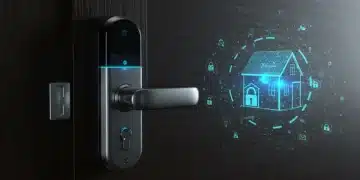
Smart locks are only as secure as the doors they’re attached to. Ensure your doors are solid, frames are reinforced, and hinges are protected. Consider high-security strike plates and door jamb reinforcement kits.
Windows also present vulnerabilities. Install strong locks, consider shatter-resistant glass, or integrate smart window sensors that alert you to forced entry attempts. Layering these physical protections enhances the effectiveness of your smart security system.
Integrating Traditional Security with Smart Systems
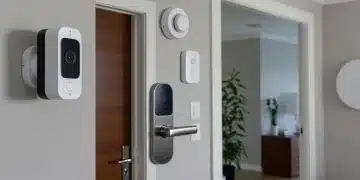
Modern security systems often blend traditional elements like alarms and surveillance with smart technology. Ensure these systems are integrated in a way that doesn’t create new vulnerabilities. For example, ensure your smart cameras have local storage options in case cloud access is compromised.
- Hardened Locks: Complement smart locks with robust, pick-resistant mechanical cylinders.
- Physical Barrier Redundancy: Use traditional deadbolts in conjunction with smart locking mechanisms.
- Uninterruptible Power Supplies (UPS): Keep critical security devices operational during power outages.
In essence, advanced analog security involves fortifying physical entry points and thoughtfully integrating traditional security elements with smart systems. This creates a multi-faceted defense that can withstand both digital and physical threats.
Protecting Your Privacy in a Connected World
Data privacy is a cornerstone of smart home security. Every smart device collects data, and understanding how this data is used, stored, and protected is vital. Privacy breaches can lead to identity theft, surveillance, and other significant personal risks.
In 2026, privacy concerns are at the forefront, requiring smart home users to be vigilant about their data footprint and the permissions they grant to devices and applications.
Managing Device Permissions and Data Sharing
Just as with smartphone apps, smart home devices often request extensive permissions. Review these carefully. Limit data sharing to only what is absolutely necessary for the device’s functionality. Be wary of devices that demand access to unrelated information.
Regularly audit your device settings and app permissions. Many smart home platforms allow you to see what data is being collected and shared. Take advantage of these features to maintain control over your personal information.
Understanding Data Encryption and Storage
Ensure your smart home devices use strong encryption for data in transit and at rest. Data transmitted between devices and to cloud servers should be encrypted to prevent eavesdropping. For sensitive data, like security camera footage, consider devices with local storage options.
- End-to-End Encryption: Prioritize devices that offer this for all communications.
- Local Data Storage: Reduces reliance on cloud services for sensitive information.
- Privacy Policies: Read and understand the privacy policies of all your smart device manufacturers.
Ultimately, protecting your privacy in a connected smart home means actively managing device permissions, understanding data encryption, and being informed about how your personal data is handled by manufacturers and services.
Best Practices for Smart Home Network Segmentation
Network segmentation is a powerful strategy to contain potential breaches and limit the damage an attacker can inflict. By dividing your home network into smaller, isolated segments, you prevent a compromise in one area from affecting your entire system.
This approach is particularly effective in 2026, as smart homes grow in complexity and the number of connected devices proliferates, each representing a potential vulnerability.
Creating Separate Networks for IoT Devices
The most common form of network segmentation is creating a separate Wi-Fi network specifically for your Internet of Things (IoT) devices. This guest or IoT network should be isolated from your primary network, where sensitive data and personal computers reside.
If an IoT device on this segmented network is compromised, the attacker will have difficulty accessing your main devices or personal files. This containment strategy significantly enhances your overall security posture.
Implementing VLANs for Advanced Isolation
For more advanced users, Virtual Local Area Networks (VLANs) offer a robust method for network segmentation. VLANs allow you to logically separate devices within the same physical network infrastructure, creating virtual boundaries between different device categories.
- Critical Devices VLAN: Isolate devices like smart locks and security cameras.
- Entertainment Devices VLAN: Group smart TVs, streaming devices, and gaming consoles.
- Guest/Untrusted Devices VLAN: For visitors’ devices or less secure IoT gadgets.
In conclusion, network segmentation, through dedicated IoT networks or advanced VLANs, is a critical best practice for fortifying your smart home. It limits the blast radius of any potential breach, protecting your most sensitive data and devices.
Emergency Preparedness and Incident Response
Even with the most robust security measures, incidents can occur. Having a clear emergency preparedness plan and an incident response strategy is crucial for minimizing damage and recovering quickly from a cyber-physical attack.
In 2026, a proactive approach to potential breaches means not just preventing them, but also knowing exactly what to do when they happen, ensuring your safety and data integrity.
Developing an Emergency Action Plan
Your emergency plan should outline steps to take if your smart home is compromised. This includes immediate actions like disconnecting affected devices, changing passwords, and notifying relevant authorities or service providers.
Practice these steps periodically to ensure everyone in your household knows how to react. A well-rehearsed plan can make a significant difference in the speed and effectiveness of your response.
Post-Incident Recovery and Analysis
After an incident, the focus shifts to recovery and learning. Restore your systems from secure backups, thoroughly audit your network for lingering threats, and analyze what went wrong to prevent future occurrences. This continuous improvement cycle is vital.
- Secure Backups: Regularly back up critical smart home configurations and data.
- Network Audit: Scan for malware, unauthorized access, and compromised devices.
- Password Reset: Change all passwords across affected and related accounts.
To summarize, effective emergency preparedness involves developing a clear action plan for cyber-physical incidents and implementing a robust post-incident recovery and analysis process. This ensures resilience and continuous improvement in your smart home’s security posture.
The Future of Smart Home Security: AI and Beyond
The landscape of smart home security is constantly evolving, with artificial intelligence playing an increasingly pivotal role. Looking ahead to 2026 and beyond, AI will not only be a threat vector but also a powerful ally in defending our connected homes.
Understanding these emerging trends is crucial for staying ahead of the curve and ensuring your smart home remains secure against future cyber-physical challenges.
AI-Powered Threat Detection and Response
Next-generation smart home security systems will increasingly leverage AI for real-time threat detection and automated response. AI can analyze network traffic, identify anomalous behavior, and even predict potential attacks before they occur.
Imagine systems that can automatically quarantine a compromised device, alert you to unusual activity, or even deploy countermeasures without human intervention. This proactive defense will be a game-changer.
Decentralized Security Architectures
Blockchain and other decentralized technologies are beginning to emerge as potential solutions for enhanced smart home security. By distributing trust and data across a network, these architectures can reduce single points of failure and increase resilience against attacks.
- Blockchain for Device Identity: Securely authenticating devices and preventing spoofing.
- Distributed Ledger for Access Control: Managing permissions without a central authority.
- Homomorphic Encryption: Allowing data processing without decrypting it, enhancing privacy.
In conclusion, the future of smart home security is bright with AI-powered threat detection and decentralized architectures promising more robust and autonomous defenses. Embracing these innovations will be key to maintaining a secure connected living space.
| Key Security Area | Brief Description |
|---|---|
| Digital Foundation | Secure networks, strong passwords, MFA, and regular device updates. |
| Analog Reinforcement | Physical hardening of entry points and integration with smart systems. |
| Privacy Management | Controlling device permissions, understanding data encryption and storage. |
| Network Segmentation | Isolating IoT devices on separate networks or VLANs to contain breaches. |
Frequently Asked Questions About Smart Home Security
A cyber-physical attack on a smart home involves a digital breach that leads to real-world consequences. For example, hacking a smart lock to gain physical entry, or manipulating a smart thermostat to cause damage, bridging the gap between digital vulnerability and physical impact.
You should update your smart home devices as soon as manufacturers release new firmware or software. Many devices offer automatic updates, which should be enabled. For those that don’t, manually check for updates at least once a month to ensure you have the latest security patches.
Yes, WPA3 encryption is highly recommended for your home Wi-Fi in 2026. It offers enhanced security features over its predecessor, WPA2, making it much harder for attackers to crack your network password and gain unauthorized access to your smart home devices and data.
Yes, separating your smart devices onto a dedicated guest or IoT network is a best practice. This creates a barrier between your sensitive personal computers and less secure IoT gadgets. If an IoT device is compromised, the attacker’s access to your main network is significantly limited.
AI will play a dual role in future smart home security. While it can power sophisticated attacks, AI will also be crucial for advanced threat detection, predictive analytics, and automated incident response, making security systems more intelligent and proactive in identifying and neutralizing threats.
Conclusion
Fortifying your smart home against the evolving landscape of cyber-physical attacks in 2026 requires a diligent and multi-layered approach. By prioritizing robust digital security foundations, implementing advanced analog measures, safeguarding your privacy, segmenting your network, and preparing for incidents, you can create a resilient and secure connected living space. The future of smart home security will undoubtedly bring new challenges, but with continuous vigilance and adaptation to emerging technologies like AI-powered defenses, homeowners can enjoy the convenience of smart living without compromising safety or peace of mind.