Matter Smart Home Standard: Future-Proofing Devices by 2026

The Rise of Matter: What the Universal Smart Home Standard Means for New Devices in 2026
The landscape of smart home technology has long been characterized by a fragmented ecosystem, a digital Tower of Babel where devices from different manufacturers often struggle to communicate. This lack of interoperability has been a significant barrier to mainstream adoption, leading to consumer frustration and limiting the true potential of intelligent living spaces. However, a monumental shift is underway, promising to usher in an era of seamless connectivity and unparalleled user experience. This revolution is powered by the Matter Smart Home Standard, a universal open-source connectivity standard designed to enable smart home devices from various brands to work together effortlessly. By 2026, the influence of Matter is expected to be pervasive, fundamentally reshaping how new smart home devices are designed, manufactured, and utilized.
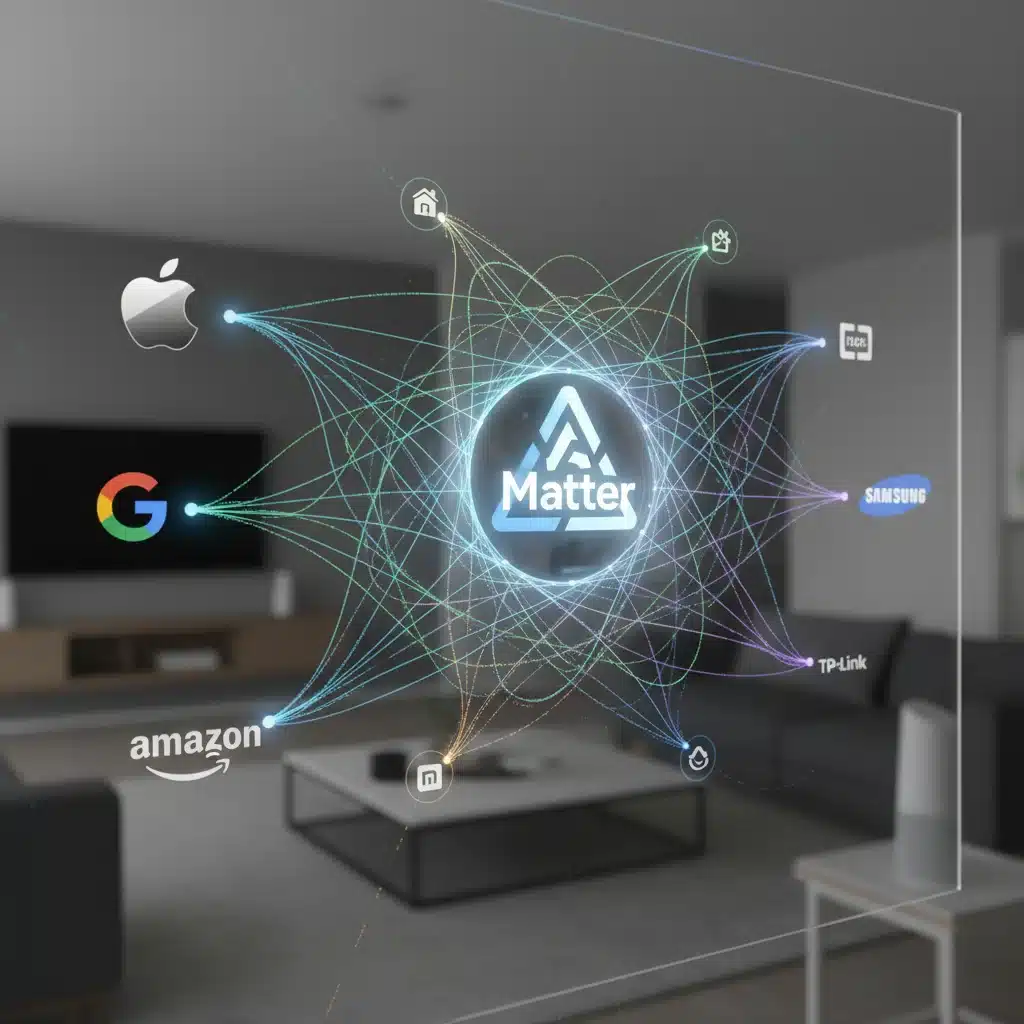
The promise of a truly interconnected smart home has been a dream for years. Imagine a world where your smart lights, thermostat, security cameras, door locks, and entertainment systems, regardless of their brand, all speak the same language. This is precisely what Matter aims to achieve. Backed by industry giants like Apple, Google, Amazon, and Samsung, alongside hundreds of other companies under the umbrella of the Connectivity Standards Alliance (CSA), Matter isn’t just another protocol; it’s a commitment to a unified future. Its widespread adoption will not only simplify the smart home experience for consumers but also unlock new avenues for innovation and functionality for manufacturers. As we approach 2026, understanding the implications of this standard becomes crucial for anyone invested in the smart home ecosystem, from early adopters to industry stakeholders.
Understanding the Matter Smart Home Standard: A Foundation for Interoperability
At its core, the Matter Smart Home Standard is an IP-based protocol that builds upon existing technologies like Wi-Fi, Thread, and Ethernet. This strategic choice allows Matter to leverage established and robust communication methods, ensuring reliability and broad compatibility. Unlike proprietary systems that lock users into a single brand’s ecosystem, Matter is designed to be open and inclusive. It provides a common application layer that sits above the network layer, enabling devices from different manufacturers to discover, provision, and control each other securely and reliably.
The Genesis of Matter: Solving a Pressing Need
The journey to Matter began with the realization that the smart home market was stagnating due to complexity. Consumers were overwhelmed by choices and confused by compatibility issues. A light bulb from one brand might not work with a hub from another, or a security camera might require a separate app from the thermostat. This fragmentation led to a suboptimal user experience, hindering mass market appeal. The CSA, formerly known as the Zigbee Alliance, recognized this challenge and brought together key players to develop a solution that would transcend brand loyalties and proprietary limitations. The result was Project CHIP (Connected Home over IP), which eventually evolved into the Matter standard.
Key Technical Underpinnings of Matter
- IP-Based Protocol: Matter leverages Internet Protocol (IP), the same foundational technology that powers the internet. This makes it highly scalable and allows devices to communicate locally without necessarily relying on cloud services for basic functionality.
- Multi-Admin Functionality: One of Matter’s most significant features is its multi-admin capability. This means a single Matter-certified device can be simultaneously controlled by multiple smart home ecosystems (e.g., Apple HomeKit, Google Home, Amazon Alexa). This eliminates the need for users to choose a single platform, offering unprecedented flexibility.
- Local Control: While cloud connectivity offers convenience, Matter prioritizes local control. This enhances privacy, security, and responsiveness, as devices can communicate directly with each other within the home network, even if the internet connection is down.
- Security by Design: Security is paramount in Matter. It incorporates robust encryption and authentication mechanisms from the ground up, ensuring that communications between devices are secure and that only authorized users can access and control them.
- Built on Proven Technologies: Matter doesn’t reinvent the wheel. It builds upon established and reliable network layers:
- Wi-Fi: For high-bandwidth applications like video streaming.
- Thread: A low-power mesh networking protocol ideal for small, battery-powered devices like sensors and smart plugs, creating a self-healing network.
- Ethernet: For devices requiring a stable, wired connection.
By bringing these elements together, the Matter Smart Home Standard offers a comprehensive and robust framework for smart home interoperability. Its design principles are centered around simplicity, reliability, and security, paving the way for a truly unified and user-friendly smart home experience by 2026.
The Impact of Matter on New Devices by 2026: A Paradigm Shift
The widespread adoption of the Matter Smart Home Standard will have profound implications for new devices entering the market by 2026. Manufacturers are already gearing up to integrate Matter support, and consumers will soon reap the benefits of a more harmonious smart home ecosystem.
Simplified Device Setup and Integration
One of the most immediate and tangible benefits of Matter will be the simplification of device setup. Gone will be the days of scanning QR codes, downloading multiple apps, or struggling with complex pairing processes. Matter aims for a ‘plug-and-play’ experience, where new devices can be easily discovered and configured within any Matter-compatible smart home app. This ease of integration will significantly lower the barrier to entry for smart home technology, encouraging more consumers to adopt and expand their smart home setups.
Enhanced Cross-Platform Compatibility and Choice
For consumers, Matter means unprecedented flexibility. You’ll no longer be forced to choose between Google Home, Apple HomeKit, or Amazon Alexa. A Matter-certified device will work seamlessly with all of them, allowing users to pick their preferred control interface without sacrificing device compatibility. This not only empowers consumers with more choice but also future-proofs their smart home investments, as devices won’t become obsolete if they decide to switch ecosystems.
Increased Competition and Innovation Among Manufacturers
While some manufacturers might initially view Matter as a loss of competitive advantage (due to their proprietary ecosystems), the reality is that it will foster greater innovation. With the basic interoperability problem solved, companies can shift their focus from creating walled gardens to developing truly innovative features, unique designs, and superior user experiences that differentiate their products within a standardized framework. This increased competition will ultimately benefit consumers through better products and more competitive pricing.
Greater Security and Privacy
The ‘security by design’ philosophy embedded within Matter will significantly enhance the overall security posture of smart homes. Standardized security protocols and mandatory certification processes will reduce vulnerabilities and ensure that devices meet a baseline level of trustworthiness. Furthermore, the emphasis on local control means less reliance on cloud services for core functionalities, which can enhance privacy by keeping more data within the confines of the home network.
Challenges and Opportunities for Manufacturers in the Matter Era
While the adoption of the Matter Smart Home Standard presents numerous advantages, it also brings a set of challenges and unique opportunities for device manufacturers. Navigating this new landscape effectively will be crucial for success by 2026.
Adapting to a Unified Standard
For many manufacturers, especially those with established proprietary ecosystems, adapting to Matter requires a significant shift in development strategies. It means investing in new hardware and software development to ensure Matter compliance, undergoing certification processes, and potentially re-evaluating their existing product lines. This transition period, while necessary, can be resource-intensive.
Differentiating in a Standardized Market
In a world where all devices are universally compatible, the challenge for manufacturers shifts from ensuring connectivity to finding new ways to stand out. Differentiation will come from superior industrial design, unique features, advanced AI capabilities, energy efficiency, sustainability, and exceptional customer support. The focus will move beyond basic functionality to added value and user experience.
Leveraging New Protocols: Thread and Wi-Fi
Matter’s reliance on Thread and Wi-Fi opens up new avenues for device design. Thread, in particular, offers a low-power mesh network perfect for battery-operated sensors and controls, enabling manufacturers to create smaller, more discreet, and longer-lasting devices. Understanding and effectively integrating these underlying network technologies will be key.
Opportunities for New Entrants and Startups
The Matter Smart Home Standard significantly lowers the barrier to entry for new companies. Without the need to build their own extensive ecosystem or secure compatibility agreements with major players, startups can focus on niche innovations and bring unique smart home products to market more easily. This democratized environment could lead to an explosion of new and creative smart home devices.
The Consumer Experience in a Matter-Enabled Smart Home by 2026
For the end-user, the impact of the Matter Smart Home Standard by 2026 will be transformative, moving beyond mere convenience to a truly intelligent and intuitive living environment.
Seamless Control and Automation
The days of juggling multiple apps to control different devices will largely be over. With Matter, a single app (whether it’s Apple Home, Google Home, or Amazon Alexa, or a third-party Matter controller) will be able to manage all your compatible devices. This unified control will enable more sophisticated and reliable automation routines, where your lights, thermostat, blinds, and music can work in perfect synchronicity based on your schedule, presence, or external triggers.
Enhanced Reliability and Responsiveness
By prioritizing local control and building on robust network protocols, Matter promises a more reliable and responsive smart home. Commands will execute faster, and devices will remain functional even during internet outages, ensuring that essential functions like lighting and heating are always available. This increase in reliability will build greater trust and confidence in smart home technology.
Future-Proofing Your Home
Investing in Matter-certified devices means your smart home ecosystem is future-proof. As new devices and technologies emerge, they will seamlessly integrate into your existing setup, protecting your initial investments and ensuring your home remains cutting-edge without constant overhauls. This long-term compatibility is a significant draw for consumers looking for sustainable technology solutions.
Greater Accessibility and Inclusivity
The simplification of the smart home experience through Matter can also lead to greater accessibility. For individuals with disabilities or those less tech-savvy, the ease of setup and unified control can make smart home technology more approachable and beneficial, enabling them to enjoy features that enhance comfort, security, and independence.
Looking Ahead: The Evolution Beyond 2026
While 2026 marks a significant milestone for the widespread adoption and impact of the Matter Smart Home Standard, its evolution will not stop there. Matter is an ongoing project, with future iterations and expansions already planned.
Expanding Device Categories
Initially, Matter focused on foundational smart home categories like lighting, locks, thermostats, and sensors. Future versions are expected to expand support to a much broader range of devices, including home appliances (refrigerators, washing machines), energy management systems, robotics, and even automotive integration. This continuous expansion will further solidify Matter’s role as the universal language of the connected home.
Enhanced Energy Management and Sustainability
As the world increasingly focuses on sustainability, Matter is poised to play a crucial role in enabling smarter energy management within homes. By allowing seamless communication between energy meters, smart appliances, HVAC systems, and renewable energy sources (like solar panels), Matter can facilitate sophisticated automation routines that optimize energy consumption, reduce waste, and lower utility bills. This will be a significant area of development beyond 2026.
Integration with Smart Cities and Beyond
The IP-based nature of Matter also opens up possibilities for integration beyond the individual home. In the long term, Matter could potentially become a component in broader smart city initiatives, connecting homes to larger municipal infrastructure for services like waste management, public safety, and energy grids. While this is a more distant vision, the foundational technology is already in place.
Continued Collaboration and Open Development
The success of Matter hinges on continued collaboration among industry players. The open-source nature of the standard encourages ongoing development, security enhancements, and community contributions. This collaborative model ensures that Matter remains adaptable, secure, and relevant as technology evolves.
Conclusion: The Dawn of a Truly Smart Home Era
The Matter Smart Home Standard represents a pivotal moment in the history of home automation. By addressing the long-standing issues of fragmentation and complexity, it is paving the way for a future where smart homes are not only more accessible and user-friendly but also more secure, reliable, and truly intelligent. By 2026, the market will be saturated with Matter-certified devices, fundamentally transforming the consumer experience and driving unprecedented innovation among manufacturers.
For consumers, this means an end to compatibility headaches and the beginning of a seamless, integrated living space that truly adapts to their needs. For manufacturers, it’s an invitation to innovate beyond basic connectivity, focusing on features and experiences that truly differentiate their products. The journey towards a fully interoperable smart home is well underway, and Matter is the compass guiding us towards that exciting future. The promise of a truly intelligent home, where every device works in harmony, is no longer a distant dream but a rapidly approaching reality, thanks to the unifying power of the Matter Smart Home Standard.