By 2026, smart home ecosystems in the U.S. will be defined by advanced AI, predictive automation, robust security, energy efficiency, and hyper-personalization, creating truly intuitive and integrated living spaces.
The landscape of residential technology is evolving at an unprecedented pace, with the concept of the connected home moving beyond mere convenience to essential functionality. As we look towards 2026, seamless integration: 5 emerging smart home ecosystem trends dominating the U.S. market by 2026 are set to redefine how we interact with our living spaces, promising a future where our homes anticipate our needs and respond intelligently. This shift signifies not just an upgrade in gadgets, but a fundamental transformation in how comfort, security, and efficiency are delivered within American households.
The Rise of Unified Platforms: Beyond Device Compatibility
For years, the smart home experience was often fragmented, a collection of disparate devices from various manufacturers that rarely spoke the same language. This era of siloed gadgets is rapidly fading, giving way to an urgent demand for unified platforms. Consumers are no longer content with simply having smart devices; they expect these devices to work together effortlessly, creating a cohesive and intuitive environment. The trend towards unified platforms is about achieving true interoperability, where a single command or automation routine can orchestrate multiple devices across different brands and functions.
This push for unification is driven by several factors, including consumer frustration with complex setups and the desire for a more streamlined user experience. Companies are responding by developing more open ecosystems and adhering to industry standards that promote cross-device communication. The goal is to eliminate the need for multiple apps and hubs, instead offering a central control point that manages everything from lighting and climate to security and entertainment.
Standardization Efforts and Industry Alliances
The quest for seamless integration is heavily supported by ongoing standardization efforts. Industry alliances are playing a crucial role in developing common protocols that enable diverse devices to communicate effectively.
- Matter Protocol: Designed to unify smart home devices, Matter aims to simplify development for manufacturers and enhance compatibility for consumers. It promises to make devices from different brands work together effortlessly.
- Thread Networking: A low-power mesh networking technology, Thread provides a robust and reliable foundation for smart home devices, ensuring they remain connected even if one device goes offline.
- Open-Source Initiatives: Various open-source projects are fostering collaboration among developers, accelerating the creation of compatible devices and software solutions.
The impact of these unified platforms extends beyond mere convenience. They unlock new possibilities for advanced automation and personalization, allowing homes to adapt more intelligently to residents’ routines and preferences. The future of smart homes in the U.S. will undoubtedly be defined by how well these platforms can integrate and orchestrate the growing array of connected devices, making the smart home truly ‘smart’ rather than just ‘connected’.
AI-Powered Predictive Automation and Personalization
One of the most exciting advancements shaping smart home ecosystems by 2026 is the integration of artificial intelligence (AI) for predictive automation and hyper-personalization. Gone are the days when smart homes merely followed predefined rules. Today’s and tomorrow’s systems are learning, adapting, and anticipating residents’ needs, transforming houses into truly intuitive living spaces.
AI algorithms analyze vast amounts of data, including user habits, environmental factors, and even biometric information, to predict behavior and optimize home functions. This means your home won’t just turn off the lights when you leave; it will learn your preferred temperature settings, adjust lighting based on natural light cycles, and even pre-heat your oven before you arrive home, all without explicit commands.
Learning from Daily Routines and Environmental Cues
Predictive automation relies heavily on the system’s ability to learn and adapt. Smart home devices, equipped with advanced sensors and AI, continuously gather data on how residents interact with their environment.
- Occupancy Sensing: AI-powered sensors can distinguish between pets and people, and even identify specific individuals, allowing for tailored responses.
- Contextual Awareness: Systems consider factors like weather forecasts, time of day, and even traffic conditions to make informed decisions about home settings.
- Behavioral Patterns: Over time, the AI identifies recurring patterns in user behavior, such as waking times, meal preparation, and entertainment habits, to automate tasks proactively.
This level of personalization goes far beyond simple scheduling. It creates an environment that dynamically adjusts to individual preferences, offering unparalleled comfort and convenience. Imagine a home that adjusts the music to your mood, dims the lights for movie night automatically, or even reminds you to take your medication based on your daily schedule, all powered by intelligent AI. This trend solidifies the smart home’s role as a personal assistant, constantly working to enhance daily life.
Enhanced Security and Privacy Measures
As smart home ecosystems become more interconnected and integral to daily life, the importance of robust security and privacy measures has escalated dramatically. By 2026, concerns over data breaches, unauthorized access, and the misuse of personal information will drive significant innovation in how smart homes are protected. Consumers are increasingly aware of the data their devices collect, from video surveillance to energy consumption patterns, and they demand assurances that this information remains secure and private.
Manufacturers are responding with multi-layered security protocols, end-to-end encryption, and more transparent data handling policies. The goal is to build trust and empower users with greater control over their data, recognizing that a truly smart home must also be a truly secure home. This involves not only protecting against external threats but also ensuring that internal vulnerabilities are minimized.
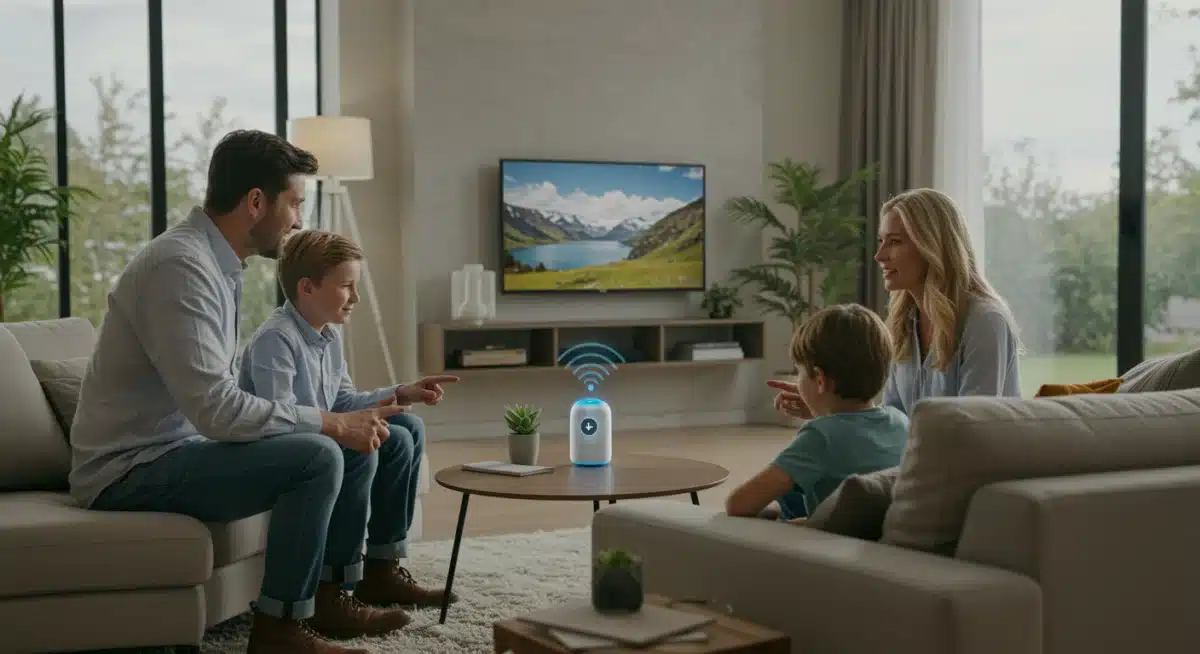
Fortifying the Digital Perimeter of the Home
Enhancing smart home security involves a combination of technological advancements and user best practices. The focus is on creating a resilient digital perimeter that can withstand evolving cyber threats.
- Advanced Encryption: All data transmitted between devices, hubs, and cloud services will be secured with state-of-the-art encryption standards, making it virtually impossible for unauthorized parties to intercept.
- Multi-Factor Authentication (MFA): MFA will become a standard for accessing smart home controls, adding an extra layer of security beyond traditional passwords.
- Regular Firmware Updates: Manufacturers will prioritize frequent and automatic firmware updates to patch vulnerabilities and introduce new security features proactively.
- Privacy-by-Design Principles: Products will be developed with privacy in mind from the outset, minimizing data collection and offering clear options for users to manage their data preferences.
Beyond technical safeguards, educating users about best practices, such as strong password creation and awareness of phishing attempts, will also be crucial. The balance between convenience and security is delicate, but the trend clearly indicates a strong commitment towards making smart homes not just intelligent, but also impenetrable digital fortresses, safeguarding both possessions and personal data.
Sustainable and Energy-Efficient Smart Home Solutions
As environmental consciousness grows and energy costs continue to fluctuate, sustainable and energy-efficient smart home solutions are becoming paramount. By 2026, smart home ecosystems will play a pivotal role in reducing household carbon footprints and optimizing energy consumption, moving beyond simple automation to intelligent resource management. This trend is driven by both consumer demand for eco-friendly living and regulatory pushes for greater energy efficiency.
Smart devices are being designed not only to perform their primary functions but also to provide detailed insights into energy usage, suggest optimization strategies, and even integrate with renewable energy sources. The focus is on creating homes that are not just comfortable and convenient but also environmentally responsible and cost-effective in the long run.
Optimizing Resource Consumption with Intelligent Management
Achieving true energy efficiency in smart homes involves a holistic approach that integrates various devices and systems to work in concert.
- Smart Thermostats and HVAC Integration: Advanced thermostats learn occupancy patterns and external weather conditions to optimize heating and cooling, minimizing waste. Integration with smart windows and blinds can further enhance climate control by leveraging natural light and insulation.
- Intelligent Lighting Systems: LED lighting combined with occupancy sensors and daylight harvesting capabilities ensures lights are only on when needed and at optimal brightness, significantly reducing electricity consumption.
- Appliance Monitoring and Smart Plugs: Devices that monitor individual appliance energy usage can identify ‘energy vampires’ and allow for remote power management, ensuring appliances are only drawing power when necessary.
- Integration with Renewable Energy: Smart home systems will increasingly interface with solar panels, home battery storage, and smart grids, allowing homeowners to maximize self-consumption of renewable energy and even sell excess power back to the grid.
The appeal of these sustainable solutions extends beyond environmental benefits; they also offer tangible financial savings through reduced utility bills. This dual advantage makes energy-efficient smart home ecosystems a compelling proposition for homeowners looking to future-proof their properties and contribute to a greener planet. The smart home of 2026 will be a beacon of both technological prowess and environmental stewardship.
Health and Wellness Integration
Beyond convenience and security, smart home ecosystems are increasingly focusing on enhancing residents’ health and wellness. By 2026, the integration of health-monitoring devices, air quality sensors, and personalized wellness routines will transform homes into proactive health hubs. This trend reflects a growing societal emphasis on holistic well-being and the desire for environments that actively support a healthy lifestyle.
Smart homes will move beyond passive comfort to actively monitor and optimize environmental factors that impact health, such as air quality, lighting, and even sleep patterns. This proactive approach aims to create living spaces that contribute positively to physical and mental health, offering a new dimension of value to homeowners.
Proactive Monitoring and Personalized Wellness Environments
The integration of health and wellness features within smart homes involves a range of sophisticated sensors and intelligent systems.
- Advanced Air Quality Monitoring: Sensors detect pollutants, allergens, and VOCs (Volatile Organic Compounds), automatically activating air purifiers or adjusting ventilation to maintain optimal indoor air quality.
- Circadian Lighting Systems: Lighting systems that mimic natural daylight cycles help regulate sleep patterns, improve mood, and enhance productivity throughout the day.
- Sleep Tracking and Optimization: Smart beds and sensors monitor sleep quality, adjusting room temperature, lighting, and soundscapes to create ideal conditions for restorative sleep.
- Elderly Care and Remote Monitoring: Non-invasive sensors can monitor the well-being of elderly residents, detecting falls or unusual behavior and alerting caregivers, providing peace of mind without compromising privacy.
- Stress Reduction and Mindfulness Zones: Integration with smart speakers and displays can create personalized mindfulness environments with guided meditations, calming sounds, and ambient lighting.
This trend underscores a fundamental shift in how we view our homes: no longer just shelters, but active partners in our health journey. The smart home of 2026 will be a sanctuary designed not just for living, but for thriving, offering personalized support for physical, mental, and emotional well-being.
Subscription-Based Services and Ecosystem Lock-in
While the promise of seamless integration is appealing, a significant trend dominating the U.S. smart home market by 2026 will be the increasing prevalence of subscription-based services and the concept of ecosystem lock-in. Manufacturers are moving towards recurring revenue models, offering advanced features, cloud storage, enhanced security, and extended warranties through monthly or annual subscriptions. This strategy aims to create stickier customer relationships and ensure ongoing engagement with their platforms.
Ecosystem lock-in refers to the phenomenon where consumers become deeply embedded within a particular brand’s or platform’s ecosystem due to the significant investment in compatible devices and the convenience of a unified experience. While this can offer unparalleled integration and functionality, it also raises questions about vendor dependence and potential limitations on future choices.
Navigating the Benefits and Challenges of Subscriptions
Subscription models offer several advantages for both consumers and manufacturers, but they also bring certain considerations.
- Enhanced Features and Support: Subscriptions often unlock premium features like advanced AI analytics, extended cloud video storage for security cameras, professional monitoring services, and priority customer support.
- Continuous Updates and Evolution: Subscribers typically receive continuous software updates and access to new features as they are developed, ensuring their smart home remains cutting-edge.
- Cost Considerations: While initial device costs might be lower, the cumulative cost of subscriptions over time can be substantial. Consumers need to carefully evaluate the long-term value proposition.
- Vendor Dependence: Committing to a single ecosystem can limit flexibility if a user wishes to integrate devices from other brands or switch platforms in the future. The interoperability promised by standards like Matter aims to mitigate this, but complete freedom remains a challenge.
This trend necessitates a careful evaluation by consumers. The convenience and advanced capabilities offered by subscription services are undeniable, but understanding the long-term financial implications and the degree of vendor lock-in is crucial. By 2026, the smart home market will likely see a diverse range of subscription tiers, catering to different needs and budgets, making informed decision-making more important than ever for a truly seamless and satisfying smart home experience.
| Key Trend | Brief Description |
|---|---|
| Unified Platforms | Seamless interoperability among diverse smart devices, reducing fragmentation and simplifying user experience. |
| AI Predictive Automation | Smart homes learning user habits and environmental cues to proactively automate tasks and personalize settings. |
| Enhanced Security & Privacy | Robust data encryption, multi-factor authentication, and privacy-by-design principles to protect smart home data. |
| Health & Wellness Integration | Homes actively monitoring air quality, sleep, and creating environments that support physical and mental well-being. |
Frequently Asked Questions About Smart Home Trends
Seamless integration refers to smart home devices from different manufacturers working together effortlessly under a unified control system. It eliminates the need for multiple apps and ensures all connected gadgets communicate and cooperate to create a cohesive, intuitive user experience without friction.
By 2026, AI will transform smart homes from reactive to proactive. Systems will learn user habits, predict needs, and automate tasks like adjusting climate, lighting, and security settings before explicit commands are given, offering hyper-personalized and highly efficient living environments.
Security and privacy are crucial because smart homes collect sensitive personal data. Robust measures like advanced encryption and multi-factor authentication are essential to protect against cyber threats and unauthorized access, ensuring user trust and safeguarding personal information from misuse.
Absolutely. Smart homes significantly boost energy efficiency through intelligent management of lighting, HVAC systems, and appliances. By learning usage patterns and integrating with renewable energy sources, they minimize waste, reduce utility bills, and contribute to a lower carbon footprint, making homes more sustainable.
Subscription services will increasingly offer premium features like advanced AI analytics, professional monitoring, cloud storage, and ongoing software updates. While enhancing functionality and convenience, they also introduce potential vendor lock-in and require careful consideration of long-term costs versus benefits for the homeowner.
Conclusion
The evolution of smart home ecosystems in the U.S. by 2026 paints a picture of unparalleled connectivity, intelligence, and personalization. The convergence of unified platforms, AI-powered automation, stringent security, sustainable practices, and health-centric integrations is not merely about adding gadgets; it’s about fundamentally reshaping our living environments. These emerging trends promise homes that are intuitive, secure, energy-efficient, and actively contribute to our well-being, moving us closer to a future where technology truly serves to enhance every aspect of daily life.