Smart Home Energy Monitoring: Your Key to Immediate Energy Savings
In an era where energy costs are constantly on the rise and environmental consciousness is more critical than ever, optimizing our home energy consumption has become a top priority for many homeowners. The advent of smart home energy monitoring systems has revolutionized the way we interact with and understand our household energy usage. These sophisticated systems offer unprecedented insights into where and how electricity is being consumed, empowering us to make informed decisions that can lead to significant savings. This comprehensive guide will delve into the world of smart home energy monitoring, providing you with the knowledge and tools to interpret data, adjust settings, and achieve an immediate 5% reduction in your energy consumption.
Imagine being able to see, in real-time, exactly how much energy your refrigerator is using, or how much it costs to leave your gaming console in standby mode. This level of detail is no longer a futuristic dream but a present-day reality thanks to advanced smart home energy monitoring technology. By understanding the nuances of your energy footprint, you can identify energy vampires, optimize appliance usage, and ultimately contribute to a more sustainable and cost-effective lifestyle. Our goal is to equip you with the practical steps needed to start seeing those savings almost immediately.
Understanding the Basics of Smart Home Energy Monitoring
Before diving into data interpretation and setting adjustments, it’s crucial to understand what smart home energy monitoring entails. At its core, it involves devices and systems that track your home’s electricity usage, often down to individual appliances. These systems typically consist of sensors installed at your main electrical panel, smart plugs, and sometimes smart appliances themselves, all connected to a central hub or an app on your smartphone or computer.
How Smart Home Energy Monitoring Systems Work
Most smart home energy monitoring systems operate by measuring the electrical current flowing through your home’s circuits. This data is then transmitted wirelessly to a central unit, which processes and presents it in an easily understandable format. Some systems offer whole-home monitoring, giving you an overview of total consumption, while others provide granular insights into specific devices. The beauty of these systems lies in their ability to translate raw electrical data into actionable information, often accompanied by user-friendly interfaces that display consumption in kilowatt-hours (kWh), cost, and even carbon footprint.
- Whole-Home Monitors: These devices typically clip onto your main electrical wires in the service panel, providing a comprehensive view of your entire home’s energy usage. They are excellent for identifying peak consumption periods and overall trends.
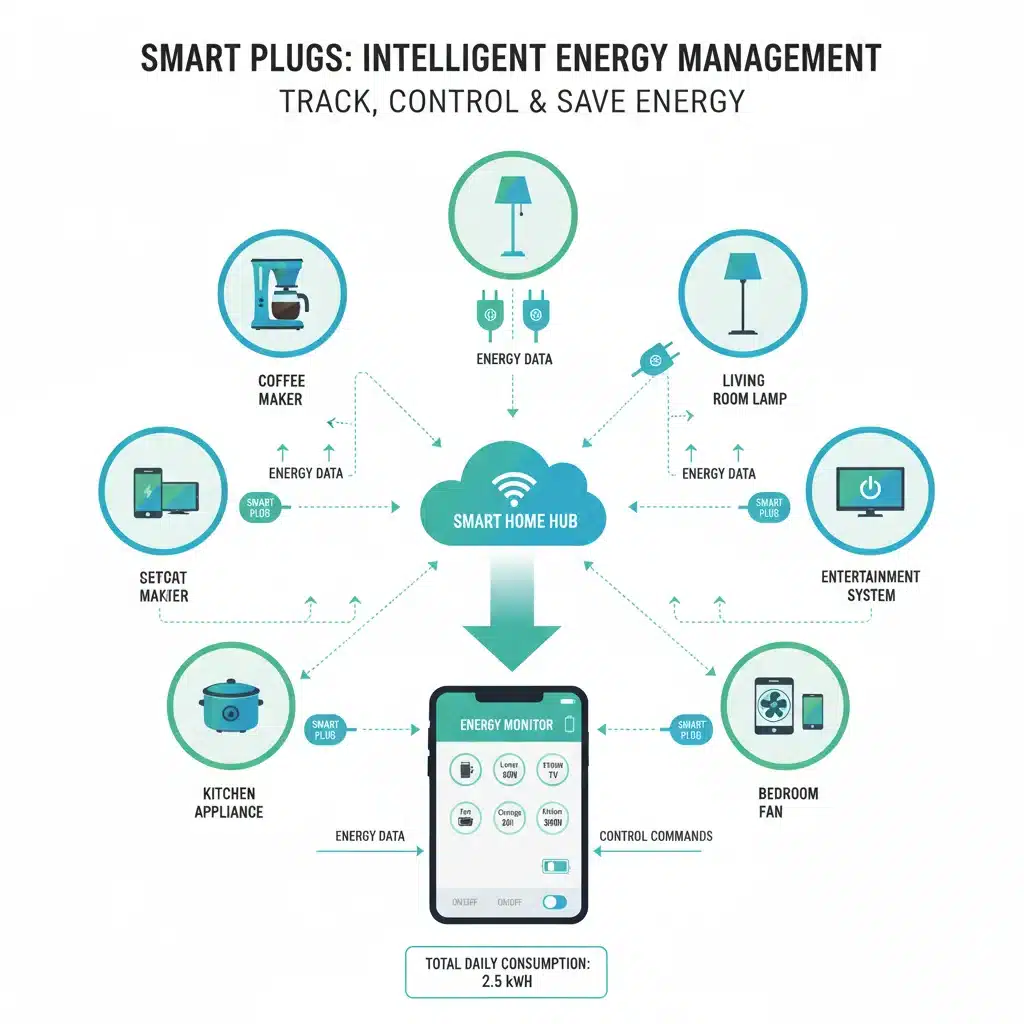
- Smart Plugs: For more detailed insights, smart plugs measure the energy consumption of individual devices plugged into them. This allows you to pinpoint specific energy-hungry appliances.
- Smart Appliances: Newer generations of appliances come with built-in energy monitoring capabilities, often integrating directly with your smart home ecosystem.
The real power of smart home energy monitoring comes from its ability to provide real-time feedback. This immediate visibility allows you to see the impact of your actions almost instantly. Turning off a light or unplugging an unused device produces a visible change in your consumption data, reinforcing good habits and making the process of saving energy more engaging.
Interpreting Your Energy Data: Becoming an Energy Detective
Once your smart home energy monitoring system is up and running, you’ll be presented with a wealth of data. The key to achieving that 5% immediate reduction, and even more long-term savings, lies in your ability to interpret this information effectively. Don’t be overwhelmed by the numbers; think of yourself as an energy detective, looking for clues to optimize your home’s efficiency.
Identifying Energy Vampires and Peak Usage
One of the first things to look for is ‘energy vampires’ – devices that consume power even when they are turned off or in standby mode. Your smart home energy monitoring system will clearly show baseline consumption when all major appliances are off. Any consistent consumption above zero indicates devices drawing power unnecessarily. Common culprits include TVs, gaming consoles, computer chargers, and even some kitchen appliances.
Another critical aspect is identifying peak usage times. Your energy bill often includes different rates for electricity consumed during peak and off-peak hours. By understanding when your household uses the most energy, you can strategically shift high-consumption activities, like running the dishwasher or laundry, to off-peak times, leading to direct cost savings. Your smart home energy monitoring dashboard will typically display usage patterns throughout the day, week, and month, highlighting these peaks.
Analyzing Appliance-Specific Consumption
If your system includes smart plugs or appliance-specific monitoring, you can drill down into the energy consumption of individual devices. This granular data is incredibly valuable. For example, you might discover that your old refrigerator is significantly less efficient than you thought, or that your electric kettle uses a surprising amount of power during its brief operational cycles. This information allows you to prioritize upgrades or change usage habits for the most impactful savings.
Look for discrepancies. Is a particular device consuming more than you’d expect? Is its usage consistent with how often it’s being used? Answering these questions can uncover faulty appliances or inefficient usage patterns that are costing you money. The insights gained from smart home energy monitoring provide a clear roadmap for where to focus your energy-saving efforts.
Adjusting Settings for Immediate Consumption Reduction
Interpreting data is only half the battle; the real magic happens when you translate those insights into actionable adjustments. The goal is an immediate 5% reduction, and with the right approach, this is entirely achievable.
Optimizing Thermostat Settings
Your heating and cooling system is often the single largest energy consumer in your home. A smart thermostat, integrated with your smart home energy monitoring system, can be a game-changer. By analyzing your usage patterns, you can program your thermostat to adjust temperatures automatically when you’re away or asleep, avoiding unnecessary heating or cooling.
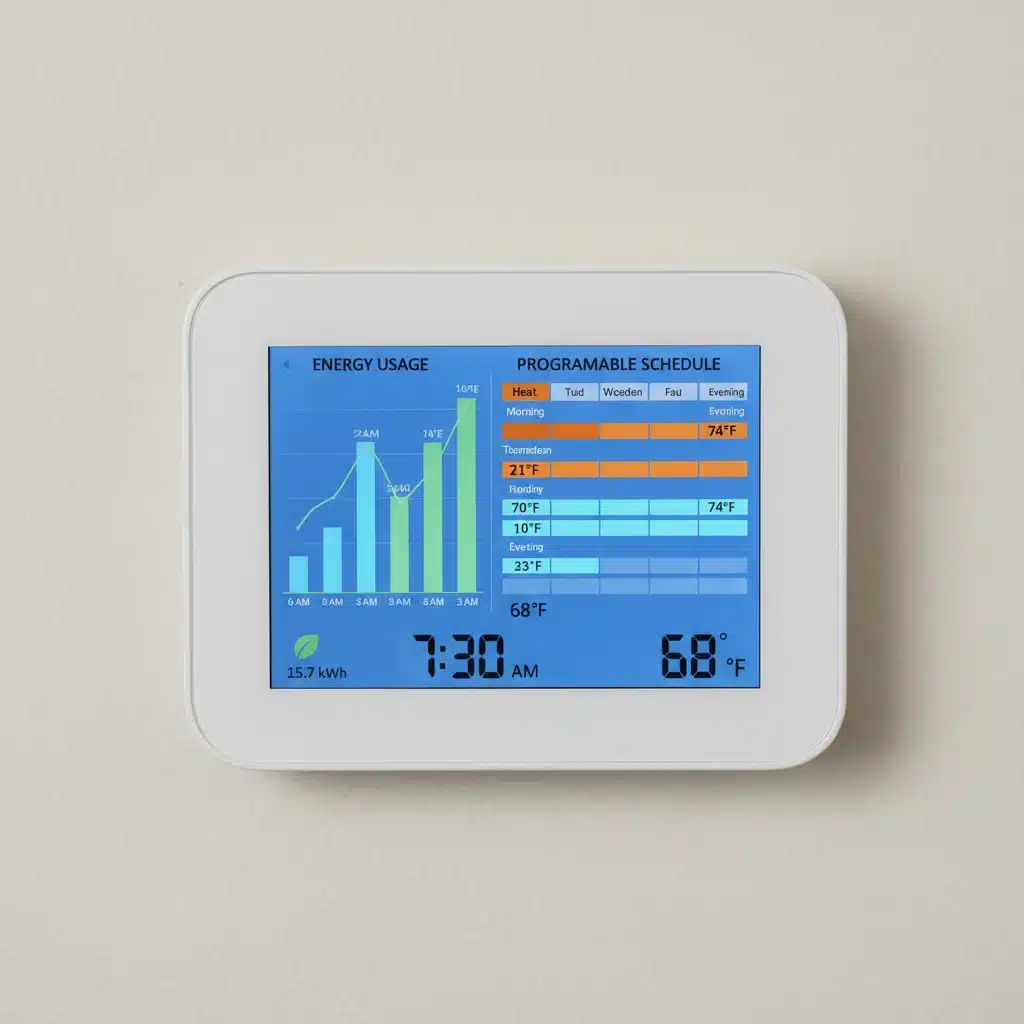
- Set Schedules: Create a schedule that aligns with your family’s routine. For instance, lower the heat or raise the AC temperature by a few degrees when everyone is out of the house.
- Utilize Away Mode: Many smart thermostats have an ‘away’ mode that automatically adjusts temperature settings when no one is home, often detected via geofencing or motion sensors.
- Understand Setback Temperatures: Even a small adjustment, like lowering your thermostat by 1-2 degrees in winter or raising it by 1-2 degrees in summer, can lead to significant savings over time. Your smart home energy monitoring data will quickly show the impact of these changes.
Managing Standby Power with Smart Plugs
Once you’ve identified your energy vampires using your smart home energy monitoring system, smart plugs become your best friends. These devices allow you to remotely turn off power to appliances, completely eliminating standby consumption. You can schedule them to turn off at specific times or control them manually via your smartphone app.
For example, if your entertainment system (TV, soundbar, gaming console) collectively draws a significant amount of standby power overnight, you can connect them to a smart power strip or individual smart plugs. Then, schedule them to power off completely after your usual bedtime and power back on before you typically use them. This simple action, applied across several ‘always-on’ devices, can quickly contribute to your 5% reduction goal.
Strategic Appliance Usage
Your smart home energy monitoring data will reveal which appliances consume the most energy and when. Use this information to adjust your usage patterns. For instance:
- Laundry and Dishwasher: Run these appliances only when they are full and, if possible, during off-peak electricity hours.
- Water Heater: If you have a smart water heater or a smart controller for your existing one, adjust its schedule to heat water only when needed, rather than constantly maintaining a high temperature.
- Lighting: While individual lights might not be huge energy consumers, collective usage adds up. Smart lighting systems allow you to dim lights, set schedules, and even turn them off remotely, all contributing to lower consumption.
Leveraging Advanced Features for Deeper Savings
Beyond basic monitoring and adjustments, many smart home energy monitoring systems offer advanced features that can help you squeeze out even more savings and achieve a more sustainable lifestyle.
Automations and Routines
Modern smart home platforms allow you to create complex automations and routines based on various triggers. For example:
- ‘Goodnight’ routine: When you say ‘Goodnight’ to your smart assistant, it can turn off all lights, lower the thermostat, and power down specific smart plugs connected to entertainment devices.
- Motion-sensor lighting: Lights in low-traffic areas can be set to turn on only when motion is detected and turn off automatically after a set period of inactivity. This directly reduces wasted energy.
- Time-based controls: Schedule outdoor lights to turn on at dusk and off at dawn, or only during specific hours.
These automations, informed by your smart home energy monitoring data, ensure that energy is only used when and where it’s truly needed, making your home inherently more efficient.
Budgeting and Goal Setting
Many smart home energy monitoring apps include features for setting energy budgets and consumption goals. You can input your desired monthly energy expenditure or a target kWh usage, and the system will track your progress, sending alerts if you’re on track to exceed your goal. This gamified approach can be a powerful motivator for maintaining energy-saving habits.
Regularly reviewing historical data provided by your smart home energy monitoring system helps you understand the long-term impact of your adjustments. You can compare month-over-month or year-over-year consumption, celebrate your savings, and identify areas for further improvement.
Case Study: Achieving a 5% Immediate Reduction
Let’s consider a hypothetical household, the Smiths, who installed a comprehensive smart home energy monitoring system. Their initial average daily consumption was 30 kWh.
Step 1: Baseline Monitoring (Day 1-3)
The Smiths monitored their energy usage for three days without making any changes. Their system showed a consistent 30 kWh/day. They noted a baseline consumption of 0.5 kWh/hour during the night when everyone was asleep, indicating significant standby power.
Step 2: Identifying Energy Vampires (Day 4)
Using smart plugs, they identified their entertainment center (TV, sound system, gaming console) as consuming 0.2 kWh/hour in standby. Their home office setup (computer, monitor, printer) consumed another 0.15 kWh/hour when not in use but left plugged in. The remaining 0.15 kWh/hour was attributed to various chargers and small appliances.
Step 3: Adjusting Settings and Implementing Controls (Day 5-7)
- Smart Plugs for Entertainment: They connected the entertainment center to a smart power strip, scheduled to turn off from 11 PM to 7 AM (8 hours). Savings: 0.2 kWh/hour * 8 hours = 1.6 kWh/day.
- Smart Plug for Office: A smart plug was used for the office setup, turning off from 6 PM to 8 AM (14 hours). Savings: 0.15 kWh/hour * 14 hours = 2.1 kWh/day.
- Thermostat Optimization: Their smart thermostat was programmed to lower the temperature by 3 degrees in winter when no one was home (9 AM – 5 PM, 5 days a week). This resulted in an estimated 1 kWh/day saving on average.
- Strategic Appliance Usage: They committed to running the dishwasher only when full and during off-peak hours (after 9 PM), saving an estimated 0.5 kWh/day by shifting load and avoiding peak rates.
Total Estimated Daily Savings: 1.6 kWh (entertainment) + 2.1 kWh (office) + 1 kWh (thermostat) + 0.5 kWh (dishwasher) = 5.2 kWh/day.
New Daily Consumption: 30 kWh – 5.2 kWh = 24.8 kWh.
Percentage Reduction: (5.2 kWh / 30 kWh) * 100% = 17.3%.
The Smiths not only achieved their 5% immediate reduction goal but significantly surpassed it, demonstrating the profound impact of proactive smart home energy monitoring and targeted adjustments. This example illustrates how even seemingly small changes, when informed by accurate data, can lead to substantial savings.
The Environmental Impact of Smart Energy Usage
Beyond the financial benefits, embracing smart home energy monitoring has a profound positive impact on the environment. Every kilowatt-hour saved reduces your carbon footprint, contributing to a healthier planet. By optimizing your energy consumption, you’re directly lessening the demand on power grids, which often rely on fossil fuels for electricity generation. This aligns with global efforts to combat climate change and promotes a more sustainable future for everyone.
Many smart home energy monitoring systems even provide statistics on your carbon emissions, allowing you to visualize your environmental contribution. This adds another layer of motivation, turning energy saving into a personal mission for ecological responsibility.
Choosing the Right Smart Home Energy Monitoring System
With a growing market of devices, selecting the right smart home energy monitoring system can feel daunting. Here are key factors to consider:
- Whole-Home vs. Appliance-Specific: Decide if you need an overview of your entire consumption or detailed data for individual devices. Many systems offer a combination.
- Installation Complexity: Some systems require professional installation at your electrical panel, while others are DIY-friendly with clamp-on sensors and smart plugs.
- Integration: Ensure the system integrates well with your existing smart home ecosystem (e.g., Google Home, Amazon Alexa, Apple HomeKit) for seamless control and automation.
- Data Reporting and App Features: Look for user-friendly apps that provide clear data visualizations, real-time alerts, historical data, and budgeting tools.
- Cost: Systems vary widely in price. Consider your budget and the potential savings to determine the best value.
- Accuracy: Reputable brands will offer highly accurate energy measurements, which are crucial for effective monitoring and decision-making.
Investing in a quality smart home energy monitoring system is an investment in your home’s efficiency and your financial future. The upfront cost is often quickly recouped through the savings generated.
Maintenance and Continuous Optimization
Smart home energy monitoring isn’t a one-time setup; it’s an ongoing process of learning and optimization. To maximize your savings and maintain that 5% (or more!) reduction, regular attention is key.
Regular Data Review
Make it a habit to periodically check your energy consumption data. Look for any unexplained spikes or changes in patterns. New appliances, changes in routine, or seasonal variations can all impact your energy use, and regular review helps you stay on top of these. Your smart home energy monitoring system is a powerful tool, but it requires your engagement to unlock its full potential.
Seasonal Adjustments
Energy consumption patterns change significantly between seasons. Your heating needs in winter are very different from your cooling needs in summer. Adjust your thermostat schedules, smart plug automations, and overall energy habits to align with seasonal demands. For instance, in summer, focus on minimizing AC usage by optimizing insulation, using fans, and blocking direct sunlight, all while monitoring the impact with your smart home energy monitoring system.
Appliance Upgrades
Your smart home energy monitoring data can highlight inefficient appliances. When it’s time to replace an old refrigerator, washing machine, or water heater, use the data to justify investing in energy-efficient models (Energy Star certified). The long-term savings will often outweigh the higher upfront cost, a fact your monitoring system will beautifully illustrate.
Conclusion: Embrace Smart Home Energy Monitoring for a More Efficient Future
The journey to significant energy savings and a reduced carbon footprint begins with understanding. Smart home energy monitoring provides that understanding, transforming invisible electricity consumption into tangible, actionable data. By diligently interpreting this data and making informed adjustments to your home’s settings and appliance usage, an immediate 5% reduction in consumption is not just a possibility, but a highly achievable goal.
From identifying energy vampires to optimizing your thermostat and leveraging smart plugs, every step you take contributes to a more efficient, cost-effective, and environmentally friendly home. The power to control your energy destiny is now at your fingertips. Embrace smart home energy monitoring, become an active participant in your home’s energy management, and unlock the immense potential for savings and sustainability that awaits.
Start your journey today. Monitor, interpret, adjust, and watch your energy bills shrink while your environmental impact lessens. The future of home energy is smart, and it starts with you.