Smart Home Safety Integration: Older US Homes 2026
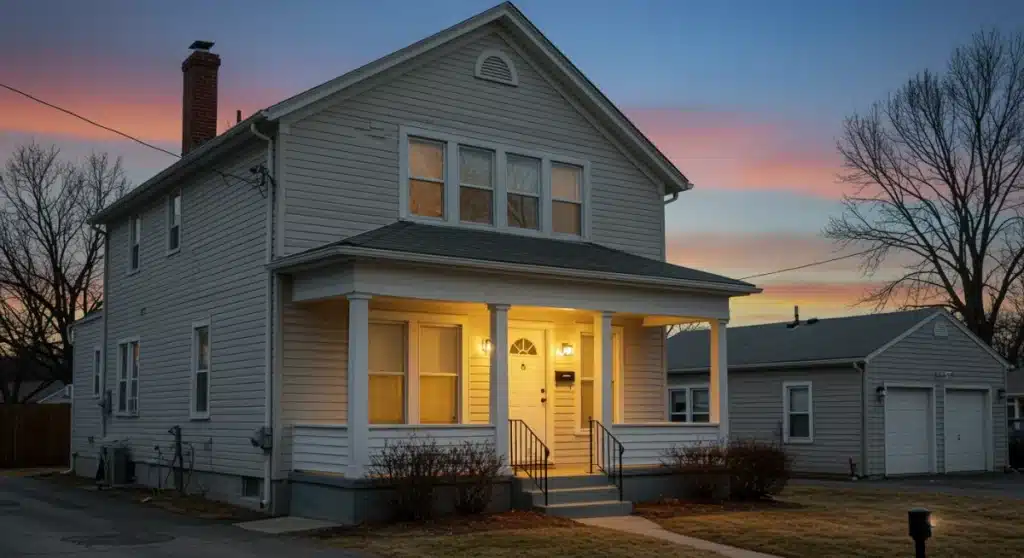
As we approach 2026, the allure of smart home technology continues to grow, promising enhanced convenience, efficiency, and, most importantly, safety. While new constructions are often designed with these integrations in mind, a significant portion of the United States housing stock comprises older homes, many built decades ago. These charming, historically rich properties come with their own set of challenges when it comes to adopting modern smart home safety features. However, with careful planning and the right solutions, it’s entirely possible to achieve robust Smart Home Safety Integration even in these venerable structures.
The goal isn’t just to add gadgets; it’s to create a cohesive, intelligent safety ecosystem that protects occupants and preserves the unique character of the home. This comprehensive guide will delve into practical solutions, considerations, and technologies that homeowners of older US properties can employ to upgrade their safety systems by 2026, ensuring peace of mind without compromising historical integrity.
Understanding the Unique Challenges of Older Homes
Before diving into solutions, it’s crucial to acknowledge the specific hurdles older homes present for Smart Home Safety Integration:
- Outdated Electrical Systems: Many older homes have electrical wiring that may not support the power demands of modern smart devices, or they might lack sufficient outlets in convenient locations. Knob-and-tube wiring or aluminum wiring, while not inherently unsafe if properly maintained, can complicate new installations.
- Structural Limitations: Thick plaster walls, solid wood framing, and unique architectural features can make running new wires challenging and expensive. Retrofitting sensors and cameras might require creative placement to avoid damaging historical elements.
- Lack of Neutral Wires: Some older light switches may lack a neutral wire, which is often required for smart switches, limiting options for smart lighting control without extensive rewiring.
- Aesthetics and Preservation: Homeowners often wish to maintain the original aesthetic of their older homes. Bulky or overtly modern smart devices can clash with the historical decor.
- Internet Connectivity Dead Zones: Thick walls and multiple floors can create Wi-Fi dead zones, hindering the performance of wireless smart devices that rely on a strong, consistent signal.
- Insulation and HVAC: Older homes often have less efficient insulation and older HVAC systems, which can impact the effectiveness of smart thermostats and environmental sensors.
Pillars of Smart Home Safety for Older Properties
When considering Smart Home Safety Integration, we can categorize the primary areas of focus into three main pillars: Security, Fire & Environmental Monitoring, and Accessibility & Health.
1. Enhanced Security Systems
Modern security goes far beyond traditional alarm systems. Smart security integrates cameras, sensors, and access control, all manageable from a smartphone or central hub.
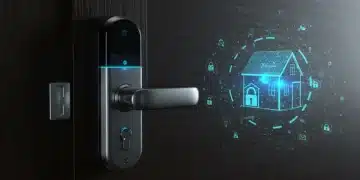
a. Smart Locks and Access Control
Smart locks offer keyless entry, remote access control, and logging of who enters and exits. For older homes, look for:
- Retrofit Options: Many smart locks are designed to replace existing deadbolts, minimizing structural changes.
- Battery-Powered Units: To avoid electrical work, opt for battery-powered smart locks.
- Keypad and Biometric Options: These offer convenient entry without needing a smartphone.
- Integration with Existing Hardware: Some brands offer smart lock modules that fit into existing lock hardware, preserving the original door handles and escutcheons.
Practical Tip: Consider smart locks that also integrate with smart doorbells for a comprehensive entry management system. This allows you to see and speak to visitors, and even unlock the door remotely, enhancing both security and convenience.
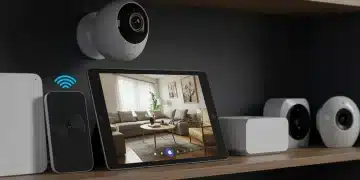
b. Smart Cameras and Video Surveillance
Indoor and outdoor smart cameras provide visual monitoring, motion detection, and often two-way audio. Key considerations for older homes include:
- Wireless Cameras: Battery-powered or Wi-Fi cameras eliminate the need for extensive wiring. Look for models with long battery life or solar charging options for outdoor use.
- Discreet Placement: Choose compact cameras that can be subtly placed to blend with the home’s aesthetics.
- Wide Field of View: Minimize the number of cameras needed to cover larger areas, reducing visual clutter.
- Local Storage Options: If internet connectivity is occasionally spotty, local storage (SD card) can be a good backup.
Practical Tip: Utilize smart outdoor lighting that integrates with motion sensors and cameras. When motion is detected, lights can illuminate, and cameras can begin recording, acting as a powerful deterrent.
c. Door and Window Sensors
These sensors detect when a door or window is opened or broken. For older homes, particularly those with unique window styles (e.g., sash windows, casement windows), specialized sensors may be needed.
- Slim, Wireless Sensors: Look for low-profile sensors that can be discreetly attached to frames without damaging woodwork.
- Vibration/Glass Break Sensors: These can detect attempts to force entry or break glass, providing an early warning.
- Z-Wave or Zigbee Protocols: These mesh networks can extend the range of sensors, overcoming Wi-Fi dead zones.
d. Professional Monitoring vs. DIY
Decide whether you want a professionally monitored system (24/7 monitoring by a security company) or a self-monitored DIY system. Professional monitoring offers an extra layer of protection, especially for older homes that might be more vulnerable to certain types of intrusion. However, self-monitored systems offer greater flexibility and lower ongoing costs.
2. Fire and Environmental Monitoring
Beyond security, protecting against fire, carbon monoxide, and water damage is paramount, especially in older homes where wiring and plumbing might be aging.
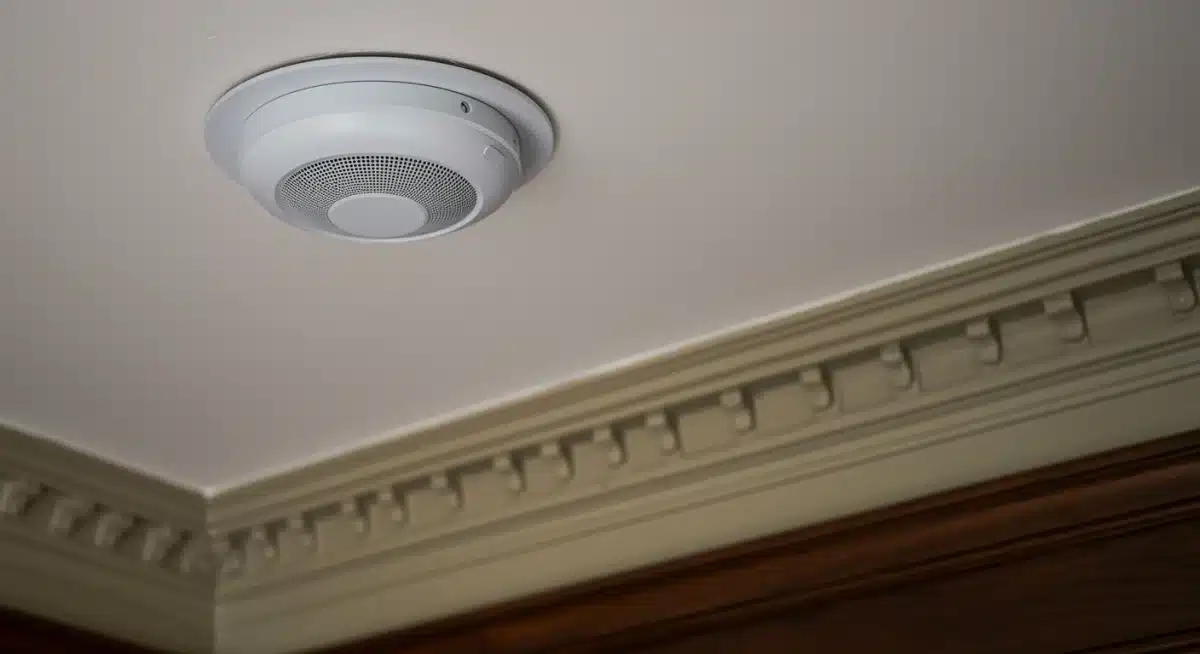
a. Smart Smoke and Carbon Monoxide Detectors
Traditional smoke detectors save lives, but smart detectors take it a step further:
- Remote Notifications: Get alerts on your phone no matter where you are.
- Interconnected Systems: If one alarm goes off, they all do, ensuring everyone in the house is alerted.
- Dual-Sensor Technology: Detect both fast-flaming and smoldering fires.
- Battery Backup: Crucial for older homes with potentially less robust electrical systems.
Practical Tip: Consider detectors that integrate with your smart lighting. In case of an alarm, lights can automatically flash or turn on, helping guide occupants to safety, especially in the dark or smoke-filled conditions.
b. Smart Water Leak Detectors
Water damage can be devastating, particularly in older homes with original plumbing. Smart leak detectors can:
- Detect Leaks Early: Place them near water heaters, washing machines, sinks, and in basements.
- Send Instant Alerts: Receive notifications to your phone, allowing for quick intervention.
- Integrate with Shut-Off Valves: Advanced systems can automatically shut off the main water supply to prevent extensive damage. This is a highly recommended upgrade for older homes.
c. Smart Thermostats and Environmental Sensors
While primarily for comfort and energy efficiency, smart thermostats contribute to safety by:
- Monitoring HVAC Performance: Some can detect unusual HVAC operation that might indicate a problem.
- Temperature Alerts: Receive alerts if temperatures drop too low (preventing frozen pipes) or rise too high.
- Air Quality Monitoring: Advanced sensors can monitor indoor air quality, detecting VOCs or other pollutants, which can be particularly relevant in older homes with potential lead paint or asbestos concerns (though professional testing is always required for these).
3. Accessibility and Health Enhancements
For older homeowners or those with mobility challenges, smart home technology can significantly improve daily living and safety.
a. Smart Lighting
Beyond convenience, smart lighting offers safety benefits:
- Automated Lighting: Set schedules to ensure lights are on when needed, preventing trips and falls, especially in dimly lit older homes.
- Motion-Activated Lights: Illuminate pathways automatically.
- Remote Control: Turn lights on/off from anywhere, creating the impression someone is home for security, or simply for convenience.
- Voice Control: For those with limited mobility, voice-controlled lighting is a game-changer.
b. Voice Assistants and Smart Displays
Devices like Amazon Echo or Google Nest Hub act as central control points for your smart home, providing:
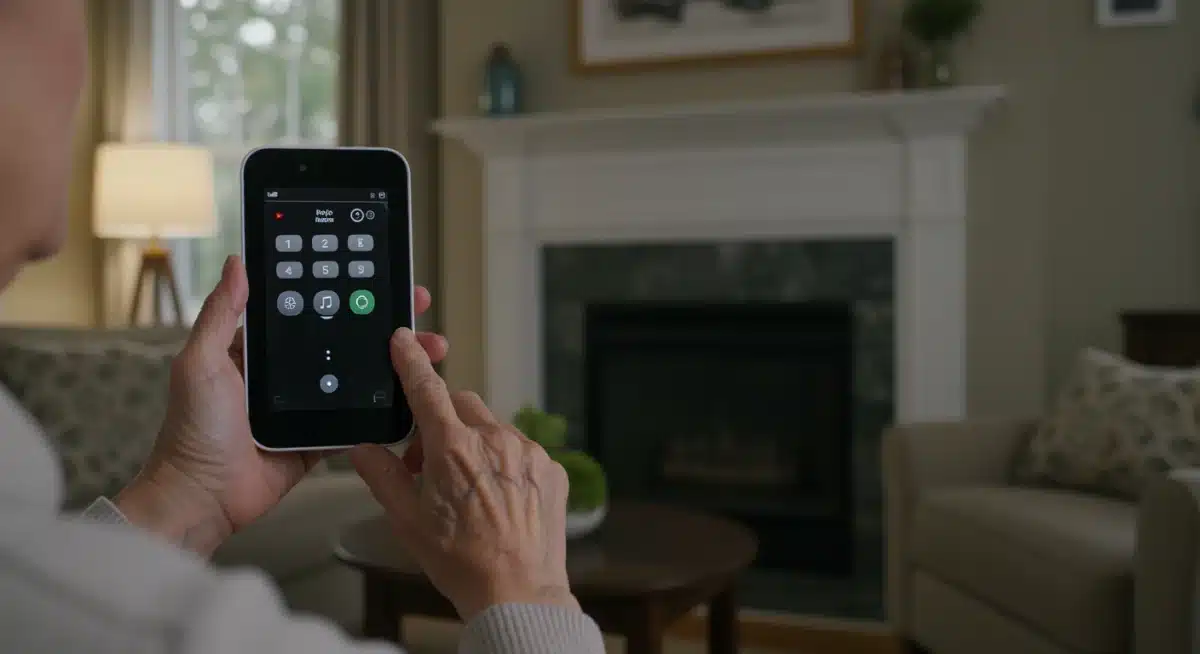
- Hands-Free Control: Operate lights, thermostats, and even call for help using voice commands.
- Communication Hub: Make calls, send messages, and receive reminders.
- Emergency Contacts: Some devices allow for quick calls to pre-set emergency contacts.
c. Smart Fall Detection and Medical Alert Systems
For elderly residents, these systems are invaluable:
- Wearable Devices: Smartwatches or pendants with fall detection and emergency call buttons.
- Passive Fall Detection: Some systems use radar or sensors to detect falls without requiring the wearer to press a button, offering greater peace of mind.
- Integration with Caregivers: Alerts can be sent directly to family members or professional caregivers.
Integrating Smart Home Safety with Existing Infrastructure: Practical Solutions
Now, let’s address how to actually implement Smart Home Safety Integration in older homes, overcoming the aforementioned challenges.
1. Prioritize Wireless and Battery-Powered Devices
This is arguably the most critical strategy for older homes. Wireless sensors, cameras, and battery-powered smart locks minimize the need for invasive wiring. Technologies like Z-Wave and Zigbee create mesh networks, which means devices communicate with each other to extend signal range, effectively bypassing Wi-Fi dead zones and reducing reliance on a single Wi-Fi router.
2. Leverage Smart Hubs and Gateways
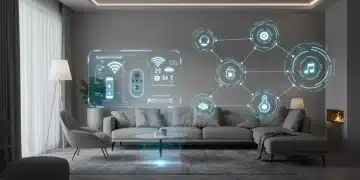
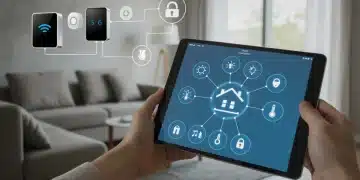
A central smart home hub (like SmartThings, Hubitat, or even a robust Home Assistant setup) can bridge different communication protocols (Wi-Fi, Z-Wave, Zigbee), allowing devices from various manufacturers to work together seamlessly. This is particularly useful in older homes where a mix of technologies might be necessary to accommodate existing infrastructure.
3. Address Electrical System Limitations
- Professional Electrical Inspection: Before any major smart home installation, especially if you plan on adding hardwired devices, have a qualified electrician inspect your home’s wiring. They can identify potential issues and recommend necessary upgrades.
- Smart Plugs: Convert traditional outlets into smart outlets without any rewiring. These are excellent for controlling lamps, fans, and other small appliances.
- Relay Switches: For smart lighting where a neutral wire is missing, some smart switch manufacturers offer relay switches that can work without one, or require a small bypass module installed at the light fixture. Consult an electrician for these installations.
- Power-Over-Ethernet (PoE): For specific devices like advanced security cameras, PoE can provide both power and data over a single Ethernet cable, reducing the need for separate power outlets, though it requires running new Ethernet lines.
4. Preserve Aesthetics with Thoughtful Device Selection and Placement
- Minimalist Design: Choose smart devices with sleek, minimalist designs that blend into the background. Many manufacturers now offer options in various colors or finishes.
- Concealed Devices: Opt for in-wall or in-ceiling speakers and sensors where possible.
- Paintable Sensors: Some door/window sensors are designed to be paintable, allowing them to match your trim color.
- Vintage-Style Smart Devices: A growing niche market offers smart devices designed to look like vintage fixtures, such as smart light bulbs that mimic Edison bulbs.
5. Optimize Network Infrastructure
A strong and reliable Wi-Fi network is the backbone of most smart homes.
- Mesh Wi-Fi Systems: These systems use multiple access points to create a seamless, strong Wi-Fi signal throughout your entire home, effectively eliminating dead zones caused by thick walls.
- Ethernet Backhaul: If possible, hardwire your mesh Wi-Fi nodes or smart hubs to your router using Ethernet cables. This provides a more stable and faster connection.
- Powerline Adapters: These devices use your home’s existing electrical wiring to extend internet connectivity to areas where Wi-Fi is weak.
6. Professional Installation and Consultation
While many smart home devices are DIY-friendly, for older homes, professional help can be invaluable:
- Electricians: For any wiring modifications, circuit upgrades, or installation of hardwired smart devices.
- Smart Home Integrators: Specialists who can design and install a cohesive smart home system, troubleshoot compatibility issues, and ensure proper integration with existing infrastructure. They can also advise on discreet placement options.
- HVAC Technicians: For integrating smart thermostats with older heating and cooling systems.
Future-Proofing Your Older Home by 2026
As technology evolves rapidly, consider these aspects to ensure your Smart Home Safety Integration remains relevant:
- Open Standards: Prioritize devices that use open communication protocols (Z-Wave, Zigbee, Matter) rather than proprietary systems. This increases compatibility and longevity.
- Software Updates: Choose brands known for providing regular software and security updates for their devices.
- Scalability: Design your system so it can be easily expanded with new devices and functionalities in the future.
- Local Processing: Where possible, opt for devices that can process commands locally rather than relying solely on cloud services. This improves response time and maintains functionality even if the internet goes down.
- Energy Efficiency: Smart home devices themselves consume power. Consider their energy footprint and how they contribute to overall home energy savings.
Case Study: A 1920s Bungalow’s Smart Safety Transformation
Imagine a charming 1920s bungalow in Seattle. The owners, a retired couple, loved its character but worried about outdated security and the risk of falls. Their Smart Home Safety Integration journey began with:
- Professional Assessment: An electrician inspected their knob-and-tube wiring, recommending upgrades to specific circuits for smart device power.
- Wireless Focus: They opted for a mesh Wi-Fi system to cover the entire house, and battery-powered Z-Wave door/window sensors and smart smoke/CO detectors.
- Smart Locks: Replaced existing deadbolts with smart locks that matched the antique brass finish of their original hardware.
- Discreet Cameras: Installed compact, wireless outdoor cameras disguised as small light fixtures.
- Water Leak Detection: Placed smart leak detectors under all sinks, near the water heater, and in the basement.
- Voice Control: Integrated several smart displays and voice assistants. The wife, who had some mobility issues, found voice-activated lighting and thermostat control incredibly empowering.
- Fall Detection: The husband wore a smart watch with fall detection, connected to a medical alert service.
By 2026, their bungalow was a seamless blend of historical charm and cutting-edge safety, providing them with peace of mind and enhanced independence.
Conclusion: A Safer, Smarter Future for Older Homes
Integrating smart home safety into older US homes by 2026 is not just a possibility; it’s a growing necessity and a rewarding endeavor. While the process may require more thoughtful planning and potentially professional assistance than with newer constructions, the benefits of enhanced security, proactive environmental monitoring, and improved accessibility are immeasurable. By prioritizing wireless solutions, understanding electrical limitations, preserving aesthetics, and leveraging professional expertise, homeowners can transform their cherished historical properties into safe, intelligent havens ready for the future. The journey towards comprehensive Smart Home Safety Integration in older homes is an investment in both the property’s longevity and the well-being of its occupants.