The landscape of home security is undergoing a profound transformation. For decades, cameras have been the undisputed champions of surveillance, offering visual confirmation and a powerful deterrent against intruders. However, as we step into 2026, the paradigm is shifting. While cameras remain a vital component, the true revolution in home safety lies in the intelligent integration of smart sensors. These sophisticated devices are moving beyond simple detection, offering a nuanced, predictive, and significantly more efficient approach to protecting our homes and loved ones. The goal is clear: to create a truly proactive security ecosystem that not only identifies threats but also minimizes the nuisance and cost associated with false alarms, aiming for a remarkable 15% reduction in these incidents.
This article will delve into the exciting evolution of smart home safety, exploring how smart sensors are becoming the backbone of next-generation security systems. We’ll examine the limitations of camera-centric approaches, highlight the diverse capabilities of modern sensors, and discuss the immense benefits of their seamless integration. From advanced motion detection to environmental monitoring and AI-powered analytics, the future of home protection is smarter, more responsive, and ultimately, more secure.
The Evolution of Home Security: From Reactive to Proactive
Historically, home security was largely reactive. An alarm would sound after an intrusion, or a camera would record an event that had already occurred. While still valuable, this approach often meant damage was done or an intruder had gained entry before a response could be mounted. The advent of smart home technology, particularly the rise of smart home safety systems, has ushered in an era of proactive security.
Early smart security systems focused on connecting disparate devices, allowing users to control lights, locks, and cameras from a central app. This was a significant step, but true integration, where devices communicate and collaborate intelligently, is what defines the current wave of innovation. In 2026, smart sensors are at the forefront of this shift, providing the granular data needed to anticipate and prevent incidents, rather than merely documenting them.
The limitations of a purely camera-based system are becoming increasingly apparent. While cameras offer invaluable visual evidence, they can be prone to false alarms triggered by pets, shadows, or environmental factors. Furthermore, they primarily detect events that are already happening in their field of view. Smart sensors, on the other hand, can detect subtle changes in the environment, such as vibrations, changes in air quality, or even specific sound patterns, offering an earlier warning and a more comprehensive layer of protection. This is crucial for achieving our 15% reduction in false alarms, a key metric for user satisfaction and efficient emergency response.
Beyond the Lens: The Diverse World of Smart Sensors for Smart Home Safety
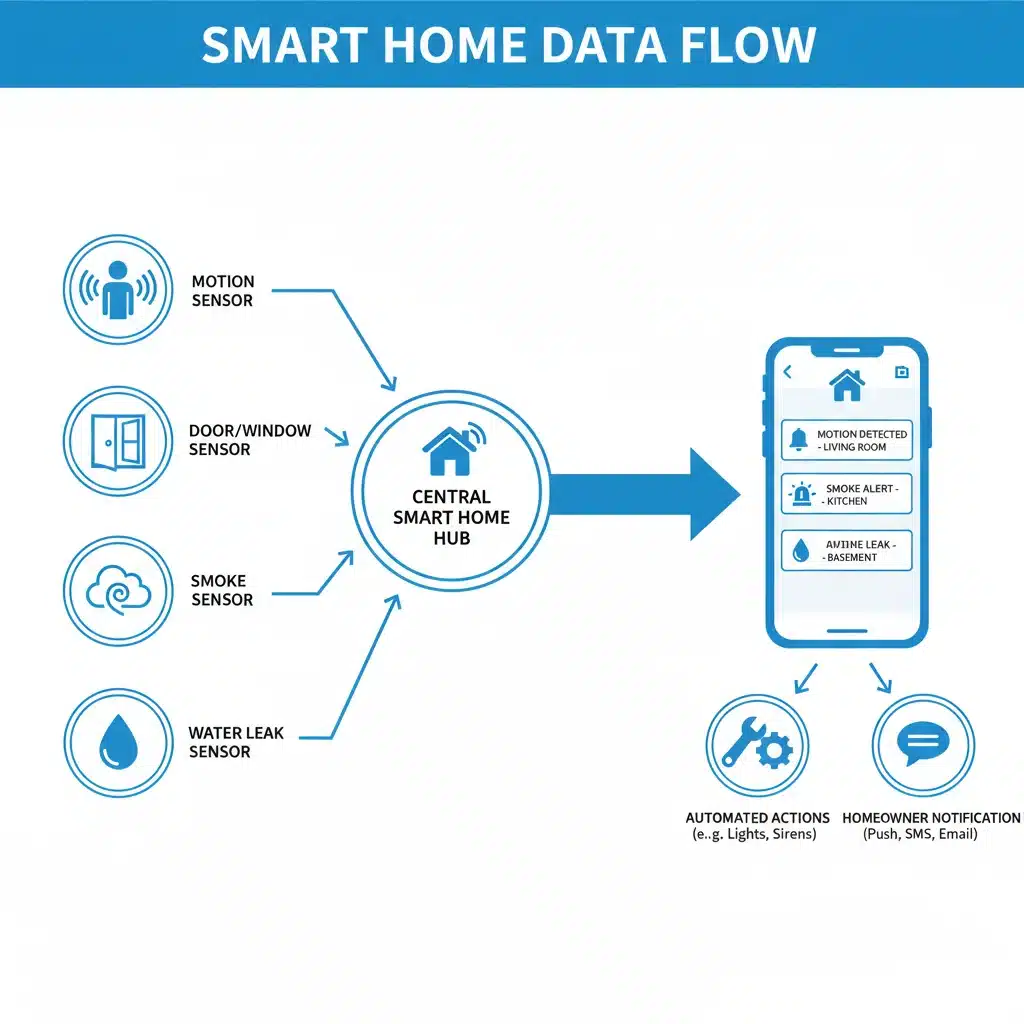
The term ‘smart sensor’ encompasses a vast array of technologies, each designed to detect specific environmental parameters and feed that data into a central smart home safety hub. Understanding these different types is key to appreciating the robust security they offer:
Motion Sensors: More Than Just Movement
Traditional motion sensors have evolved significantly. Modern smart motion sensors utilize various technologies, including Passive Infrared (PIR), microwave, and ultrasonic, often in combination to reduce false positives. Advanced algorithms can differentiate between humans, pets, and even swaying curtains, making them a cornerstone of effective smart home safety. Some even incorporate thermal imaging to detect body heat, adding another layer of accuracy.
Door and Window Sensors: The First Line of Defense
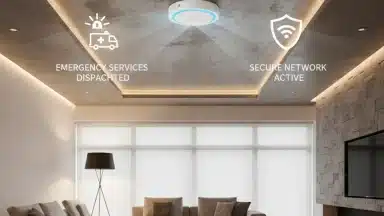
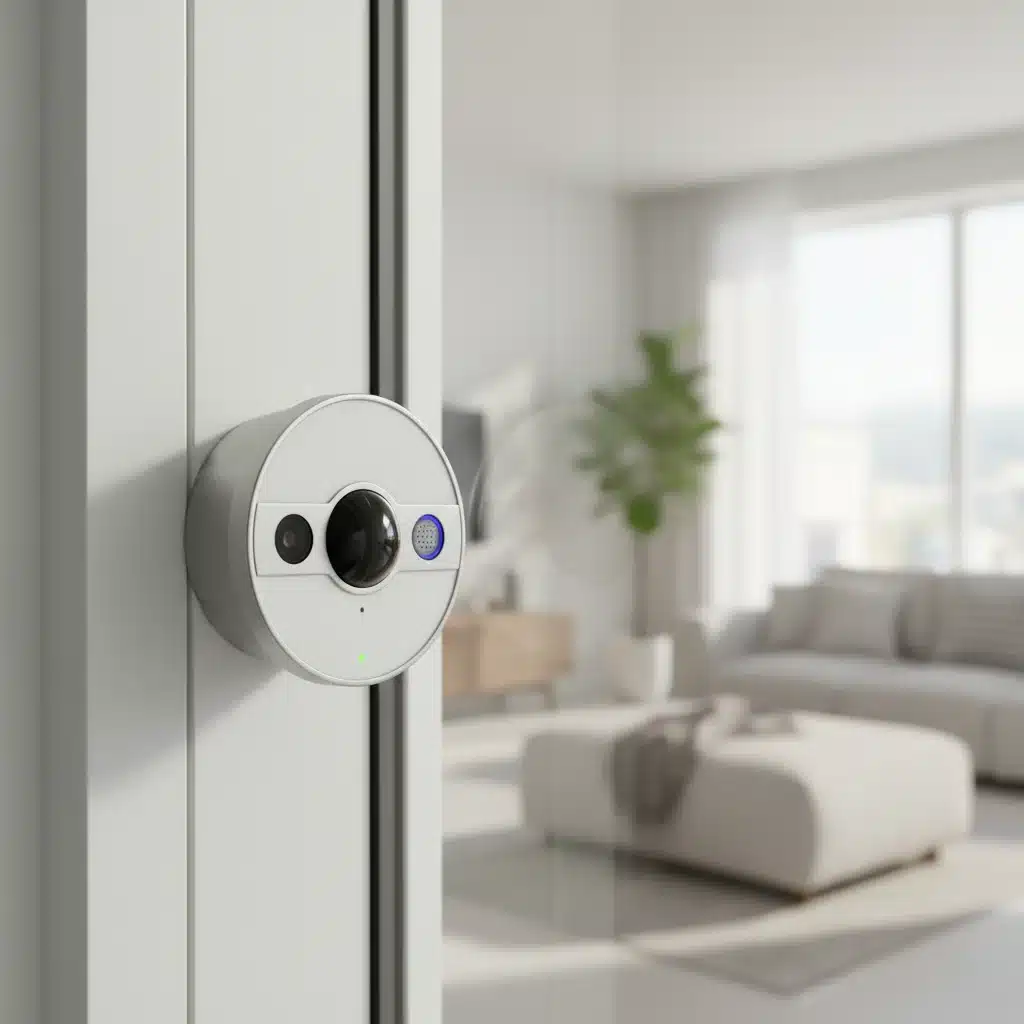
These ubiquitous sensors are fundamental to smart home safety. Magnetic contact sensors detect when a door or window is opened. However, newer generations include vibration sensors that can detect attempts to force entry or break glass before the opening even occurs. Integrated with the broader system, they can trigger alarms, activate cameras, and even illuminate lights, making them invaluable for perimeter security.
Glass Break Sensors: Listening for Trouble
Specifically designed to detect the unique sound frequency of breaking glass, these sensors provide an immediate alert if a window or glass door is compromised. This is a critical component for smart home safety, as it often provides a warning even before a physical breach of the opening itself.
Environmental Sensors: Protecting Against the Unseen
Smart home safety extends beyond intrusion detection. Environmental sensors play a crucial role in safeguarding against less obvious threats:
- Smoke and Carbon Monoxide Detectors: Smart versions of these life-saving devices not only sound a local alarm but also send alerts to your smartphone and, in some cases, directly to monitoring services. They can even communicate with smart thermostats to shut down HVAC systems, preventing the spread of smoke or carbon monoxide.
- Water Leak Detectors: Placed in basements, bathrooms, or near water heaters, these sensors can detect even small leaks, preventing costly water damage. Early detection can save homeowners thousands of dollars in repairs.
- Temperature and Humidity Sensors: While seemingly less critical for immediate security, these sensors can protect against frozen pipes in winter or excessive humidity that could lead to mold growth, contributing to overall home safety and maintenance.
The Power of Integration: How Smart Sensors Work Together
The real magic of smart home safety systems in 2026 lies not in individual sensors, but in their ability to communicate and act as a cohesive unit. This integration is facilitated by a central smart home hub, often powered by AI and machine learning algorithms.
Centralized Control and Automation
All sensor data flows into the hub, which then interprets the information and triggers predefined actions. For example:
- If a door sensor detects an opening while the system is armed, it can trigger an alarm, turn on interior and exterior lights, and activate connected security cameras to record the event.
- A motion sensor detecting activity in a specific zone could trigger a camera to begin recording only in that area, saving bandwidth and storage, while also sending an alert to the homeowner.
- If a smoke detector goes off, the system can automatically unlock smart locks for easier emergency egress, turn off the HVAC, and flash smart lights to guide occupants to safety.
AI and Machine Learning for Enhanced Smart Home Safety
The role of artificial intelligence in smart home safety cannot be overstated. AI algorithms analyze vast amounts of sensor data over time to learn patterns of normal activity within the home. This learning process is crucial for reducing false alarms. For instance:
- Contextual Awareness: An AI-powered system can learn that a motion sensor in the kitchen typically triggers at 7 AM when a family member gets breakfast. If the same sensor triggers at 3 AM, it’s flagged as an anomaly, prompting a more urgent alert.
- Behavioral Analytics: By analyzing data from multiple sensors, the AI can build a comprehensive understanding of household routines. Unusual deviations from these routines, such as a window opening at an odd hour when no one is expected to be home, can trigger alerts.
- Predictive Capabilities: In the most advanced smart home safety systems, AI can even begin to predict potential threats. For example, consistently high temperatures in a specific area might indicate an electrical issue before a fire even starts, prompting a preventative warning.
This intelligent processing of sensor data is directly responsible for the projected 15% reduction in false alarms. By understanding context and patterns, the system can distinguish between genuine threats and benign events, leading to fewer unnecessary emergency dispatches and greater peace of mind for homeowners.
The Synergy with Cameras: A Holistic Smart Home Safety Approach
While this article emphasizes the role of smart sensors, it’s important to reiterate that cameras are not becoming obsolete. Instead, they are evolving to work in powerful synergy with sensors, creating a truly holistic smart home safety system.
Event-Triggered Recording and Two-Way Audio
Instead of continuous recording that consumes massive amounts of data, smart sensors can trigger cameras to record only when an event occurs. A door sensor opening or a motion sensor detecting activity can activate a camera, ensuring that critical moments are captured without unnecessary footage. Many smart cameras also feature two-way audio, allowing homeowners to communicate with visitors or deter intruders remotely, adding another layer of interactive smart home safety.
Facial Recognition and Object Detection
Advanced smart cameras, often integrated with AI, can now perform facial recognition to identify known individuals (family, friends, delivery personnel) and distinguish them from strangers. Object detection can identify packages left at the door or even suspicious vehicles. When combined with sensor data, this creates a highly intelligent and personalized smart home safety experience.
Visual Verification for False Alarm Reduction
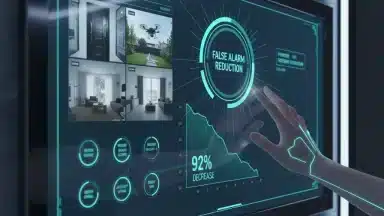
One of the most significant contributions of camera-sensor integration to the 15% false alarm reduction goal is visual verification. When a sensor triggers an alert, the system can automatically pull up live camera feeds related to that sensor’s location. This allows homeowners or monitoring services to quickly assess the situation visually, confirming whether an alert is legitimate or a false positive before dispatching emergency services. This significantly streamlines the response process and reduces wasted resources.
Implementing Smart Sensors for Enhanced Smart Home Safety in 2026
For homeowners looking to upgrade their smart home safety systems, the process involves several key considerations:
Choosing the Right Ecosystem
The smart home market offers various ecosystems (e.g., Google Home, Amazon Alexa, Apple HomeKit, Zigbee, Z-Wave). It’s crucial to choose a system that supports a wide range of smart sensors and devices, ensuring compatibility and seamless integration. Many providers offer comprehensive smart home safety packages that include a hub and a starter set of sensors.
Strategic Sensor Placement
Effective smart home safety relies on strategic placement of sensors. Motion sensors should cover entry points and high-traffic areas. Door and window sensors should be on all accessible openings. Environmental sensors should be placed near water sources, in utility rooms, and in areas prone to temperature fluctuations. A professional security assessment can often help optimize placement for maximum coverage and efficiency.
Professional Installation vs. DIY
Many modern smart home safety systems are designed for easy DIY installation. However, for complex setups or larger homes, professional installation can ensure optimal performance, proper configuration, and integration with existing systems. Professionals can also provide valuable insights into potential vulnerabilities that might be overlooked by a homeowner.
Monitoring Services
While self-monitoring is an option, professional monitoring services add an extra layer of smart home safety. These services respond to alerts, verify incidents, and dispatch emergency services if necessary, providing round-the-clock protection and peace of mind.
The Future of Smart Home Safety: Beyond 2026
As technology continues to advance, the capabilities of smart home safety systems will only grow. We can anticipate even more sophisticated sensor technologies and AI integrations:
- Predictive Maintenance: Sensors could monitor the health of appliances and infrastructure, alerting homeowners to potential failures before they occur, preventing costly damage and enhancing overall smart home safety.
- Biometric Sensors: Beyond facial recognition, future systems might incorporate fingerprint or gait analysis for even more secure access control and personalized home experiences.
- Drone Integration: For larger properties, autonomous drones equipped with cameras and sensors could perform perimeter patrols, providing an aerial perspective and rapid response to alerts.
- Hyper-Personalized Security: AI will continue to learn and adapt to individual household needs, offering highly customized security protocols that respond to specific routines, preferences, and even the presence of pets.
- Enhanced Cybersecurity: As more devices connect, the importance of robust cybersecurity for smart home safety systems will intensify. Manufacturers will focus on end-to-end encryption, secure authentication, and regular software updates to protect against cyber threats.
The continuous evolution of smart sensors and their integration with powerful AI promises a future where our homes are not just protected, but intelligently aware, adaptable, and truly safe. The journey towards a 15% reduction in false alarms is just one step on this exciting path.
Challenges and Considerations for Smart Home Safety
While the benefits of smart home safety are undeniable, there are also challenges and considerations that homeowners should be aware of:
Privacy Concerns
The collection of data by numerous sensors and cameras naturally raises privacy concerns. Homeowners must carefully review the privacy policies of their chosen smart home safety providers and understand how their data is collected, stored, and used. Opting for systems with local processing capabilities and robust encryption can help mitigate these concerns.
Cybersecurity Risks
Any internet-connected device is potentially vulnerable to cyberattacks. It’s crucial to use strong, unique passwords for all smart home safety devices, enable two-factor authentication whenever possible, and keep software and firmware updated to patch any security vulnerabilities. Choosing reputable brands with a strong commitment to cybersecurity is paramount.
Power Reliability
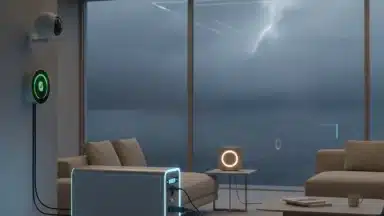
Most smart sensors require power, either through batteries or direct wiring. Battery-powered sensors need regular checks and replacements. For critical smart home safety components, a reliable backup power source (like a UPS for the hub) is essential to ensure continuous operation during power outages.
Cost of Implementation
While entry-level smart home safety systems are increasingly affordable, comprehensive setups with numerous sensors, professional installation, and monitoring services can represent a significant investment. Homeowners should budget accordingly and consider the long-term value and peace of mind that enhanced security provides.
Complexity of Setup and Maintenance
While many DIY systems aim for simplicity, managing a complex array of sensors, rules, and integrations can be challenging for some users. Regular maintenance, such as cleaning sensors, checking battery levels, and updating software, is necessary to ensure optimal performance and continued smart home safety.
Conclusion: The Intelligent Guardian of Your Home
The vision for smart home safety in 2026 is clear: a future where our homes are protected not just by watchful eyes, but by intelligent, interconnected senses. The integration of diverse smart sensors, powered by advanced AI and machine learning, is transforming home security from a reactive measure into a proactive, predictive shield. This evolution is not merely about adding more gadgets; it’s about creating a smarter, more responsive living environment that understands our routines, anticipates threats, and acts decisively to ensure our safety and well-being.
By moving beyond the limitations of camera-only surveillance and embracing a comprehensive sensor-based approach, we are on track to achieve significant reductions in false alarms, enhance response times, and provide homeowners with an unparalleled level of peace of mind. The smart home is no longer just about convenience; it’s about creating an intelligent guardian that tirelessly watches over what matters most. As we continue to innovate, the boundaries of smart home safety will expand, offering even more sophisticated and seamless protection for the homes of tomorrow.