The smart home market is a dynamic and rapidly evolving landscape, constantly introducing innovative devices that promise to simplify our lives and enhance our living spaces. As we look ahead to Q2 2026, understanding the underlying trends and performance indicators from Q1 2026 becomes crucial for both consumers looking for the best deals and businesses strategizing their next moves. This comprehensive analysis delves into the past quarter’s smart home sales data to project what we can anticipate in the upcoming quarter, focusing on key product categories, emerging technologies, and strategic buying opportunities. Our goal is to provide a clear roadmap for navigating the ever-expanding world of smart home technology, ensuring you are well-equipped to make informed decisions.
The first quarter of any year often sets the tone for the subsequent quarters, reflecting post-holiday spending habits, new product launches, and evolving consumer preferences. For smart home sales, Q1 2026 was no exception, revealing significant shifts and continuities that will undoubtedly influence Q2. We’ll explore which product categories experienced surges, which ones saw a plateau, and what these patterns suggest for the broader market. From smart lighting and security systems to energy management and entertainment devices, every segment contributes to the overall picture. By dissecting these trends, we can better predict where the next wave of innovation and, more importantly, the most attractive deals will emerge.
Beyond mere sales figures, we’ll also consider the macroeconomic factors, supply chain dynamics, and competitive landscape that shape the smart home industry. These external forces often play a significant role in pricing, availability, and the timing of promotional events. Understanding these elements is key to anticipating when and where the best smart home sales will occur. Whether you’re a seasoned smart home enthusiast or a newcomer eager to automate your living space, this article will serve as your essential guide to the smart home market in Q2 2026, building upon the foundations laid in Q1.
Understanding Q1 2026 Smart Home Sales Performance
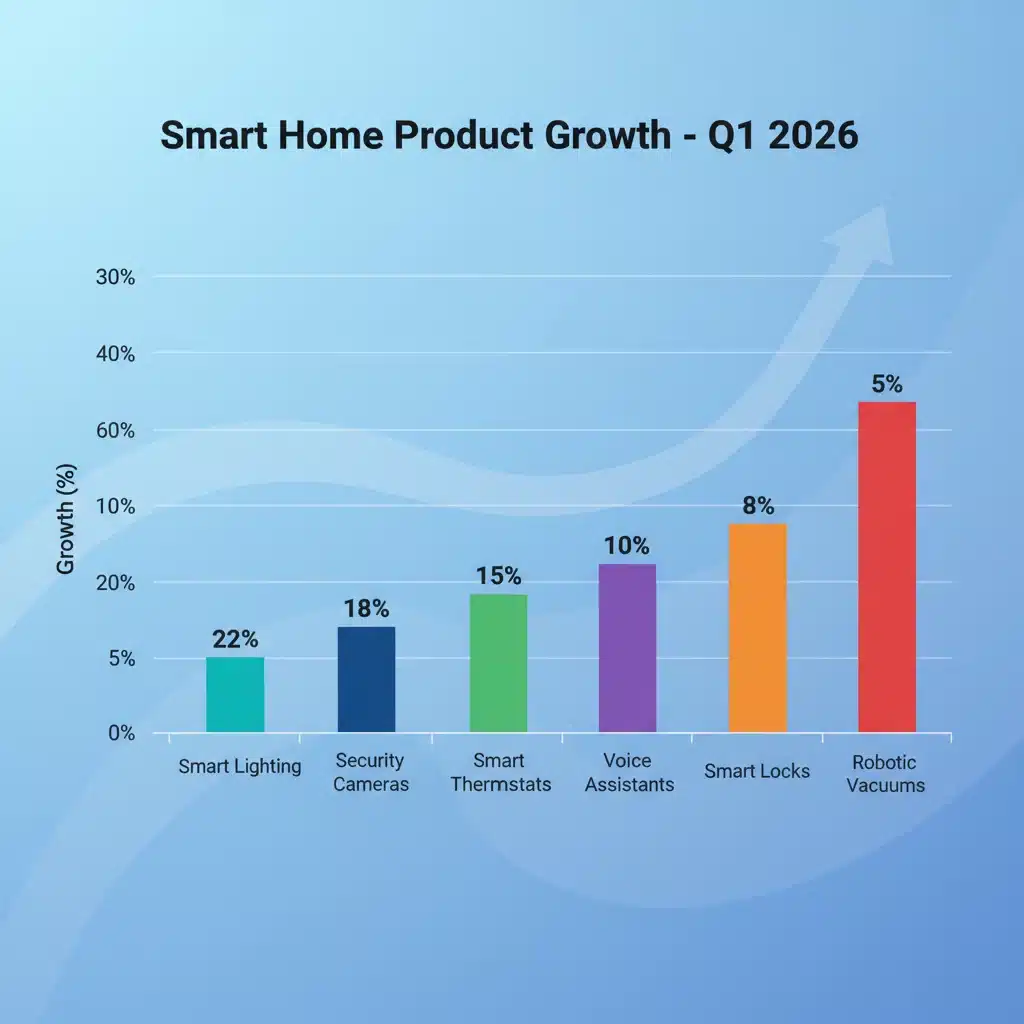
The first quarter of 2026 provided a fascinating glimpse into the current state and future direction of the smart home market. Initial reports indicate robust growth in several key areas, driven by increasing consumer awareness, technological advancements, and a growing desire for interconnected living spaces. Smart home sales during this period were particularly influenced by continued interest in energy efficiency solutions and enhanced home security. Consumers are increasingly valuing devices that not only offer convenience but also provide tangible benefits like cost savings and peace of mind.
Key Growth Drivers in Q1 2026
- Energy Management Systems: Smart thermostats, smart plugs, and intelligent lighting solutions saw significant uptake. With rising energy costs and a global push towards sustainability, consumers are investing in devices that help them monitor and reduce their energy consumption. The ability to control heating, cooling, and lighting remotely or through automated schedules proved to be a major selling point.
- Home Security Devices: Smart doorbells, security cameras (both indoor and outdoor), and smart locks continued their strong performance. The integration of AI for facial recognition, package detection, and enhanced motion sensing has made these devices more sophisticated and appealing. The desire for a secure home environment remains a primary motivator for many smart home adopters.
- Smart Entertainment & Speakers: While perhaps not seeing the explosive growth of security or energy devices, smart speakers and streaming devices maintained a steady presence in smart home sales. The convenience of voice control for music, news, and controlling other smart devices ensures their continued relevance.
- Health & Wellness Monitors: An emerging category, smart air quality monitors, sleep trackers integrated into smart beds, and smart scales that connect to broader health ecosystems started to gain traction. As health becomes a more prominent concern, the integration of technology into personal well-being is a natural progression.
Geographically, certain regions demonstrated higher adoption rates, often correlated with higher disposable incomes and greater access to high-speed internet infrastructure. Urban areas, in particular, showed a strong inclination towards smart home technology, reflecting a lifestyle that values efficiency and convenience. The competitive landscape also played a role, with established tech giants continuing to dominate, but smaller, innovative startups carving out niches with specialized products.
One notable trend in Q1 2026 was the increasing importance of ecosystem compatibility. Consumers are moving away from isolated smart devices towards integrated systems where different products from various brands can communicate seamlessly. This demand for interoperability is pushing manufacturers to adopt open standards and collaborate more, which ultimately benefits the end-user by offering greater flexibility and functionality.
Overall, Q1 2026 laid a solid foundation for continued expansion in the smart home market. The sales data underscores a clear consumer preference for practical, problem-solving smart devices that offer tangible value. These insights are invaluable as we transition our focus to the predictions for Q2 2026 and the smart home sales opportunities it presents.
Predicting Smart Home Sales Trends for Q2 2026
Building on the momentum and insights from Q1 2026, we can make informed predictions about the smart home sales trends that will define Q2 2026. This quarter is traditionally influenced by seasonal factors, mid-year promotions, and the continued evolution of consumer demands. Our analysis suggests several key areas will see significant activity and potential for attractive deals.
Expected Hot Product Categories in Q2 2026
- Outdoor Smart Devices: As warmer weather approaches in many regions, interest in outdoor smart home products is expected to surge. This includes smart irrigation systems, outdoor security cameras, smart lighting for patios and gardens, and even robotic lawnmowers. Consumers will be looking to extend their smart home ecosystem beyond the four walls of their house.
- DIY Smart Security Systems: The trend towards self-installed and subscription-free smart security solutions is likely to continue. Affordability and ease of installation will drive smart home sales in this category, appealing to a broader demographic. Expect competitive pricing on bundles that include cameras, motion sensors, and smart alarms.
- Advanced Smart Lighting: Beyond basic on/off functionality, smart lighting systems offering advanced features like adaptive lighting (adjusting color temperature throughout the day), intricate scene creation, and even integration with health monitoring (e.g., wake-up light alarms) will gain prominence. Brands will push these higher-margin products with innovative marketing.
- Smart Appliances with AI Integration: While a more premium segment, smart refrigerators, ovens, and washing machines with enhanced AI capabilities (e.g., predictive maintenance, recipe suggestions based on inventory) are expected to see a gradual increase in smart home sales, particularly during promotional periods.
Seasonal sales events, such as mid-year clearances or early summer promotions, will be critical drivers for smart home sales in Q2 2026. Retailers will be keen to clear out older inventory to make way for new models typically launched in late Q2 or Q3. This creates a prime opportunity for consumers to snag deals on slightly older but still highly capable devices. We anticipate aggressive pricing strategies around major holiday weekends within Q2.
Furthermore, the push for greater interoperability, highlighted in Q1, will intensify. Products that seamlessly integrate with popular smart home ecosystems like Amazon Alexa, Google Home, and Apple HomeKit will likely outperform those tied to proprietary systems. Consumers are increasingly looking for flexibility and future-proofing their smart home investments.
Expired Deals You Missed: A Look Back at Q1 2026 Sales
While we focus on future predictions, understanding the expired deals from Q1 2026 offers valuable context. These past promotions often serve as benchmarks for future pricing and indicate which products are ripe for discounts. For those who missed out, it’s not just a reminder of what could have been, but a strategic insight into what might return or be surpassed in Q2.
Common Q1 2026 Discounted Products:
- Starter Kits: Many retailers offered significant discounts on smart home starter kits, particularly those for security or lighting. These bundles, designed to onboard new users, are frequently discounted to attract first-time buyers.
- Previous Generation Devices: With new models often announced at the beginning of the year, older generations of popular devices (e.g., smart speakers, security cameras) saw substantial price drops. These are often excellent value propositions for consumers who don’t necessarily need the absolute latest features.
- Subscription Service Bundles: Some smart home device sales in Q1 were tied to subscriptions for cloud storage or premium features. While the upfront cost of the device might have been low, the long-term commitment to a service was the real play for manufacturers.
- Specific Brand Promotions: Major brands often run their own sales events. In Q1 2026, we observed specific brands offering 20-30% off across their product lines to boost smart home sales post-holiday season.
The lesson from Q1’s expired deals is clear: patience and strategic timing are paramount. Many of the discounted items were not necessarily ‘old’ or ‘outdated’ but rather part of a regular product lifecycle or a strategy to drive market penetration. Consumers who closely monitored smart home sales were able to capitalize on these opportunities, acquiring high-quality devices at reduced prices.
For Q2 2026, expect similar patterns. Keep an eye on end-of-quarter sales, particularly towards the end of June, as retailers prepare for the next wave of product releases and major summer sales events. Setting price alerts for desired smart home products can be an effective way to ensure you don’t miss out on upcoming deals that mirror or improve upon Q1’s offerings.
Strategic Buying Guide for Smart Home Sales in Q2 2026
Navigating the smart home market can be overwhelming, but with a strategic approach, you can maximize your savings and acquire the best devices for your needs during Q2 2026. This guide offers actionable advice to help you make smart purchasing decisions amidst the upcoming smart home sales.
Tips for Smart Home Shopping:
- Define Your Needs First: Before you even look at deals, identify what problems you want to solve or what conveniences you desire. Do you need better security, energy savings, or just more convenience? This will narrow down your search and prevent impulse buys on items you don’t truly need.
- Research Ecosystem Compatibility: As emphasized, interoperability is key. Choose devices that work well together and ideally integrate with a central hub or voice assistant you already use or plan to use. Check for ‘Works with Alexa,’ ‘Google Assistant compatible,’ or ‘HomeKit enabled’ labels.
- Set Price Alerts: Many online retailers and price tracking websites allow you to set alerts for specific products. When the price drops to your desired level, you’ll be notified immediately, giving you an edge during flash smart home sales.
- Read Reviews and Watch Comparisons: Don’t just rely on advertised features. Independent reviews and comparative videos offer real-world insights into a device’s performance, reliability, and ease of use. Pay attention to user reviews regarding app functionality and customer support.
- Consider Refurbished or Open-Box Deals: Reputable retailers often sell refurbished or open-box smart home devices at significant discounts. These items typically come with a warranty and are thoroughly tested, offering a cost-effective way to get premium tech.
- Bundle Deals vs. Individual Purchases: Sometimes, buying a bundle of devices (e.g., a smart hub with a few sensors) offers better value than purchasing each item separately. However, always calculate the per-item cost to ensure it’s a genuine saving.
- Understand Subscription Models: Be aware of any ongoing subscription costs associated with smart home devices, especially for security cameras (cloud storage) or advanced features. Factor these into the total cost of ownership.
- Check Return Policies: Smart home technology can sometimes be tricky to set up or integrate. Ensure the retailer has a flexible return policy in case the device doesn’t meet your expectations or isn’t compatible with your existing setup.
By following these strategic buying tips, you can transform your approach to smart home sales in Q2 2026 from reactive to proactive. This allows you to not only save money but also build a cohesive and functional smart home system that truly enhances your daily life. Remember, the best deal isn’t always the lowest price; it’s the right product at the right price that fulfills your specific needs.
Emerging Technologies and Their Impact on Q2 2026 Smart Home Sales
The smart home market is constantly innovating, and new technologies frequently emerge, influencing both product development and smart home sales. For Q2 2026, several emerging tech trends are expected to play a more significant role, shaping consumer expectations and product offerings. Keeping an eye on these innovations can help consumers anticipate future functionalities and potential game-changers.
Key Emerging Technologies:
- Matter Standard Adoption: The Matter interoperability standard gained significant traction in Q1 2026, and its widespread adoption is expected to accelerate in Q2. This standard aims to simplify setup, improve compatibility, and enhance security across different smart home ecosystems. Devices certified with Matter will likely see increased consumer preference due to their promise of seamless integration, potentially boosting their smart home sales.
- Edge AI Processing: More smart home devices are incorporating Edge AI, meaning artificial intelligence processing happens directly on the device rather than in the cloud. This offers benefits like faster response times, enhanced privacy (data doesn’t leave your home network), and improved reliability. Expect to see more security cameras, smart speakers, and sensors advertising on-device AI capabilities.
- Enhanced Biometric Security: Beyond traditional fingerprint or facial recognition, advanced biometric solutions like gait analysis or even heartbeat authentication are slowly making their way into high-end smart locks and security systems. While still niche, these innovations point towards a future of ultra-secure smart homes.
- Sustainable Smart Home Solutions: The focus on environmental sustainability will drive demand for smart home devices that actively reduce carbon footprint. This includes advanced energy monitoring systems, smart water leak detectors that prevent waste, and devices made from recycled materials. Brands emphasizing their eco-friendly credentials may see a boost in smart home sales.
- Ambient Computing: This concept involves technology seamlessly integrating into our environment, responding intuitively to our needs without explicit commands. While still largely futuristic, early elements like proactive voice assistants and context-aware sensors are becoming more common, subtly influencing how new smart home products are designed and marketed.
These emerging technologies are not just buzzwords; they represent the next frontier for the smart home. As they mature and become more accessible, they will undoubtedly impact smart home sales by offering new levels of convenience, security, and efficiency. Consumers should pay attention to products that incorporate these advancements, as they often represent a better long-term investment and a more future-proof smart home setup.
The Role of Ecosystems and Interoperability in Smart Home Sales
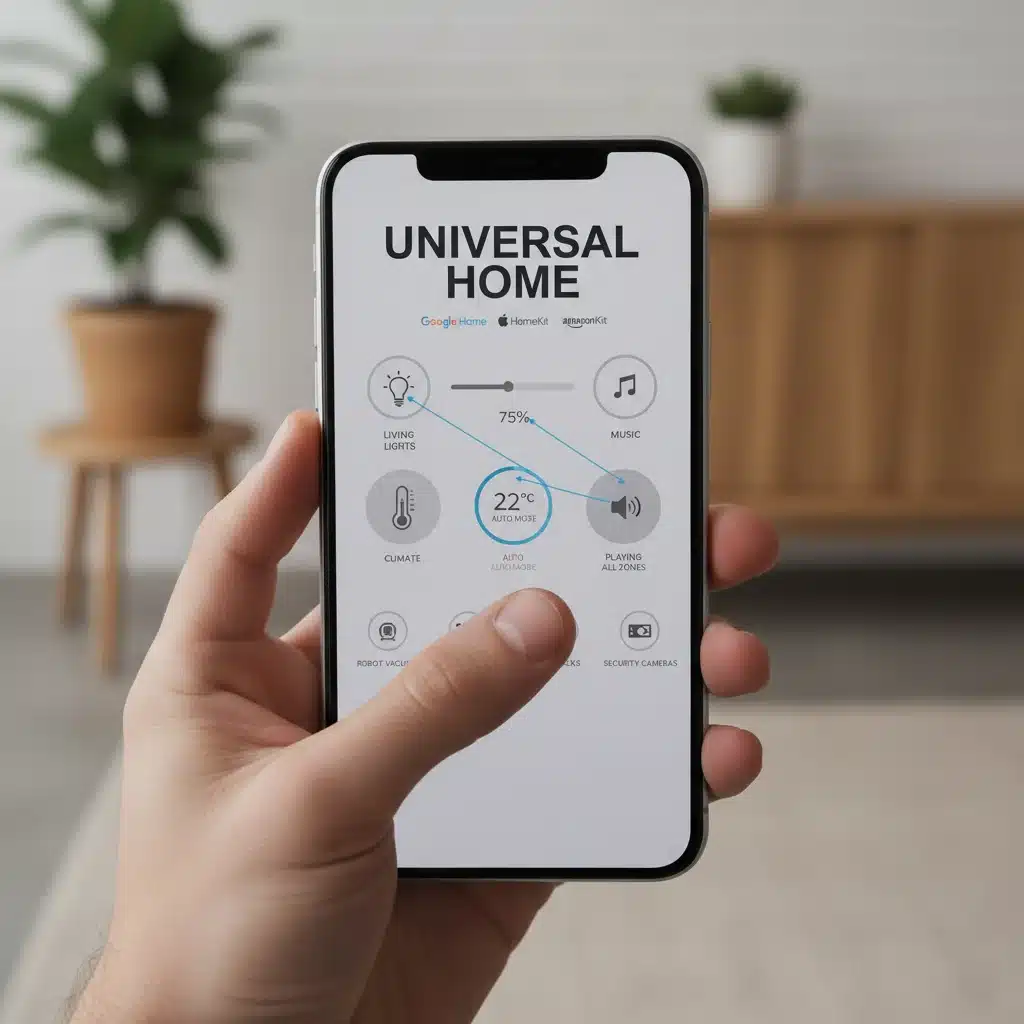
The success of smart home sales in Q2 2026, much like Q1, will heavily depend on how well devices integrate into existing ecosystems. The days of standalone smart gadgets are largely over; consumers now expect their devices to communicate and cooperate seamlessly. This push for interoperability is a critical factor influencing purchasing decisions and market trends.
Dominant Smart Home Ecosystems:
- Amazon Alexa: With a vast array of compatible devices and a strong presence in smart speakers, Alexa continues to be a dominant force. Its ease of use and extensive third-party integrations make it a popular choice for many smart home users.
- Google Home/Assistant: Google’s ecosystem offers deep integration with its services and a robust platform for controlling various smart devices. Its focus on AI and machine learning provides a powerful, intelligent home experience.
- Apple HomeKit: Known for its strong emphasis on privacy and security, HomeKit appeals to Apple users seeking a tightly integrated and secure smart home experience. While its device compatibility might be narrower, the quality and reliability are often a draw.
- Samsung SmartThings: Offering a broad range of compatible devices and a flexible hub-based system, SmartThings caters to users who desire extensive control and automation capabilities across many different brands.
The introduction and growing adoption of the Matter standard are poised to revolutionize smart home interoperability. Matter-certified devices are designed to work across all major ecosystems, reducing consumer confusion and increasing the likelihood of purchases. As more devices become Matter-compliant in Q2 2026, we can expect a positive impact on overall smart home sales, as the barrier to entry for new users decreases significantly.
For consumers, this means less worry about whether a new device will work with their existing setup. For manufacturers, it means a broader potential customer base. Retailers will likely highlight Matter compatibility as a key selling point during Q2 smart home sales events. This shift towards a more unified smart home experience is a win-win for everyone involved, fostering innovation and making smart home technology more accessible.
When planning your smart home purchases in Q2 2026, always prioritize devices that clearly state their compatibility with your chosen ecosystem or, even better, those that are Matter-certified. This strategic choice will ensure a smoother setup process, more reliable performance, and a truly interconnected smart home experience.
Looking Beyond Q2 2026: Long-Term Smart Home Market Outlook
While our primary focus is on Q2 2026 smart home sales, it’s beneficial to consider the longer-term trajectory of the smart home market. The trends observed in Q1 and projected for Q2 are not isolated events but rather stepping stones in a continuous evolution. The smart home industry is still relatively young, and its growth potential remains immense.
Future Trends to Watch:
- Increased AI and Machine Learning Integration: Expect smart homes to become even more intelligent and predictive, anticipating needs rather than just responding to commands. AI will personalize experiences, optimize energy usage, and enhance security autonomously.
- Greater Emphasis on Privacy and Security: As smart homes become more pervasive, concerns about data privacy and cybersecurity will grow. Manufacturers will need to prioritize robust security features and transparent data handling policies to maintain consumer trust.
- Subscription-Based Services Expansion: Beyond cloud storage for cameras, more smart home functionalities might transition to subscription models, offering premium features, advanced analytics, or proactive maintenance services.
- Elderly Care and Accessibility: Smart home technology will play an increasingly vital role in assisting the elderly and individuals with disabilities, providing monitoring, communication, and automation features that enhance independence and safety.
- Sustainable and Eco-Friendly Solutions: The demand for smart devices that actively contribute to a greener lifestyle will continue to rise, pushing manufacturers to innovate in energy efficiency, resource management, and sustainable materials.
The smart home market is on a path towards greater sophistication, integration, and user-centric design. The smart home sales performance in Q2 2026 will undoubtedly contribute to this broader narrative, providing further data points on consumer acceptance of new technologies and pricing strategies. For both consumers and industry stakeholders, staying abreast of these long-term trends is crucial for making informed decisions and capitalizing on future opportunities.
The continued growth of smart home sales is not just about technology; it’s about lifestyle. As these devices become more intuitive, affordable, and seamlessly integrated, they will transform how we live, work, and interact with our environments. The insights from Q1 and Q2 2026 are merely chapters in this ongoing story, offering valuable lessons and exciting prospects for what’s to come.
Conclusion: Preparing for a Smart Q2 2026
The analysis of Q1 2026 smart home sales trends provides a clear and optimistic outlook for Q2 2026. We anticipate a vibrant market characterized by continued innovation, competitive pricing, and a strong focus on interoperability. Key categories like outdoor smart devices, DIY security, and advanced lighting are expected to lead smart home sales, while the widespread adoption of the Matter standard will simplify the smart home experience for many.
For consumers, Q2 2026 represents an excellent opportunity to expand or initiate their smart home journey. By understanding past sales patterns, anticipating future trends, and employing strategic buying tips, you can navigate the market effectively and secure the best deals. Remember to prioritize your needs, research compatibility, and leverage tools like price alerts to make the most of upcoming smart home sales events.
For businesses within the smart home sector, Q2 will be a critical period for adjusting strategies based on Q1 performance. Focusing on ecosystem compatibility, emphasizing sustainable solutions, and innovating with emerging technologies like Edge AI will be crucial for maintaining a competitive edge. The market demands products that offer both convenience and tangible value, whether it’s through energy savings, enhanced security, or improved quality of life.
In essence, the smart home revolution is not slowing down. It’s evolving, becoming smarter, more interconnected, and more accessible. By staying informed and strategic, both consumers and industry players can thrive in the exciting landscape of smart home sales in Q2 2026 and beyond. The future of intelligent living is here, and Q2 is set to be a significant chapter in its ongoing development.