Smart Home Vulnerabilities: 2025 Cyber Threat Protection Guide

Understanding and mitigating smart home vulnerabilities is crucial for safeguarding your network from evolving cyber threats in 2025, ensuring data privacy and device integrity.
As our homes become increasingly connected, the convenience of smart technology brings with it an undeniable increase in potential risks. Navigating the landscape of smart home vulnerabilities in 2025 demands a proactive approach to cybersecurity, ensuring your digital sanctuary remains safe from evolving cyber threats.
The Evolving Landscape of Smart Home Threats
The rapid adoption of smart home devices has transformed daily living, offering unprecedented convenience and control. However, this interconnected ecosystem also presents a fertile ground for cyber attackers. Understanding the current threat landscape is the first step in effective protection.
In 2025, cybercriminals are more sophisticated, targeting not just individual devices but the entire network infrastructure. From compromised smart assistants to vulnerable security cameras, each device can be an entry point. The sheer volume of data generated by smart homes makes them attractive targets for data harvesting and identity theft.
Common Attack Vectors in Smart Homes
Attackers exploit various weaknesses to gain unauthorized access to smart home networks. These vectors often leverage unpatched software, weak authentication, or unsecured network configurations.
- Weak Passwords and Default Credentials: Many users fail to change default passwords, leaving devices wide open.
- Outdated Firmware: Manufacturers regularly release updates to patch security flaws, but many users neglect to install them.
- Insecure Network Protocols: Some older smart devices may use less secure communication protocols, making data interception easier.
- Phishing and Social Engineering: Attackers trick users into revealing sensitive information or installing malicious software.
The interconnected nature means a compromise on one device can potentially expose the entire network. This ripple effect underscores the importance of a holistic security strategy for your smart home.
Securing Your Smart Home Network Foundation
Your home network is the backbone of your smart home ecosystem. A strong foundation is critical to protecting against smart home vulnerabilities. This involves more than just setting up a Wi-Fi password; it requires thoughtful configuration and ongoing vigilance.
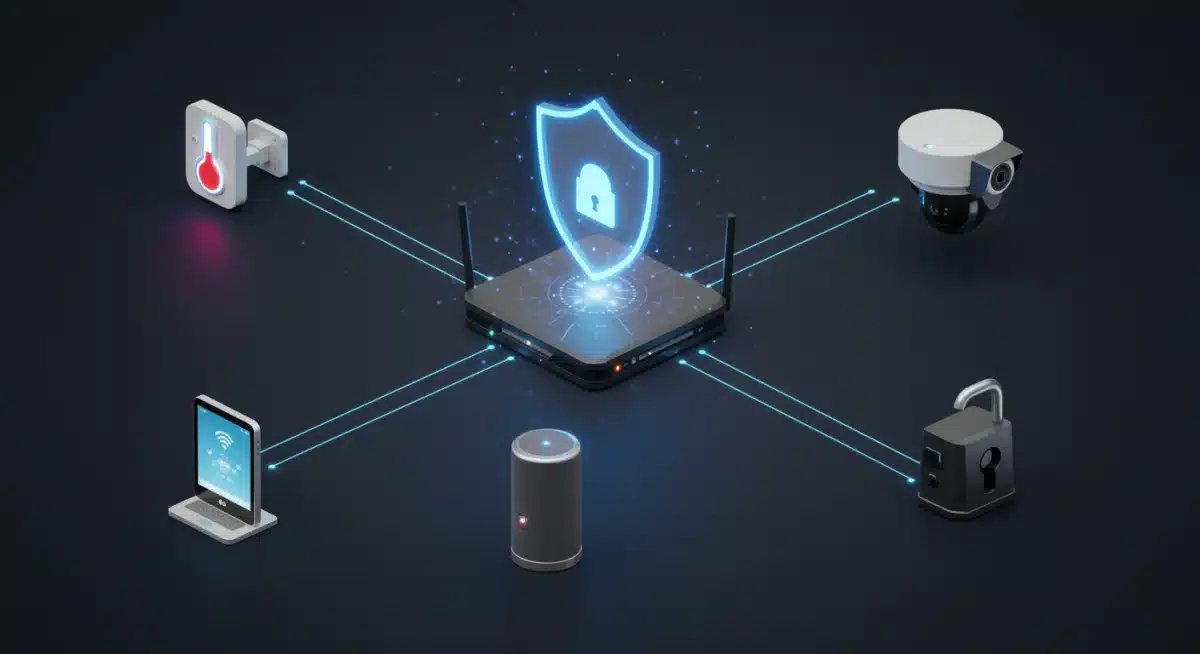
Many smart devices rely on Wi-Fi to communicate, making the router the central point of defense. Ensuring your router is secure, updated, and properly configured can significantly reduce the risk of unauthorized access to your devices and data.
Router Security Best Practices
The router is often the weakest link if not properly secured. Implementing these practices can dramatically enhance your network’s resilience.
- Change Default Credentials: Always change the default username and password for your router.
- Enable WPA3 Encryption: Use the strongest available encryption protocol for your Wi-Fi network.
- Create a Guest Network: Isolate smart devices and guest devices on a separate network to prevent them from accessing your main network.
- Disable UPnP: Universal Plug and Play can create security holes; disable it if not absolutely necessary.
Regularly checking your router’s settings and updating its firmware are non-negotiable steps. These actions help close potential backdoors that cybercriminals might exploit to gain entry into your smart home.
Device-Level Security: Beyond the Network
While network security is paramount, individual smart devices also require specific attention. Each device, from a smart light bulb to a sophisticated security camera, can harbor its own set of smart home vulnerabilities. Addressing these at the device level is crucial for comprehensive protection.
Many smart devices are designed for ease of use, sometimes at the expense of robust security features. Users must actively seek out and implement security measures specific to each device to prevent them from becoming weak points in the overall smart home defense.
Implementing Strong Device Security
Ensuring each device is secure involves a combination of configuration, strong authentication, and regular maintenance.
- Always Change Default Passwords: This cannot be stressed enough. Default passwords are a hacker’s first target.
- Enable Two-Factor Authentication (2FA): Where available, 2FA adds an extra layer of security, requiring a second form of verification.
- Regularly Update Firmware and Software: Manufacturers release updates to fix bugs and security flaws. Automate updates if possible.
- Review App Permissions: Be cautious about the permissions you grant to smart device apps. Only allow what’s necessary.
Understanding the security features of each device and utilizing them fully can significantly reduce the risk of a breach. Prioritize devices that handle sensitive data, like security cameras and smart locks, for the highest level of scrutiny.
Privacy Concerns and Data Management
Beyond direct cyberattacks, smart home devices raise significant privacy concerns. Many devices collect vast amounts of data about your habits, routines, and even conversations. Understanding how this data is collected, stored, and used is essential for managing your digital footprint and protecting against smart home vulnerabilities related to privacy.
The convenience of smart home technology often comes with a trade-off in privacy. Companies collect data to improve services, but this data can also be vulnerable to breaches or misused. Being informed and proactive about your data is key to maintaining control.
Managing Your Smart Home Data
Taking control of your data involves actively managing settings and understanding privacy policies.
- Read Privacy Policies: Understand what data your devices collect and how it’s used.
- Adjust Privacy Settings: Configure devices to collect the minimum amount of data necessary.
- Limit Data Sharing: Be selective about opting into programs that share your data with third parties.
- Regularly Delete Data: Some platforms allow you to review and delete stored data; make use of this feature.
Consciously managing your data and privacy settings helps mitigate potential privacy-related smart home vulnerabilities. It ensures that your personal information remains protected and isn’t inadvertently exposed to risks.
Implementing Advanced Security Measures
For those seeking an even greater level of protection against smart home vulnerabilities, advanced security measures can provide enhanced defense. These measures often go beyond basic configurations and involve specialized tools and practices to create a more resilient smart home ecosystem.
As cyber threats evolve, so too must our defenses. Advanced security measures are not just for tech enthusiasts; they are becoming increasingly relevant for anyone serious about safeguarding their smart home against sophisticated attacks.
Tools and Techniques for Enhanced Protection
These advanced strategies can provide significant improvements to your smart home’s security posture.
- Network Segmentation: Create separate network segments for smart devices, guest devices, and your main computers/phones. This isolates potential breaches.
- Intrusion Detection/Prevention Systems (IDS/IPS): These systems monitor network traffic for suspicious activity and can block known threats.
- VPN for Remote Access: If you access your smart home devices remotely, use a Virtual Private Network (VPN) for a secure, encrypted connection.
- Regular Security Audits: Periodically review your smart home setup for new vulnerabilities or misconfigurations.
Adopting these advanced measures can significantly reduce the attack surface and provide a robust defense against emerging smart home vulnerabilities, offering peace of mind in an increasingly connected world.
Staying Informed and Future-Proofing Your Smart Home
The world of smart home technology and cybersecurity is constantly evolving. What is secure today might be vulnerable tomorrow. Therefore, staying informed about the latest threats, security updates, and best practices is crucial for long-term protection against smart home vulnerabilities.
Future-proofing your smart home involves not just reacting to threats but anticipating them. This proactive mindset ensures that your smart home remains a safe and functional environment for years to come, adapting to new challenges as they arise.
Continuous Learning and Adaptation
Maintaining a secure smart home is an ongoing process that requires continuous engagement and adaptation.
- Follow Reputable Cybersecurity News: Stay updated on the latest threats and security advisories.
- Engage with Manufacturer Communities: Participate in forums to learn about device-specific issues and solutions.
- Understand IoT Security Standards: Familiarize yourself with emerging security standards for smart devices.
- Regularly Review Your Setup: Periodically reassess your smart home’s security posture and make necessary adjustments.
By committing to continuous learning and adaptation, you can effectively future-proof your smart home against emerging smart home vulnerabilities and ensure its long-term security and functionality.
| Key Protection Area | Brief Description |
|---|---|
| Network Security | Secure your Wi-Fi router with strong passwords, WPA3, and guest networks. |
| Device Security | Change default passwords, enable 2FA, and keep device firmware updated. |
| Privacy Management | Review privacy policies, adjust settings, and limit data sharing for all devices. |
| Continuous Vigilance | Stay informed on threats, perform security audits, and adapt to new technologies. |
Frequently Asked Questions About Smart Home Security
In 2025, common vulnerabilities include weak default passwords, unpatched firmware on devices, insecure network configurations, and phishing attacks targeting user accounts. These can all lead to unauthorized access and data breaches.
To secure your Wi-Fi network, change your router’s default credentials, use WPA3 encryption, create a separate guest network for smart devices, and disable Universal Plug and Play (UPnP) to prevent unauthorized port forwarding.
Yes, 2FA is highly recommended for smart home devices, especially those controlling access or sensitive data. It adds an essential layer of security, requiring a second verification method beyond just your password, significantly reducing unauthorized access risk.
You should update device firmware as soon as manufacturers release new versions. These updates often contain critical security patches that address newly discovered vulnerabilities, protecting your devices from evolving cyber threats. Automate updates if possible.
A VPN can enhance smart home security, particularly when accessing your devices remotely. It encrypts your internet connection, making it much harder for cybercriminals to intercept your data or gain unauthorized access to your home network from outside.
Conclusion
Protecting your smart home from the ever-present threat of cyberattacks in 2025 is an ongoing commitment, not a one-time task. By understanding and proactively addressing smart home vulnerabilities, from securing your network foundation to implementing device-level safeguards and managing your data privacy, you can significantly reduce your risk. Staying informed, continually updating your systems, and adopting advanced security measures will ensure your connected living space remains both convenient and secure for the foreseeable future.