Smart Home Health & Wellness: Top 3 Trends for 2025
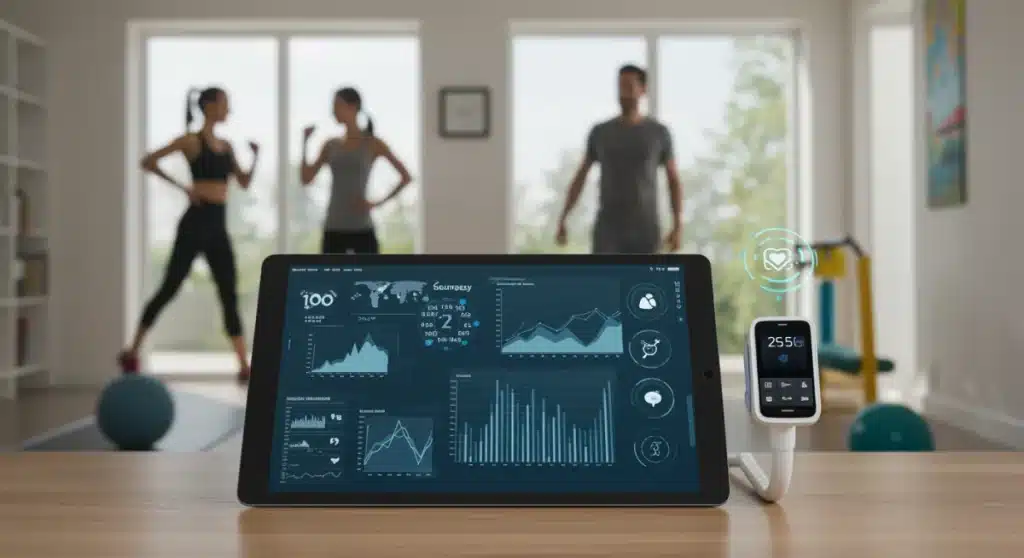
Smart home health integration is rapidly transforming American households, bringing advanced wellness monitoring and proactive care solutions by exploring the top three innovative trends shaping the future of healthy living at home.
The landscape of American homes is rapidly evolving, with technology seamlessly weaving into our daily lives. At the forefront of this transformation is smart home health integration, a burgeoning field that promises to redefine how we approach personal well-being. Over the last three months, several innovative trends have emerged, setting the stage for significant impacts on health and wellness in 2025.
The rise of AI-powered proactive health monitoring
Proactive health monitoring, once a concept confined to science fiction, is now a tangible reality within smart homes. Artificial intelligence (AI) is at the heart of this revolution, enabling devices to not just collect data but to interpret it, identify patterns, and even predict potential health issues before they become critical. This shift from reactive to proactive care is poised to significantly empower individuals in managing their health.
AI-driven sensors, often imperceptible, are becoming standard fixtures in homes. These devices quietly gather information on vital signs, sleep quality, and even subtle changes in gait or behavior. The data is then analyzed by sophisticated algorithms, providing personalized insights and alerts.
Personalized health insights and early detection
- Predictive analytics: AI algorithms can analyze historical health data and current biometric readings to forecast potential health risks, such as cardiovascular events or respiratory issues.
- Behavioral pattern recognition: Smart systems learn daily routines and flag deviations that might indicate a health concern, like unusual sleep patterns or prolonged inactivity.
- Customized wellness recommendations: Based on collected data, AI can suggest personalized exercise routines, dietary adjustments, or stress-reduction techniques.
The ability of these systems to learn and adapt makes them incredibly powerful. They move beyond simple data logging to become intelligent health companions, offering guidance that is tailored to each individual’s unique needs. This level of personalization ensures that health advice is not generic but deeply relevant and actionable.
Seamless integration with daily life
The beauty of AI-powered monitoring lies in its non-intrusive nature. Devices are designed to blend into the home environment, requiring minimal user interaction. This seamless integration ensures continuous data collection without disrupting daily routines, making health management effortless.
In conclusion, AI-powered proactive health monitoring is transforming the smart home into a vigilant health guardian. By offering personalized insights and early detection capabilities, this trend is setting a new standard for home-based wellness, making health management more intuitive and effective for American families.
Environmental wellness: smart air and light systems
The quality of our indoor environment plays a crucial role in our overall health and well-being. Recognizing this, smart home developers are increasingly focusing on environmental wellness, with advanced air purification and dynamic lighting systems leading the charge. These innovations are designed to create healthier, more comfortable living spaces.
Poor indoor air quality, often overlooked, can contribute to allergies, respiratory problems, and even cognitive impairment. Smart air systems address this by continuously monitoring pollutants, allergens, and humidity levels, adjusting ventilation and purification in real-time. Similarly, intelligent lighting adapts to circadian rhythms, promoting better sleep and mood regulation.
Advanced air quality management
Modern smart home health integration includes sophisticated air quality sensors that can detect a wide range of indoor pollutants. These include volatile organic compounds (VOCs), particulate matter (PM2.5), carbon dioxide, and various allergens. Once detected, the system can automatically activate air purifiers, open smart windows for ventilation, or trigger alerts on connected devices.
- Real-time pollutant detection: Sensors provide continuous data on indoor air quality, identifying harmful substances as soon as they appear.
- Automated purification and ventilation: Systems can automatically turn on air purifiers or adjust HVAC settings to maintain optimal air quality.
- Allergen reduction: Smart air filters and purifiers are highly effective at trapping pollen, dust mites, and pet dander, providing relief for allergy sufferers.
These systems not only improve physical health but also contribute to a sense of security, knowing that the air you breathe at home is clean and safe. This is particularly important for individuals with respiratory conditions or young children.
Dynamic circadian lighting
Beyond air quality, smart lighting systems are evolving to support natural human rhythms. Circadian lighting mimics the sun’s natural cycle, adjusting color temperature and brightness throughout the day. This helps regulate melatonin production, leading to improved sleep at night and increased alertness during the day.
The impact of proper lighting on mood and cognitive function cannot be overstated. By aligning indoor lighting with our biological clock, smart homes can enhance productivity, reduce eye strain, and foster a more positive living environment. This proactive approach to environmental control is a cornerstone of advanced smart home health integration, ensuring that every aspect of the home contributes to well-being.
Telehealth and remote care integration
The past few years have accelerated the adoption of telehealth, and smart homes are now becoming central hubs for remote patient care. This trend focuses on integrating medical devices and communication platforms directly into the home environment, making healthcare more accessible and convenient. For many Americans, this means fewer trips to the doctor’s office and more personalized attention.
Smart home health integration is bridging the gap between patients and healthcare providers. Remote monitoring allows doctors to keep a close eye on chronic conditions, while virtual consultations become as simple as speaking to a device in your living room. This is particularly beneficial for elderly individuals or those living in remote areas, who may face challenges in accessing traditional healthcare services.
Connected medical devices and remote monitoring
A new generation of medical devices is designed to seamlessly integrate with smart home platforms. These include smart blood pressure monitors, glucose meters, pulse oximeters, and even ECG devices. Data collected by these devices can be automatically transmitted to healthcare providers, allowing for continuous monitoring and timely intervention.
- Automated data logging: Devices automatically record and transmit vital signs, reducing the burden on patients to manually track their health.
- Emergency alerts: In case of critical readings, the system can automatically alert family members or emergency services.
- Medication management: Smart pill dispensers and reminders ensure patients adhere to their prescribed medication schedules.
This level of remote monitoring not only enhances patient safety but also provides healthcare professionals with a more comprehensive understanding of a patient’s health status in their natural environment. It enables a more proactive and personalized approach to chronic disease management.
Virtual consultations and accessible care
Beyond data collection, smart homes are facilitating virtual consultations. Integrated cameras and microphones, combined with secure communication platforms, allow patients to connect with doctors, therapists, and specialists from the comfort of their homes. This reduces travel time, costs, and exposure to contagious illnesses.
The convenience of virtual care, powered by smart home technology, is democratizing access to healthcare. It removes geographical barriers and makes specialized care more readily available, fostering a more inclusive and efficient healthcare system. This trend in smart home health integration is truly revolutionary, bringing medical expertise directly to the patient’s doorstep.
Nutritional intelligence and smart kitchens
The kitchen, often considered the heart of the home, is transforming into a hub of nutritional intelligence thanks to smart home health integration. This trend focuses on leveraging technology to make healthier eating choices easier and more informed. From smart refrigerators that track food inventory to AI-powered meal planners, the goal is to empower individuals to achieve their dietary goals with minimal effort.
Modern kitchens are becoming increasingly sophisticated, offering tools that go beyond basic cooking. They now integrate with health and wellness platforms, providing personalized nutritional advice and simplifying meal preparation. This is especially valuable for those with specific dietary needs or health-conscious individuals looking to optimize their intake.
Smart appliance integration for healthier eating
Smart refrigerators can now identify contents, track expiration dates, and even suggest recipes based on available ingredients. This reduces food waste and encourages the use of fresh produce. Furthermore, smart ovens and other cooking appliances can follow precise recipes, ensuring meals are cooked perfectly and retain their nutritional value.
- Automated inventory management: Smart fridges track what you have and when it expires, helping you plan meals and grocery lists efficiently.
- Personalized recipe suggestions: Based on dietary preferences, allergies, and available ingredients, smart kitchen hubs can suggest healthy and delicious recipes.
- Nutritional tracking: Integrated scales and apps can help users track macronutrients and micronutrients, ensuring balanced meals.
These advancements make healthy eating more accessible and less daunting. They remove much of the guesswork and planning involved in maintaining a nutritious diet, turning the kitchen into a powerful ally in wellness management.
AI-powered meal planning and dietary coaching
Beyond individual appliances, AI is being used to create comprehensive meal planning systems. These systems can factor in personal health goals, activity levels, and even genetic predispositions to generate tailored meal plans. Some platforms offer virtual dietary coaching, providing real-time feedback and adjustments to help users stay on track.
The integration of nutritional intelligence into smart homes represents a significant step towards holistic health. By making healthy eating an intuitive and supported process, this trend is helping American households adopt sustainable dietary habits, contributing to overall better health outcomes.
Mental well-being through sensory smart environments
Beyond physical health, smart home health integration is increasingly addressing mental well-being. This innovative trend focuses on creating sensory-rich environments that promote relaxation, reduce stress, and enhance cognitive function. By intelligently controlling light, sound, and even scent, smart homes are becoming sanctuaries designed to support emotional and psychological health.
The stresses of modern life can take a toll on mental health. Smart homes offer a unique opportunity to mitigate these pressures by creating personalized calming spaces. These environments can adapt to an individual’s mood or schedule, providing a dynamic backdrop for peace and productivity. This thoughtful approach to home design recognizes the profound connection between our surroundings and our inner state.
Adaptive lighting and soundscapes for mood regulation
Dynamic lighting systems, already discussed for circadian rhythms, also play a crucial role in mood regulation. Warm, dim lights can induce relaxation, while brighter, cooler tones can enhance focus and energy. Smart homes can automate these changes based on time of day, user preference, or even biometric feedback indicating stress levels.
- Personalized mood lighting: Users can select from a range of lighting presets designed to promote relaxation, concentration, or energy.
- Ambient soundscapes: Integration with smart speakers allows for the playback of calming nature sounds, meditative music, or white noise to mask distractions.
- Stress reduction protocols: Systems can initiate a sequence of calming lights and sounds upon detecting elevated stress levels, guiding users through relaxation exercises.
The ability to instantly transform a living space into a calming oasis or an invigorating workspace provides immense benefits for mental clarity and emotional balance. This level of environmental control empowers individuals to actively manage their mental state within their own homes.
Aromatherapy integration and cognitive enhancement
The sense of smell is powerfully linked to memory and emotion. Smart home health integration is now incorporating automated aromatherapy systems that can diffuse essential oils based on desired effects—e.g., lavender for relaxation, peppermint for focus. These systems can be programmed to work in conjunction with lighting and sound for a truly immersive sensory experience.
Furthermore, some smart home technologies are exploring cognitive enhancement through subtle environmental cues. This could include specific light frequencies or background sounds designed to improve concentration or memory. By creating environments that are not only comfortable but also actively supportive of mental and cognitive functions, smart homes are becoming powerful tools for holistic well-being.
The future of holistic smart living in 2025
As we look towards 2025, the integration of health and wellness into smart homes is not just a trend; it’s a foundational shift in how we perceive and manage our personal well-being. The convergence of AI, environmental controls, remote healthcare, and lifestyle support systems is creating a truly holistic approach to smart living. American homes are evolving into intelligent ecosystems that actively contribute to the physical, mental, and emotional health of their occupants.
The innovative trends discussed—from proactive AI monitoring to sensory environments—underscore a future where health management is seamless, personalized, and deeply embedded in our daily lives. This evolution promises to make healthy living more accessible, intuitive, and ultimately, more effective for everyone.
Interconnected ecosystems for comprehensive well-being
The true power of these trends lies in their interconnectedness. A smart home in 2025 won’t just have an air purifier; it will have an AI-driven system that monitors air quality, adjusts ventilation, tracks sleep patterns influenced by air quality, and suggests dietary changes to boost respiratory health. This comprehensive approach ensures that all aspects of wellness are considered and supported.
- Unified health dashboards: Centralized platforms will provide a holistic view of all health and wellness data collected by various smart devices.
- Predictive health maintenance: Systems will anticipate health needs and offer proactive solutions, from scheduling doctor appointments to suggesting preventative measures.
- Adaptive home environments: Homes will dynamically adjust to optimize for physical activity, mental relaxation, and overall comfort based on real-time user needs.
This vision of an interconnected, adaptive home environment signifies a profound transformation in how we live. It moves beyond simple convenience to create a living space that is an active partner in our pursuit of health and happiness.
Empowering individuals with actionable insights
Ultimately, the goal of smart home health integration is to empower individuals. By providing actionable insights and automating wellness-supporting functions, these technologies enable people to take greater control over their health outcomes. This proactive engagement, fueled by data and intelligent automation, is the hallmark of the future of smart living.
The journey towards fully integrated smart home health and wellness is ongoing, but the trajectory for 2025 is clear: American homes will be smarter, healthier, and more attuned to the needs of their inhabitants than ever before. This exciting future promises a new era of personal well-being, where technology serves as a constant, supportive companion.
| Key Trend | Brief Description |
|---|---|
| AI Proactive Monitoring | AI-driven sensors analyze health data, predict issues, and offer personalized wellness recommendations. |
| Environmental Wellness | Smart systems manage air quality and dynamic lighting for healthier, mood-enhancing indoor spaces. |
| Telehealth & Remote Care | Integration of medical devices and virtual consultations for accessible home-based healthcare. |
| Nutritional Intelligence | Smart kitchens offer AI-powered meal planning and inventory management for healthier eating. |
Frequently asked questions about smart home health
AI proactive health monitoring uses discreet sensors to collect data on vital signs, sleep, and activity. These data points are then analyzed by AI algorithms to identify health patterns, predict potential risks, and offer personalized wellness advice before issues escalate, promoting preventative care.
Smart environmental wellness systems enhance indoor air quality by monitoring pollutants and allergens, automatically adjusting purification. They also use dynamic lighting to support circadian rhythms, improving sleep, mood, and cognitive function, creating a healthier and more comfortable living space.
Telehealth integration in smart homes involves connecting medical devices that automatically transmit health data to providers. It also facilitates virtual consultations via integrated cameras and microphones, making remote patient care and specialist access more convenient and accessible directly from home.
Absolutely. Smart kitchens leverage AI to track food inventory, suggest healthy recipes based on ingredients and dietary needs, and assist with meal planning. This technology aims to simplify healthy eating, reduce food waste, and provide nutritional guidance for better dietary choices.
Smart homes support mental well-being by creating adaptive sensory environments. This includes dynamic lighting for mood regulation, ambient soundscapes for relaxation, and even automated aromatherapy. These features help reduce stress, improve focus, and foster emotional balance within the home environment.
Conclusion
The rapid advancements in smart home technology are fundamentally reshaping the landscape of health and wellness within American households. The integration of AI-powered monitoring, sophisticated environmental controls, accessible telehealth solutions, and intelligent nutritional support signifies a profound shift towards proactive and personalized well-being. These innovations are not just about convenience; they represent a future where our homes actively contribute to our physical, mental, and emotional health, creating environments that are not only smarter but also inherently healthier and more supportive of a balanced life. As these trends continue to evolve, the distinction between our living spaces and our health management systems will blur, ushering in an era of truly holistic smart living.