Sustainable Smart Homes: Top 5 Eco-Friendly Tech Trends for US Households in 2026
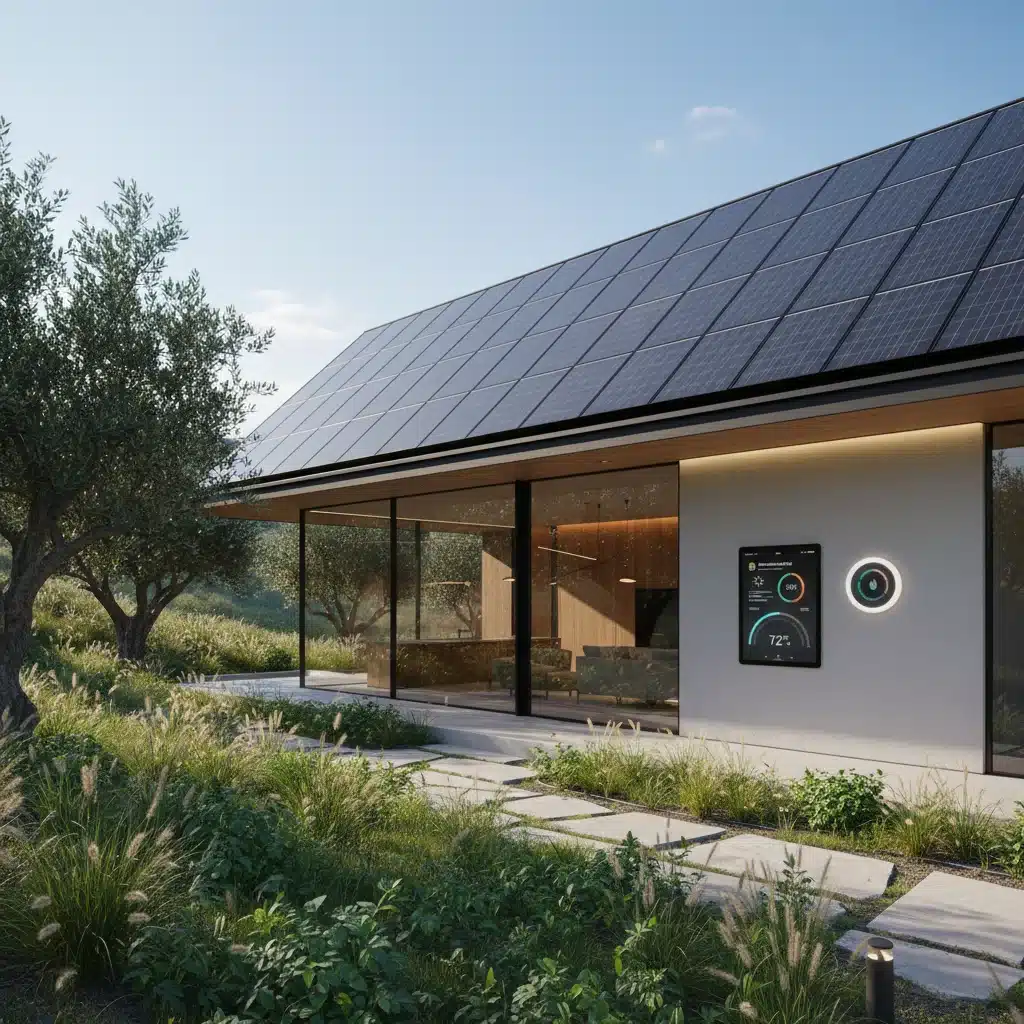
In an era where environmental consciousness is no longer a niche concern but a global imperative, the concept of a home is rapidly evolving. We are moving beyond mere convenience and connectivity, stepping into a future where our living spaces actively contribute to a healthier planet. This is the promise of the eco-friendly smart home – a dwelling that not only anticipates our needs but also minimizes its environmental footprint. By 2026, US households are poised to embrace a suite of innovative technologies that will redefine sustainability within our four walls. This article delves into the top five eco-friendly tech trends that are set to revolutionize how we live, consume, and interact with our environment.
The convergence of smart technology and sustainable practices is creating a powerful synergy. Imagine a home that intelligently manages its energy, conserves water, reduces waste, and even purifies its own air, all while seamlessly integrating into your daily life. This isn’t science fiction; it’s the near future. As climate change concerns grow and the cost of resources fluctuates, the demand for sustainable solutions in residential settings is skyrocketing. Homeowners are increasingly seeking ways to reduce their utility bills, lessen their carbon impact, and create healthier indoor environments. The technologies we will explore are not just about saving money; they are about fostering a lifestyle that is in harmony with nature, demonstrating that modern convenience and ecological responsibility can, and should, coexist.
The journey towards a truly sustainable smart home is multifaceted, encompassing everything from how we power our homes to how we manage our waste. It involves a shift in mindset, from passive consumption to active management of resources. The trends highlighted in this article represent the cutting edge of this evolution, offering practical, impactful, and often aesthetically pleasing solutions for the environmentally conscious homeowner. From advanced energy management systems to intelligent waste solutions, these innovations are set to become commonplace, making the eco-friendly smart home an achievable reality for many. Let’s explore the transformative power of these emerging technologies and how they will shape our homes and lives in the coming years.
The Rise of Hyper-Efficient Energy Management Systems
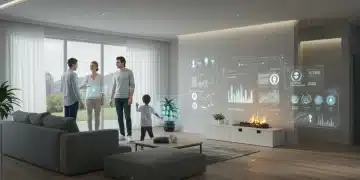
One of the most significant environmental impacts of any household stems from its energy consumption. Heating, cooling, lighting, and powering our numerous devices all contribute to a substantial carbon footprint. However, the future of the eco-friendly smart home promises a dramatic reduction in this impact through hyper-efficient energy management systems. These aren’t just smart thermostats; they are comprehensive ecosystems that learn, adapt, and optimize energy usage across the entire home.
Predictive AI for Optimal Climate Control
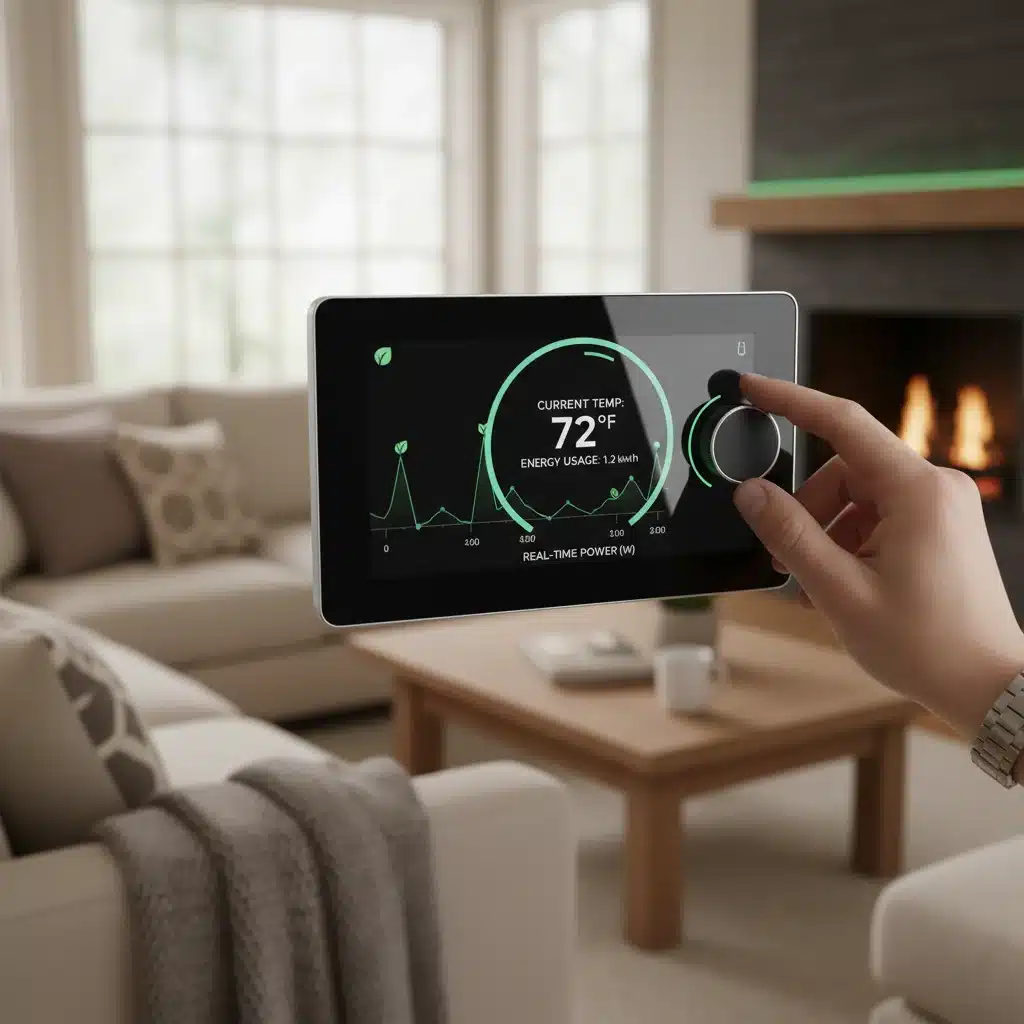
Gone are the days of manually adjusting your thermostat. Next-generation smart thermostats will leverage advanced artificial intelligence to learn your preferences, predict occupancy patterns, and even anticipate weather changes. Imagine a system that knows you’re leaving for work and automatically adjusts the temperature to save energy, then begins to pre-cool or pre-heat your home just before your arrival, ensuring comfort without waste. These systems will integrate with local weather forecasts, understanding when to utilize passive solar gain or when to minimize heat loss, dynamically optimizing your home’s climate control strategy. This level of predictive intelligence goes beyond simple scheduling, offering unprecedented efficiency.
Integrated Renewable Energy and Storage
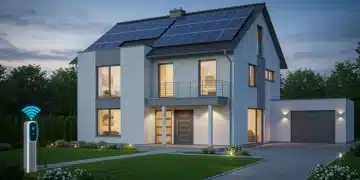
The integration of renewable energy sources, particularly solar, will become even more seamless and intelligent. Smart home systems will not only monitor solar panel output but also manage energy storage solutions like home batteries. This means optimizing when to draw power from the grid, when to use stored solar energy, and when to feed excess energy back to the grid for credits. Advanced algorithms will predict energy demand based on historical usage and forecast weather, ensuring your home is always powered in the most sustainable and cost-effective way. This holistic approach to energy generation, storage, and consumption is a cornerstone of the future eco-friendly smart home.
Granular Appliance Monitoring and Control
Beyond climate control, hyper-efficient energy management will extend to individual appliances. Smart plugs and integrated appliance sensors will provide granular data on energy consumption, allowing homeowners to identify energy vampires and inefficient devices. More importantly, these systems will enable intelligent control, automatically powering down idle devices, scheduling high-energy tasks during off-peak hours or when solar production is high, and even diagnosing potential appliance malfunctions that could lead to increased energy use. This level of oversight empowers homeowners to make informed decisions and ensures that every watt is used wisely.
Advanced Water Conservation Technologies
Water scarcity is a growing concern globally, and US households are increasingly looking for ways to reduce their water consumption. The eco-friendly smart home of 2026 will feature sophisticated water conservation technologies that go far beyond low-flow fixtures, offering real-time monitoring, leak detection, and intelligent usage optimization.
Smart Leak Detection and Automatic Shut-off
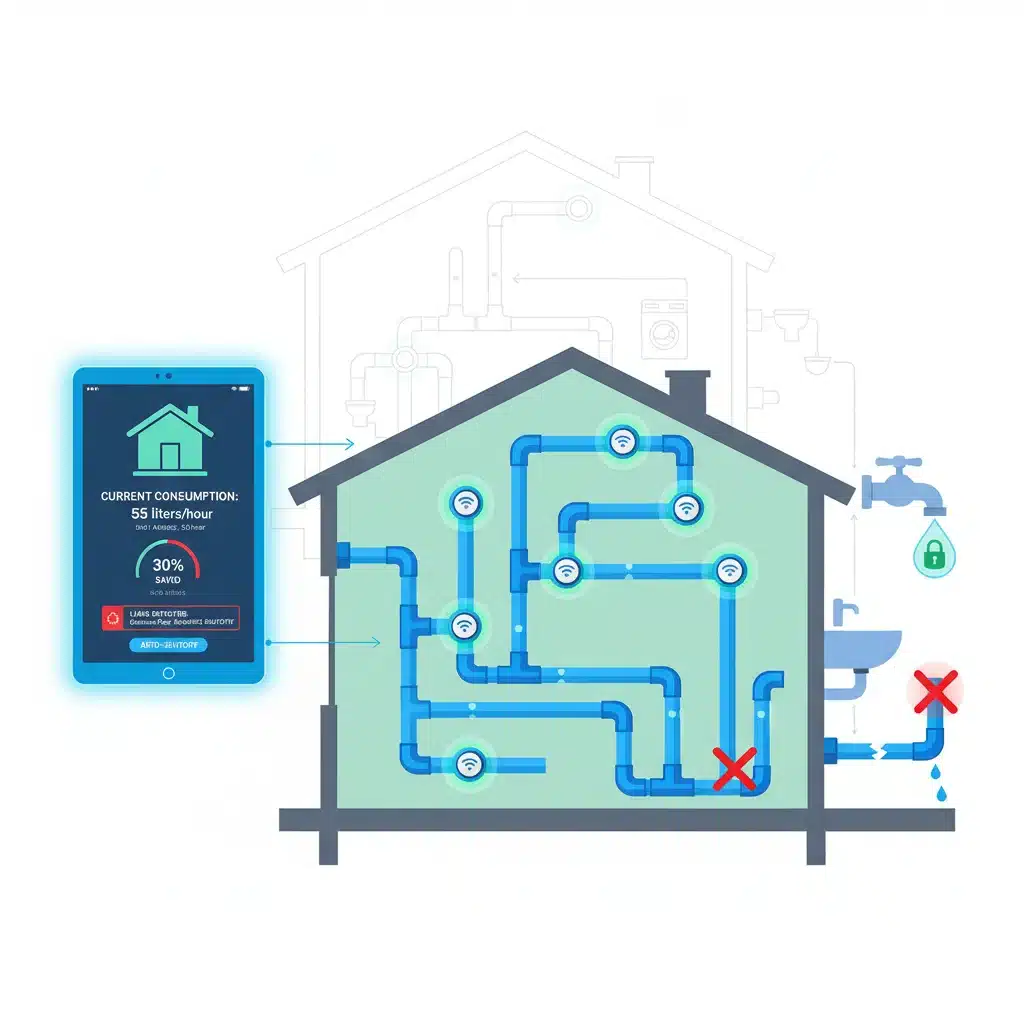
Undetected leaks can waste thousands of gallons of water annually and cause significant property damage. Future smart homes will incorporate comprehensive leak detection systems that utilize acoustic sensors, pressure monitors, and flow meters to identify even the smallest drips in real-time. Crucially, these systems will be capable of automatically shutting off the main water supply when a significant leak is detected, preventing catastrophic damage and massive water waste. Imagine receiving an alert on your phone about a leak and knowing your home has already taken action to mitigate it – that’s the peace of mind offered by advanced water conservation tech.
Intelligent Irrigation Systems
Outdoor water use, particularly for landscaping, often accounts for a substantial portion of household water consumption. Smart irrigation systems are already available, but by 2026, they will be even more sophisticated. These systems will integrate with hyper-local weather data, soil moisture sensors, and plant-specific needs to deliver precisely the right amount of water at the optimal time. They’ll consider factors like evapotranspiration rates, rainfall predictions, and even the type of grass or plants in each zone of your yard, eliminating wasteful overwatering and ensuring a healthy landscape with minimal water usage. This precision watering is a key component of the eco-friendly smart home.
Water-Efficient Appliances and Usage Monitoring
Beyond leaks and irrigation, smart appliances will play a crucial role in household water conservation. Dishwashers and washing machines will feature advanced sensors to determine the optimal water level and cycle based on the load size and soil level, minimizing water use without compromising cleanliness. Furthermore, whole-home water monitoring systems will provide detailed insights into where and how water is being used, empowering residents to identify areas for improvement. This data-driven approach allows for continuous optimization of water consumption, making every drop count in the eco-friendly smart home.
Smart Waste Management and Recycling Solutions
Waste reduction and efficient recycling are critical for environmental sustainability. The eco-friendly smart home of tomorrow will integrate intelligent waste management systems that make it easier than ever for households to minimize their landfill contributions and maximize their recycling efforts.
Automated Sorting and Compacting Bins
Imagine a waste bin that automatically sorts your recyclables from your general waste. This technology is on the horizon. Smart waste bins will utilize sensors and AI to identify different materials – plastics, glass, paper, organic waste – and direct them into appropriate compartments. Some models may even feature compacting capabilities for certain materials, reducing the volume of waste and the frequency of collections. This automation removes the guesswork and effort from proper waste separation, significantly increasing recycling rates and reducing contamination.
Composting and Food Waste Digesters
Food waste is a major contributor to landfill emissions. Future smart homes will offer integrated solutions for organic waste management. Automated composting systems will efficiently break down food scraps into nutrient-rich compost for gardens, while advanced food waste digesters will convert organic matter into usable byproducts like biogas or liquid fertilizer, further closing the loop on household waste. These systems will be designed for ease of use and cleanliness, making sustainable waste disposal a seamless part of kitchen routines.
Smart Inventory and Shopping Assistance to Reduce Waste
Beyond physical waste management, smart home technology will help prevent waste from occurring in the first place, particularly food waste. Smart refrigerators with internal cameras and AI will track inventory, suggest recipes based on expiring ingredients, and even automatically add items to your shopping list. This intelligent inventory management will reduce impulse purchases and ensure that food is consumed before it spoils, leading to less waste and more efficient grocery shopping. This proactive approach to waste reduction is a hallmark of the truly eco-friendly smart home.
Integrated Air Quality and Purification Systems
Indoor air quality is often overlooked but plays a crucial role in health and well-being. The eco-friendly smart home will prioritize clean, healthy air through advanced purification and monitoring systems that actively manage pollutants and allergens.
Real-time Air Quality Monitoring
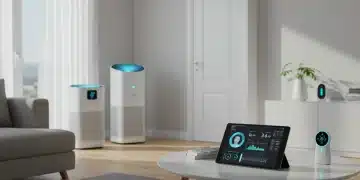
Smart air quality monitors will become standard, continuously tracking levels of volatile organic compounds (VOCs), particulate matter (PM2.5, PM10), carbon dioxide (CO2), humidity, and other common indoor pollutants. These sensors will provide real-time data to homeowners via smart home apps, offering insights into the air they breathe and alerting them to potential issues. This constant vigilance allows for proactive measures to maintain a healthy indoor environment.
Automated Purification and Ventilation
Integrated with air quality monitors, smart purification and ventilation systems will automatically activate when pollutant levels rise. High-efficiency particulate air (HEPA) filters, activated carbon filters, and even UV-C light sanitizers will work in concert to remove allergens, dust, odors, and harmful airborne pathogens. Smart ventilation systems will intelligently exchange stale indoor air with fresh outdoor air when conditions are favorable, all without wasting energy. This automated approach ensures optimal air quality without constant manual intervention, making the eco-friendly smart home a healthier living space.
Smart Humidity Control and Mold Prevention
Beyond pollutants, proper humidity levels are vital for comfort and preventing mold growth. Smart humidifiers and dehumidifiers will work in tandem with air quality sensors to maintain ideal indoor humidity, preventing issues like dry skin and respiratory irritation, as well as the conditions conducive to mold and mildew. This proactive humidity management is another layer of health and sustainability offered by the advanced eco-friendly smart home.
Sustainable Building Materials and Biophilic Design Integration
While technology often takes center stage in smart home discussions, the very fabric of the home – its materials and design – is equally crucial for sustainability. By 2026, the eco-friendly smart home will increasingly incorporate sustainable building materials and embrace biophilic design principles.
Eco-Friendly and Recycled Building Materials
The construction and renovation of homes will see a greater emphasis on materials with low environmental impact. This includes recycled steel, reclaimed wood, bamboo, cork, and innovative composite materials made from recycled plastics or agricultural waste. Furthermore, manufacturers will prioritize materials that are locally sourced, have low embodied energy (the energy required to produce and transport them), and are free from harmful chemicals. The choice of insulation, paints, and finishes will also lean towards non-toxic, natural, and highly efficient options, creating a healthier home from the ground up.
Biophilic Design for Human-Nature Connection
Biophilic design, which seeks to connect occupants with nature, will become more prominent in smart home architecture and interiors. This involves incorporating natural light, ventilation, plant life, natural textures, and views of nature into the home’s design. Smart systems will enhance this connection; for example, automated blinds might open to maximize natural light and views at optimal times, or indoor hydroponic gardens might be integrated with smart watering and lighting systems. The goal is to create spaces that are not only efficient but also promote well-being, reduce stress, and foster a deeper appreciation for the natural world, reinforcing the ethos of the eco-friendly smart home.
Modular and Adaptable Home Designs
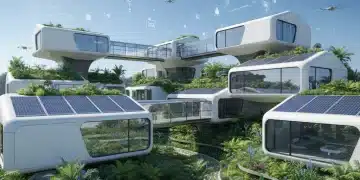
To further reduce waste and extend the lifespan of homes, modular and adaptable design principles will gain traction. These homes are designed with flexibility in mind, allowing for easy expansion, reconfiguration, or even relocation as family needs change. This reduces the need for demolition and new construction, minimizing resource consumption over the home’s lifecycle. Smart home technology plays a role here by enabling easy integration of new modules or reconfiguring existing systems to adapt to changing layouts.
The Future is Now: Embracing the Eco-Friendly Smart Home
The vision of the eco-friendly smart home by 2026 is one where technology and nature are not at odds but work in concert to create healthier, more sustainable, and more comfortable living environments. These trends are not isolated innovations; they are interconnected components of a holistic approach to sustainable living. Hyper-efficient energy management, advanced water conservation, smart waste solutions, integrated air quality systems, and sustainable building practices collectively pave the way for a greener future.
For US households, embracing these technologies offers a multitude of benefits. Beyond the obvious environmental advantages of reduced carbon emissions and resource conservation, homeowners will experience significant cost savings on utility bills. The enhanced comfort, convenience, and improved indoor air quality contribute to a higher quality of life and potentially increased property value. Moreover, investing in an eco-friendly smart home is an investment in the future – a tangible commitment to planetary health and responsible living.
As these technologies become more accessible, affordable, and user-friendly, their adoption will accelerate. The initial investment in some of these systems may seem substantial, but the long-term returns, both financial and environmental, are compelling. Government incentives, tax credits, and growing public awareness are also driving this shift, making it easier for homeowners to make sustainable choices. The industry is rapidly innovating, with new products and integrated platforms emerging constantly, making the dream of a truly sustainable smart home more attainable than ever.
The transition to an eco-friendly smart home is a journey, not a destination. It involves continuous learning, adaptation, and a willingness to embrace new ways of living. However, the path is clear: our homes have the potential to be powerful agents of positive environmental change. By integrating these top five eco-friendly tech trends, US households in 2026 will not only be smarter but also significantly greener, leading the way towards a more sustainable and harmonious future for all.
Are you ready to transform your living space into an eco-friendly smart home? The time to start planning and adopting these innovative technologies is now. Your home, your wallet, and the planet will thank you.