Optimize Your Smart Home’s Energy Consumption in 2026: Cut Bills by 15%
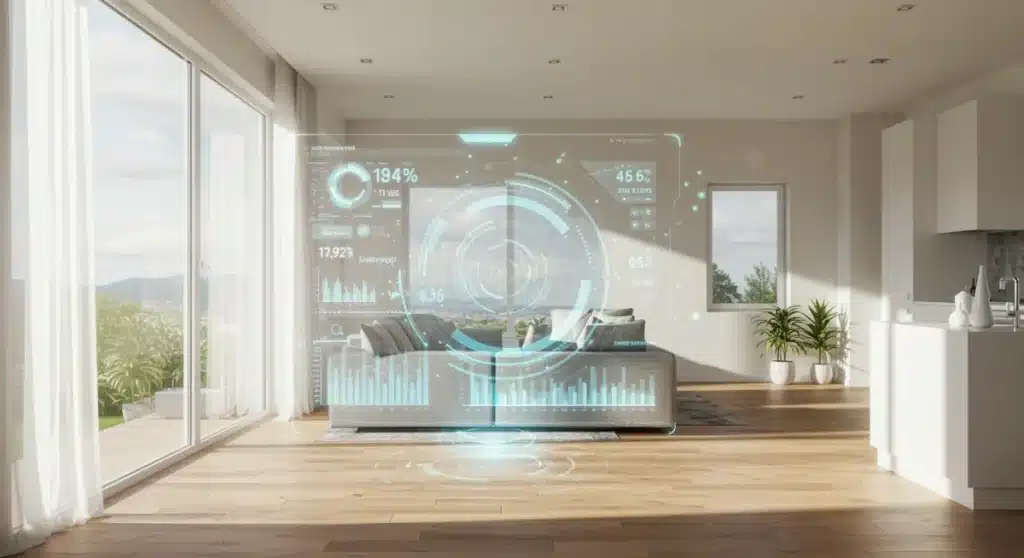
Implementing 5 advanced settings in your smart home in 2026 can significantly optimize energy consumption, leading to a verifiable reduction in utility bills by up to 15%.
As we move deeper into 2026, the potential for smart homes to not only offer convenience but also significant cost savings on utility bills has never been greater. Learning to optimize your smart home’s energy consumption in 2026: 5 advanced settings to cut bills by 15% is no longer a futuristic concept but a tangible reality for homeowners across the United States. This guide will walk you through the cutting-edge strategies to make your smart home truly efficient and put money back in your pocket.
Leveraging AI-Powered Predictive Scheduling for HVAC
The core of smart home energy efficiency often lies in its ability to manage heating, ventilation, and air conditioning (HVAC) systems. Traditional smart thermostats have offered programmable schedules, but 2026 brings advancements in AI-powered predictive scheduling that go far beyond simple timers. These systems learn your habits, anticipate weather changes, and even consider local energy prices to optimize climate control.
This sophisticated approach means your home isn’t just reacting to the environment or your set preferences; it’s proactively adjusting. Imagine your system knowing a heatwave is coming and pre-cooling your home during off-peak energy hours, or recognizing that you’re consistently late on Tuesdays and delaying the morning warm-up. These micro-adjustments accumulate into substantial savings.
Understanding Adaptive Learning Algorithms
Adaptive learning algorithms are the brains behind these advanced HVAC systems. They continuously collect data from various sources:
- Your daily routines and occupancy patterns
- Real-time local weather forecasts and historical data
- Utility company peak and off-peak rate schedules
- Sensor data from throughout your home (temperature, humidity, motion)
By processing this information, the system builds a comprehensive model of your home’s thermal dynamics and your family’s comfort preferences. This allows for highly personalized and efficient climate control that minimizes energy waste.
Implementing Geofencing and Occupancy Sensors
Beyond predictive scheduling, integrating geofencing and advanced occupancy sensors provides another layer of optimization. Geofencing uses your smartphone’s location to determine when you’re approaching or leaving home, adjusting the thermostat accordingly. Occupancy sensors, often integrated with smart lighting or security systems, detect whether rooms are in use.
This dynamic adjustment ensures that energy isn’t wasted heating or cooling empty spaces. For example, if no one is detected in the living room for an extended period, the system can slightly adjust the temperature in that zone without affecting occupied areas. This granular control is crucial for maximizing efficiency in larger homes or those with varying occupancy patterns.
In essence, advanced AI-powered predictive scheduling combined with geofencing and occupancy sensors transforms your HVAC system from a reactive appliance into an intelligent, proactive energy manager. This synergy is a cornerstone for homeowners aiming to significantly reduce their energy footprint and utility costs in 2026.
Implementing Smart Lighting with Circadian Rhythm Integration
Smart lighting has evolved beyond simple remote control and dimming. In 2026, the focus is on integrating lighting with your natural circadian rhythms and maximizing energy savings through advanced automation. This means not just turning lights on and off, but dynamically adjusting their color temperature and intensity to support your well-being while consuming less power.
By mimicking natural daylight cycles, these systems can improve productivity during the day and promote better sleep at night. Moreover, this intelligent control ensures that lighting is only used when and where it’s truly needed, avoiding unnecessary energy expenditure.
Automating Based on Natural Light and Occupancy
The most effective smart lighting systems in 2026 utilize ambient light sensors to detect natural light levels. This allows them to automatically adjust the brightness of artificial lights, complementing available daylight rather than overpowering it. Combined with motion and occupancy sensors, lights will only activate when a room is in use and dim or turn off when it’s empty.
This prevents the common scenario of lights being left on in unoccupied rooms or during bright daylight hours. The integration is seamless and often goes unnoticed, working quietly in the background to save energy. Consider these benefits:
- Lights automatically dim when sunlight streams through windows.
- Hallway lights activate only when motion is detected.
- Outdoor lights adjust based on dusk and dawn, not fixed timers.
- Bedside lamps gently brighten in the morning, mimicking sunrise.
Utilizing Zoned Lighting and Energy-Efficient Fixtures
Modern smart homes benefit greatly from zoned lighting. Instead of a single switch controlling an entire room, individual fixtures or small groups of lights can be controlled independently. This allows for precise illumination of specific areas, reducing the need to brightly light an entire space when only a small section is in use.
Furthermore, the continued adoption of highly energy-efficient LED fixtures is paramount. When combined with smart controls, these LEDs offer unparalleled longevity and minimal power consumption. Ensure your smart lighting ecosystem is built upon a foundation of efficient hardware to maximize the impact of your advanced settings.
By embracing smart lighting with circadian rhythm integration, automated responses to natural light and occupancy, and strategic zoning with LED fixtures, homeowners can achieve significant energy reductions. This approach not only lowers electricity bills but also enhances the overall comfort and ambiance of the living space.
Optimizing Smart Appliance Usage with Grid-Aware Management
Smart appliances have been a staple for a while, but in 2026, their true potential for energy savings is unlocked through grid-aware management. This advanced setting allows your appliances to communicate with your home’s energy management system and even directly with the utility grid, optimizing their operation based on real-time energy prices and grid demand.
Instead of running your dishwasher or charging your EV at peak times, grid-aware management automatically schedules these energy-intensive tasks for off-peak hours when electricity is cheaper and demand on the grid is lower. This benefits both your wallet and the overall energy infrastructure.
Integrating with Dynamic Electricity Pricing
Many utility providers in 2026 offer dynamic electricity pricing, where the cost of electricity fluctuates throughout the day based on demand. Smart home systems with grid-aware capabilities can tap into this data stream. They learn your utility’s pricing structure and automatically delay or expedite appliance cycles to coincide with the lowest rates.
This means your smart washing machine might wait an hour to start a load if it detects a price drop, or your EV charger might pause charging during a brief peak surge. The savings, particularly for large appliances used frequently, can be substantial. Look for appliances and smart home hubs that support open standards for grid communication.
Prioritizing Energy Consumption and Load Shifting
Beyond just dynamic pricing, grid-aware management also involves intelligent load shifting and prioritization. Your smart home system can be configured to understand which appliances are critical and which can be delayed. For instance, your refrigerator runs continuously, but your clothes dryer can often wait.


This allows the system to balance the energy load, preventing spikes that can lead to higher charges or strain on the grid. Some advanced settings even allow you to set energy consumption caps, temporarily shedding non-essential loads if your home approaches a self-imposed limit. This level of control empowers you to manage your energy usage proactively.
- Automatically run dishwasher during off-peak hours.
- Schedule EV charging for the cheapest electricity rates.
- Prioritize essential appliance operation over non-critical ones.
- Receive alerts for high energy consumption events.
By embracing grid-aware management and allowing your smart appliances to operate intelligently in response to energy pricing and grid conditions, you can significantly reduce your household’s overall energy costs. This strategy is a powerful component of a truly optimized smart home in 2026.
Implementing Advanced Smart Plug and Outlet Management
While often overlooked, smart plugs and outlets are powerful tools for energy optimization in 2026. They allow you to turn virtually any ‘dumb’ appliance into a smart, controllable device, providing granular control over energy consumption for electronics that might otherwise draw phantom load or operate inefficiently. This is particularly effective for devices that don’t have their own smart capabilities.
Beyond simple on/off control, advanced smart plug management involves scheduling, energy monitoring, and even integration with other smart home routines to eliminate energy waste from less intelligent devices.
Monitoring Phantom Load and Scheduling Off-Times
Phantom load, or ‘vampire drain,’ refers to the electricity consumed by electronics when they are turned off but still plugged in. Devices like TVs, chargers, and gaming consoles can collectively add up to significant energy waste over time. Smart plugs can measure this phantom load and, more importantly, completely cut power to these devices when they’re not in use.
By scheduling smart plugs to turn off electronics overnight or when you’re away, you eliminate this wasted energy. For example, your home office setup can be completely powered down after working hours, and entertainment systems can be de-energized when everyone is asleep. This simple automation can lead to surprising savings.
Integrating with Occupancy and Voice Assistants
The true power of advanced smart plug management comes from its integration with other smart home components. By linking smart plugs to occupancy sensors, devices can be automatically powered down when a room is empty. Imagine a fan turning off the moment you leave the bedroom, or a coffee maker powering on only when you enter the kitchen in the morning.
Voice assistant integration also adds a layer of convenience and control. A simple command like “Goodnight” can trigger a routine that turns off all non-essential devices connected to smart plugs, ensuring nothing is left drawing power unnecessarily. This seamless interaction makes energy saving effortless.
- Turn off entertainment centers when not in use.
- Power down charging stations after devices are full.
- Automate seasonal decorations to only light up during specific hours.
- Monitor individual device energy consumption to identify energy hogs.
By strategically deploying and managing smart plugs and outlets, you can gain unprecedented control over the energy consumption of your non-smart devices. This advanced setting is a cost-effective way to plug energy leaks and contribute to overall household savings.
Implementing Smart Window Coverings and Shading Automation
In 2026, smart window coverings and automated shading systems are playing an increasingly critical role in energy optimization. These systems go beyond mere privacy or light control; they actively manage solar gain and heat loss, working in conjunction with your HVAC system to maintain optimal indoor temperatures with minimal energy expenditure. This is particularly relevant in regions with extreme weather.
By dynamically adjusting blinds, shades, or curtains, your smart home can prevent unwanted heat from entering during summer and retain warmth during winter, significantly reducing the workload on your heating and cooling systems.
Dynamic Solar Gain Management
During hot summer months, direct sunlight streaming through windows can rapidly increase indoor temperatures, forcing your air conditioning to work harder. Smart window coverings can be programmed to automatically close or tilt to block direct sunlight during the hottest parts of the day, especially on south and west-facing windows.
Conversely, in cooler months, these systems can open to allow passive solar heating, letting sunlight warm your home naturally. This dynamic adjustment is often based on real-time weather data, indoor temperature sensors, and even the sun’s position, ensuring maximum efficiency.
Integration with Smart Thermostats and Climate Control
The true power of smart shading lies in its seamless integration with your smart thermostat and overall climate control system. When your thermostat detects that the indoor temperature is rising rapidly due to solar gain, it can trigger the smart blinds to close before the AC even needs to kick in at full power. Similarly, if the furnace is struggling to heat a room, the shades can close to provide an insulating layer.
This coordinated effort creates a more stable indoor climate, preventing temperature swings and reducing the energy required to bring the home back to its desired set point. Consider a home where:
- Blinds automatically lower on sunny sides during peak heat.
- Shades rise in winter mornings to let in natural warmth.
- Curtains close at night to provide extra insulation.
- Settings adjust based on seasonal changes and local forecasts.
By implementing smart window coverings and shading automation, you leverage natural elements to regulate your home’s temperature, reducing reliance on energy-intensive HVAC systems. This advanced setting offers both comfort and substantial long-term energy savings.
Utilizing Whole-Home Energy Monitoring and AI Analytics
To truly optimize your smart home’s energy consumption in 2026, you need to understand where and how your energy is being used. Whole-home energy monitoring systems, coupled with advanced AI analytics, provide this crucial insight. These systems go beyond just showing total consumption; they break down energy usage by appliance, circuit, and even time of day, pinpointing inefficiencies.
This detailed data empowers you to make informed decisions, identify energy hogs, and verify the effectiveness of your optimization efforts. It’s the ultimate feedback loop for continuous energy improvement.
Real-Time Consumption Tracking and Anomaly Detection
Modern whole-home energy monitors tie directly into your electrical panel, providing real-time data on every watt consumed. You can see instantaneous usage, daily trends, and historical consumption patterns through an intuitive app interface. But the real game-changer is AI-powered anomaly detection.
The AI learns your typical energy signature and can alert you to unusual spikes or continuous draws that might indicate a malfunctioning appliance, a device left on inadvertently, or an unexpected phantom load. This proactive alerting helps you quickly address issues before they become significant energy drains.
Identifying Energy Hogs and Optimizing Consumption Patterns
With detailed analytics, you can easily identify which appliances or systems are consuming the most energy. Is it your old refrigerator? Your always-on gaming PC? The AI can often disaggregate loads, meaning it can estimate the energy usage of individual appliances even if they’re not connected to smart plugs.
This insight allows you to prioritize upgrades, adjust usage habits, or apply smart plug controls to the most impactful areas. For instance, if you discover your electric water heater is a major consumer, you might then investigate scheduling its operation during off-peak hours or upgrading to a more efficient model.
- Receive monthly reports on energy consumption breakdown.
- Track energy usage trends over weeks, months, and years.
- Set budget alerts for approaching energy consumption limits.
- Compare your home’s efficiency against similar households.
Whole-home energy monitoring with AI analytics transforms energy management from guesswork into a data-driven science. It provides the visibility and intelligence needed to continuously refine your smart home’s energy efficiency and ensure you’re getting the most out of every advanced setting you implement.
| Key Optimization Area | Brief Description of Savings |
|---|---|
| AI HVAC Scheduling | Proactive climate control based on learning, weather, and rates. |
| Smart Lighting | Automated light adjustment to natural light and occupancy. |
| Grid-Aware Appliances | Schedules large appliance use during off-peak electricity rates. |
| Whole-Home Monitoring | Identifies energy hogs and provides actionable insights. |
Frequently Asked Questions About Smart Home Energy Optimization
While results vary based on initial consumption and implemented strategies, many homeowners in 2026 report savings of 10-15% on their utility bills. Advanced settings like AI HVAC and grid-aware appliance management contribute significantly to these reductions, making the initial investment worthwhile over time.
Most 2026 smart home systems are designed for user-friendliness, often featuring intuitive apps and guided setup processes. While some initial configuration is needed, especially for AI learning, the ongoing management is typically automated. Many systems also offer professional installation services for complex integrations.
Not necessarily. While new smart appliances offer deep integration, devices like smart plugs can turn ‘dumb’ appliances into smart, controllable ones, allowing you to manage their energy use. Upgrading key components like thermostats and lighting fixtures will yield the most significant results.
Grid-aware management connects your smart home to your utility’s dynamic pricing data. It automatically schedules energy-intensive tasks, such as running the dishwasher or charging an EV, during off-peak hours when electricity rates are lower, directly reducing your operational costs for those appliances.
The most crucial first step is installing a whole-home energy monitoring system. This provides the data you need to understand your current consumption patterns, identify energy-wasting habits or devices, and effectively measure the impact of any optimization strategies you implement thereafter.
Conclusion
Embracing the advanced settings available in 2026 for your smart home is more than just a technological upgrade; it’s a strategic move towards a more sustainable and cost-effective lifestyle. By leveraging AI-powered HVAC scheduling, intelligent lighting, grid-aware appliance management, smart plug controls, and comprehensive energy monitoring, homeowners can achieve significant reductions in their utility bills, often exceeding the projected 15%. The journey to an optimized smart home is one of continuous learning and adaptation, but with these tools, the path to energy efficiency is clearer and more rewarding than ever.