Smart Home Security: 2026 Upgrades for 15% Insurance Savings
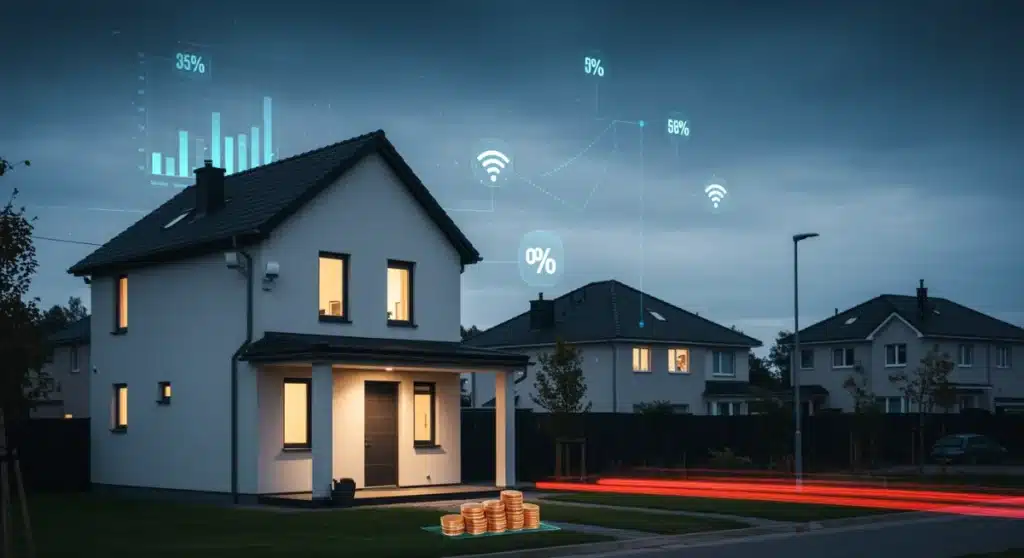
Upgrading your smart home security system in 2026 can significantly reduce financial risks and potentially save you up to 15% on home insurance premiums by mitigating common threats and enhancing property protection.
In an increasingly connected world, protecting your home goes beyond traditional locks and alarms. The future of home safety is here, and understanding the financial impact of smart home security: how upgrading in 2026 can save you 15% on insurance premiums is crucial for every homeowner. This isn’t just about peace of mind; it’s about making smart financial decisions that benefit your wallet and your property.
The Evolution of Home Security: Beyond Basic Alarms
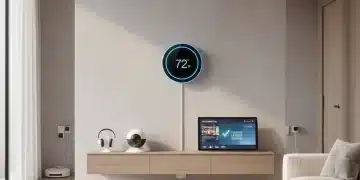
Home security has come a long way from simple alarm systems. Today, smart home security integrates a myriad of devices into a cohesive network, offering unparalleled protection and control. These systems leverage advanced technology to deter threats, alert homeowners and authorities, and even prevent minor incidents from becoming major disasters. The shift towards smart solutions is driven by both technological advancements and a growing awareness of their financial benefits, particularly concerning insurance.
The traditional security landscape primarily focused on reactive measures, such as sounding an alarm after a break-in. Modern smart systems, however, are proactive. They use predictive analytics, AI-powered detection, and seamless integration to create a safer environment. This proactive approach is what insurance companies are increasingly recognizing, leading to tangible discounts for policyholders.
Key Components of a Modern Smart Home Security System
- Integrated Surveillance: High-definition cameras with AI-powered facial recognition and motion detection.
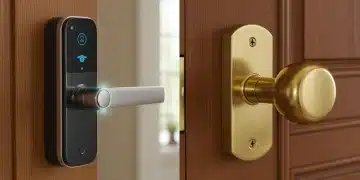
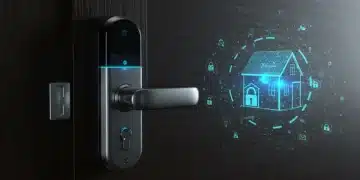
- Smart Locks and Access Control: Keyless entry, remote locking/unlocking, and temporary access codes for visitors.
- Environmental Sensors: Detectors for smoke, carbon monoxide, water leaks, and extreme temperatures.
- Professional Monitoring: 24/7 monitoring services that can dispatch emergency services automatically.
These components work in concert, providing a comprehensive protective layer around your home. The data collected by these systems can also be invaluable in the event of an incident, aiding investigations and proving claims. This holistic approach significantly reduces the likelihood of successful intrusions and minimizes damage from other hazards, directly influencing insurance risk assessments.
The evolution underscores a fundamental change: security is no longer just about reacting to crime but about creating an intelligent, resilient home environment. This transition is not only enhancing safety but also redefining the financial relationship between homeowners and their insurance providers, making smart upgrades a financially savvy choice.
Understanding Insurance Premium Reductions for Smart Homes
Home insurance providers are acutely aware of the risks associated with property ownership, and they continuously seek ways to mitigate these risks. Smart home security systems offer a compelling solution. By installing advanced security measures, homeowners demonstrably reduce the likelihood of burglaries, fires, and water damage, all of which are major contributors to insurance claims. This reduction in risk translates directly into lower premiums, often making the initial investment in smart tech pay for itself over time.
Insurance companies typically evaluate risk based on various factors, including the property’s location, construction, and existing security features. Smart home technology provides verifiable evidence of enhanced protection, allowing insurers to offer discounts. These discounts are not uniform and can vary based on the specific devices installed, the level of integration, and the insurance provider’s policies. However, a 15% reduction is becoming increasingly common for comprehensive smart home setups.
Factors Influencing Insurance Discounts
- System Comprehensiveness: The more integrated and robust your system, the higher the potential discount.
- Professional Monitoring: Systems with 24/7 professional monitoring services often yield the largest reductions.
- Device Certification: Insurance companies may prefer devices that meet specific industry standards or certifications.
- Claim History: A clean claim history, combined with smart tech, can further enhance your discount potential.
The financial incentives are clear. Homeowners who proactively adopt smart security solutions are rewarded with lower insurance costs, reflecting their commitment to protecting their assets. This forward-thinking approach not only safeguards your home but also optimizes your financial outlay on essential services like insurance.
Ultimately, the correlation between smart home security and reduced insurance premiums is a win-win. Homeowners gain enhanced protection and financial savings, while insurance providers experience fewer claims and a more secure client base. This trend is set to continue, making smart upgrades an essential consideration for anyone looking to optimize their home’s financial footprint.
Strategic Upgrades for Maximum Savings in 2026
As we look towards 2026, certain smart home security upgrades stand out for their potential to deliver maximum financial benefits, particularly in terms of insurance premium reductions. The key is to focus on systems that offer advanced threat detection, proactive prevention, and seamless integration, as these are the features most valued by insurance carriers. Investing in the right technology now can yield significant returns in the coming years.
Prioritizing upgrades that directly address common claims—such as burglary, fire, and water damage—will have the most noticeable impact on your premiums. For instance, while smart lighting adds convenience, a professionally monitored system with integrated environmental sensors will likely offer greater insurance savings. It’s about strategic investment in protection that actively mitigates risk.
Top Smart Home Security Upgrades for 2026
- AI-Powered Surveillance Cameras: With advanced analytics to differentiate between pets, people, and vehicles, reducing false alarms.
- Integrated Smart Sensors: Combining smoke, CO, water leak, and temperature sensors into one network for comprehensive environmental monitoring.
- Next-Gen Smart Locks: Featuring biometric authentication and advanced encryption for unparalleled access control.
- Predictive Analytics for Home Safety: Systems that learn your home’s patterns to detect anomalies and potential threats before they escalate.
These upgrades not only enhance your home’s security posture but also provide tangible data and assurances to insurance providers. The ability of these systems to prevent incidents or minimize their impact is a powerful argument for lower premiums. Homeowners should research and select systems that are certified and well-regarded, as this adds another layer of credibility for insurers.
Making strategic upgrades in 2026 means looking beyond immediate convenience and focusing on long-term financial and safety benefits. By selecting intelligent and integrated security solutions, homeowners can secure significant insurance premium reductions, solidifying their investment in a smarter, safer home.
Case Studies: Real-World Savings and Benefits
While the potential for insurance savings is clear, examining real-world examples helps illustrate the tangible benefits homeowners are experiencing. Across the United States, homeowners who have invested in advanced smart home security systems are reporting significant reductions in their annual insurance premiums, often exceeding the initial cost of the upgrades within a few years. These case studies underscore the financial wisdom of adopting smart technology.
Consider the example of the Miller family in Arizona. After installing a comprehensive smart home system in 2025, which included smart locks, a professionally monitored alarm, and water leak sensors, their home insurance premium dropped by 12%. This saving, combined with the peace of mind from enhanced security, made their investment highly worthwhile. Similarly, Sarah, a homeowner in Florida, saw a 10% reduction after upgrading to an integrated fire and carbon monoxide detection system linked to her smart hub.
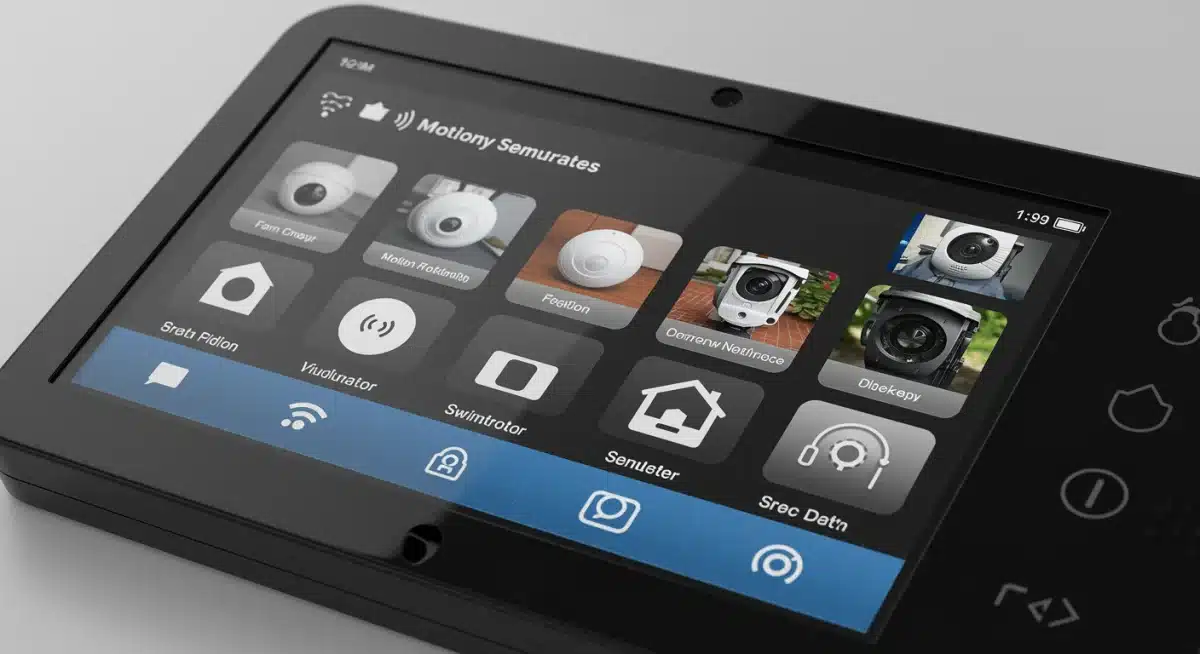
These individual stories highlight a broader trend. Insurance companies are increasingly recognizing the value of proactive risk management. When a home is equipped with devices that can prevent a burst pipe from turning into extensive water damage, or detect an intruder before a break-in occurs, the risk profile of that property significantly improves. This directly impacts the insurer’s potential payout, leading them to reward homeowners with lower rates.
Examples of Benefits Beyond Premiums
- Reduced Property Damage: Early detection of leaks or fires can prevent catastrophic damage.
- Faster Recovery: Integrated systems provide crucial data for police and fire departments, aiding quicker response and recovery.
- Increased Property Value: Smart home features are becoming a desirable amenity, potentially increasing resale value.
- Peace of Mind: The intangible benefit of knowing your home is protected 24/7.
The financial benefits extend beyond just premium reductions. Avoiding a single major claim due to the preventative capabilities of a smart home system can save tens of thousands of dollars in repairs and deductibles. These real-world outcomes solidify the argument for smart home security as a sound financial investment for any homeowner.
Navigating Insurance Policies and Smart Home Compatibility
While the benefits of smart home security are clear, navigating the specifics of insurance policies and ensuring compatibility can be complex. Not all smart home devices are created equal in the eyes of insurance providers, and understanding their requirements is key to maximizing your potential savings. It’s essential to communicate with your insurer about your upgrades to ensure they are properly acknowledged and factored into your policy.
Before investing in new smart home technology, homeowners should consult their insurance agent. Inquire about specific discounts available for various security features, such as professionally monitored alarms, smart smoke detectors, or water leak sensors. Some insurers may have preferred brands or certified systems that qualify for higher discounts. Proactive communication can prevent surprises and ensure you reap the full financial rewards of your upgrades.
Questions to Ask Your Insurance Provider
- What specific smart home security devices qualify for discounts?
- Are there any certifications or standards my system needs to meet?
- Do I need professional installation or monitoring to qualify for savings?
- How much can I expect to save on my premium with these upgrades?
Compatibility is another crucial aspect. Ensure that your chosen smart home devices can integrate seamlessly with each other and, if applicable, with a professional monitoring service. A fragmented system with incompatible components may not provide the comprehensive protection—or the insurance benefits—you seek. Researching reputable brands and professional installation services can help ensure a cohesive and effective security setup.
Ultimately, a well-informed approach to smart home security upgrades, coupled with clear communication with your insurance provider, is essential. By understanding policy requirements and focusing on compatible, high-quality systems, homeowners can confidently invest in technology that not only protects their property but also significantly reduces their insurance burden.
Future Trends: What to Expect Post-2026
The landscape of smart home security is continuously evolving, and looking beyond 2026 reveals exciting future trends that will further enhance protection and potentially deepen financial incentives. Artificial intelligence, machine learning, and advanced sensor technology are set to become even more sophisticated, offering predictive capabilities that will transform how we safeguard our homes. Understanding these trends can help homeowners prepare for future upgrades and continued savings.
One major trend is the integration of hyper-personalized security. Systems will learn individual habits and preferences with greater precision, detecting anomalies that much earlier. Imagine a system that knows your daily routine so well it can instantly flag any deviation as a potential threat. This level of personalized intelligence will make security systems incredibly effective and even less prone to false alarms.
Emerging Smart Home Security Technologies
- Hyper-Personalized AI: Systems that learn and adapt to individual household routines for enhanced threat detection.
- Drone Surveillance: Automated drones for perimeter patrol and rapid response verification in larger properties.
- Cybersecurity Integration: Enhanced protection against digital threats targeting smart home networks.
- Biometric Authentication Expansion: Beyond fingerprints to include iris scans and voice recognition for access control.
Another significant development will be the increasing emphasis on cybersecurity within smart home ecosystems. As more devices become connected, the potential for digital vulnerabilities grows. Future smart home security systems will likely include robust, built-in cybersecurity measures to protect against hacking and data breaches, which insurance companies will undoubtedly recognize as another layer of risk mitigation.
The future promises a more intuitive, proactive, and interconnected approach to home security. These advancements will likely lead to even greater financial incentives from insurance providers, as the overall risk associated with smart homes continues to decrease. Homeowners who stay abreast of these trends will be well-positioned to leverage the latest technology for both superior protection and sustained financial savings.
| Key Aspect | Benefit Description |
|---|---|
| Insurance Savings | Up to 15% reduction on premiums by mitigating common home risks like theft, fire, and water damage. |
| Enhanced Protection | Advanced surveillance, smart locks, and environmental sensors offer comprehensive, proactive security. |
| Strategic Upgrades | Focus on AI-powered cameras, integrated sensors, and professional monitoring for maximum impact. |
| Future Readiness | Embrace emerging tech like hyper-personalized AI and robust cybersecurity for sustained benefits. |
Frequently Asked Questions About Smart Home Security and Insurance
While savings vary by insurer and system, many homeowners can expect to save between 5% and 15%. Comprehensive systems with professional monitoring and environmental sensors often yield the highest discounts. Always confirm specific percentages with your insurance provider before upgrading.
No, not all devices qualify. Insurance companies typically prioritize devices that directly mitigate common risks like theft, fire, and water damage. Professionally monitored systems and certified devices are often favored. It’s crucial to check with your insurer about their specific requirements and preferred types of smart tech.
While some basic discounts might apply to self-monitored systems, professional 24/7 monitoring services generally lead to larger insurance premium reductions. Insurers value the immediate response and verification that professional monitoring provides, significantly reducing their risk.
The payback period varies depending on the cost of your system and your annual insurance savings. With potential 15% premium reductions, many homeowners find their investment in smart security pays for itself within 3 to 5 years, not including the value of prevented damages.
Yes, integrated smart home security and automation features are increasingly desirable to potential buyers, often contributing to a higher property value. While difficult to quantify precisely, a modern, secure, and efficient home is a significant selling point in today’s market.
Conclusion
The financial impact of smart home security upgrades, particularly how upgrading in 2026 can save you 15% on insurance premiums, is a compelling narrative for any homeowner. Beyond the undeniable peace of mind that comes with enhanced protection, the tangible financial benefits through reduced insurance costs make smart home technology a wise investment. As technology continues to advance, these savings are likely to grow, solidifying smart home security as an essential component of modern homeownership. By strategically investing in integrated and intelligent security solutions, you’re not just protecting your property; you’re also optimizing your financial future.