Smart Home Security Audit: Your 2026 Checklist for a Safe Connected Home
The dawn of 2026 brings with it an unprecedented level of connectivity within our homes. Smart thermostats, intelligent lighting, voice assistants, security cameras, and even smart refrigerators have become integral parts of our daily lives, promising convenience, efficiency, and enhanced living. However, this technological marvel also ushers in a new era of potential vulnerabilities. Just as a traditional home requires locks and alarms, your digital dwelling demands a robust Smart Home Security Audit.
In a world where data breaches are increasingly common and cyber threats are more sophisticated than ever, understanding and mitigating the risks associated with your connected devices is paramount. This comprehensive guide will walk you through a crucial 5-point security audit checklist, designed specifically for homeowners in 2026, to help you identify and fortify potential weak points in your smart home ecosystem. Don’t wait until it’s too late – proactively secure your digital sanctuary.
The Evolving Landscape of Smart Home Threats in 2026
Before diving into the audit, it’s essential to grasp the evolving nature of smart home threats. What was considered secure a few years ago might be a glaring vulnerability today. In 2026, attackers are not just looking to gain access to your network; they’re aiming for your personal data, your routines, and even physical control over your home’s infrastructure. These threats can manifest in various forms:
- Data Breaches: Compromised devices can expose sensitive personal information, financial details, and even intimate details about your daily life.
- Privacy Invasion: Smart cameras and microphones, if not properly secured, can become tools for unsolicited surveillance.
- Network Exploitation: A single vulnerable device can serve as a gateway for attackers to infiltrate your entire home network, affecting all connected devices, including computers and smartphones.
- Physical Harm or Disruption: In extreme cases, compromised smart locks, alarm systems, or even smart appliances could be manipulated to cause physical harm or significant disruption.
- Ransomware and Malware: IoT devices are increasingly targets for ransomware attacks, locking you out of your own devices until a ransom is paid.
The interconnectedness that defines a smart home is its greatest strength and, simultaneously, its greatest weakness if not properly managed. This is precisely why a regular Smart Home Security Audit is not a luxury, but a necessity.
Point 1: Fortifying Your Network Foundation – The Router and Wi-Fi Security
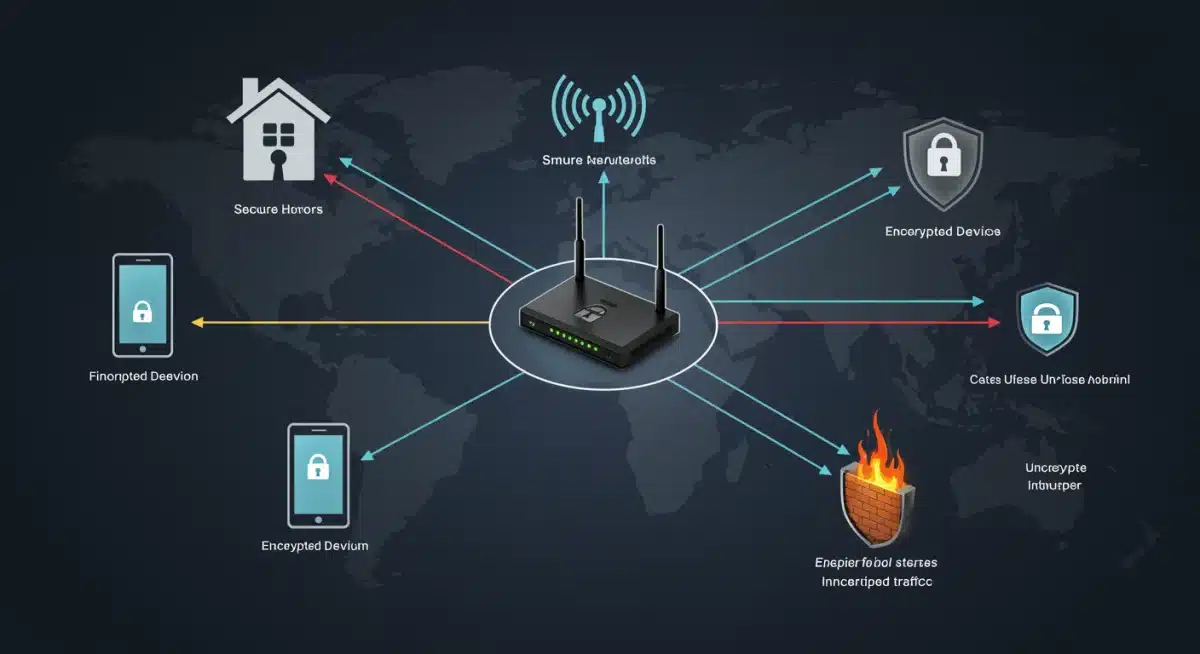
Your Wi-Fi router is the heart of your smart home. Every bit of data, every command, every interaction between your devices and the internet passes through it. Therefore, securing your router is the absolute first and most critical step in any Smart Home Security Audit.
Change Default Login Credentials
This might seem obvious, but countless routers still operate with factory default usernames and passwords (e.g., admin/admin, admin/password). These are widely known and easily exploited. Immediately change both the administrator username and password to something strong, unique, and complex. Use a combination of uppercase and lowercase letters, numbers, and symbols.
Enable WPA3 Encryption (or WPA2-AES)
Ensure your Wi-Fi network is using the strongest available encryption protocol. In 2026, WPA3 is the gold standard, offering enhanced security features like Simultaneous Authentication of Equals (SAE) for stronger password-based authentication and improved privacy. If your router doesn’t support WPA3, ensure it’s at least using WPA2 with AES encryption. Avoid WPA or WEP, as these are severely outdated and easily crackable.
Create a Guest Network for Smart Devices
Many experts recommend creating a separate guest Wi-Fi network specifically for your smart devices. This segregates your IoT devices from your primary network where your computers, smartphones, and sensitive data reside. If an IoT device on the guest network is compromised, the attacker will have a much harder time accessing your main network. This is a crucial layer of defense in your Smart Home Security Audit.
Disable WPS (Wi-Fi Protected Setup)
While convenient for connecting new devices, WPS has known security vulnerabilities that can allow attackers to brute-force your Wi-Fi password. It’s best to disable this feature on your router and manually connect devices.
Keep Router Firmware Updated
Router manufacturers frequently release firmware updates that patch security vulnerabilities and improve performance. Make it a habit to check for and install these updates regularly. Many modern routers offer automatic updates, which should be enabled.
Consider a VPN on Your Router
For an extra layer of security and privacy, consider configuring a Virtual Private Network (VPN) directly on your router. This encrypts all traffic leaving your home network, protecting all connected devices, including those that don’t natively support VPNs. This can be a significant enhancement during your Smart Home Security Audit.
Point 2: Securing Individual Smart Devices – Beyond the Defaults
Once your network foundation is solid, the next step in your Smart Home Security Audit is to focus on each individual smart device. Each device represents a potential entry point for attackers.
Change Default Passwords and Usernames
Just like your router, many smart devices come with default credentials. Change these immediately upon setup. Choose strong, unique passwords for each device. Using a password manager can greatly assist with this, ensuring you don’t reuse credentials.
Regularly Update Device Firmware and Software
This is non-negotiable. Manufacturers constantly release updates to fix bugs and, more importantly, patch newly discovered security vulnerabilities. Enable automatic updates whenever possible. If not, schedule regular checks (e.g., monthly) to manually update all your smart devices. Neglecting updates leaves your devices exposed to known exploits.
Review Device Permissions and Privacy Settings
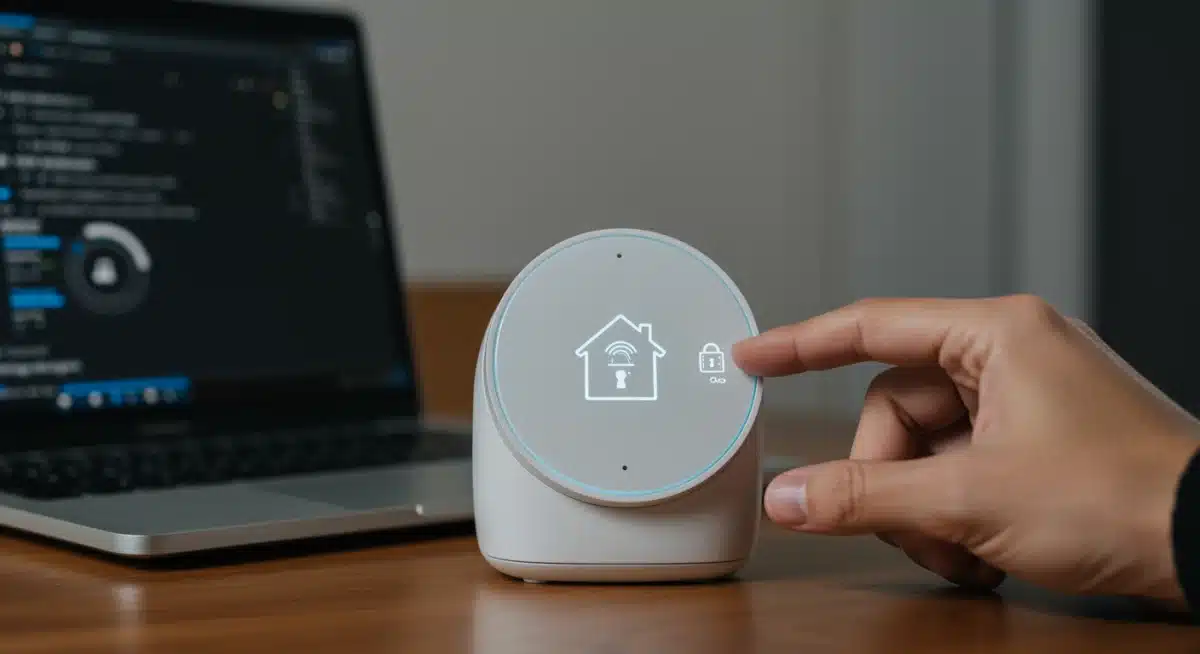
Many smart devices, especially voice assistants and cameras, collect a vast amount of data. During your Smart Home Security Audit, meticulously review the privacy settings for each device through its accompanying app or web interface. Limit data collection where possible, understand what data is being shared, and disable features you don’t use.
Disable Unnecessary Features and Ports
Some smart devices come with features or open ports that are not essential for their primary function but could be exploited. For example, if a smart camera has a remote access feature you don’t use, disable it. Less functionality means a smaller attack surface.
Use Two-Factor Authentication (2FA)
For any smart device or associated app that offers 2FA, enable it. This adds an extra layer of security, requiring a second form of verification (like a code from your phone) in addition to your password, making it significantly harder for unauthorized users to gain access.
Research Device Security Records
Before purchasing new smart devices, do your homework. Look for brands with a good reputation for security, regular updates, and transparent privacy policies. Check for any reported vulnerabilities or data breaches associated with the device or manufacturer. This proactive step can save you headaches during future Smart Home Security Audit checks.
Point 3: Data Privacy and Account Management – Protecting Your Digital Footprint
Beyond the physical devices, your digital identity and the data generated by your smart home are prime targets. Effective account management and a strong focus on data privacy are cornerstones of a thorough Smart Home Security Audit.
Strong, Unique Passwords for All Accounts
This cannot be stressed enough. Every online account associated with your smart home (e.g., accounts for device manufacturers, cloud services, app stores) must have a strong, unique password. A single compromised password can lead to a cascade of breaches. Utilize a reputable password manager to generate and store these complex passwords securely.
Enable Two-Factor Authentication (2FA) Everywhere Possible
Extend 2FA beyond just your smart devices to all associated online accounts. This includes your email, cloud storage, social media, and any service linked to your smart home ecosystem. If an attacker gets your password, 2FA can still prevent them from accessing your account.
Regularly Review Connected Accounts and Apps
Periodically check which third-party apps and services have access to your smart home data or devices. Many smart home platforms allow you to see and revoke permissions for integrated services. Remove any integrations you no longer use or don’t recognize. This is a vital part of your ongoing Smart Home Security Audit.
Understand Data Collection and Usage Policies
Take the time to read (or at least skim) the privacy policies of your smart device manufacturers and associated service providers. Understand what data they collect, how they use it, and with whom they share it. If you’re uncomfortable with their practices, consider alternative products or limit your usage of specific features.
Secure Your Cloud Storage
Many smart devices (especially cameras) rely on cloud storage for data. Ensure these cloud accounts are secured with strong passwords and 2FA. Be aware of retention policies – how long is your data stored, and is it encrypted at rest and in transit?
Be Wary of Phishing and Social Engineering
Attackers often target users directly through phishing emails or social engineering tactics to gain access to accounts. Be extremely cautious about clicking on suspicious links, opening unexpected attachments, or providing personal information in response to unsolicited requests. Always verify the sender’s authenticity.
Point 4: Physical Security and Access Control – The Tangible Vulnerabilities
While much of smart home security focuses on digital threats, the physical security of your devices and access points is equally important. A comprehensive Smart Home Security Audit must address both aspects.
Secure Physical Access to Your Router and Hubs
Your router, smart home hubs, and any other central control devices should be physically secured. Place them in a location that is not easily accessible to visitors or potential intruders. If someone can physically access your router, they can potentially reset it, change settings, or install malicious firmware.
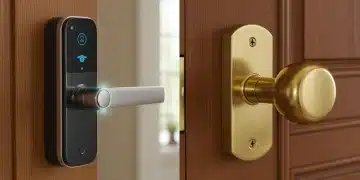
Protect Smart Locks and Entry Systems
If you use smart locks, ensure they are from reputable manufacturers with strong encryption. Regularly check for firmware updates. Be cautious about sharing digital keys and ensure you know who has access to your home at all times. Consider integrating them with a robust home security system.
Strategically Place and Secure Smart Cameras
Smart cameras are excellent for security, but they can also be a privacy risk if compromised. Ensure your cameras are placed in areas that provide effective surveillance without inadvertently capturing private areas unnecessarily. Secure their access with strong passwords and 2FA. If a camera has a physical cover, use it when you don’t need active surveillance.
Be Mindful of Voice Assistants
Voice assistants are convenient but are always listening. Review their privacy settings to understand what data they record and how it’s used. Consider muting them when not in use or placing them in less private areas of your home. Understand how to delete voice recordings if you wish.
Secure Your Mobile Devices
Your smartphone or tablet is often the primary control center for your smart home. Ensure your mobile devices are secured with strong passcodes, biometric authentication, and up-to-date operating systems. Avoid installing apps from unknown sources, as these could contain malware designed to compromise your smart home controls.
Regularly Check for Tampering
Periodically inspect your smart devices for any signs of physical tampering or unusual behavior. This might seem extreme, but it’s a simple step to catch potential intrusions.
Point 5: Ongoing Monitoring and Incident Response – Staying Vigilant
A Smart Home Security Audit isn’t a one-time event; it’s an ongoing process. The threat landscape is constantly changing, and staying vigilant is key to maintaining a secure smart home. This final point focuses on continuous monitoring and preparing for the worst.
Regular Security Audits and Reviews
Schedule a recurring reminder (e.g., quarterly or semi-annually) to run through this entire 5-point checklist. Technology evolves, and new vulnerabilities emerge. What was secure six months ago might not be today.
Monitor Network Activity
Consider using a network monitoring tool or a next-generation firewall that can detect unusual activity on your home network. These tools can alert you to unauthorized devices attempting to connect or unusual data transfers from your smart devices.
Stay Informed About Smart Home Security News
Follow reputable cybersecurity news sources, smart home blogs, and manufacturer announcements. Being aware of new threats or reported vulnerabilities can help you proactively address issues before they impact your home. Many smart home forums also provide valuable insights into specific device security.
Have an Incident Response Plan
What if, despite all your efforts, a breach occurs? Having a plan in place can minimize damage:
- Isolate the Compromised Device: Disconnect it from your network immediately.
- Change Passwords: Change all passwords associated with the compromised device and any related accounts.
- Notify Manufacturer: Report the incident to the device manufacturer.
- Review Logs: If your router or devices keep logs, review them for suspicious activity.
- Factory Reset: As a last resort, consider a factory reset of the compromised device.
- Backup Data: For devices that store personal data, ensure you have secure backups.
Consider a Smart Home Security Service
For those who prefer a hands-off approach or desire professional-grade protection, consider subscribing to a smart home security service. These services often provide advanced threat detection, network monitoring, and expert support to keep your connected home safe.
The Future of Smart Home Security: Looking Beyond 2026
As we navigate 2026, the discussion around smart home security is only growing more complex. The integration of AI and machine learning into both smart home devices and cybersecurity solutions will play a pivotal role. AI-powered intrusion detection systems will become more common, capable of learning your home’s normal behavior and flagging anomalies with greater accuracy. Blockchain technology is also being explored as a way to create more secure and immutable device identities and communication protocols.
Furthermore, regulatory bodies are likely to introduce more stringent security standards for IoT devices, pushing manufacturers to prioritize security by design rather than as an afterthought. Consumers will also become more educated, demanding transparency and robust security features from their smart home products. The emphasis on a proactive Smart Home Security Audit will remain a critical practice, adapting to new technologies and threats.
Conclusion: Your Proactive Role in Smart Home Security
Your smart home offers unparalleled convenience and efficiency, but it also carries inherent security risks that cannot be ignored. By diligently following this 5-point Smart Home Security Audit checklist, you are taking a proactive and essential step towards safeguarding your digital and physical sanctuary in 2026 and beyond.
Remember, security is not a product you buy; it’s a process you follow. Regularly update, scrutinize permissions, use strong credentials, and stay informed. Your vigilance is the most powerful tool in protecting your smart home from the ever-evolving landscape of cyber threats. Don’t let convenience come at the cost of your privacy and security. Take control, audit your smart home, and enjoy the benefits of connected living with peace of mind.