Top 5 Smart Home Safety Devices for Pet Owners in 2026: Ensuring Their Well-being 24/7
Top 5 Smart Home Safety Devices for Pet Owners in 2026: Ensuring Their Well-being 24/7 (Practical Solutions, Insider Knowledge)
As pet owners, our furry, feathered, or scaled companions are more than just animals; they are cherished members of our families. Their safety, comfort, and well-being are paramount, and in an increasingly connected world, technology offers unprecedented ways to ensure their protection. Welcome to 2026, where smart home safety devices have evolved beyond simple security cameras, providing sophisticated, integrated solutions tailored specifically for pet owners. This comprehensive guide delves into the top five smart home safety devices that every pet parent should consider to ensure their beloved pets are safe, comfortable, and well-cared for, even when you’re not physically present. We’ll explore practical solutions, offer insider knowledge, and help you navigate the exciting landscape of smart pet safety technology.
The concept of a ‘smart home‘ has rapidly transitioned from a futuristic ideal to a tangible reality, profoundly impacting how we live and interact with our environments. For pet owners, this technological leap offers a unique blend of convenience, peace of mind, and enhanced safety for their animal companions. No longer are we solely reliant on traditional methods; instead, a suite of intelligent devices works in harmony to create a protective ecosystem around our pets. From monitoring their activities to managing their environment and even dispensing their meals, smart pet safety solutions are revolutionizing pet care. Understanding these advancements is crucial for any pet owner looking to leverage technology for the ultimate security and well-being of their animals.
The market for smart pet products is booming, driven by innovation and a deep understanding of pet owners’ needs. In 2026, the devices available are more intuitive, reliable, and interconnected than ever before. This guide aims to cut through the noise, presenting the most impactful and essential smart home safety devices that truly make a difference. We’ll focus on practicality, effectiveness, and how these technologies integrate seamlessly into your daily life, providing tangible benefits for both you and your pets. So, if you’re ready to elevate your pet’s safety to the next level, join us as we explore the cutting-edge of smart pet safety.
1. Advanced Smart Pet Cameras with Two-Way Audio and AI Motion Detection
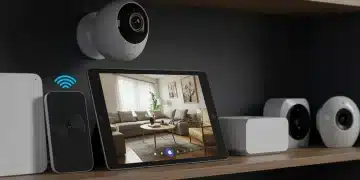
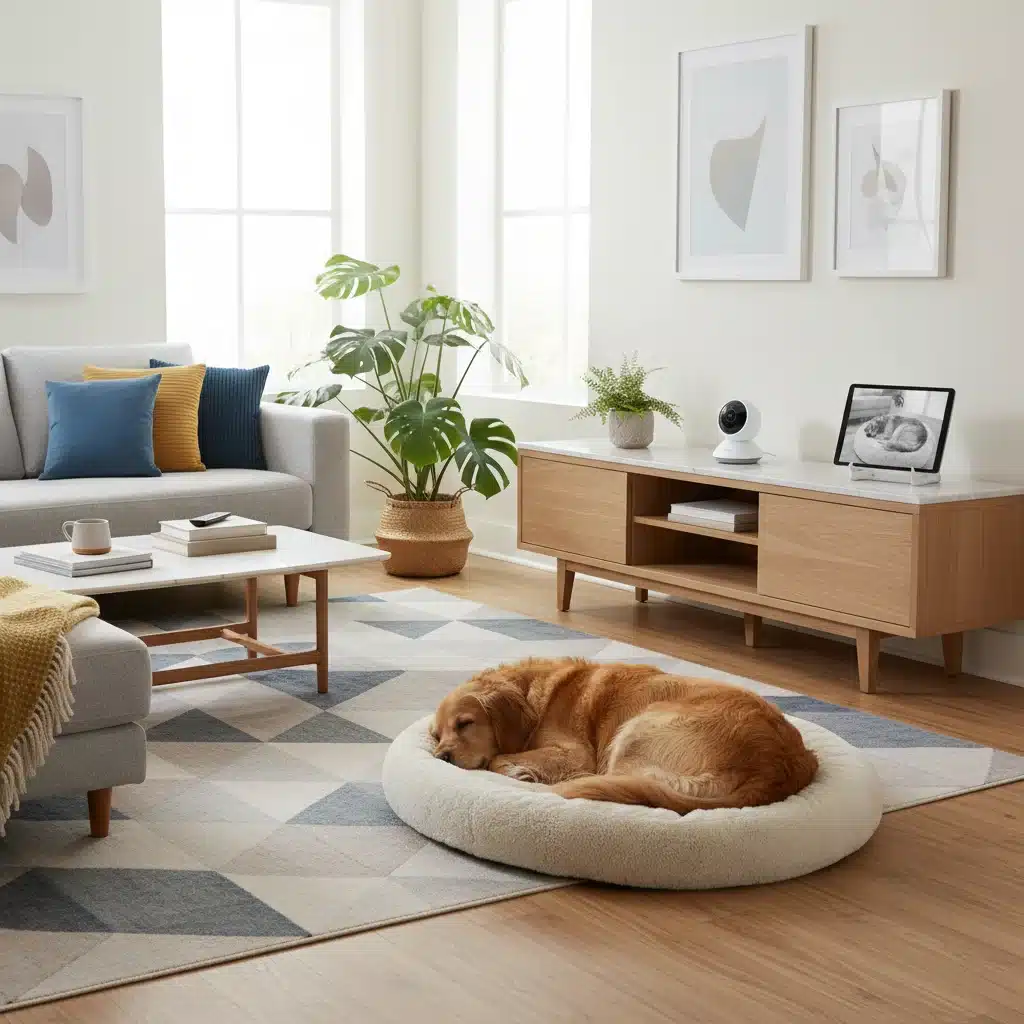
In the realm of smart pet safety, the advanced smart pet camera stands as the cornerstone of any comprehensive system. These aren’t your average security cameras; the 2026 models are equipped with features specifically designed to cater to the unique needs of pet owners. Imagine being able to not only see your pet but also hear them, speak to them, and even detect unusual behaviors, all from the palm of your hand. This is the power of modern smart pet cameras, making them an indispensable tool for any pet parent concerned about their animal’s well-being while they are away.
Key Features and Benefits:
- High-Definition Video and Night Vision: Crystal-clear video quality, often in 1080p or even 4K, ensures you can see every detail of your pet’s activities. Integrated night vision capabilities mean monitoring continues seamlessly, even in low-light conditions or complete darkness. This is crucial for verifying your pet’s safety at all hours, providing invaluable peace of mind.
- Two-Way Audio Communication: This feature is a game-changer. It allows you to not only hear your pet (e.g., if they’re barking excessively or whimpering) but also to speak to them directly. A calming word from your voice can often alleviate separation anxiety, discourage destructive behavior, or simply offer comfort, making your absence less stressful for them.
- AI-Powered Motion and Sound Detection: Modern smart pet cameras go beyond basic motion detection. AI algorithms can differentiate between your pet’s normal movements, a human intruder, or even specific pet sounds like barking, meowing, or scratching. This reduces false alarms and allows you to set up highly specific alerts tailored to potential issues, such as your dog trying to get onto the counter or your cat scratching furniture.
- Activity Tracking and Alerts: Many advanced cameras can track your pet’s activity patterns throughout the day, providing insights into their behavior. If there’s a significant deviation from their usual routine, such as prolonged inactivity or excessive pacing, the camera can send an alert, prompting you to investigate further. This proactive monitoring is key to early detection of potential health or stress issues.
- Treat Dispensing Functionality: Some high-end models integrate a treat dispenser, allowing you to reward good behavior or distract your pet remotely. This can be particularly useful for training or for providing a positive reinforcement during your absence, strengthening your bond even when you’re not home.
- Temperature and Humidity Sensors: Ensuring your pet’s environment is comfortable is vital. Integrated sensors in these cameras can monitor the room’s temperature and humidity, alerting you if conditions become unsafe (e.g., too hot or too cold). This allows you to remotely adjust smart thermostats or fans, protecting your pet from extreme weather conditions.
- Cloud Storage and Sharing: Most smart pet cameras offer cloud storage options for recorded video clips, allowing you to review events later or share cute moments with friends and family. This also serves as valuable evidence in case of an incident.
Why It’s Essential for Smart Pet Safety:
The primary benefit of an advanced smart pet camera is the unparalleled visibility and interaction it provides. It transforms anxiety about leaving your pet alone into confidence, knowing you can check in on them anytime, anywhere. For pets prone to separation anxiety, the two-way audio can be a lifeline. For owners concerned about destructive behaviors, the visual evidence and remote intervention capabilities are invaluable. Furthermore, the AI detection features offer a proactive layer of security, alerting you to potential problems before they escalate. It’s not just about watching your pet; it’s about being virtually present and responsive to their needs, making it a cornerstone of any smart pet safety strategy.
2. Automated Smart Pet Feeders with Portion Control and Scheduling
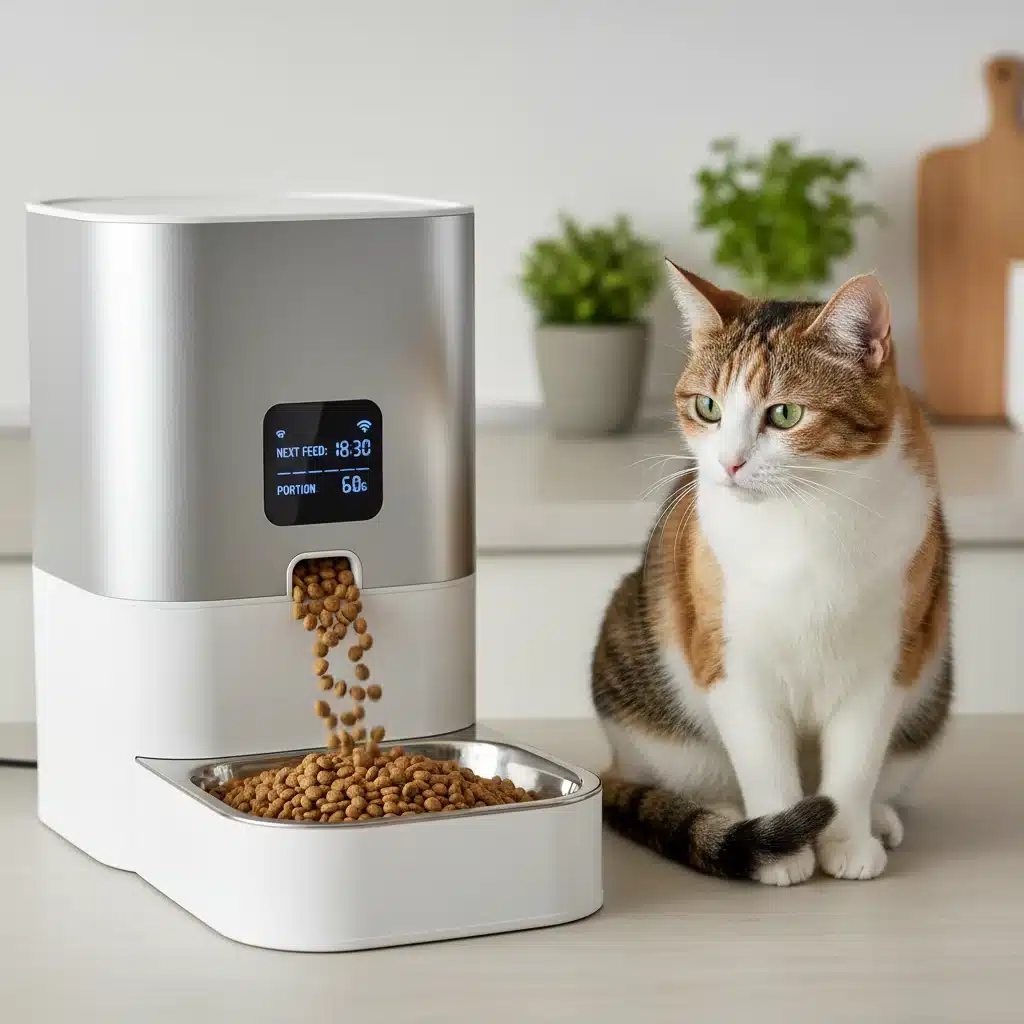
Proper nutrition is fundamental to your pet’s health and well-being. However, busy schedules, unexpected delays, or even just the desire for consistency can make regular feeding a challenge. Enter the automated smart pet feeder, a device that has evolved significantly by 2026 to offer much more than just timed meal delivery. These intelligent systems ensure your pet receives the right amount of food, at the right time, every single day, becoming a critical component of smart pet safety and health management.
Key Features and Benefits:
- Precise Portion Control: This is arguably the most significant advantage. Smart feeders allow you to program exact portion sizes, preventing overfeeding or underfeeding. This is particularly beneficial for pets on strict diets, those prone to obesity, or animals with specific medical conditions requiring controlled intake. Consistency in diet is a key factor in long-term pet health.
- Customizable Feeding Schedules: You can set multiple feeding times throughout the day, ensuring your pet maintains a regular eating routine. This helps regulate their metabolism, reduces begging behavior, and can even alleviate digestive issues. Some feeders allow for flexible scheduling, adapting to your pet’s specific needs or even your travel plans.
- Meal History Tracking: Many smart feeders log every meal dispensed, allowing you to review your pet’s eating habits over time. This data can be invaluable for monitoring their health and detecting any changes in appetite, which could be an early indicator of illness.
- Slow-Feed Options: For pets that tend to eat too quickly, some feeders offer slow-dispense modes or integrate slow-feed bowls. This helps prevent bloating, indigestion, and ensures proper nutrient absorption, contributing to better overall smart pet safety.
- Battery Backup and Wi-Fi Connectivity: Reliability is key. Most smart feeders come with battery backup systems to ensure meals are dispensed even during power outages. Wi-Fi connectivity allows for remote control and monitoring via a smartphone app, so you can adjust schedules or dispense an extra meal from anywhere.
- Anti-Clog Mechanisms: Advanced designs incorporate mechanisms to prevent kibble from getting stuck, ensuring consistent delivery. This prevents frustration for your pet and ensures they never miss a meal due to a technical glitch.
- Voice Recording/Playback: Some feeders allow you to record a short message that plays at mealtime, calling your pet to their food in your familiar voice. This can provide comfort and familiarity, especially for pets experiencing separation anxiety.
Why It’s Essential for Smart Pet Safety:
Automated smart pet feeders contribute significantly to smart pet safety by ensuring consistent nutrition, a cornerstone of good health. They remove the anxiety of missed meals due to unforeseen circumstances and provide a structured feeding routine that benefits your pet’s physical and mental well-being. For pets with specific dietary needs, these feeders are indispensable for maintaining health protocols. Moreover, the ability to monitor feeding history and remotely control meal delivery gives owners an unprecedented level of control and insight into their pet’s nutritional intake, reinforcing the overall smart pet safety system.
3. Smart Pet Doors with Microchip or RFID Access
For pet owners who wish to grant their pets the freedom to come and go, but without compromising home security or inviting unwanted wildlife, smart pet doors are a revolutionary solution. By 2026, these devices have become incredibly sophisticated, offering secure, controlled access that integrates seamlessly into your smart home ecosystem. They are a prime example of how smart pet safety can enhance both convenience and security simultaneously.
Key Features and Benefits:
- Microchip or RFID Tag Recognition: This is the core technology. The smart pet door reads your pet’s unique microchip (the same one used for identification) or a special RFID collar tag. This ensures that only your authorized pets can enter or exit, effectively blocking stray animals, wildlife, or even neighborhood pets from gaining access to your home.
- Programmable Access Times: You can set specific times when the door is active, allowing your pet outdoor access during daylight hours but locking it down at night for added security. This feature is invaluable for nocturnal animals or for keeping pets indoors during severe weather.
- Activity Tracking and Notifications: Many smart pet doors track when your pet enters and exits, providing a log of their outdoor adventures. You can receive notifications on your smartphone every time your pet uses the door, giving you real-time insight into their movements and ensuring their smart pet safety.
- Weather Sealing and Energy Efficiency: High-quality smart pet doors are designed with excellent weather sealing to prevent drafts and maintain your home’s energy efficiency. This means no more worries about heat loss or gain through a poorly sealed pet entrance.
- Manual Lock Override: For situations where you need to completely restrict access, a manual lock override is typically included, offering an extra layer of control.
- Multi-Pet Recognition: For households with multiple pets, some advanced doors can recognize individual pets and even control their access independently, if desired. This is particularly useful if one pet has outdoor privileges while another needs to stay indoors.
Why It’s Essential for Smart Pet Safety:
Smart pet doors offer an unparalleled blend of freedom for your pets and security for your home. They eliminate the need for you to constantly open and close doors, allowing your pets to relieve themselves or enjoy the outdoors on their own schedule. Crucially, they prevent unauthorized entry, which is a significant smart pet safety concern with traditional pet flaps. By granting controlled freedom, these devices reduce anxiety for both pets and owners, contributing to a happier and more secure home environment for your beloved animals.
4. Environmental Monitoring Systems (Temperature, Air Quality, Smoke/CO)
While often overlooked in discussions about smart pet safety, the environmental conditions within your home play a critical role in your pet’s health and safety. Extreme temperatures, poor air quality, or the presence of harmful gases can be deadly. By 2026, integrated environmental monitoring systems are becoming increasingly sophisticated, offering pet owners real-time data and alerts to ensure their pets are always in a safe and healthy environment.
Key Features and Benefits:
- Temperature and Humidity Monitoring: Beyond basic thermostats, these systems provide precise temperature and humidity readings in various rooms. You can set custom thresholds and receive immediate alerts if conditions fall outside safe ranges for your pet. This is crucial for preventing heatstroke in summer or hypothermia in winter, especially for sensitive breeds or older animals.
- Air Quality Sensors: Advanced sensors can detect volatile organic compounds (VOCs), particulate matter (PM2.5), and other airborne pollutants that can negatively impact your pet’s respiratory health. Alerts can prompt you to open windows, activate air purifiers, or address the source of pollution.
- Smart Smoke and Carbon Monoxide Detectors: While standard smoke detectors are essential, smart versions integrate with your home network, sending alerts directly to your phone if smoke or carbon monoxide is detected. Some even communicate with smart thermostats to shut off HVAC systems, preventing the spread of smoke or gas. This is a critical smart pet safety feature, as pets cannot escape a burning house on their own.
- Water Leak Detection: Sensors placed near water sources (e.g., water heater, under sinks) can detect leaks before they cause significant damage or create hazardous conditions for your pets. Standing water can be a slip hazard or even a source of electrocution if it comes into contact with electrical appliances.
- Integration with Smart Thermostats and HVAC: The true power comes from integration. If the system detects a dangerously high temperature, it can automatically trigger your smart thermostat to lower the temperature or turn on fans, providing an immediate response to environmental threats.
- Preventative Maintenance Alerts: Some systems can even monitor the performance of your HVAC system and alert you to potential issues before they lead to breakdowns, ensuring consistent climate control for your pets.
Why It’s Essential for Smart Pet Safety:
Environmental monitoring systems provide a silent, ever-vigilant guardian for your pet. They address risks that are often invisible but potentially devastating. Ensuring optimal temperature and air quality directly impacts your pet’s comfort and long-term health. More importantly, early detection of smoke, carbon monoxide, or water leaks can be the difference between life and death for pets left alone at home. These systems offer an indispensable layer of smart pet safety, protecting your animals from hazards they cannot perceive or escape from on their own.
5. GPS Pet Trackers with Geofencing Capabilities
Every pet owner dreads the thought of their beloved companion getting lost. Despite our best efforts, accidents happen, and a quick escape can lead to hours of frantic searching. This is where GPS pet trackers, particularly those with advanced geofencing capabilities, become an invaluable smart pet safety device. By 2026, these trackers are smaller, more accurate, and boast longer battery lives, making them a reliable tool for preventing and resolving lost pet situations.
Key Features and Benefits:
- Real-Time GPS Tracking: The core function is to provide the exact location of your pet in real-time via a smartphone app. This is crucial if your pet escapes, allowing you to quickly pinpoint their whereabouts and retrieve them. Accuracy has significantly improved, even in urban environments.
- Geofencing (Virtual Fences): This is a game-changing feature for smart pet safety. You can set up virtual boundaries around your home, yard, or any safe area. If your pet crosses this designated boundary, you receive an immediate alert on your phone. This allows for proactive intervention before your pet wanders too far or enters a dangerous area.
- Activity Monitoring: Many GPS trackers also double as fitness trackers, monitoring your pet’s activity levels, sleep patterns, and even calories burned. This data helps you ensure your pet is getting enough exercise and can alert you to significant changes in their routine which might indicate a health issue.
- Long Battery Life and Low Battery Alerts: Modern trackers are designed for extended battery life, often lasting several days or even weeks on a single charge. You also receive alerts when the battery is running low, ensuring your tracker is always operational when needed.
- Durable and Waterproof Design: Given that pets can be adventurous, these trackers are built to withstand various conditions, often being waterproof and highly durable to resist bumps and scratches.
- Historical Location Data: Most apps allow you to view your pet’s past movements, giving you insights into their favorite routes or potential escape points. This information can be useful for prevention.
- Integration with Emergency Services/Community: Some advanced systems offer features to quickly share your pet’s location with local animal shelters or a community of users in case they go missing, increasing the chances of a swift reunion.
Why It’s Essential for Smart Pet Safety:
A lost pet is every owner’s worst nightmare, and GPS trackers with geofencing offer the most robust defense against this. They provide immediate alerts if your pet breaches a safe zone, allowing for rapid response. In the unfortunate event that your pet does get lost, real-time tracking dramatically increases the chances of a quick and safe recovery. This technology not only offers peace of mind but also significantly enhances the overall smart pet safety of your beloved companion, ensuring they stay safely within your care.

Integrating Your Smart Pet Safety Ecosystem
The true power of these individual smart pet safety devices emerges when they are integrated into a cohesive smart home ecosystem. By 2026, many platforms allow different devices to communicate and work together, creating a synergistic environment that offers superior protection and convenience. Imagine a scenario where your smart pet camera detects unusual barking, and simultaneously, your automated feeder dispenses a small treat to calm your dog, while your environmental sensors confirm the temperature is optimal. This level of interconnectedness provides a holistic approach to smart pet safety.
The Benefits of Integration:
- Enhanced Automation: Devices can trigger actions in other devices. For example, if your GPS tracker detects your pet entering the ‘home zone,’ your smart pet door could automatically unlock.
- Centralized Control: Manage all your pet safety devices from a single app or smart home hub, simplifying monitoring and adjustments.
- Comprehensive Data Insights: Combining data from various devices (e.g., activity from the GPS tracker, feeding times from the feeder, and environmental conditions) provides a more complete picture of your pet’s well-being.
- Proactive Problem Solving: Integrated alerts mean you’re more likely to catch potential issues early, whether it’s a change in behavior, an environmental hazard, or an escape attempt.
Choosing the Right Smart Pet Safety Devices: Insider Knowledge
With so many options available, selecting the right smart pet safety devices can feel overwhelming. Here’s some insider knowledge to guide your decisions:
- Assess Your Pet’s Specific Needs: A high-energy dog might benefit more from a GPS tracker and robust camera, while a senior cat might need more focus on environmental monitoring and automated feeding.
- Consider Your Lifestyle: If you travel frequently, remote monitoring and feeding are paramount. If you work long hours, devices that provide interaction and entertainment for your pet might be a priority.
- Compatibility is Key: Before purchasing, check if devices are compatible with your existing smart home ecosystem (e.g., Google Home, Amazon Alexa, Apple HomeKit) or if they operate on their own dedicated app. Integration enhances usability.
- Read Reviews and Research Brands: Not all smart devices are created equal. Look for reputable brands with strong customer support and consistent software updates. User reviews often highlight real-world performance and potential issues.
- Prioritize Security and Privacy: Since these devices often involve cameras and personal data, ensure the brands you choose have robust security protocols and clear privacy policies.
- Start Small and Expand: You don’t need to buy everything at once. Start with the devices that address your most pressing smart pet safety concerns (e.g., a camera for monitoring) and gradually expand your system as your needs evolve and technology advances.
- Battery Life Matters: For devices like GPS trackers, battery life is crucial. Always check the advertised battery life and consider how often you’re willing to recharge.
- Ease of Use: A smart device is only truly smart if it’s easy to set up and operate. Look for intuitive apps and straightforward installation processes.
The Future of Smart Pet Safety: What’s Next?
The trajectory of smart pet safety technology is nothing short of exciting. Looking beyond 2026, we can anticipate even more sophisticated advancements:
- Advanced Biometric Monitoring: Wearable devices that monitor your pet’s heart rate, respiration, and even stress levels with medical-grade accuracy, providing early warnings for health issues.
- AI-Powered Behavioral Analysis: Cameras and sensors that not only detect motion but also interpret complex pet behaviors (e.g., signs of anxiety, pain, or boredom) and suggest interventions or alert veterinarians.
- Robotic Companions and Interactive Toys: More advanced robotic devices that offer intelligent companionship, interactive play, and even basic training, reducing loneliness for pets left alone.
- Enhanced Environmental Control: Hyper-localized climate control within specific pet areas, personalized light exposure, and even air purification systems tailored to individual pet allergies.
- Tele-Veterinary Integration: Seamless integration with veterinary services, allowing for remote consultations, sharing of pet data, and even remote assistance during emergencies.
- Smart Home Energy Optimization for Pets: Systems that optimize energy consumption based on pet activity and presence, ensuring comfort without unnecessary energy waste.
These future developments promise an even deeper level of insight, interaction, and protection for our animal companions, further solidifying the role of smart technology in modern pet care and smart pet safety.
Conclusion: Investing in Your Pet’s Future with Smart Pet Safety
In conclusion, the landscape of smart home safety devices for pet owners in 2026 offers an unprecedented opportunity to enhance the well-being, security, and happiness of our animal family members. From advanced smart pet cameras that provide virtual companionship to automated feeders ensuring precise nutrition, secure pet doors granting controlled freedom, environmental monitors safeguarding their indoor habitat, and GPS trackers preventing lost pet scenarios, each device plays a vital role in a comprehensive smart pet safety strategy.
Investing in these technologies isn’t just about convenience; it’s about providing peace of mind, fostering a safer environment, and strengthening the bond with your pets. By carefully selecting and integrating these smart solutions, pet owners can create a home that is truly optimized for their pets’ needs, ensuring their safety and comfort 24/7. As technology continues to evolve, the possibilities for smart pet safety will only expand, offering even more innovative ways to care for and protect our cherished companions. Embrace the future of pet care today and give your pets the gift of a smart, safe, and loving home.