Smart Home Health Monitoring: 4 Emerging Technologies for Proactive Wellness in 2026

Smart Home Health Monitoring: 4 Emerging Technologies for Proactive Wellness in 2026
The concept of a ‘smart home’ has evolved far beyond automated lighting and climate control. Today, it’s increasingly intertwined with our well-being, offering unprecedented opportunities for proactive health management. As we look towards 2026, the convergence of advanced sensor technology, artificial intelligence, and seamless connectivity is setting the stage for a revolution in smart home health monitoring. This isn’t just about tracking steps; it’s about creating an intelligent ecosystem that understands, anticipates, and responds to our health needs, often before we even realize them.
The demand for such innovative solutions is surging. An aging global population, coupled with a growing emphasis on preventive care and personalized medicine, is driving significant investment and research into digital health. People want to live healthier, more independent lives, and technology is becoming an indispensable ally in achieving this goal. From managing chronic conditions to optimizing daily wellness routines, smart home health systems promise to deliver insights and interventions directly into our living spaces, making health monitoring more accessible, less intrusive, and ultimately, more effective.
In this comprehensive guide, we will explore four key emerging technologies that are poised to redefine smart home health monitoring by 2026. These innovations are not mere incremental improvements; they represent fundamental shifts in how we perceive and interact with our health data, empowering individuals and caregivers alike with actionable information and peace of mind. Prepare to discover the future of wellness, delivered right to your doorstep.
1. Non-Contact Biometric Sensors: The Invisible Guardians of Health
Imagine a world where your home monitors your vital signs without you ever having to wear a device or interact with a machine. This is the promise of non-contact biometric sensors, a technology rapidly maturing and set to become a cornerstone of smart home health in 2026. Traditional health monitoring often involves wearables or direct physical interaction, which can be inconvenient, uncomfortable, or easily forgotten. Non-contact sensors, however, operate discreetly in the background, collecting valuable data from a distance.
How They Work and Their Advantages
These sophisticated sensors utilize a variety of principles, including radar, lidar, thermal imaging, and even subtle changes in Wi-Fi signals, to detect physiological parameters. For instance, radar-based sensors can measure heart rate and respiratory rate by detecting minuscule movements of the chest wall. Thermal cameras can identify fever or changes in skin temperature, while specialized cameras can track subtle facial color changes to estimate blood pressure. The key advantage here is their unobtrusiveness. They can be integrated into walls, furniture, or even mirrors, making them virtually invisible.
The benefits of non-contact monitoring are profound, particularly for vulnerable populations. For the elderly, continuous monitoring without the need for wires or buttons can significantly enhance safety and independence. For individuals with chronic conditions, it provides a seamless way to track vital signs, detect anomalies, and alert caregivers or healthcare providers to potential issues before they escalate. Think about the peace of mind knowing that a loved one’s sleep patterns, breathing, and heart rate are being monitored throughout the night, without disturbing their rest.
Applications in Smart Home Health by 2026
- Sleep Monitoring: Advanced non-contact sensors will accurately track sleep stages, breathing irregularities (like sleep apnea), and restless leg syndrome, providing detailed insights without the need for uncomfortable wearables or sleep lab visits.
- Fall Detection and Prevention: By monitoring movement patterns and gait, these sensors can identify early signs of instability, predict potential fall risks, and even detect a fall in real-time, instantly alerting emergency contacts.
- Continuous Vital Sign Tracking: Heart rate, respiratory rate, and even blood pressure can be continuously monitored throughout the day and night, offering a comprehensive picture of an individual’s health trends.
- Behavioral Pattern Analysis: Beyond vital signs, these sensors can analyze daily routines and behavioral changes, which can be early indicators of cognitive decline or other health issues.
The integration of these sensors into a comprehensive smart home health ecosystem will allow for predictive analytics, identifying subtle changes that might otherwise go unnoticed. This proactive approach is crucial for early intervention and personalized care, moving healthcare from reactive to preventive.
2. AI-Powered Predictive Analytics for Personalized Wellness
Data, in isolation, is just numbers. But when processed and analyzed by artificial intelligence (AI), it transforms into powerful insights. AI-powered predictive analytics is the brain behind the brawn of smart home health monitoring, taking the vast amounts of data collected by various sensors and turning it into actionable intelligence. By 2026, AI won’t just tell you what happened; it will predict what might happen, offering personalized recommendations and early warnings that could be life-changing.
From Data Collection to Actionable Insights
The magic of AI lies in its ability to identify patterns and correlations within complex datasets that are imperceptible to the human eye. In a smart home health context, AI algorithms will ingest data from non-contact sensors, wearables, smart appliances, and even environmental sensors (air quality, temperature, humidity). It will then compare this individual’s data against historical records, population health data, and medical research to build a highly personalized health profile.
For example, if an AI system detects a gradual decline in a user’s activity levels, combined with subtle changes in sleep patterns and heart rate variability, it might flag a potential risk of depression or an exacerbation of a chronic condition. Instead of waiting for symptoms to become severe, the system could proactively suggest a virtual consultation with a doctor, recommend specific exercises, or even adjust the home environment to promote better sleep.
The Role of Machine Learning in Proactive Health
- Early Disease Detection: Machine learning models can be trained on vast medical datasets to recognize the subtle early indicators of diseases like cardiovascular issues, diabetes, or even neurodegenerative disorders, often long before clinical symptoms appear.
- Personalized Health Coaching: AI will act as a personalized health coach, analyzing your dietary habits, activity levels, sleep quality, and stress indicators to provide tailored recommendations for exercise, nutrition, and mindfulness practices.
- Medication Adherence Monitoring: Smart pill dispensers combined with AI can track medication intake, remind users, and even detect if doses are missed, sending alerts to caregivers or pharmacies.
- Risk Assessment and Prevention: By continuously analyzing multiple data streams, AI can provide real-time risk assessments for events like falls, exacerbations of asthma, or glucose spikes, allowing for immediate preventive actions.
The ethical considerations surrounding data privacy and security are paramount in this field. Robust encryption, anonymization techniques, and strict regulatory frameworks will be essential to build trust and ensure the responsible deployment of AI in smart home health applications. However, the potential for AI to transform reactive healthcare into proactive, personalized wellness is undeniable and will be a defining feature of smart home health by 2026.
3. Advanced Wearable and Implantable Sensors: Beyond the Wrist
While non-contact sensors offer unparalleled convenience, there are still instances where direct contact provides more precise or specific data. By 2026, wearable and even implantable sensors will have evolved significantly, moving beyond the traditional smartwatch to offer more specialized, discreet, and medically relevant monitoring capabilities. These advanced devices will seamlessly integrate with the broader smart home health ecosystem, providing a comprehensive and granular view of an individual’s health.
Evolution of Wearables: From Fitness to Medical Grade
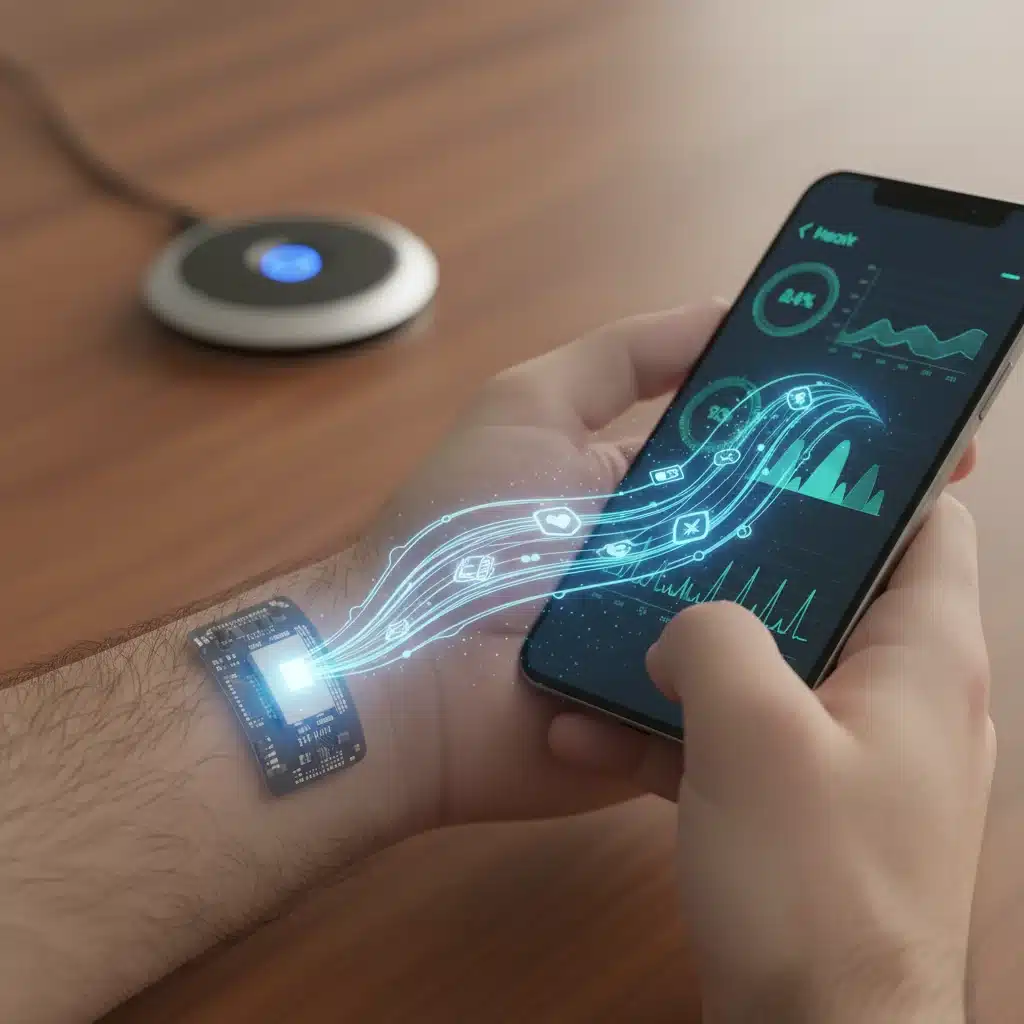
The next generation of wearables will be less about step counting and more about clinical-grade data collection. Think smart patches that continuously monitor glucose levels for diabetics without finger pricks, or disposable skin sensors that track hydration and electrolyte balance during intense workouts or for individuals at risk of dehydration. These devices will be smaller, more comfortable, and boast significantly longer battery life, making continuous wear practical.
Furthermore, textiles will become increasingly ‘smart.’ Clothes embedded with conductive fibers and micro-sensors will monitor heart rate, respiration, body temperature, and even muscle activity without the wearer feeling any discomfort. This will be particularly beneficial for athletes, rehabilitation patients, and infants, providing continuous data without bulky equipment.
The Rise of Miniaturized Implantable Devices
While still a niche area, the advancements in miniaturization and biocompatibility are paving the way for implantable sensors to play a more significant role in smart home health. These devices, often no larger than a grain of rice, can continuously monitor specific internal physiological parameters with extreme accuracy. Examples include:
- Continuous Glucose Monitors (CGMs): Already in use, these will become even smaller, more reliable, and integrate directly with smart home systems to provide real-time alerts and insulin pump control.
- Cardiac Monitors: Tiny implantable loop recorders can monitor heart rhythm for extended periods, detecting arrhythmias that might be missed during intermittent checks.
- Pressure Sensors: For conditions like glaucoma or chronic heart failure, implantable sensors can monitor internal pressures, providing early warnings of exacerbations.
- Drug Delivery Systems: Future implants might not only monitor but also deliver precise doses of medication based on real-time physiological data, creating a closed-loop therapeutic system.
The data from these advanced wearables and implants will feed directly into the AI-powered predictive analytics engine of the smart home health system, creating an incredibly detailed and dynamic health profile. This level of personalized, continuous monitoring will enable truly proactive interventions and highly tailored health management strategies.
4. Integrated Virtual Care and Telemedicine Platforms
The ultimate goal of smart home health monitoring is not just to collect data, but to facilitate better healthcare delivery. By 2026, the data gathered by smart home systems will be seamlessly integrated with advanced virtual care and telemedicine platforms, transforming how we interact with healthcare professionals. This integration will bridge the gap between in-home monitoring and clinical expertise, making healthcare more accessible, efficient, and personalized than ever before.
Bridging the Gap Between Home and Clinic
No longer will patients need to wait for an appointment or travel to a clinic for routine check-ups or to discuss chronic condition management. The smart home health system will act as a digital health assistant, continuously monitoring health parameters and, when necessary, initiating a virtual consultation. Imagine an AI system detecting a concerning trend in your blood pressure or glucose levels and automatically scheduling a video call with your physician, who already has access to your real-time and historical data.
These integrated platforms will offer a range of services:
- Teleconsultations: Secure video and audio calls with doctors, specialists, and nurses, complete with remote diagnostic tools.
- Remote Patient Monitoring (RPM): Healthcare providers can remotely monitor patients with chronic conditions, receiving alerts for deviations from baseline and adjusting care plans proactively.
- Virtual Physical Therapy and Rehabilitation: AI-powered cameras can track patient movements during exercises, providing real-time feedback and ensuring correct form, all from the comfort of home.
- Mental Health Support: Virtual therapy sessions and AI-driven mental wellness apps, integrated with mood and sleep tracking from smart home sensors, can provide comprehensive mental health support.
Enhanced Caregiver Support and Emergency Response
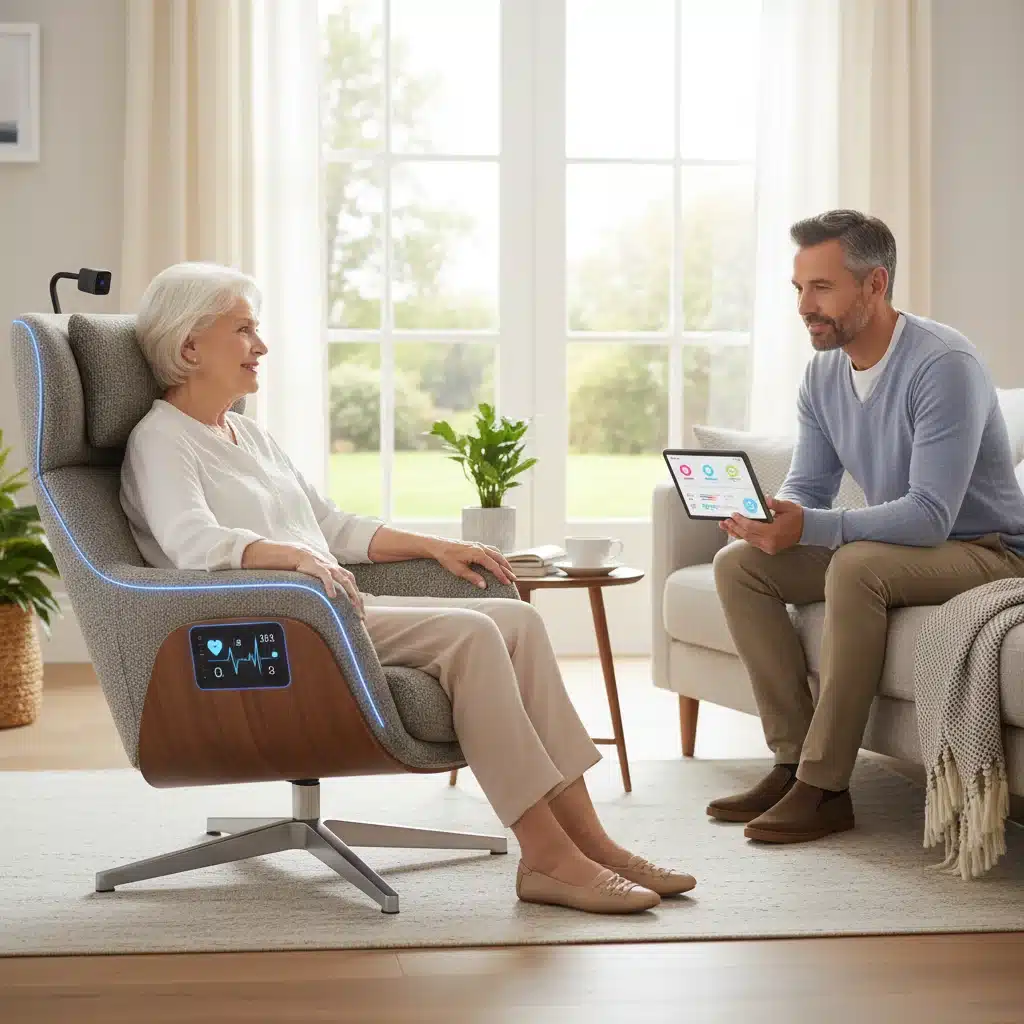
Beyond direct patient-provider interactions, integrated virtual care platforms will significantly enhance support for caregivers. Family members can securely access their loved one’s health data, receive alerts, and participate in virtual consultations, regardless of geographical distance. This provides immense peace of mind and facilitates more coordinated care.
In emergencies, the smart home health system can automatically trigger alerts to emergency services, providing them with critical information about the individual’s condition and location. For instance, a fall detected by non-contact sensors could instantly alert paramedics, providing them with the individual’s medical history and current vital signs before they even arrive, potentially saving precious time in critical situations.
The seamless integration of monitoring, analytics, and virtual care will create a truly holistic approach to health, making healthcare more accessible, personalized, and responsive to individual needs, ultimately empowering individuals to live healthier lives within their own homes.
The Synergy of Technologies: A Holistic Smart Home Health Ecosystem
It’s crucial to understand that the true power of these emerging technologies lies not in their individual capabilities, but in their synergistic integration. By 2026, a truly advanced smart home health ecosystem will be a harmonious blend of non-contact sensors, AI-powered analytics, advanced wearables, and integrated virtual care platforms. Each component will feed into and enhance the others, creating a comprehensive and responsive network dedicated to proactive wellness.
A Day in the Life with Smart Home Health 2026
Imagine waking up. Your smart bed has already analyzed your sleep cycles and adjusted the room temperature for optimal waking. Non-contact sensors in your bedroom have monitored your heart rate and breathing throughout the night, sending data to the AI. As you step out of bed, a smart floor mat assesses your gait and balance, noting any subtle changes. In the bathroom, a smart mirror analyzes your facial complexion and vital signs, while a smart toilet provides insights into hydration and digestive health.
Throughout the day, discreet sensors monitor your activity levels, posture, and even stress indicators. The AI continuously processes this information, cross-referencing it with your personalized health profile, dietary intake (tracked via smart kitchen appliances), and environmental data. If it detects a potential health deviation, it might suggest a short mindfulness exercise, recommend a specific healthy snack, or even flag a need for a virtual check-up with your doctor, who receives a summary of your health trends.
For individuals with chronic conditions, this level of continuous, integrated monitoring is transformative. A diabetic’s glucose levels are constantly monitored by an implantable sensor, with the data fed to the AI. If a spike is predicted, the system might alert the individual, suggest a dietary adjustment, or even remotely adjust an insulin pump, all under the supervision of their healthcare provider via the integrated telemedicine platform.
Challenges and the Path Forward
While the vision for smart home health by 2026 is exciting, several challenges need to be addressed. Data privacy and security remain paramount concerns, requiring robust encryption, clear consent mechanisms, and adherence to strict regulatory standards like HIPAA and GDPR. Interoperability between different devices and platforms is another hurdle; a truly seamless ecosystem requires universal communication protocols. Cost and accessibility also need to be considered to ensure these life-changing technologies are available to a broad demographic, not just a select few.
However, the rapid pace of technological innovation, coupled with increasing consumer demand and healthcare provider interest, suggests that these challenges are being actively addressed. Collaborative efforts between tech companies, healthcare providers, and policymakers will be crucial in realizing the full potential of smart home health.
Conclusion: Empowering Proactive Wellness at Home
The future of health is undeniably intertwined with our homes. By 2026, smart home health monitoring will have moved beyond nascent concepts to become a sophisticated, integrated reality. The four emerging technologies discussed – non-contact biometric sensors, AI-powered predictive analytics, advanced wearable and implantable sensors, and integrated virtual care platforms – are not just individual innovations; they are the pillars of a new paradigm in proactive wellness.
This paradigm empowers individuals to take unprecedented control over their health, offering continuous, personalized insights and timely interventions. It transforms homes into active partners in well-being, providing peace of mind for individuals and their caregivers, and enabling healthcare providers to deliver more efficient and personalized care. As these technologies mature and become more accessible, they will play a pivotal role in shifting healthcare from a reactive, illness-focused model to a proactive, wellness-driven one.
Embrace the future where your home actively contributes to your health, ensuring a healthier, more independent, and better-informed life for years to come. The journey towards a truly intelligent and health-conscious living environment is well underway, and 2026 promises to be a landmark year for smart home health innovation.