Health & Wellness Smart Homes: Top 3 U.S. Trends 2026
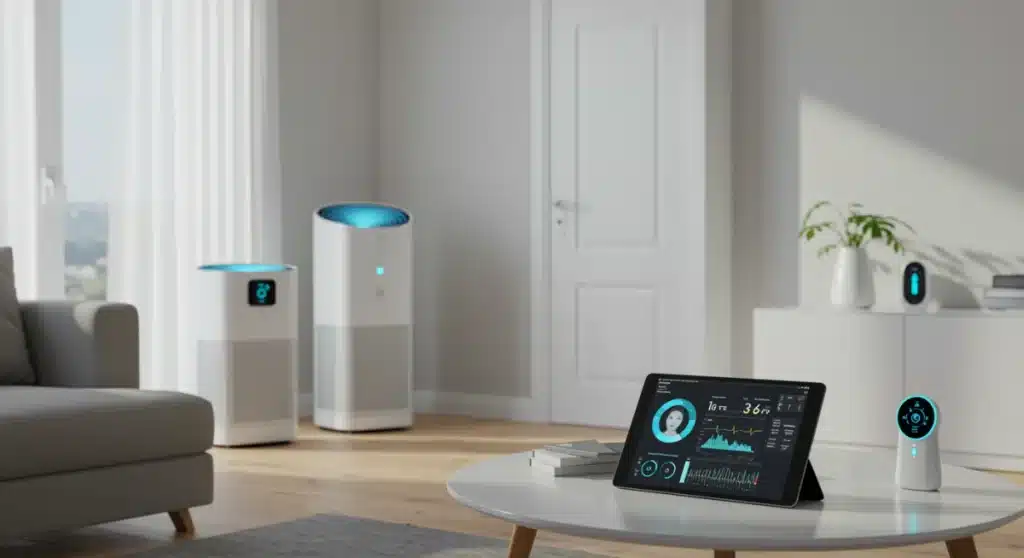
In 2026, the integration of health and wellness into smart homes in the U.S. is rapidly advancing, focusing on personalized environmental control, predictive health analytics, and seamless well-being support for an enhanced quality of life.
The concept of a home has evolved far beyond just shelter; it’s now a hub for our lives, and increasingly, our well-being. In the United States, the convergence of technology and health is creating exciting opportunities, with health and wellness integration: top 3 smart home trends to watch in the U.S. for 2026 redefining how we live, work, and thrive. What innovations are truly shaping the future of our living spaces?
Personalized Environmental Control: Breathing Easier, Living Better
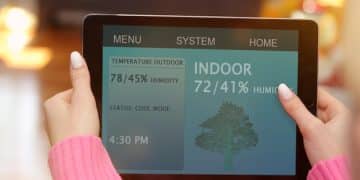
As we move further into 2026, the idea of a smart home simply adjusting the thermostat feels almost quaint. Today’s innovations are pushing the boundaries of environmental control, making our homes actively contribute to our physical and mental health. This goes beyond mere comfort; it’s about creating an optimal microclimate tailored to individual needs and preferences.
Imagine a home that intuitively understands your respiratory health, adjusting air filtration based on local pollen counts or even predictive analytics of your allergy patterns. This level of personalization is becoming a cornerstone of smart home wellness. The focus is shifting from reactive adjustments to proactive environmental management, ensuring every breath you take indoors is of the highest quality.
Advanced Air and Water Quality Management
The air we breathe and the water we drink are fundamental to our health. Smart home systems in 2026 offer sophisticated solutions to monitor and enhance these crucial elements. These systems are no longer just about filtering; they’re about comprehensive analysis and dynamic response.
- Real-time Pollutant Detection: Sensors constantly scan for VOCs, fine particulate matter, carbon monoxide, and even biological contaminants.
- Automated Purification: Integrated air purifiers and humidifiers activate automatically, adjusting their intensity based on detected pollutants or allergy triggers.
- Smart Water Filtration: Systems analyze water quality, removing impurities and adjusting mineral content, often with personalized profiles for different family members.
These advanced systems provide transparent data, allowing homeowners to see the direct impact of their smart home on their immediate environment. This transparency builds trust and empowers individuals to take charge of their indoor health.
Dynamic Lighting and Circadian Rhythm Synchronization
Beyond air and water, light plays a pivotal role in our well-being, particularly in regulating our circadian rhythms. Smart lighting systems are now designed to mimic natural light cycles, fostering better sleep and improved mood. This isn’t just about dimming lights; it’s about subtle shifts in color temperature and intensity throughout the day.
The integration of smart lighting with personal biometrics, like sleep trackers, allows the home to learn and adapt. For example, if a system detects a restless night, it might gently increase blue light exposure in the morning to aid alertness, or gradually dim and warm the lights in the evening to promote melatonin production.
The future of personalized environmental control is about creating a living space that is not only comfortable but actively supports and enhances your health, adapting to your unique biological rhythms and external environmental factors.
Predictive Health Monitoring and Proactive Intervention
One of the most transformative smart home wellness trends for 2026 is the evolution of health monitoring from reactive to predictive. Instead of just tracking data, smart homes are now equipped to analyze patterns, identify potential health risks, and even suggest proactive interventions. This shift marks a significant step towards truly intelligent living.
This trend leverages sophisticated AI and machine learning algorithms to process vast amounts of data collected from various integrated devices. From sleep patterns to heart rate variability, and even subtle changes in gait or activity levels, the smart home becomes a silent, vigilant guardian of your health, working to identify issues before they become critical.
Integrated Biometric Sensors and Wearable Connectivity
The smart home ecosystem is increasingly connected to personal biometric data, moving beyond just dedicated health devices. Walls, floors, and even furniture can now house discreet sensors that collect vital information without requiring conscious interaction.
- Passive Biometric Collection: Sensors embedded in mattresses monitor sleep stages, heart rate, and breathing without wearables.
- Gait and Fall Detection: Floor sensors can analyze walking patterns, identifying potential fall risks for elderly residents and alerting caregivers.
- Seamless Wearable Integration: Data from smartwatches and other wearables is automatically synced, providing a comprehensive health profile to the home’s central AI.
This continuous, ambient data collection allows for a more accurate and holistic understanding of an individual’s health status, reducing the burden of manual tracking and ensuring consistent data streams.
AI-Powered Health Analytics and Personalized Recommendations
The true power of predictive health monitoring lies in the AI that processes this data. These systems can identify subtle deviations from an individual’s baseline, flagging potential issues that might otherwise go unnoticed. The recommendations are highly personalized, considering not just health data but also lifestyle and environmental factors.
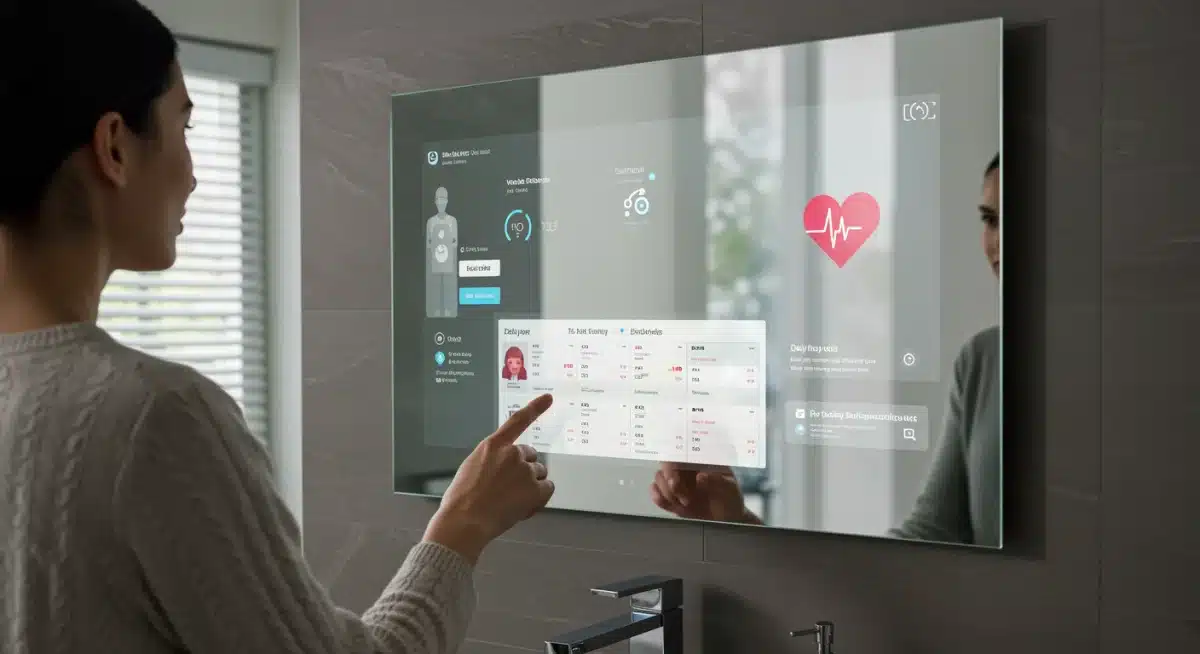
For example, if the AI detects prolonged sedentary behavior combined with poor sleep quality, it might suggest a gentle exercise routine accessible through the smart home display, or recommend adjusting room temperature and lighting for better sleep hygiene. This proactive approach aims to prevent health problems rather than just responding to them.
The goal is to empower individuals with actionable insights, turning raw data into meaningful advice that supports a healthier, more active lifestyle within the comfort and privacy of their own homes.
Mind-Body Harmony: Smart Spaces for Mental and Emotional Well-being
While physical health has long been a focus, 2026 sees a significant expansion of smart home technology into supporting mental and emotional well-being. Recognizing the interconnectedness of mind and body, these innovations create environments that actively reduce stress, promote relaxation, and foster positive psychological states. This trend acknowledges that true wellness is holistic.
From dynamic sensory experiences to personalized cognitive support, smart homes are becoming sanctuaries designed to calm the mind and uplift the spirit. The integration of these features is seamless, making mental well-being an intrinsic part of the daily living experience, rather than an afterthought.
Adaptive Sensory Environments for Stress Reduction
Smart homes are now capable of creating immersive sensory experiences tailored to an individual’s mental state or desired mood. This involves orchestrating various elements of the home environment to achieve a specific psychological effect.
- Personalized Soundscapes: Systems can generate calming nature sounds, binaural beats for focus, or even guided meditations based on user preferences and detected stress levels.
- Aromatherapy Integration: Diffusers can release essential oils, like lavender for relaxation or peppermint for invigoration, on a schedule or on demand.
- Dynamic Visual Displays: Smart screens can project calming natural scenes, fractal patterns, or soothing color gradients to enhance relaxation.
These adaptive environments provide a personalized escape from daily stressors, allowing individuals to decompress and recharge within their own living spaces.
Cognitive Support and Mindfulness Integration
Beyond passive relaxation, smart homes are also offering tools for active cognitive support and mindfulness practices. These features are designed to enhance mental clarity, improve focus, and encourage regular mindfulness routines.
Interactive displays can offer guided meditation sessions, breathing exercises, or even cognitive games designed to keep the mind sharp. Voice assistants are becoming more sophisticated, capable of leading mindfulness prompts or providing gentle reminders for breaks and self-care activities throughout the day. The home becomes a partner in cultivating mental resilience.
This trend emphasizes the importance of a holistic approach to health, recognizing that a truly smart home supports not just physical vitality but also mental peace and emotional balance.
The Ecosystem of Connectivity: Seamless Integration for Holistic Living
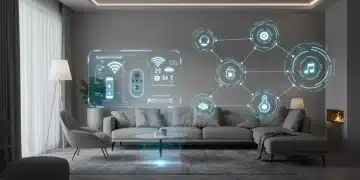
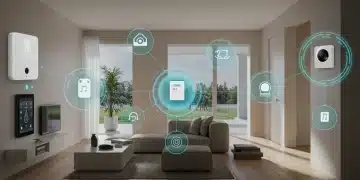
The power of these smart home wellness trends in 2026 doesn’t just come from individual devices, but from their seamless integration into a cohesive ecosystem. This connectivity allows for a truly holistic approach to health and wellness, where different systems communicate and collaborate to optimize the living environment. The fragmentation of past smart home setups is giving way to a unified, intelligent network.
This ecosystem ensures that data flows freely and securely between devices, allowing for more intelligent automation and personalized responses. Imagine your sleep tracker informing your lighting system, which in turn influences your smart coffee maker and morning news briefing, all tailored to your optimal wake-up routine.
Interoperability and Open Standards
A key driver of this seamless integration is the increasing adoption of interoperability standards. As more devices speak the same language, consumers have greater flexibility in choosing products from different brands that work together harmoniously. This eliminates proprietary silos and fosters a more robust and adaptable smart home environment.
The push for open standards benefits both manufacturers and consumers, leading to more innovative solutions and a smoother user experience. This means less time spent troubleshooting compatibility issues and more time enjoying the benefits of an integrated wellness system.
Data Privacy and Security as Core Pillars
With the collection of sensitive health and personal data, privacy and security are paramount. In 2026, robust encryption, anonymization techniques, and transparent data usage policies are built into the core of smart home wellness systems. Consumers are demanding greater control over their data, and manufacturers are responding with enhanced security features and clear consent mechanisms.
Blockchain technology is also being explored for secure data management, providing an immutable ledger for health data and giving users complete ownership. This focus on privacy ensures that the benefits of personalized wellness don’t come at the cost of personal information security.
The future of smart home wellness is inherently tied to a connected, secure, and interoperable ecosystem that puts the user’s health and data privacy at its forefront.
Ethical Considerations and Accessibility in Smart Home Wellness
As smart home wellness technologies become more sophisticated, it’s crucial to address the ethical implications and ensure accessibility for all segments of the population. The promise of enhanced health and well-being should not be exclusive, nor should it inadvertently create new challenges. Thoughtful development and deployment are key to realizing the full potential of these innovations.
Discussions around data bias, digital divides, and the potential for over-reliance on technology are becoming more prevalent. Addressing these concerns proactively will shape the responsible growth of the smart home wellness market.
Addressing the Digital Divide and Affordability
While cutting-edge smart home wellness systems offer incredible benefits, their cost and complexity can create a digital divide. Ensuring these technologies are accessible to a broader demographic is vital. This involves developing more affordable entry-level solutions, offering flexible financing options, and designing user interfaces that are intuitive for people of all tech-savviness levels.
Government initiatives and community programs could also play a role in subsidizing or educating the public on the benefits and usage of these systems, ensuring that health benefits are not solely reserved for the affluent.
Privacy, Autonomy, and Informed Consent
The continuous collection of personal health data raises important questions about privacy and individual autonomy. Users must have clear, transparent control over what data is collected, how it’s used, and who it’s shared with. Informed consent should be a continuous process, not a one-time agreement.
Ethical guidelines for AI in health monitoring are also being developed to prevent algorithmic bias and ensure that recommendations are fair and beneficial. Striking a balance between personalized support and respecting individual choice will be a continuous challenge and a critical area of focus.
By actively addressing these ethical and accessibility considerations, the smart home wellness industry can ensure its growth is inclusive and beneficial for society as a whole, fostering trust and widespread adoption.
The Future Landscape: Beyond 2026
Looking beyond 2026, the trajectory of smart home wellness integration points towards even deeper personalization and predictive capabilities. The foundations being laid now for advanced environmental control, predictive health monitoring, and mind-body harmony will serve as launching pads for truly revolutionary advancements. We are moving towards homes that are not just smart, but truly intelligent partners in our long-term health journey.
The focus will likely shift towards preventative medicine delivered directly through the home environment, anticipating health issues even further in advance and offering highly customized, non-invasive interventions. Imagine homes that can even assist in rehabilitation or provide hyper-personalized nutritional guidance based on real-time metabolic data.
Hyper-Personalized Wellness Journeys
The next phase will involve smart homes creating hyper-personalized wellness journeys, adapting not just to current needs but also to long-term health goals. This could include integration with genetic data for tailored diet and exercise recommendations, or even proactive alerts based on family medical history and environmental risk factors. The home will become an active participant in achieving and maintaining optimal health over a lifetime.
Furthermore, the integration with external healthcare providers will become smoother, allowing for secure sharing of relevant data (with explicit consent) to facilitate remote consultations and more informed medical care. The home will bridge the gap between daily living and clinical health management.
Regenerative and Sustainable Living
Beyond individual health, future smart homes will also increasingly focus on regenerative and sustainable living, recognizing that planetary health is inextricably linked to human well-being. This will mean ultra-efficient energy systems, advanced waste management, and even integrated vertical gardens for fresh produce, all managed by the central AI.
These homes will not only protect our health but also minimize our environmental footprint, creating a truly holistic and responsible living paradigm. The smart home of the future will be a testament to human ingenuity in fostering both personal and planetary wellness.
The journey of smart home wellness is an exciting one, promising a future where our living spaces are not just convenient, but actively contribute to a healthier, happier, and more sustainable existence for all.
| Key Trend | Brief Description |
|---|---|
| Personalized Environmental Control | Smart homes actively optimize air, water, and lighting for individual health, adapting to real-time data and circadian rhythms. |
| Predictive Health Monitoring | AI-powered systems analyze biometric data from integrated sensors to anticipate health issues and offer proactive interventions. |
| Mind-Body Harmony | Homes create adaptive sensory environments and offer cognitive support to reduce stress and foster mental well-being. |
| Seamless Connectivity | Interoperable devices and secure data sharing create a unified, intelligent ecosystem for holistic wellness management. |
Frequently Asked Questions About Smart Home Wellness
Personalized environmental control refers to smart home systems that dynamically adjust elements like air quality, humidity, and lighting to optimize an individual’s health and comfort. These systems use sensors and AI to adapt to personal preferences and physiological needs, like circadian rhythms.
Smart homes achieve predictive health monitoring by integrating biometric sensors in various devices and connecting with wearables. AI analyzes this continuous data to identify patterns, detect early signs of health issues, and provide proactive recommendations to prevent problems before they escalate.
Yes, smart homes can significantly improve mental well-being by creating adaptive sensory environments. This includes personalized soundscapes, aromatherapy diffusion, and dynamic lighting to reduce stress, promote relaxation, and support mindfulness practices, fostering a calmer psychological state.
Privacy concerns revolve around the collection and security of sensitive personal health data. Manufacturers are addressing this with robust encryption, anonymization techniques, and transparent data usage policies. Users are also given greater control over their data through clear consent mechanisms and secure platforms.
Currently, accessibility can be a challenge due to cost and complexity. However, the industry is working towards developing more affordable entry-level solutions and user-friendly interfaces. Efforts are also being made to bridge the digital divide through various programs and educational initiatives to ensure broader access.
Conclusion
The landscape of our homes is undergoing a profound transformation, moving beyond mere convenience to become active partners in our health and well-being. The top three smart home wellness trends for 2026 in the U.S. – personalized environmental control, predictive health monitoring, and mind-body harmony – are not isolated innovations but interconnected pillars of a holistic living experience. As technology advances and ethical considerations are thoughtfully addressed, our smart homes will continue to evolve into truly intelligent ecosystems, fostering healthier, more balanced, and ultimately, happier lives for everyone. The future of wellness starts at home, and that future is rapidly becoming our present.