Maximize Smart Thermostat Savings: 10% Off Energy Bills This Quarter
In an era where technology seamlessly integrates into every facet of our lives, the smart thermostat stands out as a true champion of home efficiency and cost savings. Far more than just a device that controls your home’s temperature, a smart thermostat is a sophisticated energy management system. It’s designed to learn your preferences, adapt to your schedule, and ultimately, reduce your energy consumption without sacrificing comfort. However, simply installing a smart thermostat isn’t enough to unlock its full potential. To truly maximize smart thermostat efficiency and see a tangible impact on your energy bills, you need to go beyond the basic setup. This comprehensive guide will delve into insider tips and advanced strategies that can help you achieve significant savings – we’re talking about a realistic 10% reduction on your energy bills, starting as early as this quarter.
The promise of a smart home often begins with the thermostat. Traditional thermostats offer a rudimentary control over your heating, ventilation, and air conditioning (HVAC) system. You set a temperature, and it maintains it, regardless of whether you’re home, asleep, or away on vacation. This ‘set it and forget it’ mentality, while convenient in its own way, is incredibly inefficient. It leads to wasted energy, higher utility bills, and a larger carbon footprint. Smart thermostats, on the other hand, bring intelligence to the equation. They leverage advanced sensors, Wi-Fi connectivity, and artificial intelligence to create a dynamic and responsive climate control system. But how do you harness this intelligence to its fullest? That’s precisely what we’ll explore in the following sections. From understanding the nuances of your device’s features to integrating it with other smart home technologies and even making simple home improvements, every step contributes to a more efficient and cost-effective living environment. Prepare to transform your approach to home heating and cooling and start saving real money.
Understanding Your Smart Thermostat: Beyond the Basics
Before you can truly optimize your smart thermostat efficiency, it’s crucial to understand the array of features it offers. Most users only scratch the surface of what these devices can do. Beyond simply adjusting the temperature, smart thermostats boast a suite of functionalities designed to save energy and enhance comfort. Let’s break down the key features you should be familiar with.
Learning Capabilities and Auto-Scheduling
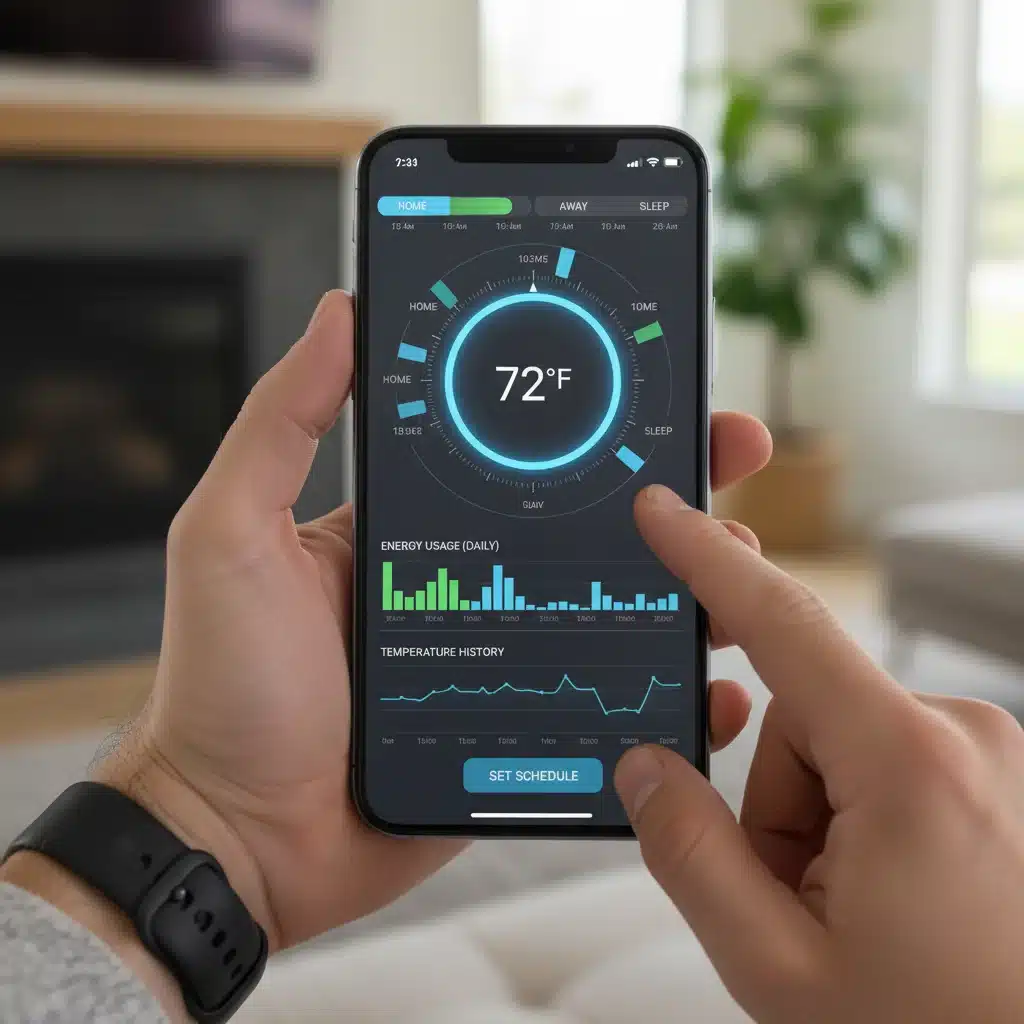
One of the most celebrated features of many smart thermostats, such as Nest or Ecobee, is their learning capability. These devices observe your temperature adjustments over time and begin to create an optimized schedule automatically. For instance, if you consistently lower the temperature before bed and raise it in the morning, the thermostat will learn this pattern and implement it without your intervention. This auto-scheduling is a powerful tool for energy conservation, as it ensures your HVAC system isn’t running unnecessarily when you’re away or asleep. To maximize this, be consistent with your manual adjustments for the first week or two after installation. The more data your thermostat collects, the more accurate and efficient its learned schedule will become. Regularly review the auto-generated schedule to ensure it aligns with your actual habits, making minor tweaks as needed. Don’t be afraid to override it if your routine changes temporarily; the thermostat will adapt.
Geofencing Technology
Geofencing is a game-changer for smart thermostat efficiency. This feature uses your smartphone’s location to determine when you’ve left or are returning home. When you cross a predefined boundary (the ‘geofence’), your thermostat can automatically adjust the temperature to an energy-saving setting when you leave and begin warming or cooling your home before you arrive back. This eliminates the need for manual adjustments or rigid schedules that might not always align with your dynamic life. To optimize geofencing, ensure your phone’s location services are always on for the thermostat app. Experiment with the geofence radius – setting it too small might mean your home isn’t comfortable by the time you arrive, while too large might start the HVAC system too early. Most apps allow you to fine-tune this setting for optimal comfort and savings. Consider adding all household members’ phones to the geofencing group for even greater accuracy, ensuring the system knows when the last person has left and the first person has returned.
Remote Access and Control
The ability to control your thermostat from anywhere via a smartphone app is not just a convenience; it’s a vital tool for maximizing smart thermostat efficiency. Forgot to set back the temperature before leaving for a weekend trip? No problem. A quick tap on your phone can save you significant energy. This remote access also allows you to monitor your energy usage in real-time, providing valuable insights into your consumption patterns. Use this feature proactively. If your plans change, adjust your thermostat remotely instead of letting it run on an outdated schedule. Many apps also send alerts for unusual temperature fluctuations or system issues, empowering you to respond promptly and prevent energy waste or potential HVAC problems.
Energy Usage Reports and Insights
Most smart thermostats provide detailed energy usage reports, often broken down by day, week, or month. These reports are invaluable for identifying trends and areas for improvement. They can show you how much energy you’re using for heating and cooling, and sometimes even highlight specific events that led to higher consumption. Regularly review these reports. Look for patterns, such as spikes in energy use on certain days or times. This data can inform your scheduling adjustments, help you understand the impact of external factors (like extreme weather), and reinforce good energy-saving habits. Some thermostats even offer personalized tips based on your usage, further guiding you towards greater efficiency.
Advanced Strategies for Peak Smart Thermostat Efficiency
While understanding the basic features is a great start, truly maximizing smart thermostat efficiency requires a more strategic approach. These advanced tips will help you squeeze every last drop of savings from your device.
Optimize Your Temperature Set Points
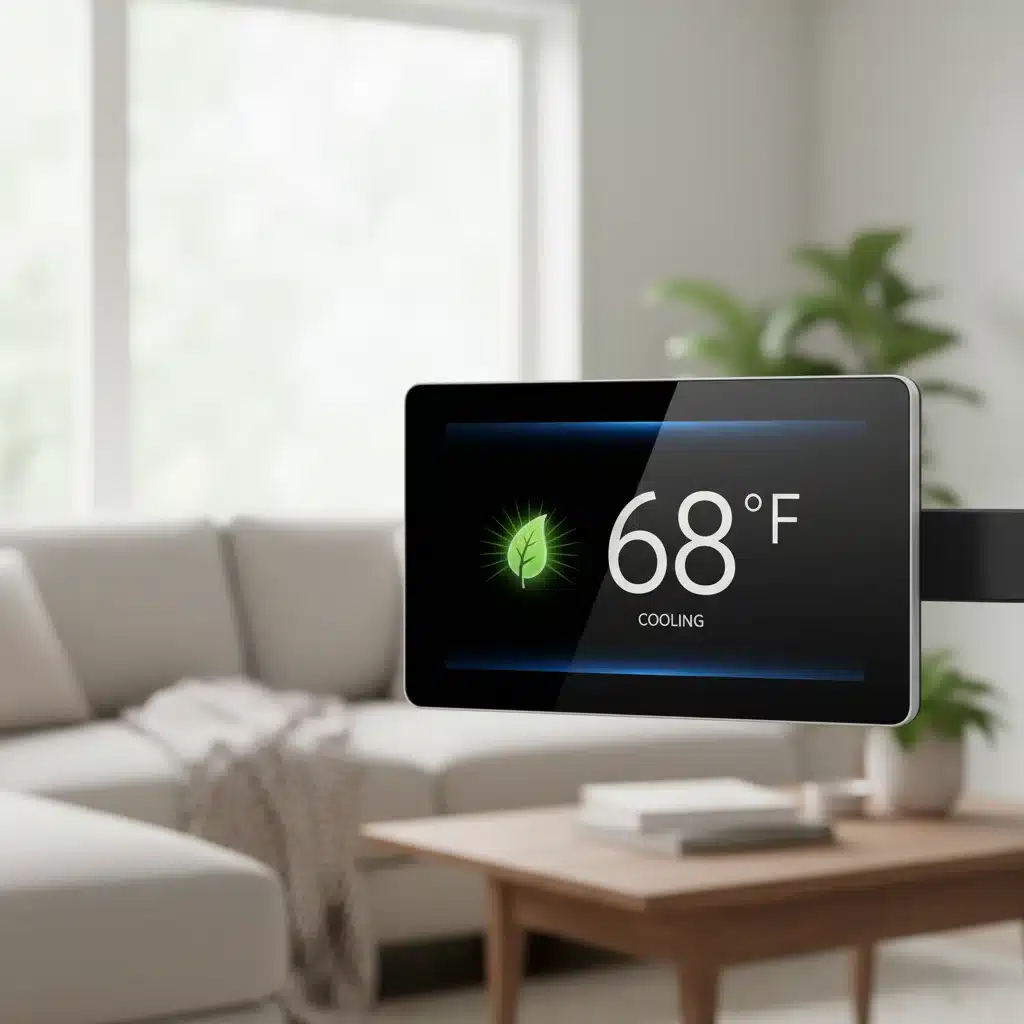
This might seem obvious, but many people underestimate the impact of their temperature settings. The general rule of thumb for heating is to set your thermostat to the lowest comfortable temperature, typically around 68°F (20°C) when you’re home and awake. When you’re asleep or away, aim for a setback of 7-10°F (4-6°C). For cooling, the highest comfortable temperature is usually around 78°F (26°C) when home, and a similar setback when away or asleep. Even a one-degree adjustment can lead to significant savings over time. Use your smart thermostat’s scheduling features to automate these setbacks, ensuring consistency. Resist the urge to crank the thermostat up or down drastically to heat or cool your home faster; this often wastes energy and doesn’t significantly speed up the process.
Leverage Occupancy Sensors and Room Sensors
Many advanced smart thermostats come with or support external room sensors and occupancy sensors. These small devices can be placed in different rooms to provide a more accurate reading of the temperature throughout your home, not just where the main thermostat is located. Occupancy sensors can detect when a room is empty and signal the thermostat to adjust the temperature accordingly, preventing you from heating or cooling unused spaces. To maximize their benefit, place room sensors in the most frequently used areas or rooms that tend to be hotter or colder than the rest of the house. Ensure occupancy sensors are positioned where they can accurately detect movement without false triggers. This granular control significantly boosts smart thermostat efficiency by focusing comfort where it’s needed most.
Integrate with Other Smart Home Devices
The true power of a smart home lies in its interconnectedness. Integrating your smart thermostat with other smart devices can create a truly optimized and automated energy-saving ecosystem. Consider these integrations:
- Smart Lighting: Integrate your thermostat with smart lights. For example, if your lights are off and your thermostat detects no occupancy, it can confirm the home is empty and switch to an energy-saving mode.
- Smart Blinds/Shades: In summer, program your smart blinds to close during the hottest parts of the day to block sunlight and reduce cooling load. In winter, open them during sunny hours to leverage passive solar heating. Your thermostat can trigger these actions based on outdoor temperature or time of day.
- Smart Vents: For homes with multiple zones or rooms that are consistently hotter or colder, smart vents can regulate airflow to specific areas. When integrated with your smart thermostat and room sensors, they can direct conditioned air precisely where it’s needed, improving comfort and reducing energy waste.
- Voice Assistants: Use voice commands through devices like Amazon Alexa or Google Assistant to quickly adjust your thermostat settings. This hands-free control encourages more frequent and precise adjustments, contributing to better smart thermostat efficiency.
Utilize Away Modes and Vacation Settings
Beyond daily scheduling, nearly all smart thermostats offer ‘Away’ modes and specific ‘Vacation’ settings. These are crucial for long periods of absence. An ‘Away’ mode typically sets your home to a more extreme, energy-saving temperature (e.g., 55°F in winter, 85°F in summer) while preventing pipes from freezing or excessive heat buildup. Vacation modes often allow you to specify exact dates of departure and return, ensuring your home returns to a comfortable temperature just before you arrive back. Make it a habit to activate these modes whenever you leave for more than a few hours or for an extended trip. This simple action can lead to substantial savings.
Participate in Demand Response Programs
Many utility companies offer demand response programs, especially in areas prone to energy consumption spikes during peak hours (e.g., hot summer afternoons). By enrolling, you allow your utility company to make minor, temporary adjustments to your thermostat’s temperature during these peak demand periods. These adjustments are usually minimal and often go unnoticed, but they help reduce strain on the power grid and, in return, you receive financial incentives, rebates, or bill credits. Check with your local utility provider to see if such programs are available and if your smart thermostat is compatible. It’s an effortless way to save money and contribute to grid stability, further enhancing your smart thermostat efficiency strategy.
Beyond the Thermostat: Holistic Home Efficiency for Maximum Savings
While a smart thermostat is a powerful tool, its effectiveness is greatly amplified when combined with a holistic approach to home energy efficiency. Think of your thermostat as the brain, and your home as the body. For the brain to function optimally, the body must be healthy. Here’s how to ensure your home supports your smart thermostat’s efforts to save you money.
Improve Insulation and Seal Air Leaks
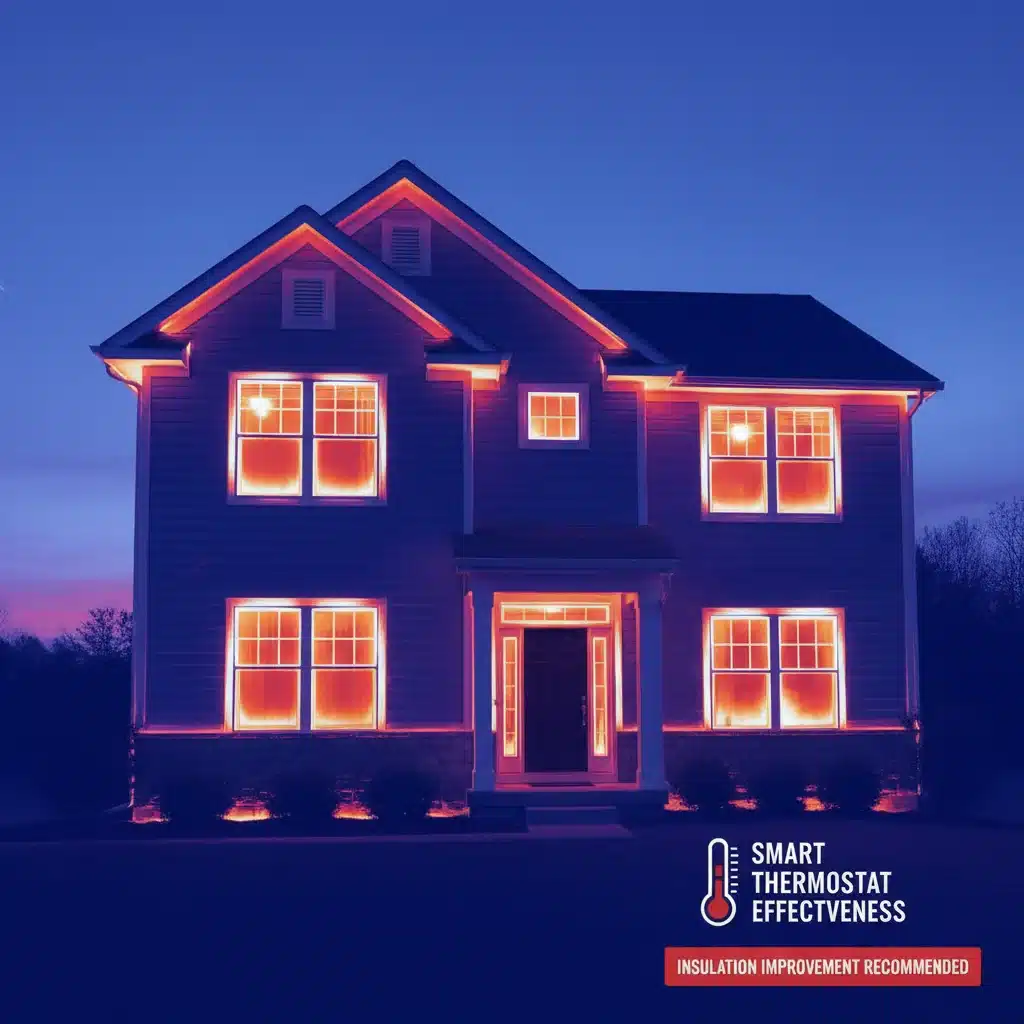
The best smart thermostat in the world can’t compensate for a leaky, poorly insulated home. Heat loss or gain through walls, ceilings, floors, windows, and doors is a major culprit for high energy bills. Conduct an energy audit, or at least a visual inspection, to identify areas where air might be escaping. Seal gaps around windows and doors with caulk or weatherstripping. Add insulation to your attic, walls, and crawl spaces if needed. Even small improvements in insulation and air sealing can significantly reduce the workload on your HVAC system, allowing your smart thermostat to maintain comfort with less effort and energy. This is a foundational step to truly maximize smart thermostat efficiency.
Maintain Your HVAC System Regularly
Your heating and cooling system is the engine that your smart thermostat controls. If the engine isn’t running efficiently, even the smartest control system won’t yield optimal results. Schedule annual professional maintenance for your HVAC system. Technicians can clean coils, check refrigerant levels, inspect ductwork, and identify potential issues before they become costly problems. On your end, regularly replace or clean your air filters – at least once every 1-3 months, or more often if you have pets or allergies. A clogged filter restricts airflow, forcing your system to work harder and consume more energy. A well-maintained HVAC system works in harmony with your smart thermostat, enhancing overall smart thermostat efficiency and extending the life of your equipment.
Optimize Window and Door Performance
Windows and doors are often major sources of energy loss. Beyond sealing air leaks, consider upgrading to energy-efficient windows if your budget allows. Double or triple-pane windows with low-emissivity (low-e) coatings can dramatically reduce heat transfer. For existing windows, use heavy curtains, drapes, or blinds to insulate them. Close them during the hottest parts of summer days to block solar gain and open them in winter to let in natural warmth. Ensure your doors have good seals and are properly aligned. A simple door sweep can prevent significant drafts. These measures reduce the burden on your HVAC system, making your smart thermostat’s job much easier and more effective.
Strategically Use Ceiling Fans
Ceiling fans don’t actually cool a room; they create a wind-chill effect on your skin, making you feel cooler. In summer, run ceiling fans counter-clockwise to push air down, allowing you to raise your thermostat setting by a few degrees without sacrificing comfort. In winter, switch them to clockwise at a low speed to gently pull warm air (which rises) down into the living space. Remember to turn off ceiling fans when you leave a room, as they only cool people, not spaces. Integrating smart ceiling fans with your smart thermostat can automate this further, optimizing both comfort and smart thermostat efficiency.
Consider a Smart Water Heater
While not directly controlled by your smart thermostat, a smart water heater is another significant energy consumer in your home. Some smart thermostats can integrate with smart water heaters to coordinate energy usage, especially during peak demand times. Even without direct integration, a smart water heater can learn your hot water usage patterns and heat water only when needed, reducing standby energy losses. By optimizing other major energy users, you create a more efficient home ecosystem, allowing your smart thermostat to focus its efforts on climate control with even greater impact on your overall energy bill.
Troubleshooting Common Smart Thermostat Efficiency Issues
Even with the best setup, you might encounter situations where your smart thermostat efficiency seems to falter. Here are some common issues and how to troubleshoot them:
Inaccurate Temperature Readings
If your thermostat seems to be reading the temperature incorrectly, check its placement. Is it in direct sunlight? Near a drafty window or door? Close to a heat-generating appliance? All these factors can skew readings. Relocate the thermostat if possible, or use remote sensors in more representative areas of your home. Ensure the thermostat’s vents are not blocked by furniture or decorations.
Wi-Fi Connectivity Problems
A smart thermostat relies heavily on a stable Wi-Fi connection for remote access, updates, and integration with other devices. If you’re experiencing connectivity issues, try restarting your router and the thermostat. Check your Wi-Fi signal strength near the thermostat. If it’s weak, consider a Wi-Fi extender. Ensure your router’s firmware is up to date.
Scheduling Conflicts
Sometimes, manual overrides or conflicting schedules can reduce smart thermostat efficiency. If your thermostat isn’t following its programmed schedule, check for any active manual holds or temporary overrides. Review all scheduled events in the app to ensure there are no unintended overlaps or conflicts. If you’re using the learning feature, give it time to adapt, but also be prepared to manually adjust if your routine is highly irregular.
HVAC System Not Responding Correctly
If your HVAC system isn’t heating or cooling as expected, even when the thermostat is set correctly, the issue might lie with the HVAC unit itself rather than the thermostat. Check your circuit breaker, ensure the outdoor unit isn’t blocked, and verify that your air filter is clean. If these basic checks don’t resolve the issue, it’s time to call a professional HVAC technician. The smart thermostat can only send commands; the HVAC system must be able to execute them.
Firmware Updates
Like all smart devices, smart thermostats receive regular firmware updates that can improve performance, add new features, and patch security vulnerabilities. Ensure your thermostat is configured to receive automatic updates, or manually check for and install them. Keeping your device’s software current is essential for optimal smart thermostat efficiency and functionality.
The Future of Smart Thermostat Efficiency
The journey to maximizing smart thermostat efficiency is ongoing. As technology evolves, so too do the capabilities of these remarkable devices. We’re seeing advancements in predictive analytics, where thermostats can anticipate weather changes and adjust proactively. Integration with utility grids is becoming more sophisticated, allowing for even smarter demand response and energy management. The rise of artificial intelligence and machine learning is making thermostats even better at understanding individual preferences and optimizing for both comfort and savings.
Furthermore, the focus on sustainable living is driving innovation towards thermostats that not only save energy but also provide insights into your carbon footprint. Future models might offer more detailed breakdowns of energy consumption by appliance, or even suggest personalized actions to reduce environmental impact. The goal remains the same: to create a home that is effortlessly comfortable, economically sound, and environmentally responsible.
By staying informed about these advancements and continuously optimizing your current setup, you’re not just saving money; you’re participating in a larger movement towards smarter, more sustainable living. The 10% energy bill reduction you aim for this quarter is just the beginning. With diligent application of these tips and a keen eye on emerging technologies, your smart thermostat will continue to be a cornerstone of your home’s efficiency for years to come.
Conclusion: Your Path to Significant Energy Savings
In conclusion, harnessing the full power of your smart thermostat is a journey that pays dividends in comfort, convenience, and significant financial savings. By moving beyond basic operation and embracing the advanced features and strategic optimizations discussed, you can dramatically improve your smart thermostat efficiency. Remember, it’s not just about installing the device; it’s about understanding its capabilities, integrating it intelligently into your home, and maintaining a holistic approach to energy management.
From fine-tuning your schedules and leveraging geofencing to integrating with other smart home devices and ensuring your home’s insulation is top-notch, every step contributes to a more energy-efficient household. Regularly reviewing energy reports, participating in demand response programs, and keeping your HVAC system well-maintained are all crucial components of this strategy. By implementing these insider tips, you’re not just making minor adjustments; you’re empowering your smart thermostat to work at its peak, leading to a realistic and achievable 10% reduction on your energy bills starting this very quarter. Embrace these practices, and watch your savings grow while enjoying a perfectly comfortable home, year-round.