2026 Smart Home Maintenance: Your Ultimate Quarterly Checklist
2026 Smart Home Maintenance: Your Ultimate Quarterly Checklist
The dawn of 2026 brings with it an even more integrated and sophisticated smart home ecosystem. From intelligent thermostats anticipating your comfort needs to security systems that learn your routines, our homes are becoming increasingly autonomous. However, this advanced technology, much like any other investment, requires diligent care and attention to perform optimally. A proactive approach to smart home maintenance isn’t just about preventing malfunctions; it’s about ensuring security, maximizing efficiency, and extending the lifespan of your valuable devices. Neglecting these checks can lead to frustrating glitches, security vulnerabilities, and even costly repairs down the line. This comprehensive guide will walk you through a quarterly smart home maintenance schedule for 2026, offering actionable steps to keep your connected sanctuary running smoothly year-round.
Understanding the importance of regular smart home maintenance is the first step towards a truly intelligent home. Think of it like maintaining your car; you wouldn’t wait for a breakdown to get an oil change. Similarly, a smart home thrives on preventative care. This article is designed to be your go-to resource, providing a structured approach to quarterly checks that cover everything from network health to device firmware. By following these guidelines, you’ll not only enhance the performance of your smart devices but also safeguard your digital privacy and ensure your home remains a haven of convenience and comfort.
The Foundation: Your Smart Home Network Health (Quarter 1: January-March)
The backbone of any smart home is its network. Without a robust and secure Wi-Fi connection, your smart devices are effectively useless. The first quarter of the year is an ideal time to conduct a thorough audit of your network’s health, ensuring optimal performance for all your connected gadgets. This crucial aspect of smart home maintenance cannot be overstated.
Router and Modem Check-up
Your router and modem are the gatekeepers of your smart home. Regular maintenance ensures they are operating at peak efficiency. Begin by physically inspecting both devices. Ensure they are well-ventilated and free from dust accumulation, which can lead to overheating and performance degradation. Consider a good, thorough cleaning of the vents. Next, perform a power cycle: unplug both devices for about 30 seconds, then plug them back in. This simple reboot can resolve many minor connectivity issues and refresh their internal systems. It’s a fundamental step in effective smart home maintenance.
Firmware Updates for Network Devices
Just like your phone or computer, your router and modem receive firmware updates. These updates often include critical security patches, performance enhancements, and compatibility improvements for newer devices. Most modern routers allow you to check for and install updates through their web interface or a dedicated app. Make it a quarterly habit to log into your router’s administration page and check for available updates. Always follow the manufacturer’s instructions carefully during this process to avoid bricking your device. Keeping your network devices updated is a cornerstone of robust smart home maintenance.
Wi-Fi Signal Strength and Coverage Optimization
A weak Wi-Fi signal can cripple your smart home’s functionality. Use a Wi-Fi analyzer app on your smartphone or computer to identify dead zones or areas with poor signal strength. Consider repositioning your router for better central coverage, or invest in Wi-Fi extenders or a mesh Wi-Fi system to broaden your network’s reach. For devices that require a stable connection, such as smart security cameras or streaming devices, a strong and consistent signal is paramount. This optimization is a key component of proactive smart home maintenance.
Network Security Audit
Your smart home network is a potential target for cyber threats. In Quarter 1, dedicate time to reviewing your network’s security settings. Ensure you are using WPA3 (or at least WPA2) encryption, which offers stronger protection than older protocols. Change your Wi-Fi password regularly, using a strong, unique passphrase. Enable a guest network for visitors to keep your primary network isolated and more secure. Review connected devices regularly to identify any unauthorized access. Implementing these security measures is a non-negotiable aspect of thorough smart home maintenance.
Device-Specific Checks and Software Updates (Quarter 2: April-June)
As spring arrives, it’s time to focus on the individual smart devices that make your home intelligent. This quarter’s smart home maintenance revolves around ensuring each device is updated, clean, and functioning as intended. This granular approach is vital for a seamless smart home experience.
Smart Thermostats and HVAC Integration
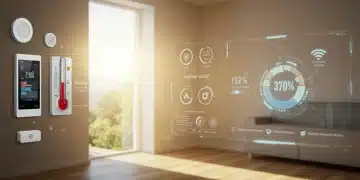
Your smart thermostat is a central component of your home’s energy efficiency. In Quarter 2, ensure its software is up to date. Many smart thermostats automatically update, but it’s always good to verify. Check the thermostat’s sensors for dust or obstructions that might affect temperature readings. If your smart thermostat integrates with your HVAC system, now is an excellent time to schedule a professional HVAC check-up. This ensures the entire system is working harmoniously, a critical element of comprehensive smart home maintenance.
Smart Lighting Systems
Smart lighting, from individual bulbs to entire control systems, requires occasional attention. Check for any bulbs that aren’t responding or are flickering. Ensure all smart switches and dimmers are clean and free from dust. Verify that your lighting schedules and routines are still accurate and adjust them as needed for seasonal changes. If you have smart LED strips, inspect their connections for any wear and tear. Proper functioning of your smart lighting contributes significantly to both ambiance and energy savings, making it an important part of smart home maintenance.
Smart Security Devices (Cameras, Locks, Sensors)
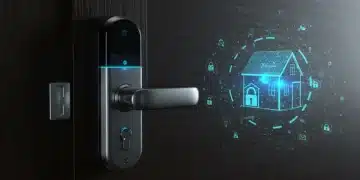
Security is paramount, and your smart security devices need constant vigilance. For smart cameras, clean the lenses gently to ensure clear footage. Check the battery levels of wireless cameras and replace them if necessary. For smart locks, lubricate the moving parts if recommended by the manufacturer and test the locking/unlocking mechanisms both physically and via the app. Ensure all door and window sensors are securely attached and functioning correctly. Regularly review event logs and notification settings to ensure you’re alerted to any suspicious activity. This diligent check is a critical aspect of smart home maintenance.
Beyond physical checks, ensure all security device firmware is updated. These updates often contain vital security patches that protect against vulnerabilities. Test your alarm system’s siren and notification system to confirm it’s working properly. A functional and up-to-date security system provides peace of mind, making it a priority in your smart home maintenance routine.
Smart Appliances and Entertainment Systems
From smart refrigerators to smart TVs, these devices also benefit from regular attention. Check for and install any available software updates for your smart appliances. This can improve functionality, add new features, and patch security holes. For smart entertainment systems (e.g., smart TVs, streaming devices, smart speakers), ensure their operating systems and apps are updated. Clean screens gently with appropriate cleaners. Check cable connections for any looseness or damage. These steps ensure your smart appliances and entertainment systems continue to enhance your daily life without interruption, forming a key part of effective smart home maintenance.
Data Management and Privacy Review (Quarter 3: July-September)
The summer months are a perfect time to delve into the digital side of your smart home. This quarter’s smart home maintenance focuses on data privacy, user access, and efficient data storage – aspects that are often overlooked but are crucial for security and performance.
Review User Access and Permissions
As family members move in and out, or houseguests come and go, access to your smart home system can change. In Quarter 3, review all users who have access to your smart home hub or individual device apps. Remove access for anyone who no longer needs it. Ensure strong, unique passwords are being used for each account. If you’ve given temporary access for services (like a dog walker or cleaner), revoke it once their service is complete. Managing user permissions is a fundamental aspect of maintaining the security and integrity of your smart home maintenance.
Data Storage and Cloud Service Management
Many smart devices, especially security cameras, rely on cloud storage for recordings. Review your cloud storage usage and delete any unnecessary footage to free up space and potentially reduce subscription costs. Understand what data your smart devices are collecting and how it’s being stored. Most smart home apps provide privacy settings that allow you to manage data collection preferences. Regularly check these settings to ensure they align with your comfort level. This proactive data management is an often-underestimated but vital part of smart home maintenance.
Privacy Settings and Data Sharing Policies
Take the time to review the privacy policies of the apps and services connected to your smart home. Understand what data is being shared with third parties and adjust settings wherever possible to limit unnecessary data sharing. Many smart home platforms offer centralized privacy dashboards where you can manage these preferences. Being informed and proactive about your privacy settings is crucial in an increasingly connected world and forms a significant part of your smart home maintenance regimen.
Backup Smart Home Configurations
Imagine having to reconfigure your entire smart home system from scratch after a device failure or network issue. Many smart home hubs and platforms offer options to back up your configurations, scenes, and automations. In Quarter 3, ensure these backups are up-to-date and stored securely. This foresight can save you countless hours of frustration if you ever need to restore your smart home to a previous state. This proactive measure is a smart addition to your smart home maintenance checklist.
Physical Device Cleaning and Sensor Calibration (Quarter 4: October-December)
As the year draws to a close, the focus shifts back to the physical well-being of your smart devices. This quarter’s smart home maintenance ensures that all sensors are accurate, devices are clean, and everything is ready for the colder months and holiday season.
Cleaning Smart Home Devices
Dust, grime, and debris can significantly impact the performance and lifespan of your smart devices. Gently clean all exposed surfaces of your smart devices. For devices with sensors (e.g., motion sensors, ambient light sensors, air quality monitors), ensure their sensor windows are clear and unobstructed. Use appropriate cleaning materials – often a soft, dry cloth is sufficient, but consult your device’s manual for specific recommendations. A clean device not only looks better but also functions more reliably, underscoring the importance of this aspect of smart home maintenance.
Sensor Calibration and Accuracy Checks
Many smart home devices rely on sensors for their intelligence. In Quarter 4, perform checks on these sensors. For smart thermostats, you might have an option to recalibrate the temperature sensor if you suspect inaccuracies. For smart security cameras, ensure their motion detection zones are still correctly configured and that their field of view hasn’t been accidentally obstructed. Check the accuracy of any smart air quality monitors or smoke/CO detectors. Regular calibration ensures your smart home is reacting to accurate data, a critical element of effective smart home maintenance.
For smart blinds or shades, ensure their limits are set correctly and they operate smoothly. If you have smart garden sensors, clean them and ensure they are still providing accurate readings for soil moisture or light levels. These meticulous checks help maintain the precision and responsiveness of your entire smart home ecosystem, making them a cornerstone of your smart home maintenance routine.
Battery Replacement for Wireless Devices
Many smart home devices operate on batteries, from door/window sensors to remote controls. As the year ends, this is an excellent time to proactively replace batteries in all your wireless smart devices, especially those that are critical for security or daily routines. Don’t wait for a low battery notification; proactively replacing them ensures uninterrupted service and avoids inconvenient outages. Keep a supply of common battery types on hand. This simple step is a crucial component of reliable smart home maintenance.
Review and Update Automations/Routines
Over the course of a year, your daily routines and preferences might change. In Quarter 4, review all your smart home automations, scenes, and routines. Are your lights still turning on at the right time? Is your thermostat adjusting correctly for your schedule? Have you added new devices that could be integrated into existing routines? Simplify or remove any automations that are no longer useful. Optimizing your routines ensures your smart home continues to adapt to your lifestyle, making it a truly intelligent assistant. This continuous refinement is an often-overlooked but essential part of effective smart home maintenance.
Beyond the Quarterly Checks: Ongoing Smart Home Best Practices
While a quarterly schedule provides a robust framework for smart home maintenance, some practices should be ongoing. Integrating these habits into your daily or weekly routines will further enhance the longevity and performance of your smart home.
Regular Software and Firmware Updates
Beyond the quarterly checks, make it a habit to glance at your smart device apps or hub interfaces for pending updates. Manufacturers frequently release small updates that address minor bugs or improve performance. Staying on top of these ensures your devices are always running the most stable and secure versions of their software. This continuous vigilance is key to sustained smart home maintenance.
Strong Password Management
Never underestimate the importance of strong, unique passwords for all your smart home accounts and devices. Use a reputable password manager to generate and store complex passwords. Enable two-factor authentication (2FA) wherever possible. This adds an extra layer of security, making it significantly harder for unauthorized individuals to access your smart home system. Robust password hygiene is a non-negotiable aspect of modern smart home maintenance.
Monitor Device Performance
Pay attention to how your devices are performing. Are lights responding slower than usual? Is a sensor frequently going offline? Are voice commands sometimes misinterpreted? These subtle signs can indicate underlying issues that might escalate if ignored. Addressing small problems early can prevent larger, more complex issues down the road, making proactive monitoring a vital part of effective smart home maintenance.
Stay Informed About Smart Home Technology
The smart home landscape is constantly evolving. New devices, security threats, and integration opportunities emerge regularly. Stay informed by reading tech blogs, following smart home news, and engaging with online communities. This knowledge empowers you to make informed decisions about your smart home, from acquiring new devices to understanding potential vulnerabilities. An informed homeowner is a secure homeowner, and staying current is an intrinsic part of comprehensive smart home maintenance.
Consider Professional Assistance
While much of smart home maintenance can be managed by the homeowner, don’t hesitate to seek professional help when needed. If you’re struggling with complex network issues, advanced device integrations, or persistent malfunctions, a certified smart home technician can provide expert diagnosis and solutions. Sometimes, a professional eye can spot issues that are easily missed by an untrained observer, ensuring your smart home operates flawlessly.
The Future of Smart Home Maintenance in 2026 and Beyond
As we look towards the future, smart home maintenance is likely to become even more sophisticated and automated. AI and machine learning will play an increasingly significant role, predicting potential device failures before they occur and recommending preventative actions. Self-healing networks that automatically reroute traffic or troubleshoot minor issues will become more common. Integrated diagnostic tools within smart home hubs will offer real-time performance insights and maintenance recommendations.
The trend towards standardized protocols and interoperability will also simplify maintenance, reducing the complexity of managing diverse ecosystems. Cybersecurity threats will continue to evolve, making robust, AI-driven security protocols an even more critical component of smart home integrity. By embracing these advancements and adhering to a diligent maintenance schedule, homeowners in 2026 can enjoy a truly seamless, secure, and efficient smart living experience.
Conclusion
Maintaining a smart home in 2026 is an ongoing commitment, but one that pays significant dividends in convenience, security, and energy efficiency. By following this quarterly smart home maintenance checklist, you’re not just fixing problems; you’re proactively safeguarding your investment, enhancing your daily life, and ensuring your connected sanctuary remains a beacon of modern living. From network health to individual device checks, data privacy reviews, and physical cleaning, each step contributes to a robust and reliable smart home ecosystem. Make these checks a routine, and your smart home will continue to serve you intelligently for years to come.