Smart Home Connectivity: Matter and Thread’s Future Impact
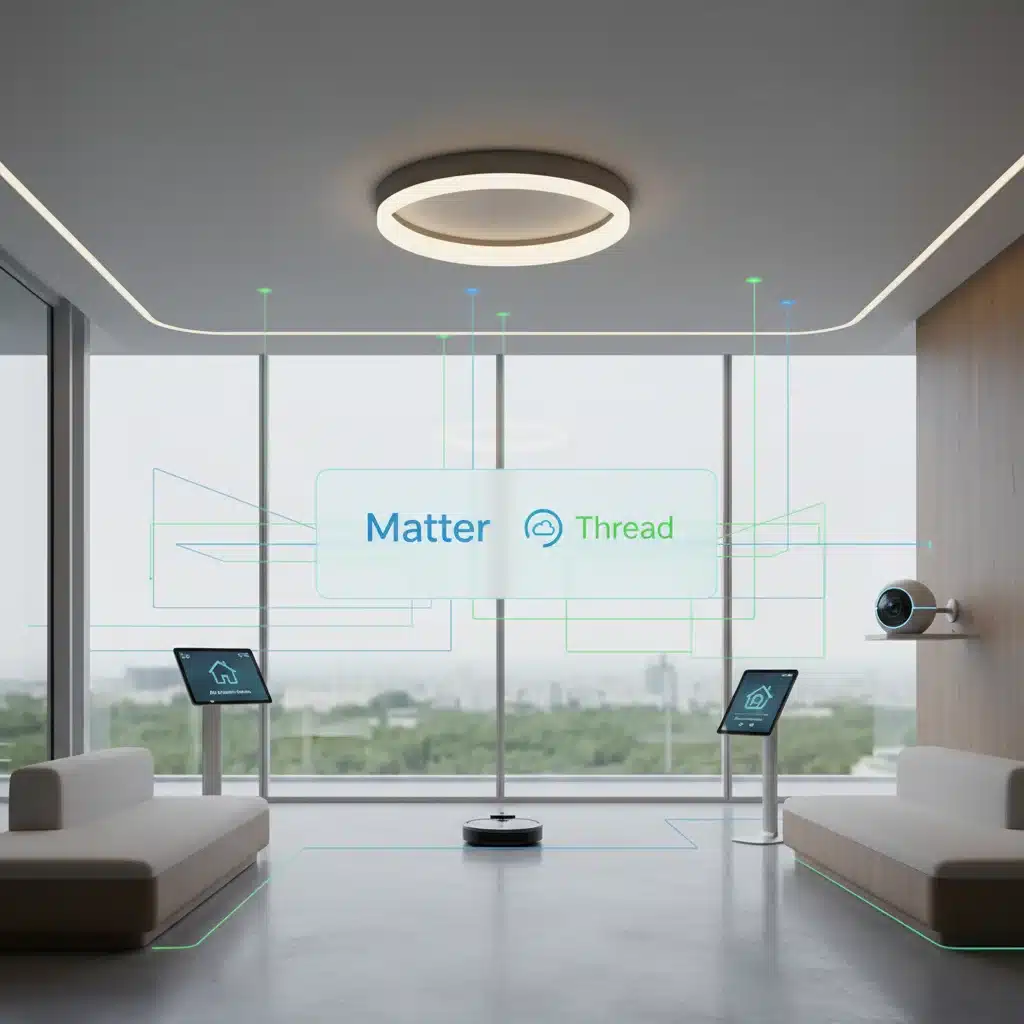
The landscape of smart home technology has long been a fragmented ecosystem, a collection of disparate devices speaking different digital languages. This complexity has often been a barrier to widespread adoption, leaving consumers grappling with compatibility issues, multiple apps, and a frustrating user experience. However, a seismic shift is underway, promising to usher in a new era of seamless connectivity and true interoperability. By 2026, the combined forces of Matter and Thread Smart Home technologies are poised to fundamentally transform how we interact with our living spaces, making the smart home more intuitive, secure, and accessible than ever before.
This article delves deep into the revolutionary potential of Matter and Thread, exploring their core functionalities, the problems they solve, and their anticipated impact on the smart home market. We will examine how these protocols are designed to work in concert, creating a robust and unified foundation for the next generation of connected devices. From simplifying device setup to enhancing security and fostering innovation, the implications of Matter and Thread are far-reaching, promising a future where your smart home truly works for you, effortlessly and efficiently.
The Current Smart Home Conundrum: A Tower of Babel of Protocols
Before we fully appreciate the promise of Matter and Thread Smart Home, it’s crucial to understand the challenges that have plagued the smart home industry for years. Imagine trying to build a house where every appliance, every light switch, and every security sensor comes from a different manufacturer, and each requires its own unique power outlet and instruction manual. This is a simplified analogy for the smart home experience many consumers have endured.
Fragmentation and Incompatibility
The primary hurdle has been the sheer fragmentation of communication protocols. Wi-Fi, Bluetooth, Zigbee, Z-Wave, proprietary hubs – each has carved out its niche, leading to a confusing array of options. A smart bulb might use Zigbee, a thermostat might prefer Z-Wave, and a security camera might rely on Wi-Fi. This means that for a truly integrated smart home, users often need multiple hubs, bridges, and apps, creating a disjointed and often frustrating experience. Devices from different brands rarely ‘talk’ to each other directly, limiting the potential for sophisticated automation routines and a unified control interface.
Complex Setup and User Frustration
Setting up smart home devices can often feel like a technical chore. Pairing devices, connecting to the right network, and configuring settings across various manufacturer-specific applications can be daunting, especially for those less tech-savvy. This complexity has deterred many potential adopters, hindering the smart home market’s growth beyond early enthusiasts.
Security Concerns and Data Silos
With so many different protocols and manufacturers, ensuring consistent security standards across an entire smart home ecosystem has been a significant challenge. Vulnerabilities in one device or protocol could potentially expose the entire network. Furthermore, data collected by smart devices often remains siloed within manufacturer ecosystems, raising privacy concerns and limiting the potential for cross-device intelligence.
The Quest for a Universal Language
The industry has long recognized the need for a common language, a unifying standard that would allow devices from different brands to communicate seamlessly. This is where Matter and Thread Smart Home come into play, offering a beacon of hope for a truly interoperable and user-friendly smart home future.
Introducing Matter: The Universal Language of the Smart Home
Matter, formerly known as Project CHIP (Connected Home over IP), is an open-source connectivity standard developed by the Connectivity Standards Alliance (CSA), a consortium of industry giants including Apple, Google, Amazon, Samsung, and hundreds of other companies. Its core mission is to simplify smart home experiences and increase interoperability between devices from different manufacturers.
What is Matter?
At its heart, Matter is an application layer protocol. This means it doesn’t dictate how devices physically connect (like Wi-Fi or Bluetooth), but rather provides a common language for devices to understand and respond to each other’s commands, regardless of the underlying network technology. Think of it as a universal translator for smart home devices.
Key Principles and Benefits of Matter:
- Interoperability: This is Matter’s crowning glory. Devices certified with Matter will work seamlessly with other Matter-certified devices, regardless of brand. This eliminates the need for multiple hubs and apps, simplifying the user experience dramatically.
- Simplified Setup: Matter promises a significantly easier onboarding process. Users will be able to set up new devices with a single scan of a QR code, and the device will automatically integrate into their existing Matter ecosystem.
- Local Control: Matter-enabled devices can often communicate directly with each other locally, reducing reliance on cloud services. This improves responsiveness, reliability, and privacy, as data doesn’t always need to travel to the internet and back.
- Enhanced Security: Security is built into the Matter standard from the ground up, with robust encryption and authentication mechanisms to protect user data and prevent unauthorized access.
- Reliability: By standardizing communication, Matter aims to create a more stable and dependable smart home environment, reducing glitches and connection drops.
- Future-Proofing: As an open-source standard, Matter is designed to evolve and adapt to future technologies, ensuring long-term compatibility and relevance.
The impact of Matter on the smart home industry by 2026 cannot be overstated. It’s not just about making devices talk; it’s about making them cooperate intelligently, creating truly smart and responsive environments.
Understanding Thread: The Foundation of a Robust Mesh Network
While Matter provides the universal language, Thread provides a highly efficient and reliable network foundation for many Matter-enabled devices, especially those that are low-power and battery-operated. Thread is a low-power, wireless mesh networking protocol designed specifically for Internet of Things (IoT) devices.
What is Thread?
Thread creates a self-healing mesh network, where each Thread-enabled device can act as a repeater, extending the network’s range and improving its reliability. Unlike Wi-Fi, which can be power-intensive and create bottlenecks, Thread is optimized for low-power consumption, making it ideal for devices like smart sensors, door locks, and light switches that need to run on batteries for extended periods.
Key Features and Benefits of Thread:
- Mesh Networking: In a Thread network, devices don’t just connect to a central hub; they connect to each other. If one device goes offline, others can route around it, ensuring the network remains operational. This creates a highly robust and resilient system.
- Low Power Consumption: Thread is designed for energy efficiency, allowing battery-powered devices to last for years without needing frequent battery changes. This is crucial for many smart home applications.
- Scalability: Thread networks can support hundreds of devices, making them suitable for even large smart homes or commercial buildings.
- Self-Healing and Self-Forming: Thread networks are easy to set up and maintain. They can automatically discover new devices and adapt to changes in the network topology.
- IP-Based: Thread is built on standard internet protocols (IPv6), which makes it highly compatible with other IP-based systems and allows for direct cloud connectivity through a Thread Border Router.
- Security: Thread incorporates robust security features, including encryption and authentication at the network layer, ensuring secure communication between devices.
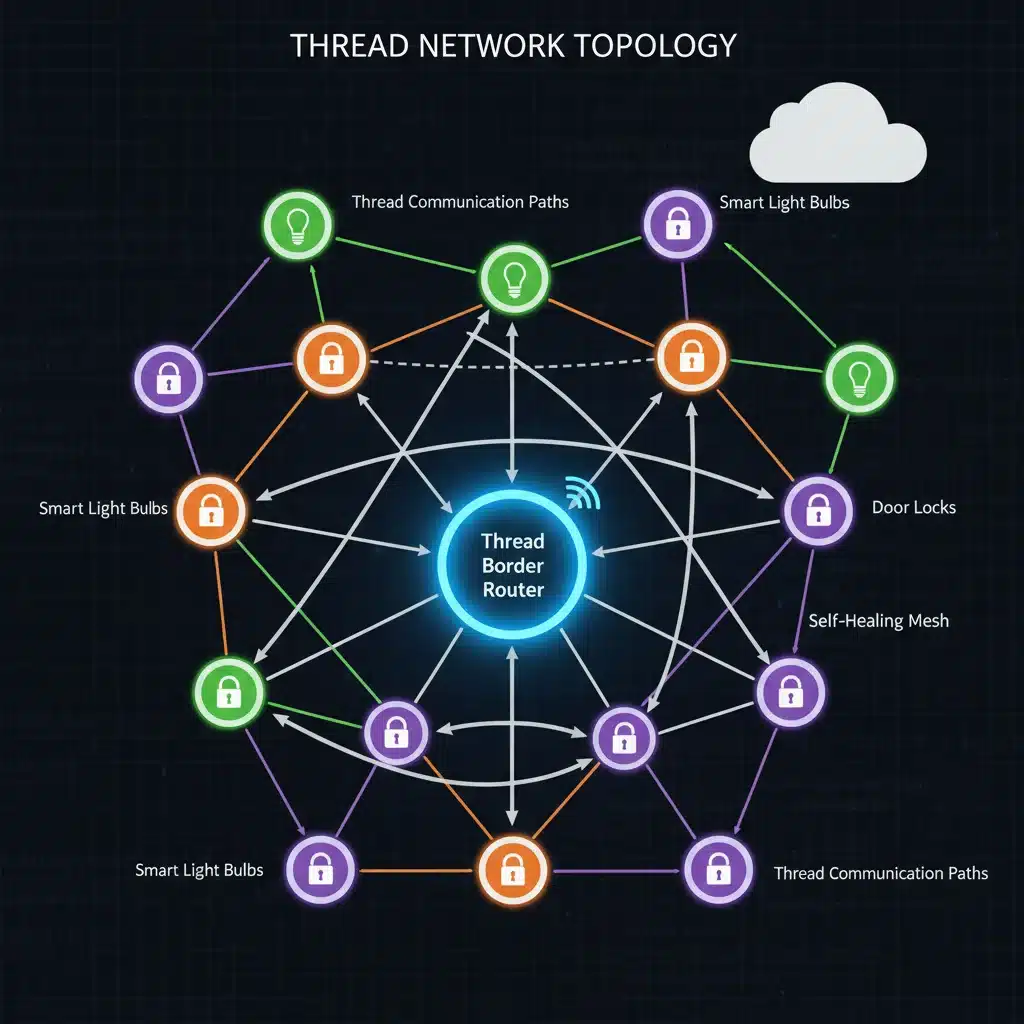
The synergy between Matter and Thread Smart Home is critical. Matter provides the common language, and Thread provides a highly reliable, low-power, and scalable network for that language to travel across, especially for a significant category of smart home devices.
The Symbiotic Relationship: How Matter and Thread Work Together
It’s important to understand that Matter and Thread are not competing standards; rather, they are complementary. Matter operates at the application layer, defining how devices communicate and what commands they understand. Thread operates at the network layer, defining how devices physically connect and transmit data wirelessly.
A Powerful Partnership:
Imagine a scenario where you want to turn on a smart light bulb. If both the light bulb and your smart home controller (e.g., a smart speaker or a smartphone app) are Matter-certified, they can understand each other’s commands. If the light bulb also uses Thread for its wireless communication, it can form a robust, low-power mesh network with other Thread devices in your home. A Thread Border Router (often integrated into smart displays, Wi-Fi routers, or smart speakers) acts as a gateway, connecting the Thread network to your home’s Wi-Fi network and the internet, allowing Matter commands to flow seamlessly.
This partnership means:
- Unified Control: All Matter-certified devices, regardless of their underlying network technology (Wi-Fi, Thread, Ethernet), can be controlled from a single interface or app.
- Expanded Range and Reliability: Thread’s mesh capabilities ensure that even devices far from your Wi-Fi router can remain connected and responsive.
- Energy Efficiency: Battery-powered Thread devices contribute to a more sustainable smart home without compromising connectivity.
- Simpler Integration: Manufacturers can focus on building innovative devices, knowing that Matter and Thread will handle the complexities of interoperability and networking.
By 2026, this powerful combination will be the backbone of most new smart home installations, drastically simplifying the user experience and driving innovation.
Anticipated Impact by 2026: A Fully Integrated Smart Home Ecosystem
The next few years will witness a profound transformation in the smart home market, largely driven by the adoption of Matter and Thread Smart Home technologies. Here’s what we can expect by 2026:
1. True Interoperability Becomes the Norm
The days of ‘does this work with that?’ will largely be behind us. Consumers will be able to confidently purchase Matter-certified devices from any brand, knowing they will integrate seamlessly into their existing smart home setup. This will empower consumers with greater choice and foster healthy competition among manufacturers.
2. Drastically Simplified Setup and Management
Setting up a new smart device will be as simple as scanning a QR code. The device will automatically join the Matter ecosystem, and configuration will be streamlined across all compatible platforms (Apple Home, Google Home, Amazon Alexa, Samsung SmartThings). This ease of use will significantly lower the barrier to entry for smart home technology.
3. Enhanced Reliability and Responsiveness
Thread’s mesh networking capabilities, combined with Matter’s local control features, will lead to a more robust and responsive smart home. Commands will execute faster, and devices will remain connected even if your internet goes down (for local functions). This will translate to a more dependable and satisfying user experience.
4. A Surge in Smart Home Adoption
With interoperability and ease of use addressed, the smart home market is expected to experience accelerated growth. Mainstream consumers, previously deterred by complexity, will find smart home technology more appealing and accessible, leading to a significant increase in adoption rates.
5. Innovation Unleashed
Manufacturers will be freed from the burden of developing proprietary ecosystems and compatibility workarounds. Instead, they can focus their resources on creating truly innovative devices and features, knowing that their products will work within a standardized framework. This will lead to a richer array of smart home solutions and advanced automation possibilities.
6. Improved Security and Privacy
Both Matter and Thread have security built into their core specifications, addressing many of the vulnerabilities present in older, fragmented systems. While no system is entirely foolproof, the standardized approach to security will offer a stronger foundation for protecting user data and preventing unauthorized access. Local control capabilities also reduce reliance on cloud servers, enhancing privacy.
7. The Rise of the Thread Border Router
By 2026, many common smart home devices, such as Wi-Fi routers, smart displays, and even smart speakers, will likely double as Thread Border Routers, making it even easier to establish a robust Thread network without needing dedicated hardware.
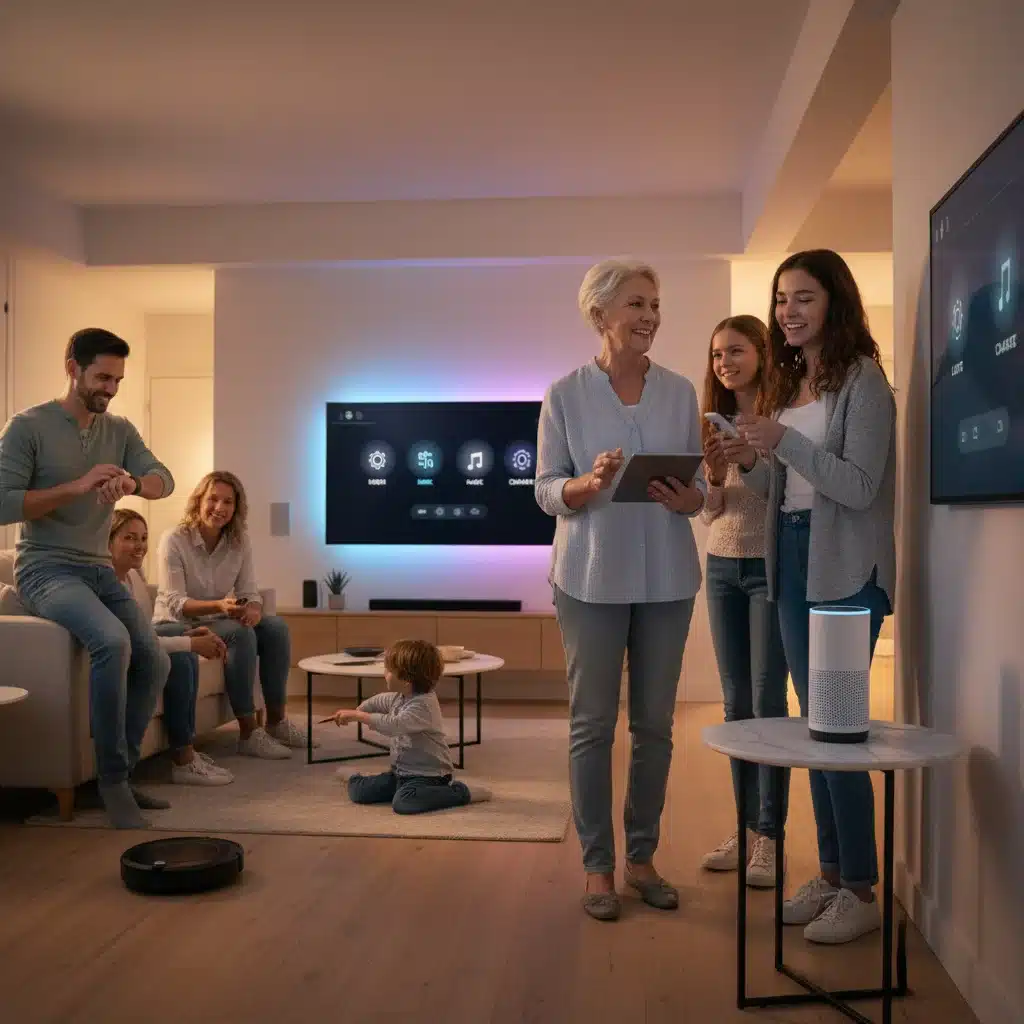
Challenges and Considerations Ahead
While the future painted by Matter and Thread Smart Home is bright, there are still challenges to navigate:
1. Legacy Device Compatibility
Not all existing smart home devices will be able to update to Matter. Many older devices may require a bridge or hub to connect to a Matter ecosystem, or they might simply be left behind. This transition period could still present some compatibility headaches for early adopters with extensive existing setups.
2. Manufacturer Adoption Pace
While many major players are on board, the pace of Matter and Thread adoption among smaller manufacturers might vary. Widespread availability of certified devices is key to realizing the full potential of these standards.
3. User Education
Explaining the technical nuances of Matter and Thread to the average consumer will be crucial. Clear communication about the benefits of these standards will be necessary to drive adoption and ensure a smooth transition.
4. Continued Security Vigilance
Even with robust built-in security, the evolving nature of cyber threats means that continuous vigilance, updates, and best practices will remain essential for maintaining a secure smart home environment.
Preparing for the Future: What Consumers and Manufacturers Can Do
For Consumers:
- Look for Matter Certification: When purchasing new smart home devices, prioritize those with Matter certification. This ensures future compatibility and ease of integration.
- Consider Thread-Enabled Devices: For low-power devices like sensors, choosing Thread-enabled options will enhance network reliability and battery life.
- Stay Informed: Keep an eye on announcements from your preferred smart home platform (Google Home, Apple Home, Amazon Alexa) regarding their Matter and Thread support.
For Manufacturers:
- Embrace Matter and Thread: Actively integrate these standards into your product development roadmap. This is no longer optional but a necessity for future market relevance.
- Prioritize Certification: Ensure your devices undergo Matter certification to guarantee interoperability and build consumer trust.
- Educate Your Customers: Provide clear and concise information about how your Matter and Thread-enabled products benefit consumers.
Conclusion: A Unified Vision for the Smart Home by 2026
The journey towards a truly smart and interconnected home has been long and often winding, but the advent of Matter and Thread Smart Home protocols marks a pivotal moment. By 2026, we anticipate a landscape where smart home devices, regardless of brand, communicate harmoniously, offering unparalleled ease of use, robust security, and seamless integration.
This isn’t just about technological advancement; it’s about making smart living accessible, reliable, and genuinely beneficial for everyone. The promise of Matter and Thread is a future where your smart home is no longer a collection of isolated gadgets but a cohesive, intelligent entity that intuitively adapts to your needs, enhances your comfort, and simplifies your daily life. The era of fragmented smart homes is drawing to a close, paving the way for a unified, interoperable, and truly smart future.
The next few years will be exciting as these technologies mature and become ubiquitous. Get ready to experience a smart home that truly lives up to its name, thanks to the foundational work being laid by Matter and Thread.