Mastering Smart Home Routines 2026: 4 Automated Scenes
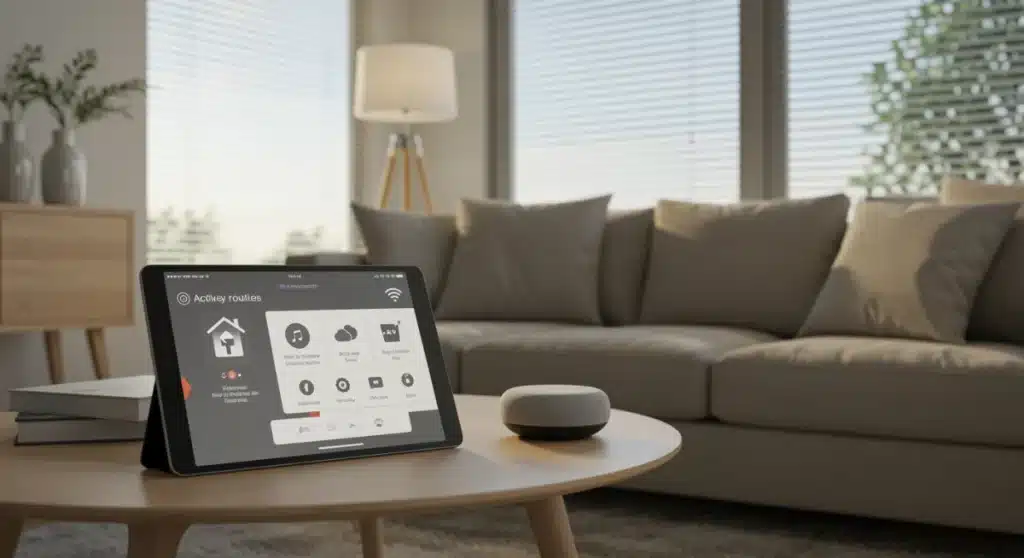
Mastering smart home routines in 2026 significantly enhances daily convenience by automating various tasks through intelligently designed scenes, optimizing energy use and personal comfort.
Welcome to the future of living, where your home anticipates your needs and responds seamlessly to your lifestyle. Mastering smart home routines 2026 is no longer a luxury but an essential component of a truly convenient and efficient household. This guide will walk you through creating four automated scenes that will redefine your daily convenience, making every moment at home more enjoyable and productive.
Understanding Smart Home Automation in 2026
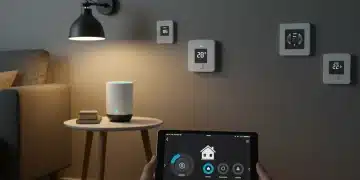
Smart home automation in 2026 has evolved beyond simple voice commands, embracing predictive intelligence and deeper device integration. It’s about creating an ecosystem where your devices communicate effortlessly, anticipating your needs before you even articulate them. This level of sophistication allows for truly personalized and efficient living.
The core of this evolution lies in advanced AI and machine learning algorithms that analyze your habits and preferences. These systems learn from your interactions, refining routines over time to provide an unparalleled level of comfort and convenience. The goal is to make your home an intuitive partner in your daily life, reducing mental load and enhancing overall well-being.
The Pillars of Modern Smart Homes
- Interoperability: Devices from different manufacturers now speak a common language, thanks to initiatives like Matter and Thread, simplifying setup and expanding possibilities.
- Predictive AI: Your home learns your patterns, adjusting lighting, temperature, and security automatically based on your schedule, location, and even local weather forecasts.
- Enhanced Security: Integrated security systems offer proactive threat detection, advanced facial recognition, and drone surveillance capabilities for comprehensive protection.
- Energy Optimization: Smart homes actively monitor and adjust energy consumption, not only saving you money but also contributing to a more sustainable lifestyle.
In essence, smart home automation in 2026 is about creating a harmonious environment where technology serves to simplify and enrich your life, making your home a truly responsive and intelligent space. Understanding these foundational shifts is crucial for effectively mastering smart home routines.
Scene 1: The “Morning Rise” for a Perfect Start
Imagine waking up gently, not to a jarring alarm, but to your home gradually coming to life around you. The “Morning Rise” scene is designed to transform your wake-up experience into a serene and energizing start to your day. This routine considers both comfort and practical preparation, ensuring you begin your day feeling refreshed and ready.
This scene orchestrates a symphony of smart devices, from your bedroom to your kitchen, creating a seamless transition from sleep to activity. It’s about more than just turning things on; it’s about setting the perfect ambiance and preparing your environment for the day ahead, all without lifting a finger.
Crafting Your Ideal Wake-Up Sequence
To implement the “Morning Rise” scene, you’ll want to synchronize several key smart devices. Begin by setting a specific time for activation, or even better, link it to your sleep tracker for a truly optimized wake-up. Consider the natural progression of your morning activities when designing the flow.
- Gradual Lighting: Smart bulbs slowly brighten in your bedroom 30 minutes before your alarm, mimicking a natural sunrise.
- Climate Control: Your smart thermostat adjusts to your preferred morning temperature, making your first steps out of bed comfortable.
- Morning Brew: A smart coffee maker or kettle starts brewing your beverage, ready for you as you enter the kitchen.
- News and Weather: Your smart display or speaker provides a brief overview of the day’s news and weather forecast while you get ready.
The “Morning Rise” scene is an excellent example of how mastering smart home routines 2026 can significantly improve daily well-being. By automating these small but impactful actions, you reduce morning stress and gain precious minutes back, allowing for a more mindful and productive start to your day.
Scene 2: The “Work-from-Home Focus” for Productivity
For many, working from home has become a permanent fixture, and creating an optimal environment for productivity is paramount. The “Work-from-Home Focus” scene leverages your smart home to minimize distractions and maximize concentration, transforming any space into an efficient office. This scene is about carving out a dedicated mental and physical space for work within your home.
This routine goes beyond simple lighting adjustments; it integrates soundscapes, notification management, and even air quality monitoring to create an environment conducive to deep work. It’s about using technology to support your cognitive functions and reduce the friction associated with starting and maintaining focus.
Optimizing Your Home Office Environment
Implementing the “Work-from-Home Focus” scene requires a thoughtful integration of various smart devices to create a tailored work atmosphere. Consider the specific elements that contribute to your productivity and how your smart home can automate them.
- Optimal Lighting: Smart lights adjust to a cool, bright white to enhance alertness and reduce eye strain, optionally dimming slightly for video calls.
- Noise Cancellation: Smart speakers or sound machines play ambient focus-enhancing sounds or white noise, while smart blinds close to minimize external visual distractions.
- Notification Management: Your smart home system can temporarily silence non-essential notifications on your connected devices, allowing for uninterrupted work blocks.
- Air Quality Monitoring: Smart air purifiers activate to maintain optimal air quality, contributing to better cognitive function and overall comfort.
By effectively setting up the “Work-from-Home Focus” scene, you can significantly boost your productivity and mental clarity throughout your workday. Mastering smart home routines 2026 in this context means creating a dedicated, distraction-free bubble that allows you to perform at your best.
Scene 3: The “Evening Relaxation” for Unwinding
After a long day, the transition from work to relaxation is crucial for mental well-being. The “Evening Relaxation” scene is designed to gently guide you into a state of calm, preparing your mind and body for rest. This routine actively transforms your living space into a sanctuary, signaling to your senses that it’s time to unwind.
This scene is about cultivating an atmosphere that promotes tranquility, utilizing subtle changes in lighting, sound, and climate. It addresses the need to disconnect from the day’s demands and reconnect with yourself or your loved ones in a peaceful setting, making your home a true haven.
Creating Your Personal Retreat
To set up the “Evening Relaxation” scene, focus on elements that promote comfort and ease. Think about the sensory inputs that help you de-stress and how your smart devices can deliver them automatically. This scene can be activated by a simple voice command, a tap on your smart display, or even automatically at a set time.
- Warm Ambiance Lighting: Smart lights shift to warm, soft tones, dimming gradually as evening progresses, mimicking sunset.
- Soothing Sounds: Smart speakers play calming music, nature sounds, or a guided meditation, reducing ambient noise.
- Comfortable Climate: The thermostat adjusts to a cooler, more comfortable sleeping temperature, promoting better sleep hygiene.
- Smart Device Disengagement: Non-essential notifications are paused, and smart TVs can suggest relaxing content or activate a fireplace screen.
The “Evening Relaxation” scene is a powerful tool for stress reduction and improved sleep quality. By mastering smart home routines 2026, you can ensure that your home actively supports your health and well-being, providing a consistent and comforting end to each day.
Scene 4: The “Away Mode” for Security and Efficiency
Leaving home, whether for a few hours or an extended trip, often comes with a degree of worry about security and wasted energy. The “Away Mode” scene addresses these concerns comprehensively, providing peace of mind and optimizing resource consumption. This routine ensures your home is secure and energy-efficient when you’re not there.
This scene is a cornerstone of a truly intelligent home, combining robust security measures with smart energy management. It demonstrates how smart home technology can not only enhance convenience but also provide practical solutions for safety and sustainability, even in your absence.
Comprehensive Protection and Resource Management
Implementing the “Away Mode” scene involves synchronizing your security systems with energy-saving measures. This scene can be activated automatically when your smartphone leaves a geofenced area, or manually with a single command, ensuring your home is protected and optimized from the moment you depart.
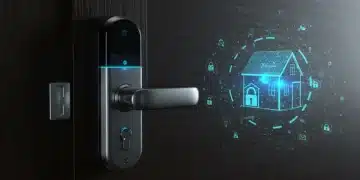
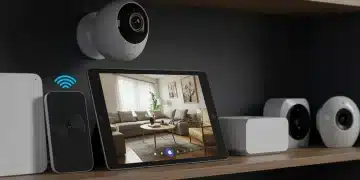
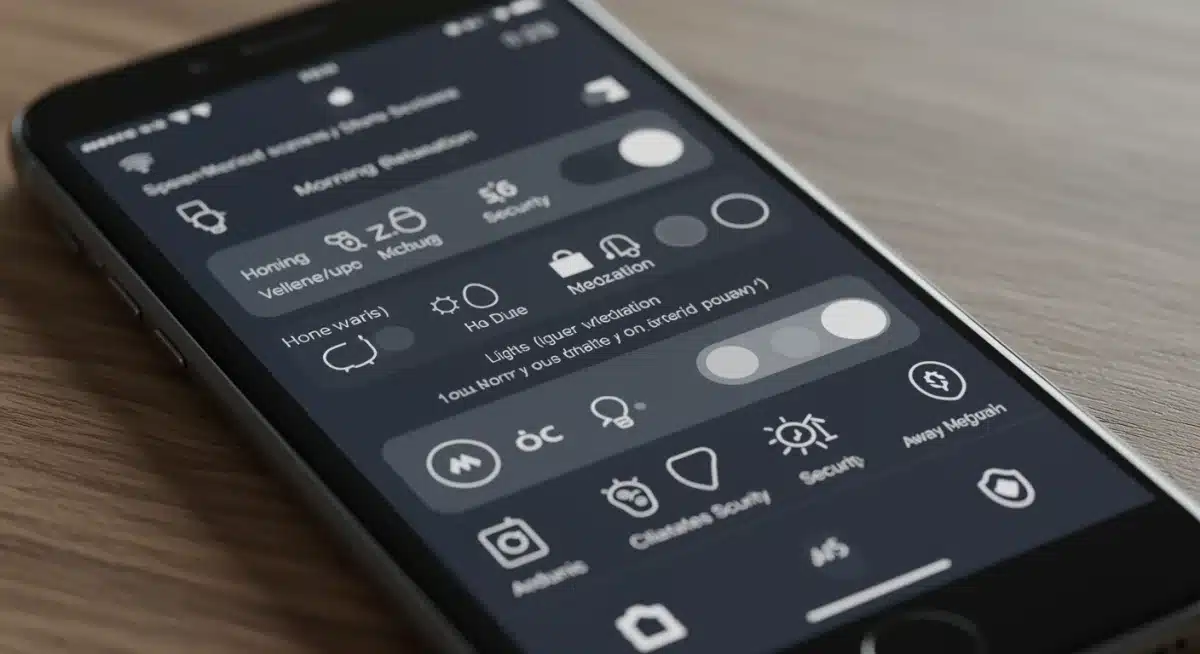
- Enhanced Security Activation: All smart locks engage, security cameras begin active monitoring, motion sensors are armed, and a simulated occupancy lighting pattern begins.
- Climate Adjustment: The smart thermostat adjusts to an energy-saving temperature, preventing unnecessary heating or cooling while you’re away.
- Appliance Power-Down: Smart plugs cut power to non-essential appliances, eliminating phantom energy drain.
- Water Leak Detection: Smart water sensors are activated, and in some advanced systems, the main water valve can even shut off if a leak is detected.
The “Away Mode” scene is indispensable for any modern smart home, offering both robust security and significant energy savings. Mastering smart home routines 2026 means embracing these proactive measures, ensuring your home is always working intelligently, even when you’re not there.
Advanced Integration and Customization in 2026
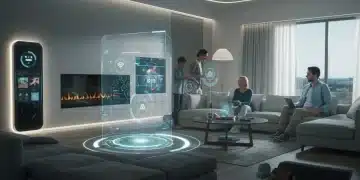
Beyond the four core scenes, the true power of smart home routines in 2026 lies in advanced integration and deep customization. Modern platforms allow for complex conditional logic, multi-trigger events, and personalized dashboards that put you in complete control. It’s about moving from basic automation to a truly intelligent, adaptive home that understands your unique needs and preferences.
The evolution of smart home ecosystems means you’re no longer limited to predefined actions. You can now create intricate chains of events, blending different device types and services to achieve highly specific outcomes. This level of flexibility ensures your smart home is a perfect reflection of your lifestyle, adapting as your needs change.
Leveraging AI for Personalized Experiences
In 2026, AI plays a pivotal role in taking customization to the next level. Machine learning algorithms analyze your historical data, predicting your needs and suggesting routine optimizations you might not have considered. This proactive intelligence makes your smart home feel more intuitive and responsive.
- Conditional Triggers: Set routines that activate only if specific conditions are met, e.g., lights dim only if it’s dark outside and no one is in the room.
- Voice Profile Recognition: Your smart assistant recognizes individual voices, tailoring responses and activating personalized routines for each family member.
- Biometric Integration: Advanced systems can integrate with biometric data (e.g., heart rate from a wearable) to adjust environmental factors for optimal well-being.
- Dynamic Scheduling: Routines can adapt to your calendar, traffic conditions, or even real-time energy prices, ensuring maximum efficiency and convenience.
The ability to integrate and customize routines at this advanced level is what truly defines mastering smart home routines 2026. It’s about building a home that not only reacts to your commands but also anticipates your desires, making daily life effortlessly convenient and deeply personalized.
| Key Scene | Primary Benefit |
|---|---|
| Morning Rise | Serene, energizing start to the day with gradual light and ready coffee. |
| Work-from-Home Focus | Optimized environment for productivity, minimizing distractions and enhancing concentration. |
| Evening Relaxation | Creates a calming ambiance to unwind and prepare for restful sleep. |
| Away Mode | Ensures home security and energy efficiency when residents are absent. |
Frequently Asked Questions About Smart Home Routines
The most crucial aspect is understanding your daily habits and needs to design routines that truly enhance convenience and efficiency. Start simple, then gradually add complexity as you become more familiar with your smart home ecosystem’s capabilities and integration options. Prioritize interoperability between devices.
In 2026, look for devices that support universal standards like Matter or Thread. These protocols ensure seamless communication between different brands and platforms. Always check product specifications and user reviews for confirmed compatibility before purchasing new smart devices for your routines.
Absolutely. By automating climate control, lighting, and appliance power-down through routines like “Away Mode,” you eliminate wasteful energy consumption. Smart thermostats learn your preferences and optimize usage, while smart plugs cut phantom load from idle electronics, leading to significant savings over time.
Modern smart home systems are designed with flexibility in mind. You can easily override any active routine manually through your smart home app, voice command, or even with a physical smart switch. The routine will typically resume its scheduled operation the next time it’s triggered or at its next scheduled event.
Prioritize strong, unique passwords for all accounts, enable two-factor authentication, and keep all device firmware updated. Use a secure Wi-Fi network with a strong password and consider network segmentation. Reputable smart home brands also offer enhanced security features and regular updates to combat evolving threats.
Conclusion
Mastering smart home routines 2026 is about embracing a new paradigm of living where convenience, efficiency, and personalized comfort converge. By thoughtfully designing and implementing automated scenes like “Morning Rise,” “Work-from-Home Focus,” “Evening Relaxation,” and “Away Mode,” you transform your house into an intuitive, responsive home. The advancements in AI, interoperability, and predictive analytics make it easier than ever to create an environment that anticipates your needs, saves energy, and enhances your overall well-being. The journey to a smarter home is continuous; each routine you create builds upon the last, leading to a truly integrated and effortless daily experience.