Maximize Smart Plugs: Cut Energy Waste 20% Annually
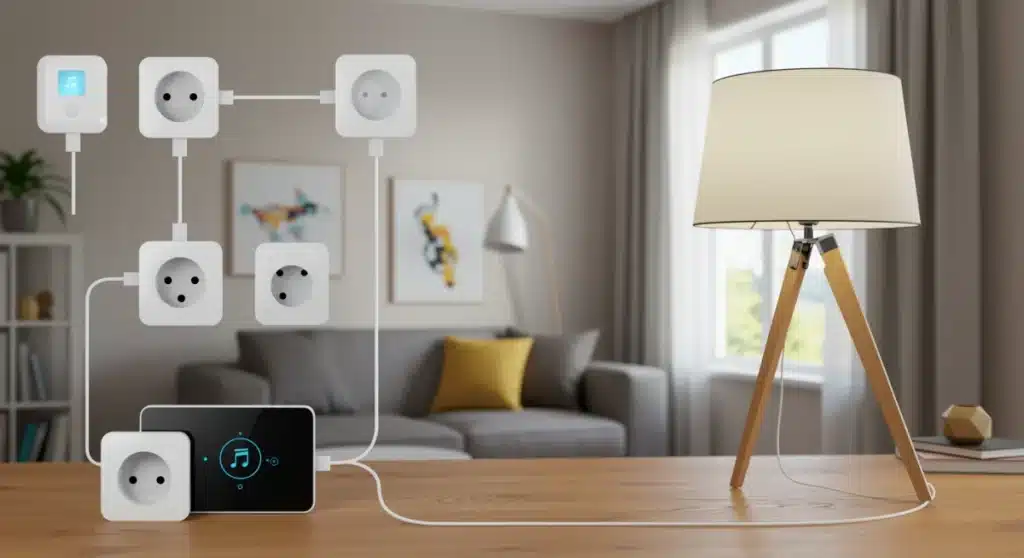
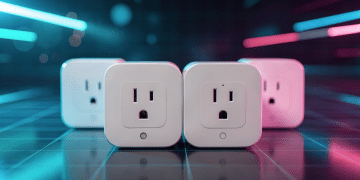
Smart plugs offer a simple yet powerful solution to curb energy waste, providing unexpected applications that can lead to significant annual savings and a more efficient smart home ecosystem.
In an era where every dollar counts and environmental consciousness is growing, optimizing household energy consumption is more critical than ever. The humble smart plug, often overlooked or relegated to simple on/off tasks, holds immense potential for significant savings. This article delves into how you can truly maximize smart plugs, exploring six unexpected uses that can help reduce your energy waste by up to 20% annually, directly impacting your finances and contributing to a more sustainable lifestyle.
Understanding the True Potential of Smart Plugs
Smart plugs are much more than just remote-controlled outlets; they are gateways to a more energy-efficient and automated home. By providing granular control over individual appliances, they empower users to eliminate standby power drain, schedule operations, and even monitor energy usage in real-time. This level of control is crucial for tackling the often-invisible culprits of energy waste in our homes.
Many homeowners underestimate the cumulative effect of devices drawing power even when not actively in use, a phenomenon known as ‘phantom load’ or ‘vampire drain.’ Smart plugs offer a straightforward, cost-effective solution to combat this, providing immediate benefits and long-term savings. Their integration into existing smart home ecosystems also allows for complex automation routines, further enhancing their utility.
Beyond the Basic On/Off: Advanced Control
While the ability to turn devices on and off remotely is foundational, the true power of smart plugs lies in their advanced features. These often include:
- Scheduling: Automating when devices receive power.
- Timers: Setting devices to turn off after a specified duration.
- Energy Monitoring: Tracking real-time and historical power consumption.
- Voice Control: Integrating with smart assistants for hands-free operation.
By leveraging these capabilities, users can move beyond simple convenience to strategic energy management. For instance, scheduling lights to turn off when you leave for work, or ensuring your coffee maker powers down after brewing, are simple yet effective ways to save energy. Understanding these foundational aspects is the first step toward unlocking the full energy-saving potential of these devices.
In conclusion, smart plugs are versatile tools that extend far beyond their basic function. Their ability to provide precise control, monitor energy, and integrate with smart home systems makes them indispensable for anyone looking to significantly reduce household energy waste and achieve substantial financial savings. This foundational understanding sets the stage for exploring their more unexpected and impactful applications.
Eliminating Phantom Loads from Entertainment Centers
Entertainment centers are notorious for consuming significant amounts of standby power, even when devices like TVs, gaming consoles, and sound systems are turned off. This ‘phantom load’ can account for a considerable portion of your electricity bill without you even realizing it. Smart plugs offer an elegant solution to completely cut power to these devices when not in use, effectively eliminating this wasteful drain.
Consider the typical setup: a television, a streaming device, a soundbar, and a game console. Each of these components, even in standby mode, continuously draws a small amount of power to maintain settings, listen for remote signals, or perform background updates. Over time, these small draws add up, contributing to higher energy bills. A single smart plug can manage an entire entertainment hub, ensuring zero power consumption when you’re away or asleep.
The Financial Impact of Vampire Drain
Studies show that phantom load can account for 5% to 10% of an average household’s electricity consumption. For a typical U.S. household spending around $150 a month on electricity, this could mean $7.50 to $15 wasted monthly, or $90 to $180 annually, just from standby power. By strategically deploying smart plugs, you can reclaim these expenses.
- TVs and Monitors: Often draw power to maintain instant-on features.
- Gaming Consoles: Remain in low-power modes for quick resume and updates.
- Sound Systems: Keep amplifiers and processors ready for activation.
- Cable Boxes/DVRs: Constantly record or maintain connectivity.
By connecting your entertainment center to a smart plug, you can create schedules that completely cut power during off-peak hours or when you’re not home. Alternatively, you can use voice commands or a smartphone app to power everything down with a single tap, ensuring no energy is wasted. This proactive approach not only saves money but also extends the lifespan of your electronics by reducing continuous power cycling.
Ultimately, smart plugs provide a simple yet powerful defense against phantom loads in entertainment centers. By completely disconnecting these power-hungry devices when not needed, you can achieve tangible financial savings and contribute to a more energy-efficient home environment, making a noticeable difference in your annual energy expenditure.
Automating Seasonal Lighting and Decorations
Seasonal lighting, whether for holidays, special occasions, or simply adding ambiance, often leads to significant energy consumption due and overlooked usage. Leaving decorative lights on longer than necessary or forgetting to turn them off can quickly inflate your electricity bill. Smart plugs offer an ideal solution for automating these temporary power drains, ensuring they only operate when desired.
Think about outdoor string lights or indoor holiday displays. Manually plugging and unplugging them daily is inconvenient and often forgotten. With smart plugs, you can set precise schedules based on sunrise and sunset, or specific times of day, guaranteeing optimal usage without human intervention. This not only saves energy but also adds a layer of convenience to your seasonal decorating efforts.
Effortless Scheduling for Festive Savings
The scheduling feature of smart plugs is particularly beneficial for seasonal lighting. Instead of relying on traditional timers that can be cumbersome to program and adjust, smart plugs integrate seamlessly with your smartphone or smart home hub. This allows for dynamic adjustments and ensures your lights are only on when they truly enhance your home’s aesthetic.
- Outdoor Holiday Lights: Schedule to turn on at dusk and off at midnight.
- Indoor Decorative Lamps: Synchronize with your daily routine, turning on when you arrive home.
- Patio String Lights: Set to illuminate during evening gatherings and power off afterward.
- Themed Lighting: Automate for specific events or parties, then easily disable.
Beyond simple scheduling, some smart plugs can integrate with your location services, turning lights on as you approach home and off as you leave. This geofencing capability ensures that energy is never wasted on lights illuminating an empty house. The ease of programming and flexibility offered by smart plugs make managing seasonal lighting an effortless and energy-efficient task.
In essence, automating seasonal lighting with smart plugs transforms a potential energy drain into an energy-efficient display. This unexpected use not only simplifies festive preparations but also contributes directly to reducing your annual energy consumption, proving that smart home technology can make both your life easier and your wallet happier.
Optimizing Charging Stations and Device Chargers
In virtually every modern household, multiple devices are constantly being charged. Smartphones, tablets, smartwatches, laptops, and cordless tools all rely on chargers that, even when not actively charging a device, continue to draw a small amount of power from the outlet. This continuous draw, often referred to as ‘charger vampire drain,’ contributes to unnecessary energy waste. Smart plugs provide an excellent way to manage these charging stations efficiently.
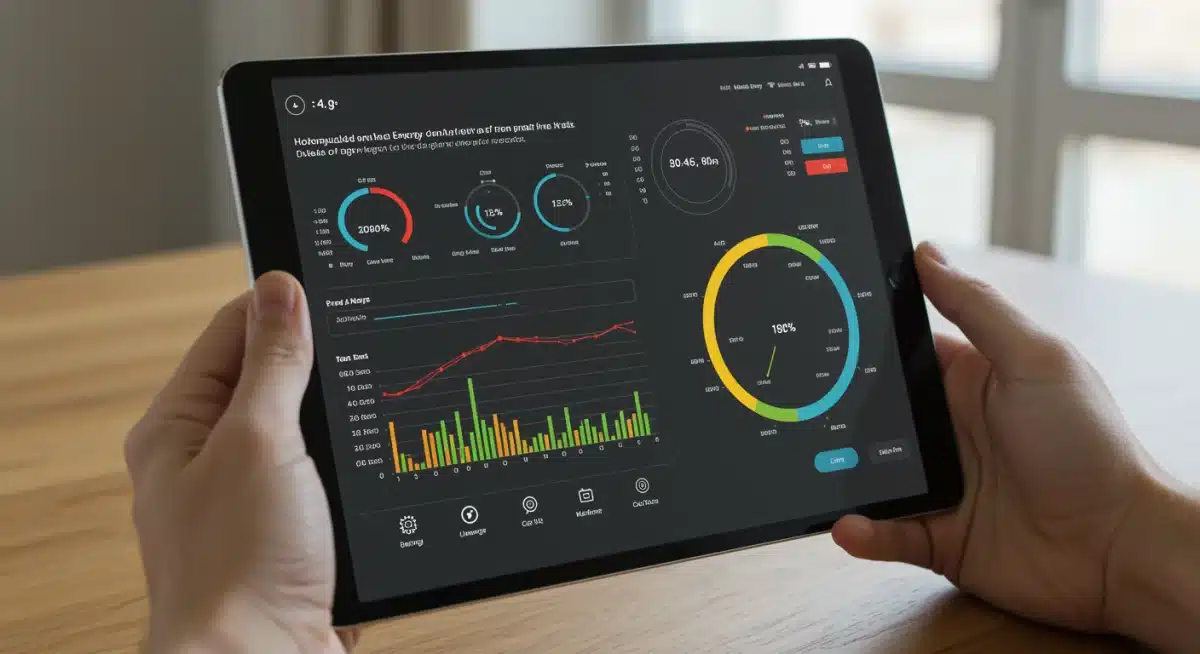
Imagine a central charging hub in your kitchen or office. By connecting this hub to a smart plug, you can ensure that power is only supplied when devices actually need charging. Instead of leaving chargers plugged in 24/7, you can schedule the smart plug to activate during specific hours, or even use energy monitoring features to cut power once devices are fully charged.
Cutting Off Power Post-Charge
One of the most effective ways to use smart plugs for charging stations is to automatically cut power once devices are fully charged. While not all smart plugs offer this advanced feature, many integrate with smart home platforms that can detect when a device’s charging cycle is complete (e.g., through a smart power strip connected to a smart plug). For simpler setups, scheduling works wonders.
- Nightly Charging: Schedule the smart plug to turn on for 2-3 hours overnight, then off.
- Cordless Tool Chargers: Power on only when tools need recharging, preventing continuous trickle charging.
- Laptop Chargers: Use a schedule to charge during work hours and power off overnight.
- Multiple Device Hubs: Control entire charging stations with a single smart plug.
By implementing these strategies, you not only reduce energy waste from chargers but also potentially extend the battery life of your devices by preventing overcharging. The cumulative effect of eliminating these small, constant power draws across multiple chargers can lead to noticeable savings on your annual energy bill. This proactive management of charging habits is a smart, often overlooked application of smart plugs.
Ultimately, optimizing charging stations with smart plugs transforms them from potential energy sinks into efficient power management hubs. This simple change helps eliminate persistent vampire drain, preserves device battery health, and directly contributes to a substantial reduction in your overall household energy consumption and associated costs.
Smart Control for Small Kitchen Appliances
Small kitchen appliances, such as coffee makers, toasters, blenders, and slow cookers, often sit idle for long periods while still drawing minimal power. Moreover, the convenience of pre-programming certain appliances can be enhanced with smart plug integration, leading to both energy savings and improved daily routines. This often-overlooked area offers fertile ground for maximizing smart plugs.
Consider your coffee maker. Many models have a clock display or maintain a heating element, even when not brewing. A smart plug can ensure it’s only powered on when you need it, and completely off otherwise. Similarly, slow cookers can be turned on or off remotely, giving you control over meal preparation even when you’re not home, while saving energy during unnecessary idle times.
Enhancing Convenience and Efficiency
The combination of convenience and energy efficiency is where smart plugs truly shine with kitchen appliances. You can set a schedule for your coffee maker to start brewing just before your alarm goes off, or remotely turn on your slow cooker on your way home from work. This eliminates wasted energy from standby modes and optimizes appliance usage to fit your lifestyle.
- Coffee Makers: Schedule to power on 15 minutes before you wake up, then off after brewing.
- Toasters/Toaster Ovens: Ensure they are completely off when not in active use.
- Slow Cookers: Remotely turn on or off to manage cooking times and avoid unnecessary power draw.
- Electric Kettles: Power only when hot water is needed, preventing continuous standby.
For appliances like blenders or stand mixers, while they might not have significant standby drain, a smart plug can still offer peace of mind by ensuring they are completely disconnected when not in use, especially in homes with curious children. The ability to monitor energy usage for these appliances can also reveal surprising insights into which items consume more power than anticipated.
In conclusion, integrating smart plugs with small kitchen appliances is a clever way to reduce energy waste and add convenience to your daily routine. By eliminating standby power and enabling smart scheduling, you contribute to a more efficient kitchen and a lower overall energy bill, all while enjoying the benefits of a smarter home.
Managing Climate Control Accessories
While smart thermostats handle primary heating and cooling, many homes rely on supplementary climate control accessories like portable heaters, window AC units, fans, and dehumidifiers. These devices can be significant energy consumers, and their manual control often leads to inefficiencies. Smart plugs provide an excellent solution for integrating these accessories into a more cohesive and energy-efficient climate management system.
Think about a portable heater in a home office. Instead of running it all day, a smart plug can be scheduled to turn it on only during working hours, or even linked to a smart thermostat’s occupancy sensor to activate only when the room is occupied. Similarly, a window AC unit can be turned off remotely if you forget it running when you leave the house, preventing unnecessary energy consumption.
Smart Integration for Zoned Comfort
The true power here lies in creating ‘zoned’ climate control, even without a complex HVAC system. By using smart plugs with these individual units, you can tailor heating or cooling to specific rooms only when needed, avoiding the waste of conditioning unoccupied spaces. This approach significantly reduces the energy footprint of supplementary climate control.
- Portable Heaters: Activate only when a room is occupied or during specific cold periods.
- Window AC Units: Schedule to cool before you arrive home, then turn off when you leave.
- Dehumidifiers: Run only during peak humidity hours or when you’re home to monitor.
- Fans: Automate to turn on with higher room temperatures or specific times of day.
Some advanced smart plugs or smart home hubs allow you to integrate these devices with temperature sensors. For example, a smart plug connected to a fan could automatically turn on when the room temperature exceeds a certain threshold. This level of automation ensures comfort is maintained efficiently, without constant manual adjustments or wasted energy.
In summary, using smart plugs to manage climate control accessories transforms them from energy hogs into intelligently controlled devices. This strategy allows for precise, localized climate management, significantly contributing to the overall reduction of household energy waste and providing substantial annual savings on heating and cooling costs.
Creating Automated Routines for Enhanced Savings
The true genius of smart plugs lies not just in individual device control, but in their ability to become building blocks for complex, energy-saving automated routines. By combining smart plugs with other smart home devices and platforms, you can create intricate scenarios that ensure no energy is wasted, all while enhancing convenience and comfort. This is where maximizing smart plugs truly comes to life.
Consider a ‘goodbye’ routine: when you leave your home, a single command or geofence trigger can turn off all lights, power down entertainment centers, and even adjust thermostats. Similarly, a ‘goodnight’ routine can power off bedside chargers, dim lamps, and ensure all non-essential devices are completely disconnected from power, eliminating phantom loads throughout the night.
Synergy with Other Smart Home Devices
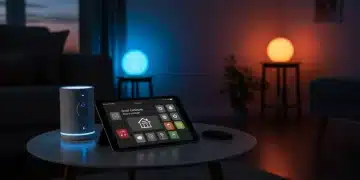
Smart plugs excel when integrated into a larger smart home ecosystem. They can respond to motion sensors, door/window sensors, smart thermostats, and even voice commands, creating a seamless web of automation that prioritizes energy efficiency without sacrificing convenience.
- ‘Leaving Home’ Scene: All smart plugs connected to non-essential devices turn off when your phone leaves the geofenced area.
- ‘Movie Night’ Scene: Smart plug connected to the TV and sound system turns on, while smart plugs for overhead lights dim or turn off.
- ‘Morning Wake-up’ Routine: Smart plug activates the coffee maker and a bedside lamp just before your alarm.
- Humidity Control: A smart plug connected to a dehumidifier activates when a smart humidity sensor detects high levels.
These routines not only save energy by ensuring devices are only powered when needed but also add an unparalleled level of convenience to your daily life. The initial setup might require a little planning, but the long-term benefits in terms of energy savings and effortless living are immense. The ability to customize these routines to perfectly fit your lifestyle ensures maximum efficiency and comfort.
In conclusion, creating automated routines with smart plugs is the pinnacle of energy management in a smart home. By orchestrating devices to work together based on your daily habits and external triggers, you can achieve significant, consistent energy savings, truly maximizing the potential of these versatile devices and reducing your annual energy waste substantially.
| Key Application | Energy Saving Benefit |
|---|---|
| Entertainment Centers | Eliminates phantom load from multiple devices when not in use. |
| Seasonal Lighting | Automates on/off times for decorative lights, preventing unnecessary usage. |
| Charging Stations | Cuts power to chargers post-charge, reducing vampire drain and extending battery life. |
| Climate Control Accessories | Intelligently controls portable heaters, ACs, and fans based on occupancy or schedule. |
Frequently Asked Questions About Smart Plug Energy Savings
Smart plugs can significantly reduce energy waste, particularly from phantom loads. Depending on your current habits and the devices controlled, annual savings can range from 5% to 20% of your total electricity bill, translating to substantial financial benefits over time. This depends heavily on the proactive management of connected devices.
No, smart plugs are generally very easy to install. Most models simply plug into an existing outlet, and then you plug your appliance into the smart plug. Setup typically involves a smartphone app to connect to your Wi-Fi network and begin controlling devices and setting schedules, often taking just a few minutes.
Many smart plugs come with built-in energy monitoring features. These allow you to track the real-time and historical power consumption of connected devices through their companion app. This data is invaluable for identifying energy hogs and making informed decisions about where to focus your energy-saving efforts.
Yes, the vast majority of smart plugs are designed to integrate seamlessly with popular voice assistants such as Amazon Alexa, Google Assistant, and Apple HomeKit. This allows for convenient voice control of your appliances, further enhancing ease of use and enabling hands-free energy management.
Devices with significant phantom loads, such as entertainment centers, computer peripherals, and chargers, are ideal. Also, appliances that benefit from scheduling, like coffee makers, slow cookers, and seasonal lighting, are excellent candidates for smart plug integration to maximize energy savings efficiently.
Conclusion
The journey to an energy-efficient home is multifaceted, and smart plugs stand out as one of the most accessible and impactful tools at your disposal. By moving beyond their basic functionality and embracing these six unexpected uses, you can transform your home into a bastion of energy savings. From eliminating insidious phantom loads in entertainment centers to orchestrating complex automated routines, smart plugs offer a clear path to reducing your annual energy waste by up to 20%. This translates not only to significant financial relief but also to a more sustainable and convenient lifestyle. Embracing these smart solutions is a tangible step toward a smarter, greener, and more economical home.