Smart Energy Management: Grids to Homes in 2026
The Evolution of Smart Energy Management: From Grids to Homes in 2026
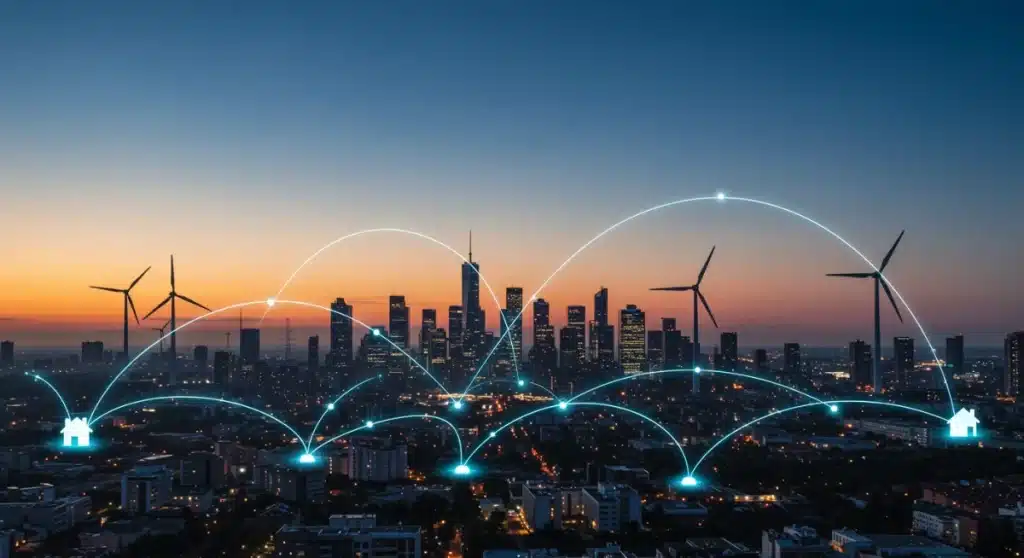
The global energy landscape is undergoing a profound transformation, driven by an urgent need for sustainability, efficiency, and resilience. As we look towards 2026, the concept of Smart Energy Management is no longer a futuristic vision but a rapidly unfolding reality, reshaping how energy is produced, distributed, and consumed. This evolution spans from the macro-level of vast smart grids to the micro-level of intelligent homes, promising a future where energy is not just consumed, but actively managed and optimized.
For decades, energy systems operated largely in a unidirectional manner: power plants generated electricity, which was then pushed through transmission and distribution lines to consumers. This model, while effective for its time, was inefficient, prone to outages, and struggled to integrate intermittent renewable energy sources. The advent of smart technologies, however, has paved the way for a dynamic, interactive, and highly efficient energy ecosystem. By 2026, we anticipate a significant acceleration in the deployment and sophistication of these systems, fundamentally altering our relationship with energy.
This article will delve into the multifaceted evolution of Smart Energy Management, exploring the advancements in smart grids, the rise of smart homes, the critical role of artificial intelligence and the Internet of Things, and the challenges and opportunities that lie ahead. We will examine how these developments are not just about saving money, but about building a more sustainable, resilient, and equitable energy future for everyone.
The Foundation: Smart Grids and Their Maturation by 2026
At the heart of modern Smart Energy Management lies the smart grid. Unlike traditional grids, smart grids leverage digital communication technology to detect and react to local changes in usage and supply, enabling two-way communication between utilities and consumers. This intelligence allows for real-time monitoring, control, and optimization of energy flow, leading to improved reliability, efficiency, and integration of diverse energy sources.
Real-Time Data and Analytics
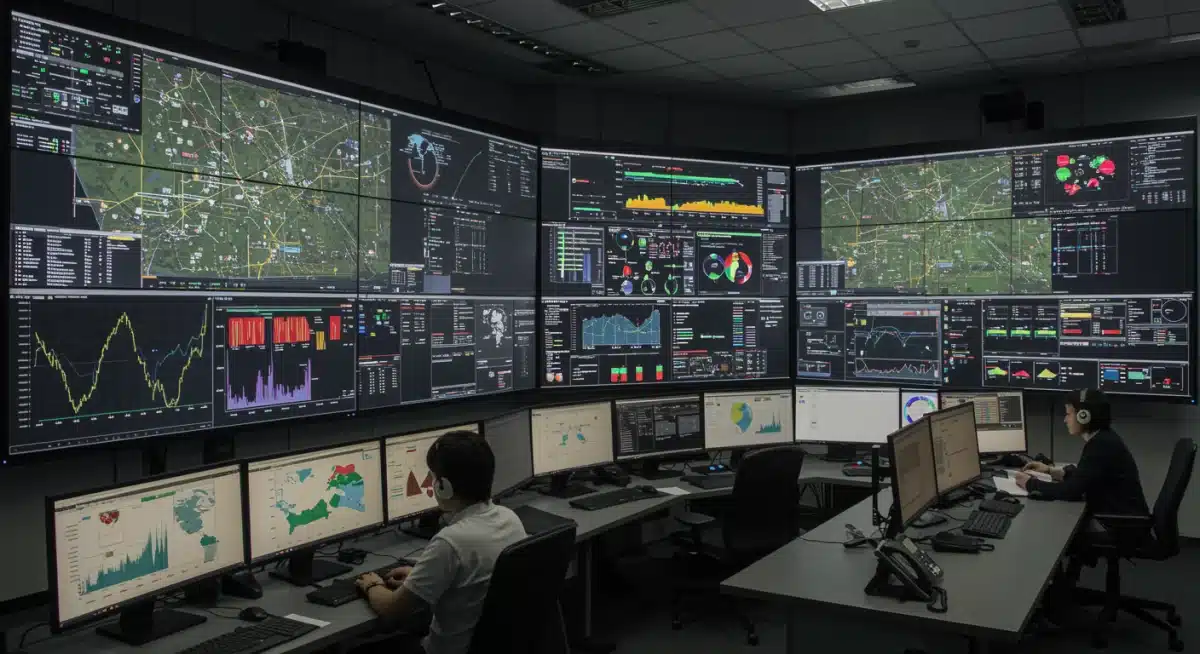
By 2026, smart grids will be characterized by an even greater emphasis on real-time data collection and advanced analytics. Millions of sensors deployed across the grid – from substations to individual smart meters – will continuously feed data on voltage, current, frequency, and consumption patterns. This vast ocean of data, when processed by sophisticated analytical tools, will enable utilities to predict demand fluctuations with greater accuracy, detect faults more quickly, and optimize power flow dynamically. The ability to anticipate and respond to changes proactively will significantly reduce outages and improve the overall stability of the grid.
Enhanced Renewable Energy Integration
The integration of renewable energy sources such as solar and wind power remains a critical challenge due to their intermittent nature. Smart grids are essential for overcoming this hurdle. By 2026, advanced forecasting models, coupled with intelligent control systems, will allow grids to seamlessly incorporate higher percentages of renewables. This includes sophisticated mechanisms for balancing supply and demand, managing energy storage solutions (like large-scale batteries), and enabling distributed energy resources (DERs) to feed power back into the grid effectively. The grid will become a more flexible and adaptable network, capable of handling variable energy inputs without compromising stability.
Demand Response and Load Management
One of the most impactful features of a smart grid is its capacity for demand response (DR) and load management. These programs incentivize consumers to reduce or shift their energy consumption during peak demand periods, thereby alleviating stress on the grid and preventing costly infrastructure upgrades. By 2026, DR programs will be more automated and personalized, utilizing AI-driven algorithms to subtly adjust energy usage in homes and businesses based on grid conditions and consumer preferences. This proactive approach to managing demand will be a cornerstone of efficient Smart Energy Management.
Cybersecurity and Resilience
As grids become more digital and interconnected, cybersecurity becomes paramount. The smart grid of 2026 will feature robust, multi-layered cybersecurity protocols designed to protect against sophisticated cyber threats. This includes advanced encryption, intrusion detection systems, and anomaly detection algorithms powered by machine learning. Furthermore, resilience against physical threats and natural disasters will be enhanced through self-healing grid capabilities, where sections of the grid can automatically isolate faults and reroute power to minimize disruption.
The Micro-Level Revolution: Smart Homes and Intelligent Energy Consumption
While smart grids manage energy at a large scale, the revolution in Smart Energy Management also extends directly into our homes. Smart homes are evolving beyond mere convenience to become active participants in the energy ecosystem, intelligently managing their own consumption and even contributing to grid stability.
Integrated Home Energy Management Systems (HEMS)
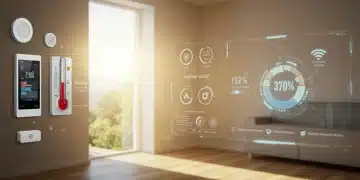
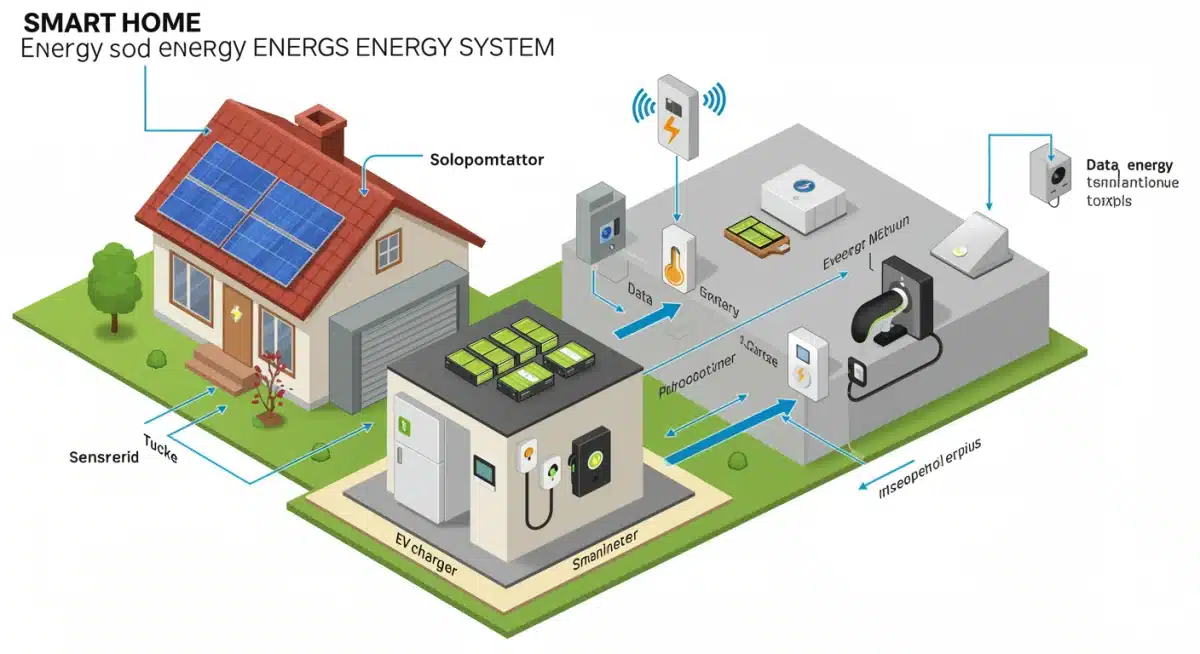
By 2026, Integrated Home Energy Management Systems (HEMS) will be commonplace. These systems act as the central brain of a smart home’s energy consumption, coordinating all connected devices, appliances, and energy sources. HEMS will leverage AI to learn household patterns, predict energy needs, and optimize usage based on factors like electricity prices, weather forecasts, and grid conditions. For example, a HEMS might automatically pre-cool a house during off-peak hours when electricity is cheaper, or prioritize charging an electric vehicle when solar panels are generating surplus power.
Smart Appliances and IoT Integration
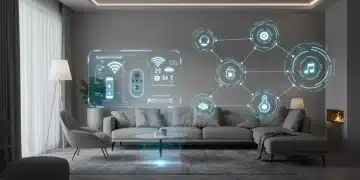
The proliferation of IoT-enabled smart appliances is a key driver of smart home energy efficiency. Refrigerators, washing machines, dishwashers, and even ovens are becoming ‘smart’ – capable of communicating with each other and with the HEMS. This interconnectedness allows for synchronized operation, such as running energy-intensive tasks during periods of low demand or high renewable energy availability. These devices will provide granular data on their energy consumption, allowing homeowners to identify energy hogs and make informed decisions.
On-Site Generation and Storage
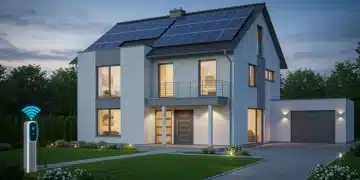
The integration of residential solar panels and battery storage systems will continue to grow exponentially. By 2026, more homes will not only generate their own electricity but also store it for later use or even sell excess power back to the grid. HEMS will play a crucial role in optimizing this process, deciding when to store energy, when to use it, and when to export it, maximizing both financial savings and environmental benefits. This bidirectional flow of energy transforms homes from passive consumers into active ‘prosumers’.
Electric Vehicles (EVs) as Mobile Energy Storage
Electric vehicles (EVs) are not just a mode of transport; they are powerful mobile batteries. By 2026, vehicle-to-grid (V2G) technology will become more widespread, allowing EVs to not only draw power from the grid but also feed it back when needed. This transforms EVs into flexible energy storage assets that can help balance the grid and provide backup power for homes during outages. HEMS will manage EV charging schedules to align with optimal energy prices and grid conditions, further enhancing the overall Smart Energy Management ecosystem.
The Technological Backbone: AI, IoT, and Data Analytics
The advancements in both smart grids and smart homes would be impossible without the underlying technological infrastructure of Artificial Intelligence (AI), the Internet of Things (IoT), and sophisticated data analytics.
Artificial Intelligence for Prediction and Optimization
AI, particularly machine learning, is the engine driving intelligent energy decisions. AI algorithms analyze vast datasets from smart meters, sensors, weather forecasts, and market prices to predict energy demand and supply with unprecedented accuracy. These predictions enable dynamic adjustments in grid operations and home energy usage. For instance, AI can optimize the charging and discharging cycles of battery storage systems, anticipate equipment failures in the grid, or even personalize energy-saving recommendations for homeowners based on their unique habits. This predictive power is central to effective Smart Energy Management.
The Internet of Things (IoT) for Connectivity
The IoT provides the essential network of interconnected devices that enable real-time data exchange. From smart thermostats and light bulbs to industrial sensors and grid components, every ‘thing’ becomes a data point. This pervasive connectivity allows for remote monitoring and control, enabling automated responses and facilitating the seamless integration of diverse energy assets. The sheer volume of data generated by IoT devices fuels the AI algorithms, creating a continuous feedback loop for optimization.
Big Data Analytics for Insights
The sheer volume, velocity, and variety of data generated by smart energy systems necessitate advanced big data analytics. These tools can identify patterns, anomalies, and trends that would be invisible to human operators. For utilities, this means identifying areas of inefficiency, predicting maintenance needs, and understanding customer behavior. For homeowners, it translates into actionable insights on their energy consumption, helping them make more informed decisions and reduce their carbon footprint. Data analytics transforms raw data into valuable intelligence, making Smart Energy Management truly intelligent.
Challenges and Opportunities in 2026
While the future of Smart Energy Management looks promising, several challenges and opportunities will shape its trajectory by 2026.
Challenges:
- Interoperability and Standardization: A major hurdle is ensuring that different devices, systems, and platforms from various manufacturers can communicate and work together seamlessly. Lack of common standards can hinder widespread adoption and create fragmented ecosystems.
- Data Privacy and Security: The collection of vast amounts of energy consumption data raises concerns about privacy. Robust regulations and transparent data handling practices are crucial to build consumer trust. Cybersecurity threats, as mentioned earlier, also remain a constant challenge requiring continuous vigilance.
- Infrastructure Investment: Upgrading aging grid infrastructure to be ‘smart’ requires substantial capital investment. Policy support, innovative financing models, and public-private partnerships will be essential to accelerate this transition.
- Consumer Adoption and Education: While early adopters embrace smart energy technologies, widespread consumer adoption requires education about the benefits, ease of use, and financial incentives. Simplifying interfaces and demonstrating tangible savings will be key.
Opportunities:
- Enhanced Energy Resilience: Smart grids and distributed energy resources offer greater resilience against natural disasters, cyberattacks, and other disruptions. Microgrids, for instance, can operate independently during grid outages, providing critical power to communities.
- Reduced Carbon Emissions: By enabling greater integration of renewables, optimizing energy usage, and facilitating demand-side management, smart energy systems play a pivotal role in reducing greenhouse gas emissions and combating climate change.
- Economic Growth and Job Creation: The development, deployment, and maintenance of smart energy technologies will create new industries, jobs, and economic opportunities across the globe.
- Personalized Energy Experiences: Consumers will have unprecedented control and insight into their energy consumption, leading to more personalized and efficient energy experiences tailored to their lifestyle and preferences.
Policy and Regulatory Frameworks for a Smart Energy Future
The rapid technological advancements in Smart Energy Management must be supported by progressive policy and regulatory frameworks. Governments and regulatory bodies play a crucial role in fostering an environment conducive to innovation, investment, and widespread adoption.
Incentives for Adoption
By 2026, we expect to see continued and expanded incentive programs for both utilities and consumers. These could include tax credits for smart home energy upgrades, subsidies for renewable energy installations, and performance-based incentives for utilities that meet specific smart grid deployment targets. Such incentives lower the financial barrier to entry and accelerate the transition to smarter energy systems.
Standardization and Interoperability Mandates
To address the challenge of interoperability, regulatory bodies may increasingly mandate open standards and protocols for smart energy devices and platforms. This would ensure that products from different manufacturers can communicate effectively, preventing vendor lock-in and promoting a more competitive and innovative market. Clear guidelines on data formats and communication protocols will be vital.
Evolving Market Structures
Traditional energy markets are often designed for centralized, fossil-fuel-based generation. As DERs and prosumers become more prevalent, market structures will need to evolve. By 2026, we anticipate the emergence of more dynamic and localized energy markets, including peer-to-peer energy trading platforms and virtual power plants (VPPs). These new models enable greater participation from consumers and distributed generators, fostering a more decentralized and resilient energy system. Regulators will be tasked with creating frameworks that ensure fairness, transparency, and grid stability within these evolving markets.
Cybersecurity Regulations
Given the critical nature of energy infrastructure, robust cybersecurity regulations will be a non-negotiable aspect of Smart Energy Management. These regulations will likely include mandatory security audits, incident reporting requirements, and compliance with national and international cybersecurity standards for all components of the smart grid and connected smart home devices. Protecting the grid from cyber threats is paramount to national security and economic stability.
The Human Element: Shifting Behaviors and Empowered Consumers
Beyond technology and policy, the success of Smart Energy Management ultimately hinges on the human element – the choices and behaviors of individuals and communities. By 2026, consumers will be more empowered and informed than ever before, playing an active role in shaping their energy future.
Increased Energy Literacy
As smart meters and HEMS provide granular, real-time data, consumers will develop a deeper understanding of their energy consumption patterns. This increased energy literacy will enable them to make more informed decisions about appliance usage, home improvements, and renewable energy investments. Educational campaigns and user-friendly interfaces will be crucial in fostering this understanding.
Active Participation in Demand Response
While some demand response programs are automated, many will still require a degree of conscious participation from consumers. As the benefits of these programs become clearer – both financially and environmentally – more homeowners will actively opt into and engage with them, contributing to grid stability and reducing peak demand. The gamification of energy saving and community-based challenges could further incentivize participation.
Community Energy Initiatives
The rise of Smart Energy Management also facilitates community-level energy initiatives. By 2026, we may see more local microgrids, community solar projects, and energy cooperatives where residents collectively manage and share energy resources. These initiatives empower communities to take control of their energy supply, promote local economic development, and foster a stronger sense of environmental stewardship.
Ethical Consumption and Sustainability
A growing awareness of climate change and environmental issues is driving a shift towards more ethical and sustainable consumption patterns. Smart energy tools provide the means for consumers to align their energy choices with their values, minimizing their carbon footprint and supporting renewable energy sources. This conscious consumption will be a significant driver for the continued evolution and adoption of smart energy solutions.
Conclusion: A Brighter, Smarter Energy Future
The journey from smart grids to smart homes represents a fundamental paradigm shift in how we interact with energy. By 2026, the convergence of advanced technologies like AI and IoT, coupled with evolving policy frameworks and greater consumer engagement, will have solidified the foundation for a truly intelligent and sustainable energy ecosystem. Smart Energy Management is not just about technological upgrades; it’s about building a more resilient, efficient, and environmentally responsible future for generations to come.
While challenges such as interoperability and cybersecurity remain, the opportunities for innovation, economic growth, and environmental protection are immense. As we move forward, continuous collaboration between governments, industry, researchers, and consumers will be key to unlocking the full potential of smart energy solutions. The vision of a world powered by clean, efficiently managed energy is rapidly becoming a reality, and 2026 marks a crucial milestone in this transformative journey.
Embracing these advancements will not only lead to significant cost savings and improved reliability but will also empower every individual to become an active participant in the global effort to combat climate change and build a more sustainable world. The future of energy is smart, and it’s happening now.