In an era where sustainability meets cutting-edge technology, the concept of a smart home has evolved beyond mere convenience. We’re now entering a phase where intelligent automation is not just about making our lives easier, but significantly more energy-efficient and cost-effective. As we look towards 2026, the advancements in smart home technology promise even greater opportunities for reducing our environmental footprint and, perhaps more immediately appealing, slashing our energy bills. This comprehensive guide will explore 5 pivotal smart home automation routines that are projected to save homeowners an impressive 15% on their annual energy expenditures.
The global push for energy conservation, coupled with rising utility costs, has made smart home energy savings a top priority for many. Integrating sophisticated automation routines into your home isn’t just a trend; it’s a strategic investment in your financial future and the planet’s well-being. By harnessing the power of AI, machine learning, and interconnected devices, your home can become an active participant in managing its own energy consumption, adapting to your lifestyle and external conditions with unparalleled precision.
No longer are we talking about simple timers for lights. The smart home of 2026 is a dynamic ecosystem, capable of learning, predicting, and optimizing. From intelligent thermostats that anticipate your needs to smart lighting systems that respond to natural light, and even advanced appliance management, the potential for smart home energy savings is immense. Let’s delve into these transformative routines and discover how you can future-proof your home against escalating energy costs.
The Evolution of Smart Home Energy Management
Before we dive into the specific routines, it’s crucial to understand the landscape of smart home technology that underpins these savings. The past few years have seen an explosion in the capabilities of smart devices. Sensors have become more accurate, connectivity more robust (thanks to Wi-Fi 6 and emerging IoT standards), and artificial intelligence more sophisticated in its ability to analyze data and make autonomous decisions. This convergence of technologies creates a powerful platform for unprecedented smart home energy savings.
Traditional energy saving methods often rely on manual adjustments or simple programmable schedules. While effective to a degree, they lack the adaptability and responsiveness of a truly smart system. Imagine a home that knows when you’re away, not just because you set a ‘vacation mode,’ but because it detects your car leaving the driveway or your smartphone’s location. This level of contextual awareness is what sets modern smart home automation apart and drives significant smart home energy savings.
Moreover, the integration of various smart devices into a unified ecosystem allows for synergistic routines. A smart thermostat can communicate with smart blinds, which can in turn inform a smart lighting system. This interconnectedness is key to achieving optimal energy efficiency, as actions in one area of the home can complement and enhance energy savings in another. This holistic approach is the bedrock of the 2026 smart home, where every device contributes to the overarching goal of smart home energy savings.
Routine 1: Dynamic HVAC Optimization with Predictive Learning
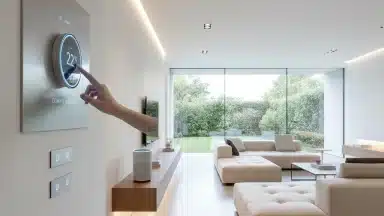
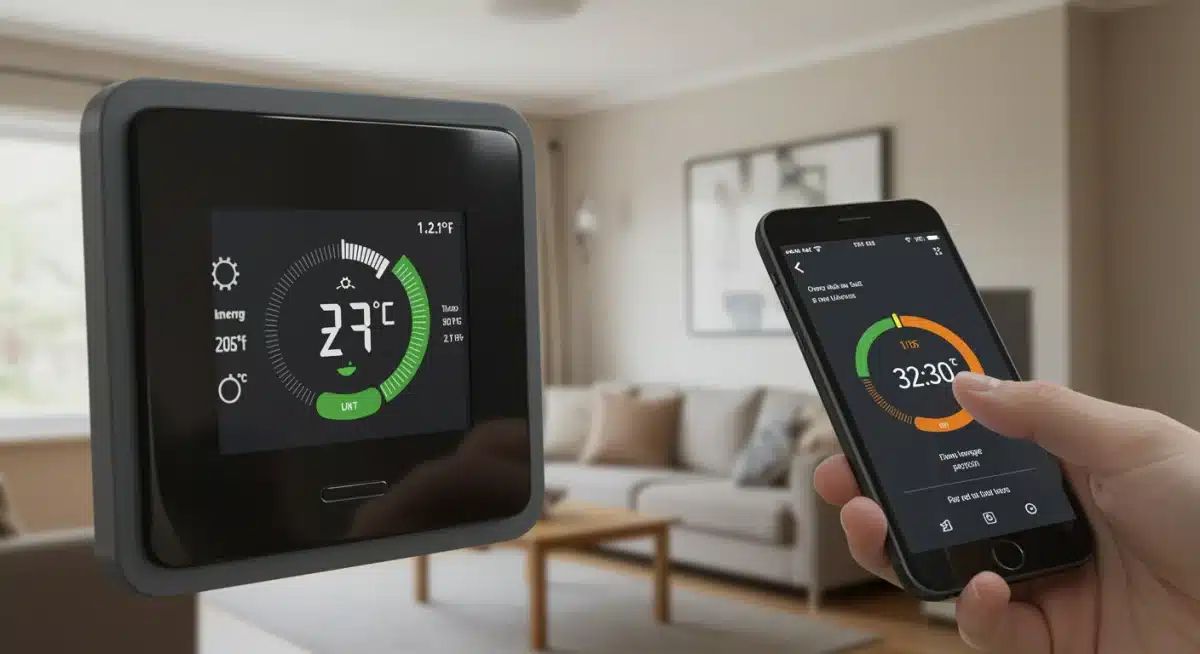
The heating, ventilation, and air conditioning (HVAC) system is typically the largest energy consumer in any home. Optimizing its operation is paramount for achieving substantial smart home energy savings. By 2026, smart thermostats will have advanced significantly, moving beyond simple scheduling to incorporate predictive learning algorithms and external data integration.
How it Works:
- Personalized Learning: These next-gen smart thermostats continuously learn your family’s occupancy patterns, preferred temperatures, and even individual room usage. They understand when you’re typically home, awake, asleep, or away, and adjust accordingly.
- External Data Integration: Beyond internal learning, they will seamlessly integrate with real-time weather forecasts, humidity levels, and even local energy pricing data. If a heatwave is predicted, the system might pre-cool your home during off-peak energy hours to reduce peak-time consumption.
- Zoned Control and Occupancy Sensors: For homes with zoned HVAC systems, smart thermostats will leverage occupancy sensors in each zone. If a room is unoccupied for an extended period, its climate control will automatically scale back, ensuring energy isn’t wasted heating or cooling empty spaces. This granular control is vital for maximizing smart home energy savings.
- Geofencing and Proximity Detection: Many smart thermostats already use geofencing to detect when you leave or approach your home. By 2026, this technology will be more precise, potentially integrating with smart vehicle data or wearable devices for even more accurate home/away detection, ensuring your home is only conditioned when truly necessary.
- HVAC System Health Monitoring: Advanced systems will also monitor the health of your HVAC unit itself, detecting inefficiencies or potential malfunctions early. This proactive maintenance can prevent costly breakdowns and ensure your system is always running at peak efficiency, contributing to ongoing smart home energy savings.
Expected Savings:
Implementing a dynamic HVAC optimization routine can lead to significant reductions in energy consumption, often accounting for 10-15% of your total smart home energy savings. By precisely matching climate control to occupancy and external conditions, waste is minimized.
Routine 2: Intelligent Lighting and Natural Light Harvesting
Lighting might not consume as much energy as HVAC, but inefficient lighting can still add up. The smart lighting systems of 2026 will be far more sophisticated than today’s basic dimmers and color-changing bulbs, focusing heavily on natural light integration and adaptive illumination for enhanced smart home energy savings.
How it Works:
- Ambient Light Sensors: Smart light bulbs and fixtures will incorporate highly sensitive ambient light sensors. Instead of simply turning on or off, they will adjust their brightness and even color temperature based on the amount of natural light entering the room. This ensures optimal illumination without over-lighting.
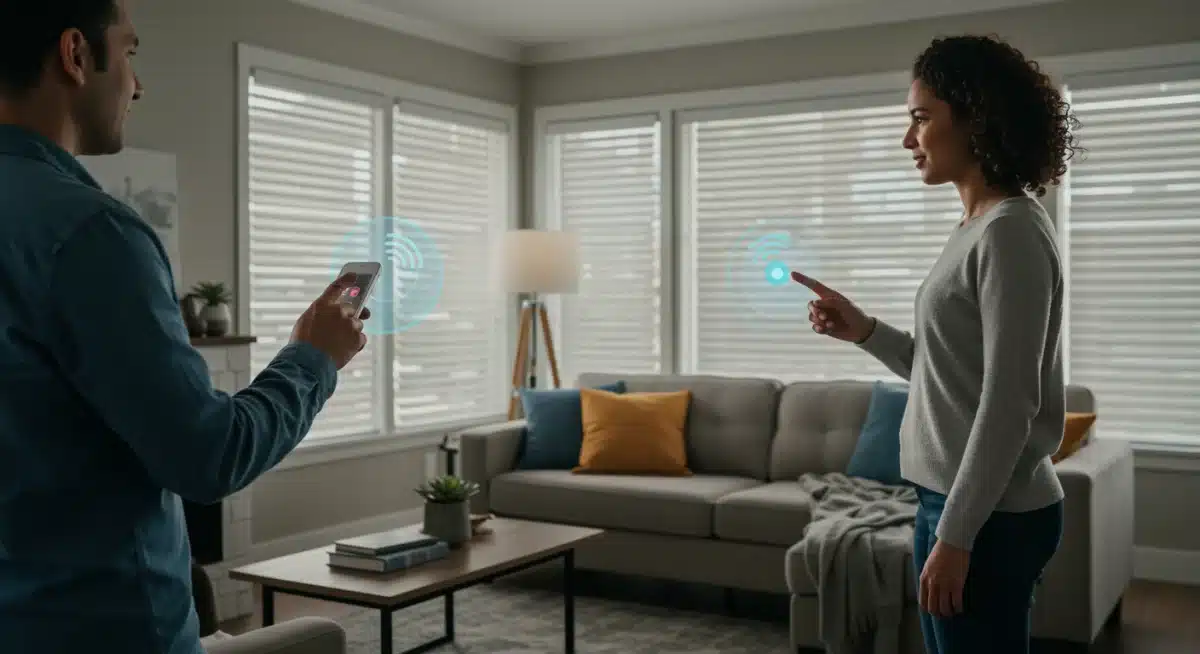
- Automated Blinds and Shades: Integrated with the lighting system, smart blinds and shades will open or close throughout the day to maximize natural light during daylight hours, reducing the need for artificial lighting. In colder months, they might close automatically at dusk to provide an extra layer of insulation, trapping heat and contributing to smart home energy savings. Conversely, in warmer months, they might close during peak sun hours to prevent heat gain.
- Occupancy & Motion Detection: Lights will only activate when a room is occupied and will dim or turn off automatically after a set period of inactivity. This granular control ensures no energy is wasted lighting empty rooms.
- Task-Based Lighting: Imagine your lights adjusting not just to presence, but to activity. If you’re reading, a focused, brighter light might activate over your chair. If you’re watching a movie, the lights might dim to create an immersive experience. This intelligent adaptation ensures you only use the light you need, when you need it, for specific tasks, further boosting smart home energy savings.
- Time-of-Day Scheduling with Override: While schedules can be set, the system will learn and adapt. For instance, if you usually wake up at 7 AM but are still asleep, the lights won’t blast on, instead gently brightening as it detects activity or a later wake-up.
Expected Savings:
By intelligently managing both artificial and natural light, this routine can cut lighting-related energy consumption by 20-30%, contributing significantly to overall smart home energy savings.
Routine 3: Smart Appliance Management & Phantom Load Elimination
Many household appliances, even when turned off, continue to draw a small amount of power – this is known as phantom load or vampire drain. By 2026, smart plugs and power strips, coupled with intelligent energy monitoring, will virtually eliminate this waste, optimizing appliance usage for maximum smart home energy savings.
How it Works:
- Smart Plugs with Energy Monitoring: Individual smart plugs will not only allow remote control but also provide real-time energy consumption data for connected appliances. This data insights will empower homeowners to identify energy hogs.
- Automated Power Cut-off: Appliances that are frequently left plugged in (e.g., coffee makers, phone chargers, entertainment systems) can be connected to smart plugs. The system can be programmed to automatically cut power to these devices when they’re not in use or during specific periods (e.g., overnight, when you’re away), eliminating phantom load.
- Optimized Laundry & Dishwashing Cycles: Smart washing machines, dryers, and dishwashers will communicate with your energy provider’s grid. They can automatically schedule their cycles to run during off-peak hours when electricity rates are lower, without you needing to remember to set a delayed start. This is a powerful driver for smart home energy savings.
- Proactive Appliance Notifications: Your smart home system could notify you if an appliance is consuming an unusually high amount of power, potentially indicating a malfunction or inefficiency that needs addressing.
- Integration with Renewable Energy: For homes with solar panels or other renewable energy sources, smart appliance management will prioritize running high-consumption appliances during periods of peak energy generation, maximizing self-consumption and reducing reliance on grid power. This synergy is key to advanced smart home energy savings.
Expected Savings:
Eliminating phantom loads and optimizing appliance usage can contribute an additional 5-10% to your annual smart home energy savings, especially when combined with off-peak scheduling.
Routine 4: Smart Water Heater Management
Heating water is another significant energy expense. Traditional water heaters often maintain a large tank of water at a high temperature 24/7, regardless of demand. Smart water heater management systems in 2026 will revolutionize this, offering substantial smart home energy savings.
How it Works:
- Demand-Based Heating: Instead of continuous heating, smart water heaters (or smart controllers for existing heaters) will learn your hot water usage patterns. They’ll anticipate demand based on daily routines, heating water only when it’s likely to be needed, rather than constantly.
- Integration with Occupancy Sensors & Geofencing: Similar to HVAC, the system will know when the house is empty and can reduce the water heater’s temperature or even turn it off completely, only to re-engage heating when residents are detected returning home. This intelligent anticipation is crucial for smart home energy savings.
- Off-Peak Energy Scheduling: Like smart appliances, water heaters can be programmed to heat water during off-peak utility hours when electricity is cheaper, storing hot water for use during peak demand periods.
- Leak Detection & Prevention: Advanced systems will include leak detection, not only preventing costly water damage but also identifying leaks that can cause your water heater to work harder and consume more energy.
- Temperature Optimization: The system can suggest optimal temperature settings that balance comfort with energy efficiency, and even adjust temperature slightly based on the season or expected usage.
Expected Savings:
By intelligently managing hot water production, homeowners can expect to see 5-15% reductions in water heating costs, directly contributing to overall smart home energy savings.
Routine 5: Integrated Energy Monitoring & Feedback Systems
The final, and perhaps most empowering, routine is a comprehensive energy monitoring and feedback system that ties all the other routines together. This isn’t just about collecting data; it’s about providing actionable insights and fostering energy-conscious habits, driving continuous smart home energy savings.
How it Works:
- Whole-Home Energy Monitoring: A central hub or dedicated device will monitor electricity consumption at the main breaker panel, providing a real-time, granular view of energy usage across the entire home. This allows homeowners to see exactly where their energy is going.
- Appliance-Level Breakdown: Through machine learning, the system can often disaggregate whole-home data to identify the energy consumption of individual appliances, even if they aren’t on smart plugs. This provides unparalleled insight into energy hogs.
- Personalized Feedback & Alerts: The system will provide easy-to-understand dashboards, daily/weekly/monthly reports, and personalized recommendations via a smartphone app or smart display. It might alert you if you’re exceeding your typical usage or if a particular appliance is drawing excessive power.
- Goal Setting & Gamification: Users can set energy-saving goals, and the system can track progress, even offering ‘badges’ or ‘rewards’ for meeting targets. This gamified approach encourages sustained efforts in achieving smart home energy savings.
- Utility Bill Integration: Seamless integration with your utility provider can allow the system to predict your monthly bill, compare it to previous months, and even suggest adjustments to stay within budget.
- AI-Driven Optimization Suggestions: Beyond just reporting, the AI will actively suggest optimizations. For example, ‘You often leave the living room light on after 10 PM. Would you like to automate it to turn off then?’ or ‘Consider adjusting your thermostat by 2 degrees during the day; it could save you X dollars this month.’ This proactive guidance is key to maximizing smart home energy savings.
Expected Savings:
While not a direct energy-consuming routine, the insights and behavioral changes driven by an integrated energy monitoring system can lead to an additional 5-10% in smart home energy savings by empowering homeowners to make smarter decisions and fine-tune their automation routines.
Implementing Your Smart Home Energy Savings Strategy for 2026
Embarking on the journey to implement these smart home energy savings routines might seem daunting, but it’s a gradual process. Here’s a suggested approach:
1. Start with a Strong Foundation:
Begin by investing in a reliable smart home hub or ecosystem (e.g., Apple HomeKit, Google Home, Amazon Alexa, Samsung SmartThings) that supports a wide range of devices and offers good interoperability. Ensure your Wi-Fi network is robust enough to handle numerous connected devices.
2. Prioritize High-Impact Areas:
Focus on HVAC first, as it offers the largest potential for smart home energy savings. Upgrade to a smart thermostat and consider adding occupancy sensors. Then move to lighting, replacing frequently used bulbs with smart LEDs and exploring automated blinds.
3. Gradual Expansion:
Slowly expand your smart home setup. Add smart plugs for phantom load elimination, integrate a smart water heater controller, and finally, install a whole-home energy monitor. Each addition builds upon the previous, enhancing your overall smart home energy savings.
4. Monitor and Adjust:
Regularly review the data from your energy monitoring system. Pay attention to the feedback and suggestions provided by the AI. Don’t be afraid to fine-tune your routines and schedules as your lifestyle changes or as you discover new ways to optimize for smart home energy savings.
5. Stay Updated:
Smart home technology is constantly evolving. Keep an eye on new device releases, software updates, and emerging standards (like Matter, which aims to improve interoperability). Regularly updating your devices and software can unlock new features and further enhance your smart home energy savings.
The Broader Impact of Smart Home Energy Savings
Beyond the personal financial benefits, widespread adoption of these smart home energy savings routines has a profound impact on a larger scale. Reduced energy consumption lessens the demand on power grids, leading to fewer blackouts, especially during peak usage times. It also contributes significantly to reducing greenhouse gas emissions, helping combat climate change and promoting a more sustainable future. Every percentage point saved in individual homes aggregates into substantial environmental benefits globally.
Moreover, the data collected by these smart home systems can provide valuable insights for energy providers and urban planners, enabling them to build more efficient infrastructure and develop smarter energy policies. This symbiotic relationship between individual smart homes and the broader energy ecosystem is a powerful driver for a greener, more resilient future. The journey towards comprehensive smart home energy savings is not just a personal endeavor but a collective step towards global sustainability.
Challenges and Considerations
While the benefits of smart home energy savings are clear, there are a few considerations and potential challenges to keep in mind:
- Initial Investment: The upfront cost of smart devices and installation can be a barrier for some. However, viewing these as long-term investments with significant ROI through energy savings can help justify the expense.
- Privacy Concerns: Smart homes collect a lot of data about your habits. It’s crucial to choose reputable brands with strong privacy policies and to understand how your data is being used.
- Interoperability: Ensuring all your devices work seamlessly together can sometimes be a challenge, especially if you mix brands. Adopting a unified ecosystem or devices compatible with emerging standards like Matter can mitigate this.
- Connectivity Reliability: A stable and fast internet connection is vital for a smart home to function optimally. Downtime can disrupt automation routines and impact smart home energy savings.
- Learning Curve: There might be a slight learning curve to set up and fine-tune complex automation routines. However, most modern smart home interfaces are designed to be intuitive and user-friendly.
Despite these considerations, the trajectory of smart home technology points towards increasingly seamless integration and user-friendly interfaces, making the path to significant smart home energy savings more accessible than ever before.
Conclusion: Embrace the Future of Smart Home Energy Savings
The year 2026 is poised to be a landmark year for smart home energy savings. The routines outlined above – dynamic HVAC optimization, intelligent lighting and natural light harvesting, smart appliance management, smart water heater management, and integrated energy monitoring – represent the pinnacle of current and near-future capabilities. By strategically implementing these advanced automation strategies, homeowners can realistically expect to achieve annual energy bill reductions of 15% or more, contributing both to their financial well-being and a healthier planet.
The transition to a smarter, more energy-efficient home is not just about adopting new gadgets; it’s about embracing a new way of living that prioritizes sustainability, comfort, and cost-effectiveness. The power to control and optimize your home’s energy consumption is now at your fingertips, thanks to the continuous innovation in smart home technology. Start planning your smart home energy savings strategy today, and step into a future where your home works harder and smarter for you, year after year.
Remember, every small step towards energy efficiency counts, and with the intelligent automation routines of 2026, those steps can lead to monumental smart home energy savings and a significantly reduced carbon footprint. The future of home energy management is here, and it’s smarter than ever.