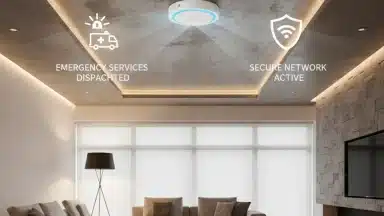
Smart Home Emergency Plan: A 3-Month Action Plan for US Homeowners in 2026
In an increasingly unpredictable world, the concept of home security and safety has evolved far beyond traditional locks and alarms. For US homeowners in 2026, a truly comprehensive approach to safety now integrates advanced technology to create a robust smart home emergency plan. This isn’t just about convenience; it’s about resilience, rapid response, and ultimately, peace of mind. As natural disasters become more frequent and severe, and other unforeseen events can strike at any moment, leveraging smart home technology for emergency preparedness is not just an option, but a necessity.
This detailed 3-month action plan will guide you through the process of transforming your home into a fortress of readiness, utilizing the latest smart home innovations. We’ll cover everything from initial assessments to advanced system integrations, ensuring that by the end of this period, your home is equipped to handle a wide array of emergencies. Our focus is on practical, actionable steps that can be implemented incrementally, making the journey to a fully prepared smart home manageable and effective. By the end of this guide, you will have a clear understanding of how to implement a robust smart home emergency plan tailored for the challenges of 2026 and beyond.
The Imperative of a Smart Home Emergency Plan in 2026
Why is a dedicated smart home emergency plan so crucial now? The answer lies in the confluence of technological advancement and a changing global landscape. Smart home devices, once considered luxury items, are now powerful tools for monitoring, communication, and control during crises. From intelligent smoke detectors that alert your phone to smart lighting that guides you during a power outage, these systems offer capabilities that traditional methods simply cannot match. Moreover, the prevalence of extreme weather events, cybersecurity threats, and other localized emergencies necessitates a proactive and technologically-driven approach to safety.
For US homeowners, understanding the specific risks in their region is the first step. Whether it’s hurricanes in the Southeast, wildfires in the West, blizzards in the Northeast, or earthquakes in California, each area presents unique challenges. A flexible and adaptable smart home emergency plan can be customized to address these specific threats, providing tailored solutions that enhance safety and minimize damage. This plan will empower you to not only react to emergencies but also to anticipate and mitigate their impact, making your home a safer haven for you and your loved ones.
Month 1: Foundation & Assessment – Building Your Smart Home Emergency Plan Baseline
The first month of your smart home emergency plan focuses on establishing a solid foundation. This involves assessing your current vulnerabilities, understanding local risks, and beginning to integrate foundational smart home technologies that will serve as the backbone of your preparedness system. This initial phase is critical, as it lays the groundwork for all subsequent steps.
Week 1: Risk Assessment and Current System Review
Start by conducting a thorough risk assessment of your home and local area. What are the most common emergencies you might face? Research local emergency services, evacuation routes, and community preparedness plans. Simultaneously, take stock of your existing home systems: smoke detectors, carbon monoxide detectors, security systems, and utility shut-offs. Are they up-to-date? Are they interconnected? This review will highlight immediate areas for improvement in your smart home emergency plan.
- Identify Local Threats: Research historical weather patterns, geological risks, and common emergencies in your specific zip code.
- Home Vulnerability Audit: Check for structural weaknesses, outdated wiring, or plumbing issues that could exacerbate an emergency.
- Existing System Inventory: List all current safety devices and their last inspection/maintenance dates.
- Emergency Contacts & Information: Compile a list of critical phone numbers (emergency services, utility companies, neighbors, family).
Week 2: Essential Smart Home Safety Devices
This week, begin investing in and installing core smart safety devices. These are the non-negotiables for any effective smart home emergency plan. Prioritize devices that provide early warning and critical monitoring. Look for devices that can integrate with a central hub or platform for unified control.
- Smart Smoke & Carbon Monoxide Detectors: Replace old detectors with smart versions that send alerts to your phone, even when you’re away. Many also interconnect, so if one detects smoke, all will alarm.
- Smart Water Leak Detectors: Place these in areas prone to leaks (under sinks, near water heaters, in basements) to prevent significant water damage from burst pipes or floods.
- Smart Security Cameras (Indoor/Outdoor): Provide remote monitoring capabilities, allowing you to check on your home during an emergency or after an evacuation.
- Smart Lighting: Can be programmed to turn on during alarms or power outages, illuminating escape routes or creating a ‘lived-in’ look when you’re away.
Week 3: Establishing Your Smart Home Hub & Network
A central hub is crucial for a cohesive smart home emergency plan. This device acts as the brain of your smart home, allowing different devices to communicate and automate responses. Simultaneously, ensure your home network is robust and secure.
- Choose a Smart Home Hub: Consider platforms like Amazon Alexa, Google Home, Apple HomeKit, or dedicated security system hubs (e.g., Vivint, ADT). Ensure compatibility with your chosen devices.
- Secure Wi-Fi Network: Strong passwords, guest networks, and regular router updates are essential to prevent cyber threats that could compromise your smart home.
- Backup Power for Network: Invest in a UPS (Uninterruptible Power Supply) for your router and modem to maintain internet connectivity during short power outages.
- Install and Connect Devices: Follow manufacturer instructions to connect all newly acquired smart devices to your chosen hub and network. Test each device thoroughly.
Week 4: Emergency Communication & Information Access
During an emergency, communication is key. This week focuses on ensuring you have reliable ways to stay informed and contact loved ones, even when traditional systems are down. This is a vital component of any robust smart home emergency plan.
- NOAA Weather Radio: A battery-powered or hand-crank NOAA weather radio is indispensable for critical weather alerts. Some smart radios can integrate with your smart home.
- Satellite Communicator/Two-Way Radio: For areas prone to extended power/cell outages, consider a satellite messenger or FRS/GMRS radios for short-range communication.
- Offline Maps & Documents: Download offline maps of your area and store digital copies of important documents (insurance policies, identification) on a secure, encrypted flash drive or cloud storage with offline access.
- Family Communication Plan: Establish a clear family meeting point, out-of-state contact person, and communication protocols for different scenarios.
Month 2: Enhancement & Automation – Elevating Your Smart Home Emergency Plan
With the foundations in place, Month 2 moves into enhancing your smart home emergency plan through automation, advanced environmental monitoring, and energy management. This phase focuses on making your smart home proactive rather than just reactive.
Week 5: Environmental Sensors & Air Quality Monitoring
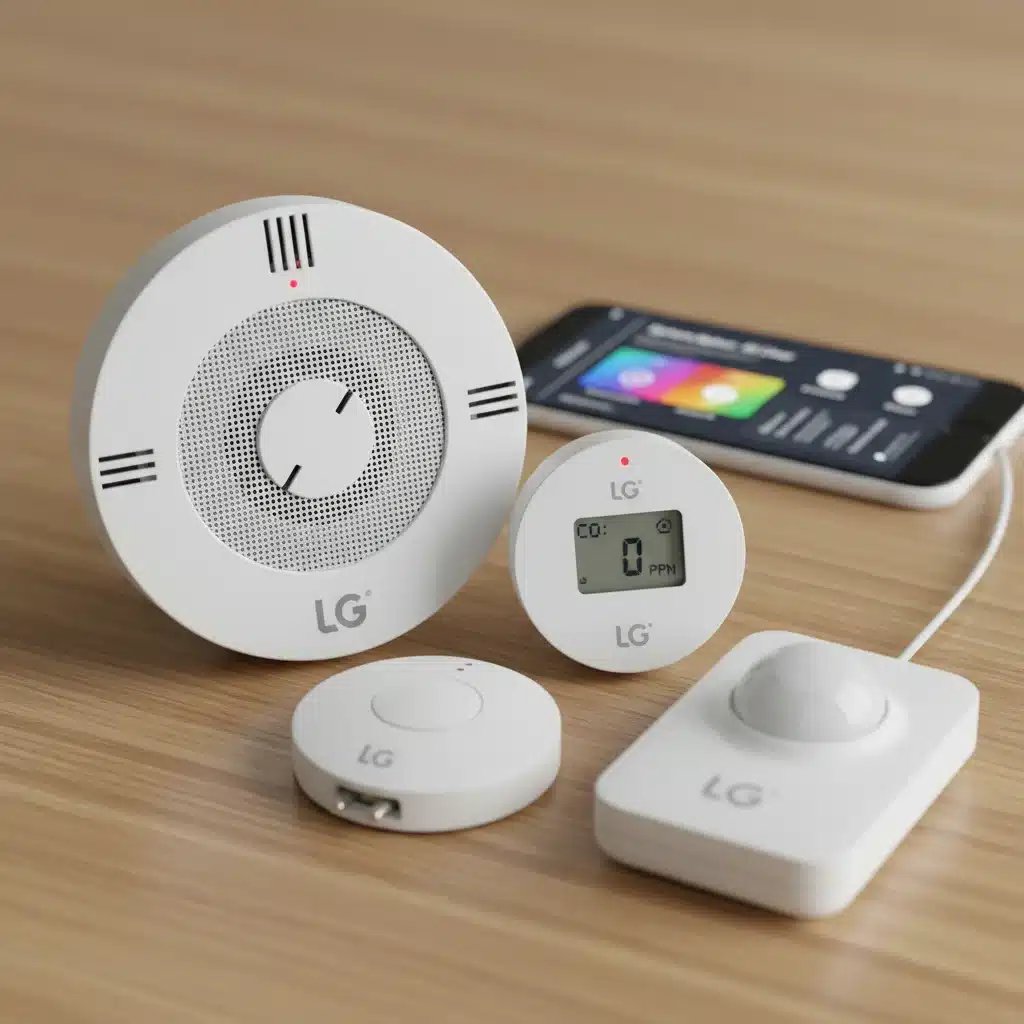
Beyond smoke and CO, other environmental factors can pose significant risks. This week, integrate sensors that monitor air quality, temperature extremes, and even potential gas leaks.
- Smart Air Quality Monitors: Detect volatile organic compounds (VOCs), particulate matter (PM2.5), and other pollutants that can be harmful during wildfires or industrial incidents.
- Smart Temperature Sensors: Monitor temperatures in critical areas (e.g., basement to prevent freezing pipes, server closets). Some can trigger alerts if temperatures go outside a set range.
- Natural Gas/Propane Detectors: If you use natural gas or propane, smart detectors can provide early warning of leaks, which is crucial for safety.
- Integrate with HVAC: Smart thermostats can be programmed to respond to air quality alerts by running air purifiers or adjusting ventilation.
Week 6: Smart Utility Management & Shut-Offs
The ability to remotely manage or automatically shut off utilities can prevent secondary damage and enhance safety during an emergency. This is a crucial, often overlooked, aspect of a comprehensive smart home emergency plan.
- Smart Water Shut-Off Valve: Automatically or remotely shut off your main water supply if a leak is detected, preventing extensive water damage.
- Smart Gas Shut-Off Valve: In earthquake-prone areas or homes with gas appliances, a smart gas shut-off can automatically cut off the gas supply during a tremor or leak.
- Smart Circuit Breaker/Panel: Advanced smart electrical panels can monitor energy consumption, detect anomalies, and even allow remote circuit shut-off for safety or energy conservation.
- Smart Plugs for Critical Appliances: Use smart plugs for non-essential appliances, allowing you to remotely power them down during an evacuation or power surge.
Week 7: Emergency Lighting & Power Backup Solutions
Power outages are common during emergencies. Ensuring you have reliable backup power and automated emergency lighting is vital for continued safety and functionality within your smart home emergency plan.
- Smart Battery-Powered Lighting: Install smart lights that automatically turn on when power is lost, guiding occupants to safety.
- Portable Power Stations/Solar Generators: Invest in a high-capacity portable power station to keep essential smart devices, phones, and medical equipment charged. Consider models with solar charging capabilities.
- Whole-Home Generator (Optional but Recommended): For long-term outages, a whole-home generator can power your entire smart home system, ensuring full functionality.
- Smart Outlets with Battery Backup: Some smart outlets offer a small internal battery to keep devices like your Wi-Fi hub running for a short period during a power flicker.
Week 8: Smart Access Control & Evacuation Routes
In an emergency, quick and secure access or egress is paramount. Smart locks and garage door openers can play a vital role in your smart home emergency plan.
- Smart Locks: Can be remotely unlocked for emergency responders or locked down during a security threat. Ensure they have a reliable mechanical override.
- Smart Garage Door Openers: Remotely open or close the garage door, useful if you need to access a vehicle or secure the home quickly.
- Automated Evacuation Lighting: Program smart lights to illuminate clear pathways to exits during an alarm.
- Digital Evacuation Plan: Store your family’s evacuation plan, including multiple routes and meeting points, on your smart home hub or a readily accessible device.
Month 3: Integration, Testing & Maintenance – Perfecting Your Smart Home Emergency Plan
The final month is dedicated to bringing all the pieces of your smart home emergency plan together. This involves comprehensive testing, creating automated routines, and establishing a regular maintenance schedule to ensure long-term readiness.
Week 9: Creating Automated Emergency Routines (Scenarios)
This is where your smart home truly shines. Configure automated routines (often called ‘scenes’ or ‘routines’ in smart home apps) that trigger specific actions based on emergency events. This is the heart of a proactive smart home emergency plan.
- Fire/CO Alarm Routine: If a smart smoke/CO detector activates, automatically unlock smart doors, turn on all lights to 100%, send alerts to family members, and potentially shut off HVAC.
- Water Leak Routine: If a water leak is detected, automatically shut off the main water valve and send alerts.
- Security Breach Routine: If a security sensor (door/window sensor, motion detector) is tripped, activate alarms, flash lights, record video, and notify authorities/contacts.
- Power Outage Routine: When power is lost, activate battery-backed lighting, send notifications, and switch critical devices to backup power if available.
- Severe Weather Alert Routine: Integrate with weather services to automatically close smart blinds/shutters, turn on NOAA weather radio, and send preparedness reminders.
Week 10: Comprehensive Testing & Drills
A plan is only as good as its execution. This week, rigorously test every component of your smart home emergency plan and conduct family drills to ensure everyone knows their role.
- Full System Test: Manually trigger each sensor (smoke, CO, water leak, motion) to ensure alarms sound, notifications are sent, and automated routines execute correctly.
- Communication Test: Practice using alternative communication methods (NOAA radio, satellite communicator).
- Evacuation Drills: Practice your family’s fire escape plan and other evacuation scenarios, ensuring everyone knows primary and secondary routes and meeting points.
- Power Outage Simulation: Unplug your main power to see how your backup systems and emergency lighting perform.
- Review & Refine: After testing, identify any weaknesses or areas for improvement in your plan and make necessary adjustments.
Week 11: Emergency Kit & Information Hub
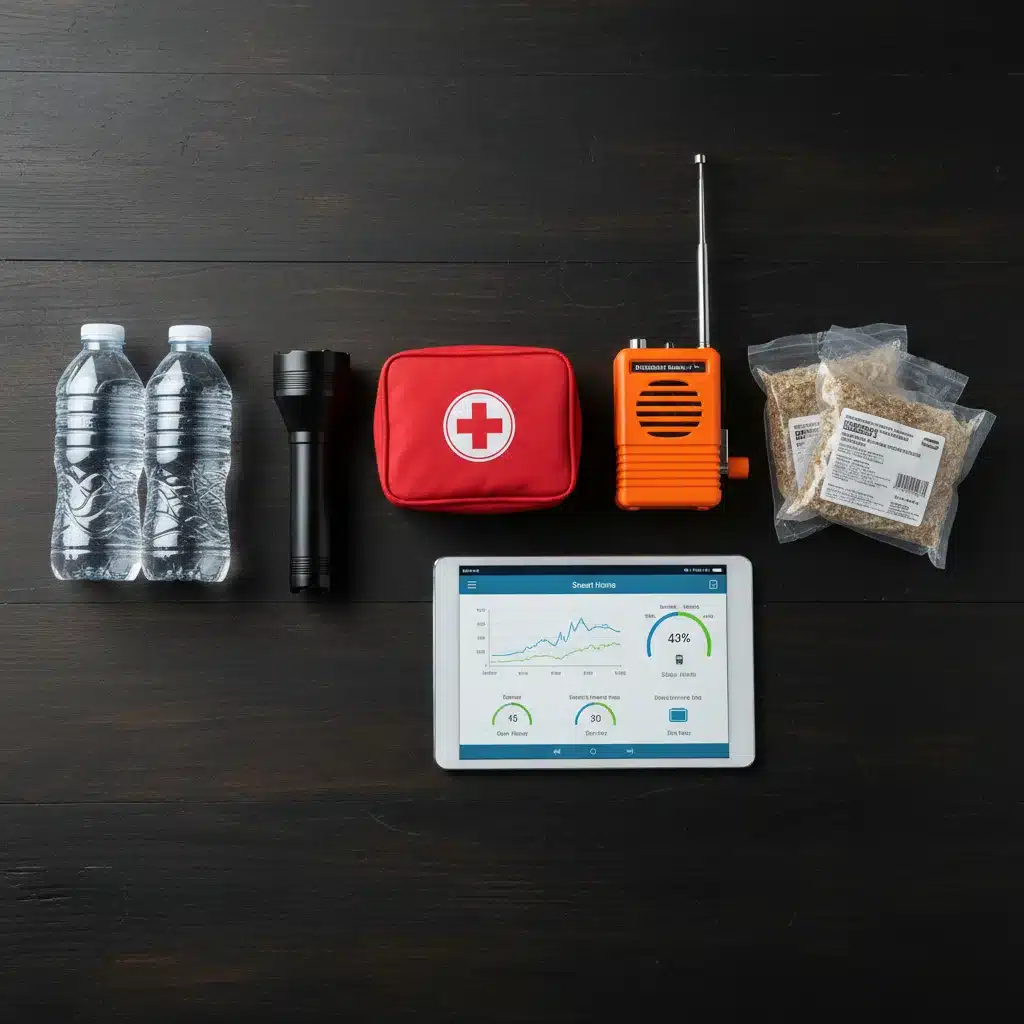
While smart tech is invaluable, traditional emergency preparedness remains essential. This week focuses on creating and organizing your physical emergency kit, ensuring it complements your smart home systems. This is a critical addition to your smart home emergency plan.
- Assemble a Go-Bag/Emergency Kit: Include essentials like a first-aid kit, non-perishable food and water (3-day supply per person), medications, flashlight, whistle, multi-tool, and cash.
- Digital & Physical Important Documents: Ensure both digital (encrypted cloud/USB) and physical copies of vital documents (ID, insurance, medical records) are securely stored and accessible.
- Emergency Information Hub: Create a physical binder or digital folder accessible via your smart hub that contains emergency contacts, utility shut-off instructions, and family emergency plans.
- Pet Preparedness: Don’t forget your furry friends! Include pet food, water, medications, and carriers in your emergency plan.
Week 12: Ongoing Maintenance & Review for Your Smart Home Emergency Plan
Emergency preparedness is not a one-time task; it’s an ongoing commitment. This final week emphasizes the importance of regular maintenance, updates, and reviews to keep your smart home emergency plan current and effective.
- Regular Device Checks: Test smoke/CO detectors monthly. Check battery levels of all wireless smart devices quarterly.
- Software Updates: Keep all smart home device firmware and app software updated to ensure optimal performance and security.
- Network Security Review: Periodically review your Wi-Fi security settings and change passwords.
- Emergency Kit Refresh: Rotate food and water supplies annually, check expiration dates on medications.
- Annual Plan Review: At least once a year, review your entire smart home emergency plan with your family. Discuss new threats, update contact information, and re-familiarize everyone with procedures.
Advanced Considerations for Your Smart Home Emergency Plan
Once you’ve mastered the core 3-month plan, consider these advanced integrations to further fortify your home:
Geofencing for Automated Alerts
Utilize geofencing capabilities to trigger actions based on your proximity to home. For instance, if a water leak is detected and you are away from home, the system could automatically send an alert to a neighbor or emergency contact. This adds another layer of proactive response to your smart home emergency plan, ensuring that even when you’re not physically present, your home is still being monitored and managed effectively.
Drone Integration for Property Assessment
For large properties or after major natural disasters, a drone equipped with a camera can provide invaluable visual assessment without putting anyone at risk. Some smart home systems are beginning to explore drone integration for perimeter security or post-event damage assessment. This technology can offer a bird’s-eye view of your property, helping you understand the extent of damage or identify immediate hazards before you even step foot outside. This is particularly useful in situations where access to your property might be compromised or dangerous, making it a cutting-edge addition to your smart home emergency plan.
AI-Powered Predictive Analytics
The future of the smart home emergency plan lies in predictive analytics. AI-powered systems can analyze weather patterns, local news, and even social media trends to anticipate potential threats before they materialize. For example, if a severe storm is predicted, the system could automatically suggest pre-emptive measures like closing smart shutters, charging backup batteries, and sending reminders to secure outdoor items. This proactive intelligence moves beyond simple reaction, allowing your smart home to anticipate and prepare for emergencies, significantly enhancing your safety and minimizing potential damage.
Community & Neighborhood Integration
Consider how your smart home emergency plan can extend beyond your property. Some smart home platforms offer features for neighborhood watch integration, allowing you to share alerts or camera feeds with trusted neighbors during a localized incident. This creates a network of mutual aid and collective security, strengthening the overall preparedness of your community. Collaborative efforts, powered by smart technology, can lead to faster response times and greater safety for everyone involved. This community aspect is an often-underestimated but powerful element of a holistic smart home emergency plan.
Cybersecurity Measures for Smart Devices
As you integrate more smart devices into your home, the importance of robust cybersecurity cannot be overstated. A compromised smart home system could be exploited by malicious actors, turning your preparedness assets into vulnerabilities. Ensure all your smart devices are on a secure, segmented network if possible. Use strong, unique passwords for every device and regularly update firmware. Implement two-factor authentication wherever available. Consider a dedicated cybersecurity solution for your smart home network. Protecting your digital infrastructure is just as vital as protecting your physical home, making it an indispensable part of your smart home emergency plan.
Conclusion: A Resilient Future with Your Smart Home Emergency Plan
Embarking on this 3-month journey to build a comprehensive smart home emergency plan is an investment in your safety, security, and peace of mind. By systematically assessing risks, integrating cutting-edge smart home technologies, establishing automated routines, and committing to ongoing maintenance, US homeowners in 2026 can transform their residences into resilient havens capable of weathering a wide range of emergencies. The synergy between traditional preparedness and intelligent technology offers an unparalleled level of protection and responsiveness.
Remember, preparedness is an ongoing process, not a destination. The world continues to evolve, and so too will the threats we face. By staying informed, regularly reviewing your systems, and embracing new technological advancements, your smart home emergency plan will remain a dynamic and effective shield for your home and family. Take these steps today, and build a safer, smarter tomorrow.