Smart Home Emergency Protocols 2026: Fire, Intrusion, CO Alerts
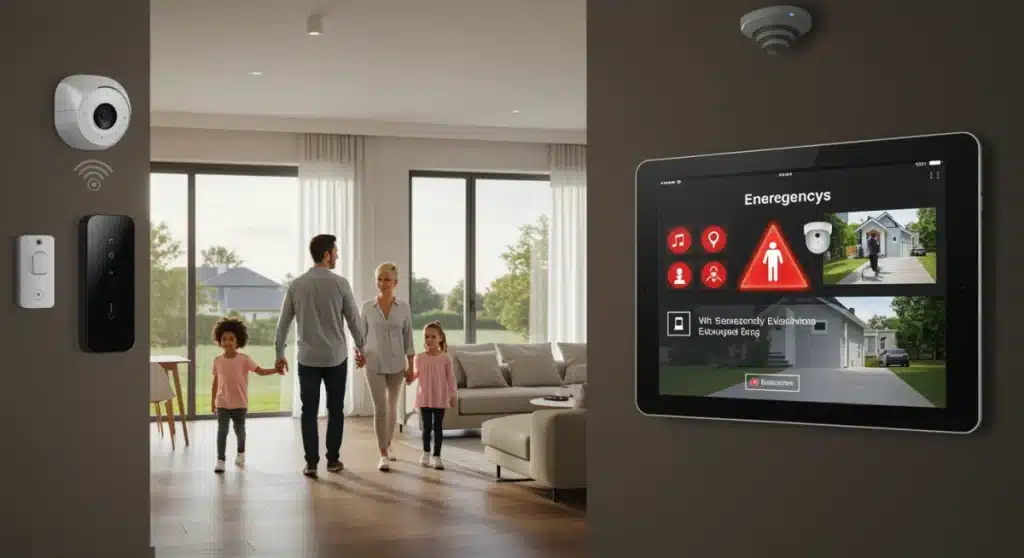
Implementing robust smart home emergency protocols for 2026 is vital for immediate detection and response to critical threats like fire, intrusion, and carbon monoxide, ensuring enhanced safety and rapid alert dissemination.
As we navigate the complexities of 2026, the integration of technology into our daily lives becomes ever more seamless, particularly within our homes. Establishing robust smart home emergency protocols is no longer a luxury but a fundamental necessity for safeguarding your loved ones and property against unforeseen hazards like fire, intrusion, and carbon monoxide alerts.
Understanding the Evolution of Smart Home Safety in 2026
The landscape of smart home safety has undergone a significant transformation leading into 2026. What was once a collection of disparate devices now represents a cohesive, intelligent ecosystem designed for proactive protection. This evolution is driven by advancements in AI, machine learning, and interconnected sensor networks, offering unprecedented levels of awareness and response capabilities.
Modern smart home safety systems are characterized by their ability to not only detect threats but also to analyze situations, predict potential dangers, and initiate automated responses. This shift from reactive alarms to predictive and preventative measures is a game-changer for homeowners seeking comprehensive security and peace of mind.
Integrated Threat Detection
One of the core advancements is the seamless integration of various threat detection systems. Instead of standalone smoke detectors or motion sensors, 2026 systems combine these elements into a unified network that communicates intelligently.
- Unified Sensor Networks: All sensors, from smoke and CO to motion and glass break, operate on a single platform.
- AI-Powered Analysis: Artificial intelligence processes data from multiple sensors to differentiate between real threats and false alarms.
- Predictive Capabilities: Systems can learn patterns and identify anomalous behavior before it escalates into an emergency.
The focus for 2026 is on creating an environment where your home actively participates in its own protection, providing layers of security that are both advanced and intuitive for the user. This holistic approach ensures that potential dangers are identified and addressed with greater speed and accuracy than ever before.
Establishing Core Fire Safety Protocols with Smart Technology
Fire remains one of the most devastating household emergencies, but smart home technology in 2026 has revolutionized our ability to detect, alert, and mitigate its impact. Modern fire safety protocols extend far beyond simple smoke alarms, incorporating advanced sensors and automated responses to protect lives and property.
Implementing effective fire safety protocols means understanding how your smart home system can work cohesively to identify a fire, alert occupants and authorities, and even initiate preventative actions. The goal is to minimize response time and maximize safety during a fire event.
Advanced Fire Detection Systems
Today’s smart smoke detectors are significantly more sophisticated, utilizing multi-sensor technology to distinguish between different types of smoke and even detect smoldering fires before they produce significant smoke.
- Photoelectric and Ionization Sensors: Dual-sensor technology for faster detection of both slow-burning and fast-flaming fires.
- Heat Detectors: Integrated heat sensors that trigger alarms when temperatures rise rapidly, ideal for kitchens and garages.
- Voice Alerts and Location Identification: Systems provide clear voice warnings, often specifying the location of the detected fire.
Beyond detection, smart fire safety protocols integrate with other home systems. For instance, upon detecting a fire, the system can automatically unlock doors for easier escape, turn on lights to illuminate exit routes, and even shut down HVAC systems to prevent smoke spread. These automated responses are critical in saving precious seconds during an emergency.
Remote monitoring and notifications are also central to 2026 fire safety. Homeowners receive instant alerts on their smartphones, allowing them to assess the situation from afar and contact emergency services if necessary. Some advanced systems can even directly notify fire departments, reducing human error and accelerating response times.
Robust Intrusion Detection and Response Strategies for 2026
Intrusion detection has evolved dramatically, moving beyond simple alarms to sophisticated, multi-layered security ecosystems. In 2026, effective intrusion protocols are about prevention, early detection, and rapid, coordinated response, utilizing every aspect of your smart home’s capabilities.
A truly robust intrusion detection system integrates various sensors, cameras, and even AI-driven analytics to create an intelligent perimeter around your home. This proactive approach aims to deter potential intruders before they even attempt entry, and failing that, to ensure immediate and effective response.
Perimeter and Interior Protection
Modern smart homes employ a combination of external and internal sensors to create a comprehensive security net. This layered defense makes it incredibly difficult for intruders to gain access undetected.
- Smart Door and Window Sensors: Not just open/close, but also vibration and glass-break detection.
- Motion Detectors with AI: Differentiate between pets, humans, and environmental factors, minimizing false alarms.
- Smart Cameras with Facial Recognition: Identify known individuals and alert to unfamiliar faces, often with two-way audio.
Beyond basic detection, 2026 intrusion protocols emphasize automated responses. If an intrusion is detected, the system can trigger loud sirens, flash external and internal lights, and even activate smart locks to secure other entry points. These actions are designed to disorient intruders and alert neighbors.
Crucially, smart intrusion systems in 2026 offer immediate alerts to homeowners and, often, directly to professional monitoring services or local law enforcement. This rapid communication drastically reduces response times, increasing the chances of apprehending intruders and minimizing potential losses. The ability to view live camera feeds and communicate remotely adds another layer of control and peace of mind.
Carbon Monoxide Alert Systems: Beyond Basic Detection
Carbon monoxide (CO) is a silent killer, odorless and colorless, making advanced detection critical for home safety. By 2026, smart home carbon monoxide alert systems have moved beyond simple beeping alarms, offering integrated, intelligent solutions that ensure rapid notification and coordinated responses.
Effective CO protocols are designed not just to detect the presence of the gas but to alert all occupants, even those asleep, and to initiate actions that can mitigate danger. This comprehensive approach is essential for protecting against a threat that provides no natural warning signs.
Smart CO Detector Features
The latest smart CO detectors are highly sensitive and integrated into the broader smart home ecosystem, offering features that enhance safety significantly.
- Multi-Level Detection: Detects varying levels of CO concentration, providing early warnings for lower, prolonged exposure.
- Interconnected Alarms: If one CO detector triggers, all connected alarms throughout the home sound simultaneously.
- Digital Displays: Many models feature displays showing current CO levels, allowing for informed decision-making.
Upon detecting dangerous levels of carbon monoxide, smart home systems can initiate several automated responses. This might include opening smart windows for ventilation, shutting off smart thermostats or gas appliances to prevent further CO production, and triggering loud, distinct alarms that differ from fire alarms. These coordinated actions are vital in preventing CO poisoning.
Remote notifications are a cornerstone of 2026 CO alert protocols. Homeowners receive instant alerts on their smartphones, regardless of their location, allowing them to contact emergency services or instruct family members to evacuate. This immediate communication is critical, especially when occupants might be asleep or otherwise incapacitated by CO exposure. Regular testing and maintenance of these smart detectors are also paramount to ensure their continued reliability.
Integrated Emergency Response: Orchestrating Your Smart Home
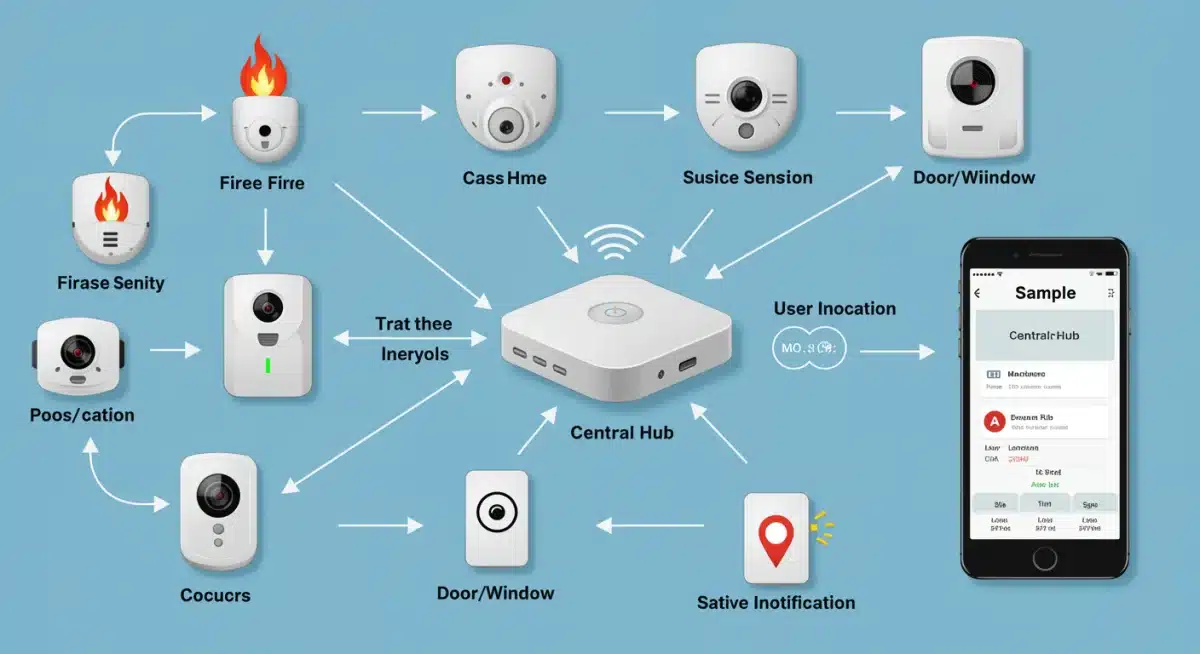
The true power of smart home emergency protocols in 2026 lies in their ability to orchestrate a unified response across all connected devices. It’s no longer about individual alarms; it’s about a symphony of safety, where every component plays a crucial role in protecting your home and family during an emergency.
An integrated emergency response means that when one threat is detected, your entire smart home acts in concert. This coordinated effort minimizes confusion, accelerates evacuation, and improves the overall effectiveness of your safety measures.
Automated Actions and Communication
Upon detection of a fire, intrusion, or CO leak, your smart home can initiate a series of pre-programmed actions designed to enhance safety and facilitate emergency services.
- Lighting Pathways: All interior lights can turn on, and exterior lights can flash, guiding occupants and alerting neighbors/responders.
- Unlocking Doors: Smart locks can automatically disengage, allowing for quick evacuation and emergency personnel access.
- HVAC Control: Systems can shut down to prevent smoke or CO circulation, or even activate ventilation in CO incidents.
Communication is paramount in an integrated response. Your smart home can immediately send detailed notifications to your smartphone, text messages to emergency contacts, and even directly alert professional monitoring services or local authorities. These alerts often include specific details about the emergency, such as the type of threat and its location within the home, enabling faster and more targeted assistance.
Furthermore, voice assistants can broadcast emergency messages throughout the home, guiding occupants to safety. This seamless flow of information and automated actions transforms your smart home into an active participant in its own defense, ensuring that every second counts when an emergency strikes.
Future-Proofing Your Smart Home Emergency Protocols: 2026 and Beyond
Ensuring your smart home emergency protocols remain effective in 2026 and for years to come requires a forward-thinking approach. Technology evolves rapidly, and keeping your safety systems up-to-date is crucial for continuous, optimal protection. Future-proofing involves considering scalability, interoperability, and ongoing maintenance.
The goal is to invest in a system that can adapt to new threats and integrate with emerging technologies, ensuring your home remains a safe haven against future challenges. Don’t just set it and forget it; actively plan for its evolution.
Scalability and Interoperability
Choosing a smart home ecosystem that allows for expansion and integrates with various brands and protocols is key to future-proofing. This ensures you’re not locked into outdated technology.
- Open Standards: Prioritize systems that support open communication protocols like Matter or Thread.
- Modular Design: Opt for systems where you can easily add or upgrade individual components as technology advances.
- API Integrations: Check for robust API support that allows for custom integrations and future-proof functionality.
Regular software and firmware updates are also critical. Manufacturers continuously release updates that improve performance, patch security vulnerabilities, and add new features. Ensuring your devices are always running the latest software is a simple yet effective way to maintain their efficacy.
Finally, periodically reviewing and testing your emergency protocols is essential. Technology can sometimes fail, and human error can lead to oversights. Simulate emergencies, test alarms, and review your family’s evacuation plan annually. Staying informed about new threats and security best practices will empower you to make informed decisions about your smart home’s future safety.
Training and Maintenance for Optimal Emergency Preparedness
Even the most advanced smart home emergency protocols are only as effective as the people who use them and the care they receive. Proper training for all household members and diligent maintenance of your smart devices are paramount for optimal emergency preparedness in 2026.
This involves more than just knowing how to use the app; it’s about understanding the system’s capabilities, knowing what to do when an alarm sounds, and ensuring all components are functioning flawlessly. A well-maintained and understood system provides true peace of mind.
Family Emergency Plan and Drills
Every household needs a clear, well-rehearsed emergency plan that integrates with your smart home’s capabilities. This plan should be communicated to everyone living in the home.
- Designated Meeting Points: Establish safe outdoor meeting spots for fire and CO evacuations.
- Escape Routes: Identify primary and secondary escape routes from each room.
- Role Assignment: Assign specific roles during an emergency, such as assisting children or pets.
Regular maintenance of your smart home devices is equally critical. This includes checking battery levels in wireless sensors, cleaning smoke and CO detectors to prevent false alarms, and ensuring all cameras and motion sensors are free from obstructions. Many smart devices offer self-diagnostic features and send alerts when maintenance is needed, so pay attention to these notifications.
Furthermore, periodically test your entire system. This means triggering smoke alarms, testing CO detectors, and activating intrusion sensors to ensure they are communicating correctly with your central hub and sending alerts to your smartphone. Reviewing alert settings and emergency contact lists annually will ensure that the right people are notified in a crisis. Proactive training and maintenance transform your smart home from a collection of gadgets into a vigilant guardian.
| Key Protocol Area | Essential Action for 2026 |
|---|---|
| Fire Safety | Implement multi-sensor smoke/heat detectors with voice alerts and automated HVAC shutdown. |
| Intrusion Detection | Utilize AI-powered motion sensors, smart cameras with facial recognition, and automated lighting/siren responses. |
| Carbon Monoxide | Install interconnected CO detectors with remote alerts and automatic ventilation/appliance shutdown. |
| Integrated Response | Ensure all smart devices coordinate actions, including unlocking doors and notifying emergency services. |
Frequently Asked Questions About Smart Home Emergency Protocols
The most crucial aspect is the seamless integration and orchestration of all smart devices. This ensures that upon detection of any threat (fire, intrusion, CO), the entire system acts in a coordinated manner to alert occupants, notify authorities, and initiate protective actions like unlocking doors or activating ventilation.
Modern smart home systems in 2026 utilize advanced AI and machine learning algorithms. They analyze data from multiple sensors simultaneously, learn patterns of normal household activity, and can distinguish between, for example, a pet triggering a motion sensor and an actual intruder, significantly reducing false alarm rates.
Yes, many advanced smart home security systems in 2026 offer professional monitoring services that can automatically contact emergency services (fire, police, medical) upon receiving an alarm. Some systems can even directly alert local authorities, though this often depends on local regulations and service providers.
Regular maintenance includes checking battery levels, cleaning sensors (especially smoke and CO detectors), ensuring firmware updates are installed, and periodically testing the system’s functionality. Many smart devices provide app-based alerts for maintenance needs, making it easier to keep your system in top condition.
Future-proofing involves choosing systems that support open standards (like Matter or Thread), have a modular design for easy upgrades, and offer robust API integrations. Regularly reviewing and updating your system’s software and hardware, along with practicing emergency plans, ensures long-term effectiveness.
Conclusion
The imperative to implement robust smart home emergency protocols in 2026 cannot be overstated. As technology continues to advance, our ability to protect our homes and loved ones from threats like fire, intrusion, and carbon monoxide has become more sophisticated and integrated than ever before. By understanding the evolution of smart safety, establishing comprehensive detection systems, orchestrating integrated responses, and committing to ongoing maintenance and training, homeowners can create a truly resilient and secure living environment. The future of home safety is intelligent, interconnected, and proactive, offering unparalleled peace of mind in an ever-changing world.