Smart Home Data Privacy: 5 Critical Trends and User Control Features Emerging by 2026
The allure of a fully interconnected home, where devices anticipate our needs and automate daily tasks, is undeniable. Smart homes promise convenience, efficiency, and enhanced security. However, this growing interconnectedness also brings forth significant concerns regarding
smart home privacy
. Every smart device, from your thermostat to your doorbell camera, collects data – often a lot of it. This data can include your routines, preferences, conversations, and even visual information about your home environment. As we look towards 2026, the landscape of smart home technology is evolving rapidly, and with it, the strategies for managing and protecting our personal data.
Understanding the critical trends shaping
smart home privacy
is paramount for both consumers and manufacturers. The balance between innovative functionality and robust data protection is a delicate one, constantly being refined by technological advancements, regulatory pressures, and consumer demand. This article delves into five critical trends that will define smart home data privacy by 2026 and explores the emerging user control features designed to empower individuals to take charge of their digital lives within their own homes.
The proliferation of IoT (Internet of Things) devices in our homes has created a rich ecosystem of data generation. While this data fuels the smart functionalities we appreciate, it also presents potential vulnerabilities. Unauthorized access, data breaches, and the opaque sharing of personal information are real threats that demand attention. By 2026, we anticipate a more mature approach to
smart home privacy
, driven by both industry innovation and increased consumer awareness.
Trend 1: Hyper-Personalized Privacy Settings and Granular Controls
One of the most significant shifts we expect to see by 2026 is the move towards hyper-personalized and granular privacy controls. Currently, many smart home devices offer an ‘all or nothing’ approach to data sharing, or bury critical settings deep within complex menus. This makes it difficult for users to understand what data is being collected and how it’s being used. The future of
smart home privacy
will empower users with more precise control over their data.
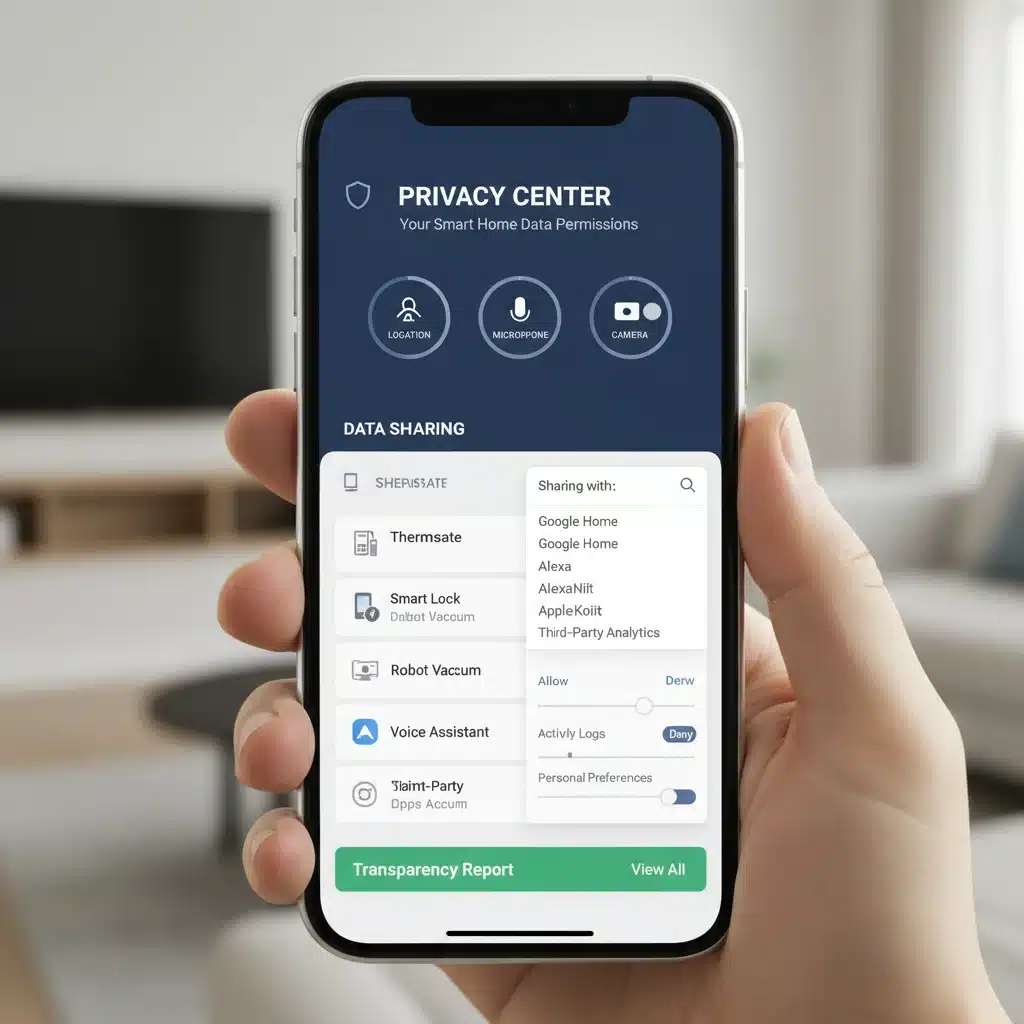
Imagine a dashboard where you can easily toggle specific data points for each device. For instance, your smart speaker might allow you to permit voice commands for music playback but restrict it from sending transcripts of general conversations to the cloud. Your smart thermostat could share temperature preferences for energy efficiency but block the sharing of your presence detection data with third-party advertisers. This level of granularity will move beyond simple on/off switches to offer nuanced control over different data types and their intended uses.
Furthermore, these controls will likely be more intuitive and accessible, perhaps integrated directly into the device’s physical interface or a unified smart home app. This trend is driven by consumer demand for transparency and the growing understanding among manufacturers that trust is a key differentiator. Companies that offer superior, easy-to-manage privacy options will gain a competitive edge. The era of vague privacy policies and hidden settings is slowly coming to an end, replaced by a commitment to explicit consent and user empowerment in the realm of
smart home privacy
.
Trend 2: Enhanced On-Device Processing and Edge AI
A crucial development for bolstering
smart home privacy
is the increasing adoption of on-device processing and Edge AI. Traditionally, much of the data collected by smart home devices is sent to cloud servers for analysis and processing. While convenient, this approach raises concerns about data security during transit and storage in remote data centers. Edge AI, where data processing occurs locally on the device itself, significantly reduces the need to send sensitive information to the cloud.
For example, a smart security camera with Edge AI capabilities can analyze video footage locally to detect motion or identify familiar faces without streaming all video data to external servers. Only relevant alerts or anonymized metadata might be sent to the cloud, drastically minimizing the exposure of personal visual information. Similarly, smart speakers could process voice commands locally, converting speech to text on the device before executing the command, rather than sending raw audio recordings to a central server.
This trend not only enhances privacy by keeping data closer to its source but also improves performance by reducing latency. By 2026, many new smart home devices will likely boast powerful on-device processing capabilities, making Edge AI a standard feature for privacy-conscious consumers. This shift represents a fundamental change in how data is handled within the smart home ecosystem, prioritizing local processing to safeguard
smart home privacy
.
Trend 3: Interoperable Privacy Standards and Certification Programs
The current smart home landscape is fragmented, with various manufacturers employing different privacy policies and security protocols. This lack of standardization makes it challenging for consumers to compare and choose devices based on their privacy commitments. By 2026, we anticipate the emergence of more robust and widely adopted interoperable privacy standards and certification programs.
These standards could be industry-led or government-mandated, aiming to create a baseline for data collection, storage, and sharing practices across all smart home devices. Imagine a ‘privacy-verified’ label on smart products, similar to energy efficiency ratings, which would clearly indicate a device’s adherence to stringent privacy guidelines. Such certifications would provide consumers with easily digestible information, allowing them to make informed decisions without having to decipher lengthy legal documents.
Furthermore, interoperability in privacy settings means that a user’s preferences set on one device or platform could potentially be recognized and respected by others. This would streamline the management of
smart home privacy
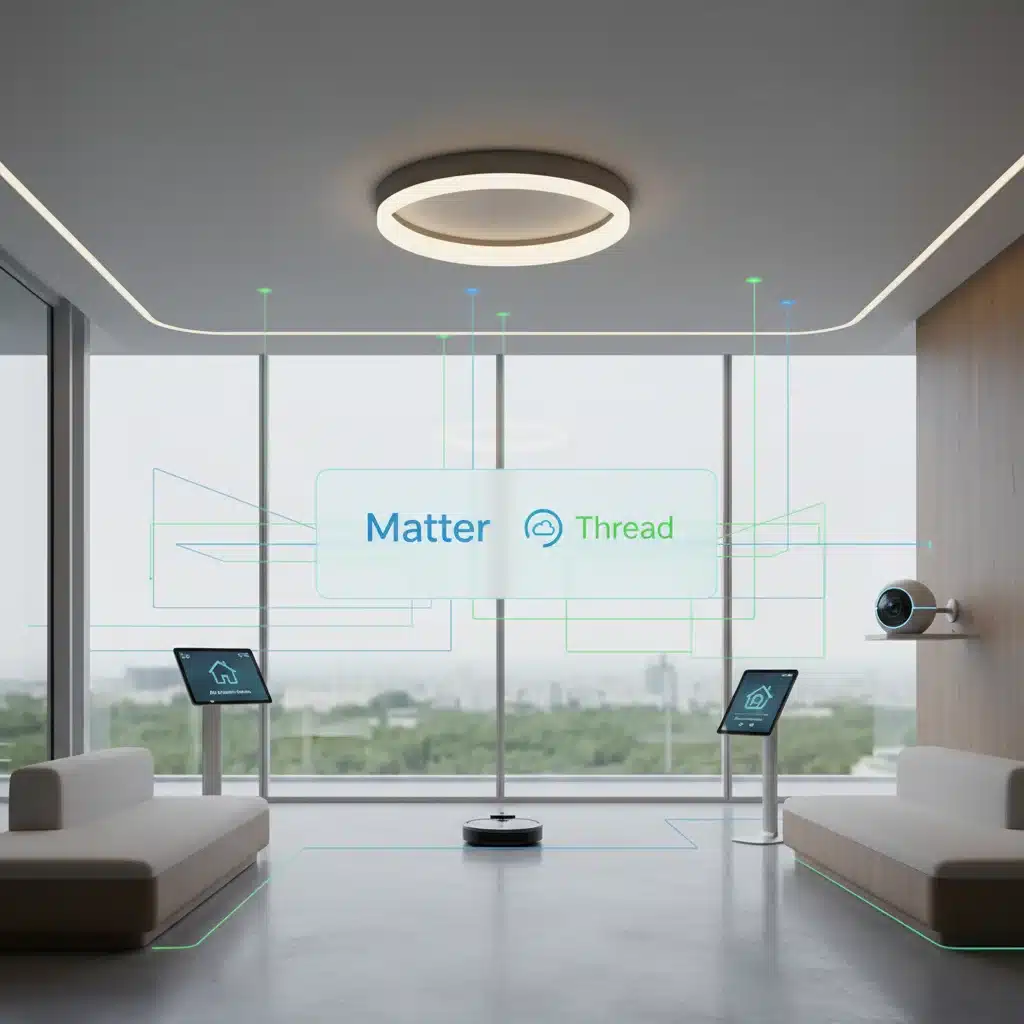
across a diverse ecosystem of products. Initiatives like Matter, an open-source connectivity standard for smart home devices, are already laying the groundwork for greater interoperability, and it’s logical to extend this to privacy protocols. This trend will foster greater accountability among manufacturers and build much-needed trust in the smart home market, making
smart home privacy
a universal expectation rather than a niche concern.
Trend 4: Blockchain Technology for Decentralized Data Management
Blockchain technology, often associated with cryptocurrencies, holds significant potential for revolutionizing
smart home privacy
by offering decentralized and immutable data management. By 2026, we may see early implementations of blockchain-based solutions in smart homes, allowing users to have verifiable ownership and control over their data.
In a blockchain-powered smart home, data records about device usage, sensor readings, and personal preferences could be encrypted and stored on a distributed ledger. Users would effectively own their data, granting or revoking access to specific entities (e.g., device manufacturers, service providers, or even other smart devices) through cryptographic keys. This approach eliminates the need for a central authority to store all user data, significantly reducing the risk of large-scale data breaches.
Moreover, every access request and data transaction would be recorded on the blockchain, creating an immutable audit trail. This transparency would allow users to see exactly who accessed their data, when, and for what purpose. While the full realization of blockchain in smart homes might take longer, its potential to fundamentally alter data ownership and empower users is undeniable. It offers a powerful paradigm shift from data being ‘owned’ by companies to being genuinely controlled by the individual, thereby strengthening
smart home privacy
at its core.
Trend 5: AI-Powered Privacy Assistants and Proactive Threat Detection
As smart home ecosystems become more complex, managing privacy settings can become a daunting task for the average user. By 2026, we anticipate the rise of AI-powered privacy assistants that will actively help users manage their
smart home privacy
and proactively detect potential threats. These intelligent assistants could reside within your smart home hub or as a dedicated software layer.
These AI assistants would learn your privacy preferences and monitor your smart home network for any unusual data transmissions or access attempts. For example, if a new smart device attempts to access your location data without explicit permission, the AI could flag it and prompt you for approval. They could also provide personalized recommendations for strengthening your privacy settings based on your usage patterns and the specific devices in your home. This could involve suggesting which data points to restrict for certain apps or advising on more secure network configurations.
Furthermore, these AI assistants could act as a proactive cybersecurity layer, identifying and neutralizing malware or unauthorized access attempts before they compromise your data. By leveraging machine learning, they could detect anomalies in network traffic or device behavior that indicate a security breach. This trend signifies a move towards more intelligent, automated privacy management, making
smart home privacy
less of a manual burden and more of an integrated, protective feature.
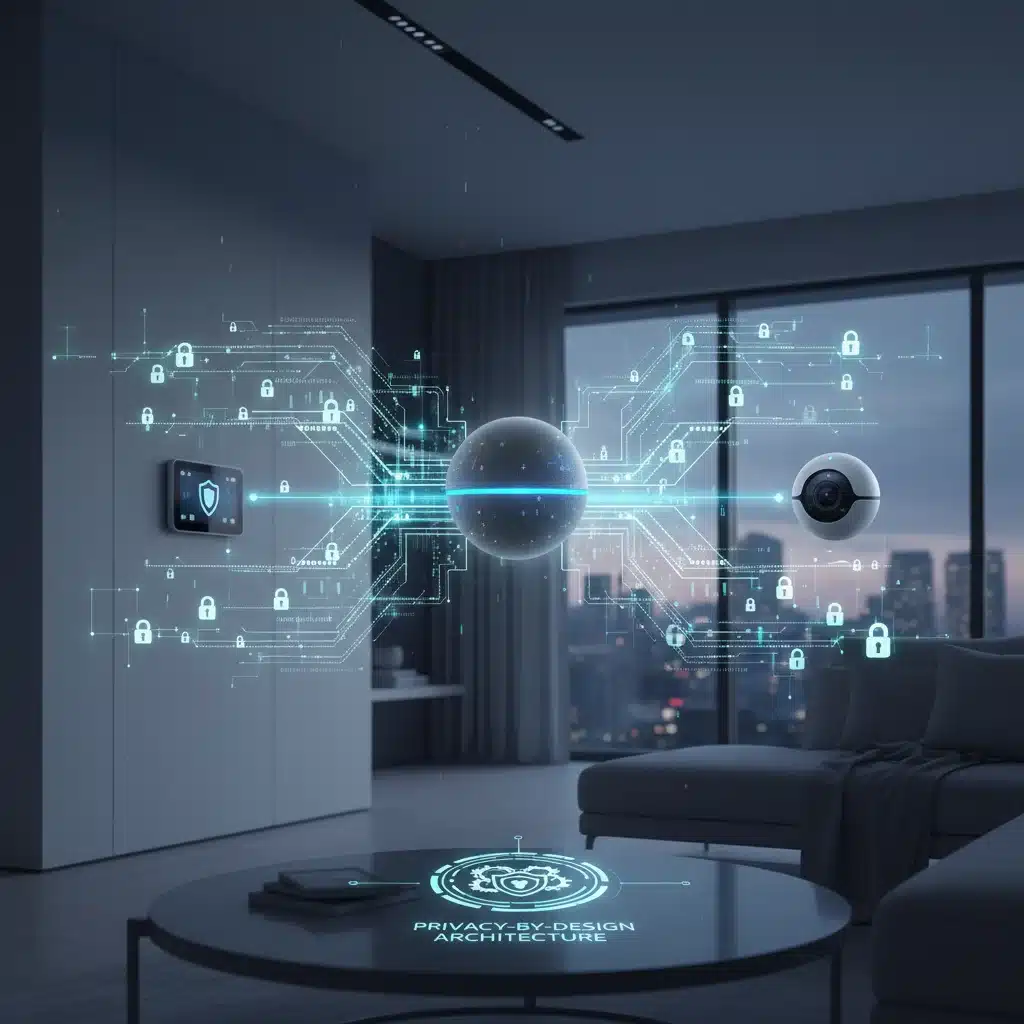
Emerging User Control Features by 2026
Beyond these overarching trends, several specific user control features are expected to become commonplace by 2026, giving individuals greater agency over their
smart home privacy
:
Unified Privacy Dashboards
Instead of managing privacy settings for each device individually, users will have access to centralized, intuitive privacy dashboards. These dashboards, accessible via a dedicated app or a smart home hub, will provide a holistic view of all data being collected, processed, and shared across the entire smart home ecosystem. They will offer a single point of control for adjusting permissions, reviewing data logs, and understanding data flows. This unification is critical for simplifying
smart home privacy
management.
Opt-in/Opt-out for Specific Data Uses
Moving beyond generic privacy policies, users will be presented with clear, actionable options to opt-in or opt-out of specific data uses. For instance, you might opt-in to share anonymized energy consumption data with a utility company for smart grid initiatives but opt-out of sharing your in-home movement patterns with advertising partners. This level of detail empowers users to make informed choices about their data, directly impacting their
smart home privacy
.
Data Minimization Prompts
Devices and platforms will increasingly incorporate data minimization prompts. Before collecting certain types of data, the system might ask, ‘Do you really need to share your exact GPS location for this function? A general city location might suffice.’ This encourages users to consider the necessity of sharing sensitive information and promotes a ‘privacy by default’ mindset. Such prompts will educate users and make them more aware of their
smart home privacy
choices.
Automated Data Deletion Policies
Users will gain the ability to set automated data deletion policies. For example, you could configure your smart security camera to automatically delete video footage after 7 days, or your smart speaker to purge voice command recordings after 30 days. This ensures that sensitive data doesn’t accumulate indefinitely on cloud servers or local devices, reducing the risk of long-term exposure and enhancing
smart home privacy
.
Clear Consent Mechanisms for Third-Party Access
The process for granting third-party access to your smart home data will become more transparent and explicit. Instead of buried clauses in terms of service, users will receive clear, concise requests for consent, detailing exactly which data points a third-party app or service wants to access and for what purpose. This eliminates ambiguity and puts the user firmly in control of their
smart home privacy
relationships.
Privacy-Focused Guest Modes
Smart homes will offer enhanced guest modes that automatically restrict certain data collection and access for temporary users. When friends or family visit, you’ll be able to activate a guest mode that prevents devices from recording their presence, voice commands, or other personal data, ensuring that your home’s privacy extends to everyone within its walls. This feature is crucial for maintaining comprehensive
smart home privacy
.
Auditable Data Logs
Users will have access to comprehensive, easily understandable logs detailing all data transactions and access events. This ‘audit trail’ will show who accessed what data, when, and from which device. Such transparency builds trust and allows users to quickly identify any unauthorized activity, acting as a powerful tool for maintaining
smart home privacy
.
The Role of Regulations and Consumer Advocacy
While technological advancements are driving many of these changes, the role of regulations and consumer advocacy cannot be overstated in shaping the future of
smart home privacy
. Laws like GDPR in Europe and CCPA in California have already set precedents for data protection, influencing how global technology companies design their products and services. We can expect more regions to adopt similar, or even stricter, data privacy regulations specifically addressing IoT and smart home devices.
Consumer advocacy groups will continue to play a vital role in raising awareness, pushing for stronger protections, and holding manufacturers accountable. Their efforts will ensure that privacy remains a central consideration in the development of new smart home technologies, rather than an afterthought. The collective push from regulators, advocates, and informed consumers will be instrumental in making robust
smart home privacy
a universal standard by 2026.
Challenges Ahead for Smart Home Privacy
Despite these promising trends, challenges remain. The sheer volume and variety of smart home devices make comprehensive privacy management complex. The ‘Internet of Insecure Things’ is still a reality, with many low-cost devices lacking adequate security features. Furthermore, the rapid pace of technological innovation often outstrips regulatory frameworks, creating a constant game of catch-up.
Another significant challenge lies in user adoption. Even with sophisticated privacy controls, users must be willing and able to utilize them effectively. Education and intuitive user interfaces will be key to empowering individuals to take control of their
smart home privacy
. Overcoming these hurdles will require ongoing collaboration between industry, government, and consumers to build a truly secure and private smart home ecosystem.
Conclusion: A More Private Smart Home by 2026
The journey towards a truly private smart home is an ongoing one, but the trends emerging by 2026 paint a hopeful picture. With hyper-personalized controls, enhanced on-device processing, interoperable standards, potential blockchain integration, and AI-powered assistants, consumers are set to gain unprecedented control over their data. These advancements, coupled with robust regulations and continued advocacy, will transform the landscape of
smart home privacy
.
The future smart home will not only be intelligent and convenient but also designed with privacy at its core. Users will no longer be passive participants in the data economy of their homes; instead, they will be empowered decision-makers, actively shaping how their personal information is collected, used, and protected. By staying informed about these critical trends and actively utilizing emerging user control features, individuals can ensure their smart homes enhance their lives without compromising their fundamental right to privacy.
Embracing these changes will be key for both consumers seeking peace of mind and manufacturers striving for trust and loyalty. The next few years will undoubtedly be a pivotal period for defining what
smart home privacy
truly means in an increasingly connected world.