AI-Powered Home Automation: 3 Key Trends for 2026 & 15% Energy Savings
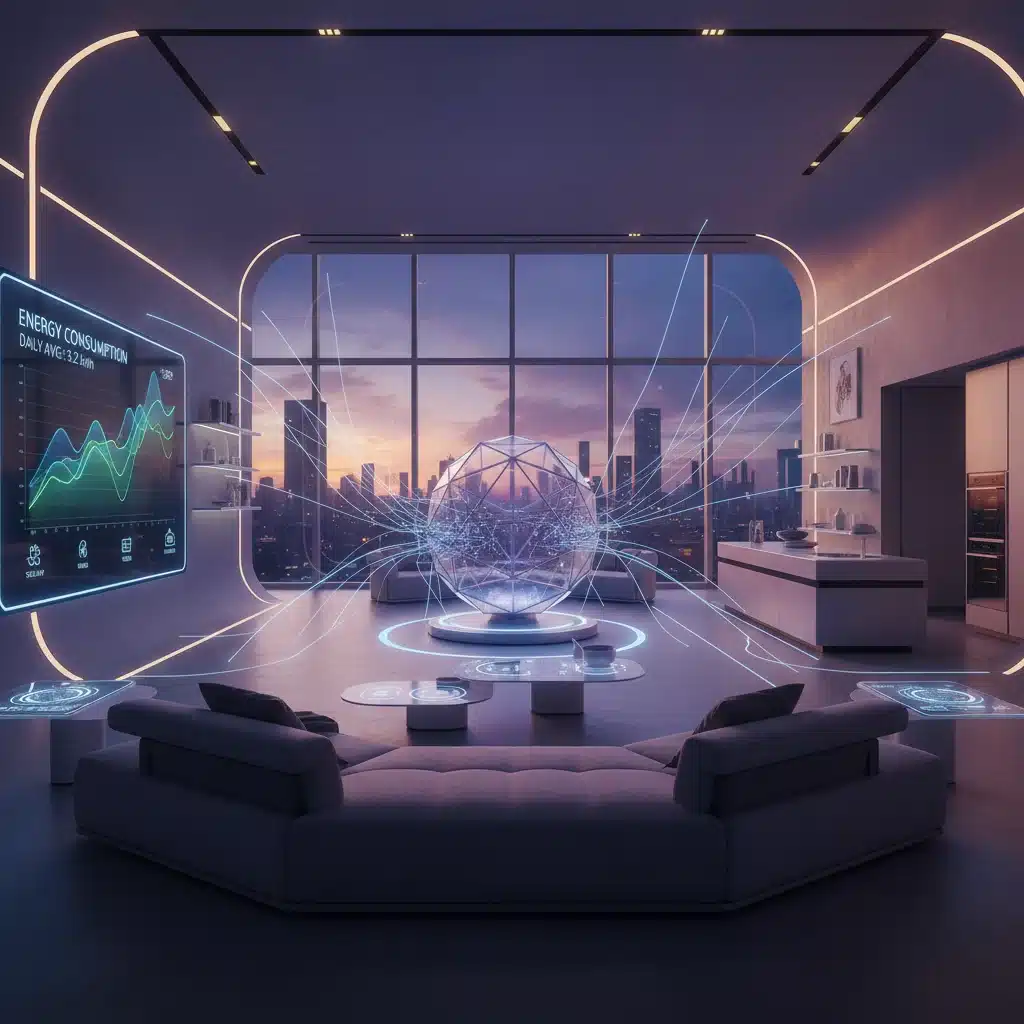
The concept of the smart home has evolved dramatically over the past decade, moving beyond simple remote control of devices to truly intelligent environments that anticipate needs and optimize for efficiency. At the heart of this transformation lies Artificial Intelligence (AI). AI is no longer a futuristic dream but a tangible reality, reshaping how we interact with our living spaces and, more importantly, how our homes interact with us. By 2026, the integration of AI is set to revolutionize home automation, promising not only unprecedented convenience but also significant environmental and financial benefits, with projections indicating a potential 15% reduction in household energy consumption.
This article will delve into the exciting world of AI home automation, exploring the three most impactful trends poised to redefine our homes by 2026. We will examine how these advancements are driving energy savings, enhancing security, and creating truly personalized living experiences. From predictive energy management to hyper-personalized environments and robust integrated security, the future of our homes is intelligent, efficient, and deeply connected.
The Dawn of Intelligent Living: Understanding AI Home Automation
Before we dive into the specific trends, it’s crucial to understand what AI home automation truly entails. It goes far beyond scheduling lights to turn on at sunset or adjusting the thermostat from your smartphone. AI in home automation involves systems that learn from your habits, preferences, and external factors like weather patterns and energy prices. These systems then make autonomous decisions to optimize various aspects of your home environment, often without direct human intervention.
Consider a traditional smart thermostat: it can be programmed. An AI-powered thermostat, however, learns your comfort preferences over time, understands when you’re home or away, and even factors in the local weather forecast to pre-heat or pre-cool your home efficiently. This predictive capability is a cornerstone of AI’s power in the home.
The benefits are manifold. Beyond the ‘cool factor,’ AI home automation offers tangible advantages:
- Energy Efficiency: AI can identify patterns of waste and optimize energy use, leading to substantial savings.
- Enhanced Comfort: Environments adapt to your preferences seamlessly, from lighting to temperature to entertainment.
- Improved Security: Intelligent systems can detect anomalies and respond proactively to potential threats.
- Convenience: Routine tasks are automated, freeing up your time and mental energy.
- Accessibility: AI can make homes more accessible for individuals with disabilities through voice control and adaptive interfaces.
The market for smart home technology is booming, and AI is the primary catalyst. As devices become more interconnected and AI algorithms grow more sophisticated, the potential for truly intelligent, adaptive, and energy-efficient living spaces becomes boundless. The promise of a 15% energy saving by 2026 is not an arbitrary number; it’s a conservative estimate based on the accelerating pace of AI development and its application in optimizing household resource consumption.
Trend 1: Predictive Energy Management and Optimization
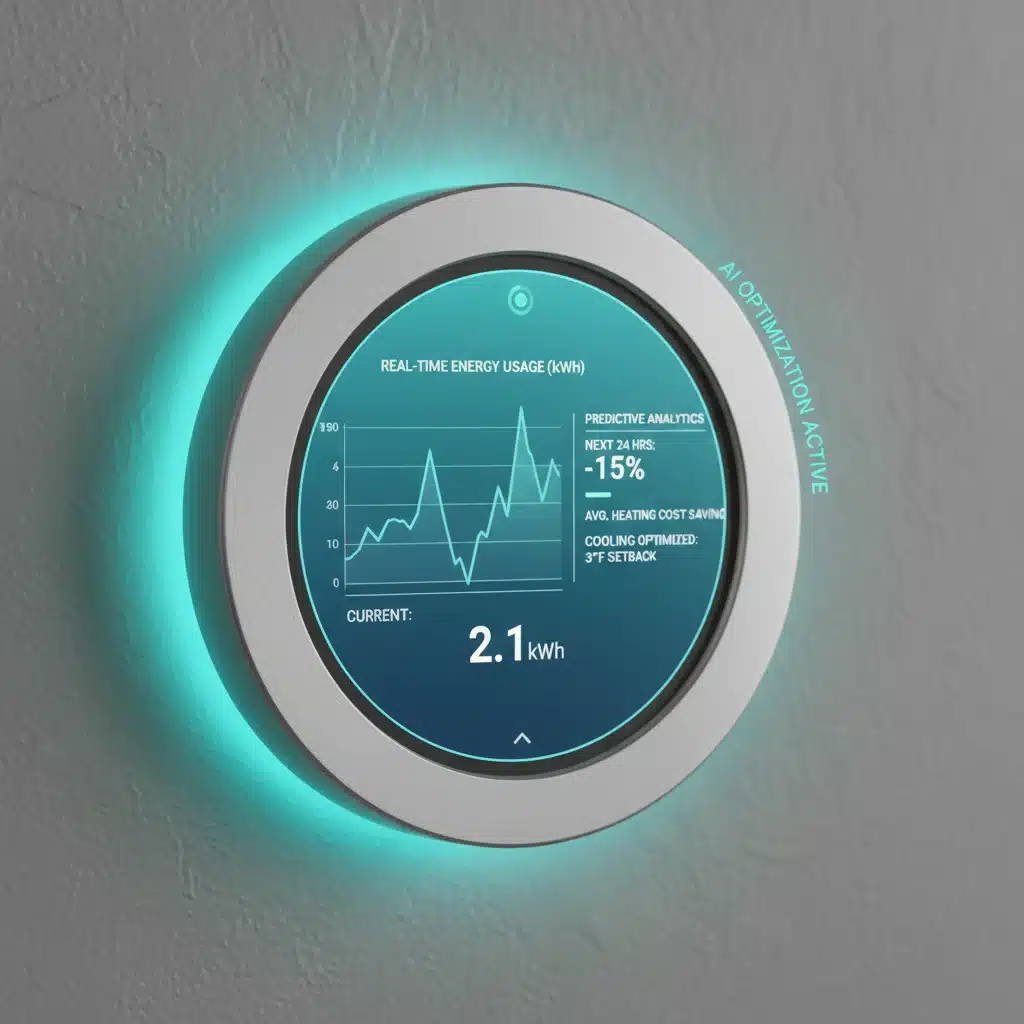
One of the most significant and impactful trends in AI home automation for 2026 is the advancement of predictive energy management. This isn’t just about smart thermostats; it’s about an entire ecosystem of devices working in concert, powered by AI, to drastically reduce energy consumption without sacrificing comfort or convenience. The goal of achieving a 15% energy saving is heavily reliant on this particular trend.
Learning and Adapting to Your Lifestyle
AI-driven systems will move beyond simple schedules to truly understand your lifestyle. They will learn your daily routines, occupancy patterns, and even your personal comfort thresholds. For instance, an AI system might recognize that you typically leave for work at 8 AM and return at 6 PM. It will then optimize heating, cooling, and lighting to ensure your home is comfortable precisely when you need it, and in ‘eco-mode’ when you don’t. This learning process is continuous; the system adapts as your routine changes.
Integration with External Data Sources
The intelligence of these systems will be amplified by their ability to integrate and analyze vast amounts of external data. This includes:
- Weather Forecasts: AI will use real-time and predictive weather data to pre-cool your home before a heatwave hits or pre-heat it before a cold front, leveraging off-peak energy rates where possible.
- Energy Grid Information: Access to real-time energy pricing and grid demand will allow AI to automatically shift high-energy consumption tasks (like charging an electric vehicle or running a dishwasher) to times when electricity is cheaper and less carbon-intensive.
- Solar Panel Output: For homes with solar installations, AI will optimize energy usage to maximize self-consumption of generated power and minimize reliance on the grid, or even sell excess energy back at optimal times.
Granular Device-Level Optimization
Predictive energy management will extend to individual appliances. Imagine a smart refrigerator that learns when you typically open its door and adjusts its cooling cycles to maintain optimal temperatures with less energy. Or a washing machine that automatically selects the most energy-efficient cycle based on load size and fabric type, syncing with your home’s overall energy consumption strategy.
This granular control, orchestrated by a central AI, is what will push energy savings into the double digits. The cumulative effect of dozens of small, intelligent decisions made throughout the day by your home’s AI system will result in substantial reductions in your monthly utility bills and your carbon footprint. This is the essence of smart and sustainable living, made possible by advanced AI home automation.
Trend 2: Hyper-Personalized Environments and Adaptive Interfaces
Beyond energy efficiency, the next major trend in AI home automation is the creation of hyper-personalized living environments. This involves AI systems that not only learn your preferences but actively anticipate your needs, creating spaces that adapt fluidly to individual occupants and various activities. By 2026, homes will be truly responsive, offering unparalleled comfort and convenience tailored to each person within them.
Individual Recognition and Profile-Based Customization
Advanced AI will be able to recognize individual residents through various methods – voice recognition, facial recognition, or even wearable devices. Upon identification, the home will instantly adjust settings to that person’s specific profile. For example:
- When you enter a room, the lighting might adjust to your preferred brightness and color temperature.
- The ambient music might switch to your favorite genre and volume.
- The thermostat might fine-tune the temperature to your ideal comfort level.
- Smart mirrors could display personalized news feeds or schedule reminders.
This level of personalization extends beyond static preferences. AI will learn dynamic aspects of your day, such as your mood, stress levels (via integrated biometrics), or even the type of activity you’re engaged in (e.g., working, relaxing, exercising) to further refine environmental adjustments.
Seamless Multi-Sensory Integration
Hyper-personalization will involve the seamless integration of multiple sensory elements to create a holistic experience. This means AI coordinating:
- Lighting: Not just on/off or dimming, but dynamic color changes, light intensity, and even light patterns to support circadian rhythms or enhance focus.
- Soundscapes: From background music to ambient nature sounds or even noise-canceling zones, tailored to the activity or mood.
- Temperature and Air Quality: Precise climate control combined with air purification and humidity regulation, all managed intelligently.
- Aromatherapy: Dispensing subtle, personalized scents to invigorate, relax, or improve concentration.
Imagine waking up to gentle, increasing light mimicking a sunrise, accompanied by calm music and the aroma of fresh coffee, all orchestrated by your AI home automation system based on your sleep patterns and morning routine. As you move to your home office, the lighting shifts to a cooler, brighter tone, and the system might play instrumental focus music.
Proactive Assistant Capabilities
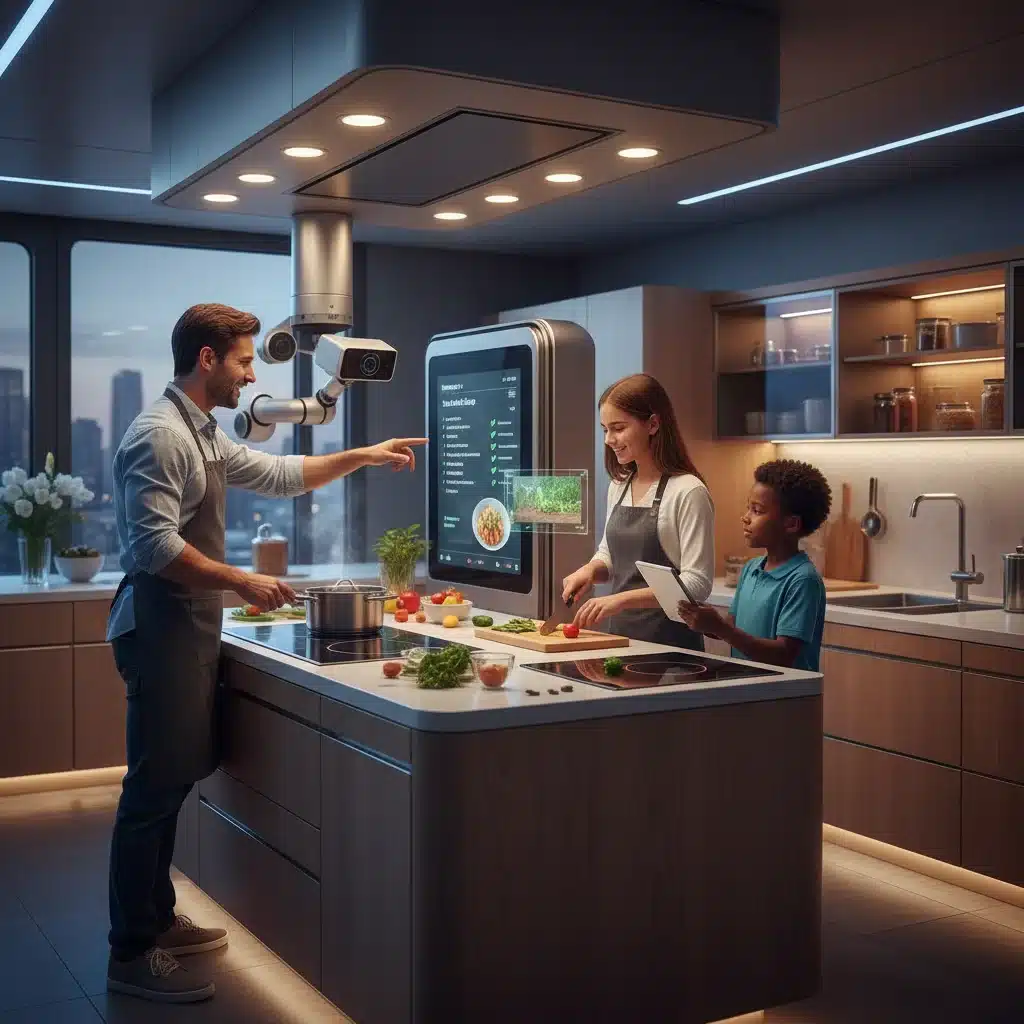
The AI in your home will evolve into a proactive assistant, anticipating needs rather than just responding to commands. It might suggest recipes based on ingredients in your smart fridge, remind you of upcoming appointments, or even suggest a relaxing bath based on your stress levels detected throughout the day. This level of anticipatory service transforms a house into a truly intelligent companion, deeply integrated into your daily life.
The adaptive interfaces will also become more intuitive. Voice commands will be more natural and conversational, gesture controls will be more refined, and touch interfaces will offer more personalized feedback. The goal is to make interaction with the smart home feel effortless and almost invisible, allowing you to simply exist in a perfectly optimized environment.
Trend 3: Robust Integrated Security and Safety Systems
While convenience and energy savings are compelling, the fundamental need for security and safety remains paramount. By 2026, AI home automation will elevate home security systems far beyond simple alarms and cameras, integrating advanced AI capabilities to offer proactive, intelligent protection for your family and assets. These systems won’t just react to events; they’ll predict and prevent them.
Intelligent Threat Detection and Prevention
Current smart security systems can detect motion or open doors. AI-powered systems will be vastly more sophisticated:
- Behavioral Analytics: AI will learn the normal patterns of your home – when doors typically open, usual traffic flow, and expected sounds. Any deviation from these learned patterns will trigger alerts or even proactive responses. For instance, an AI might detect unusual loitering outside your property or recognize an unfamiliar face attempting entry and alert you, while also contacting authorities.
- Advanced Facial and Object Recognition: Beyond simply identifying people, AI can differentiate between family members, known visitors, delivery personnel, and potential intruders. It can also identify suspicious objects left near your property.
- Anomaly Detection: AI will monitor for subtle anomalies that might indicate a problem, such as unusual Wi-Fi network activity, changes in environmental sensors (e.g., sudden temperature spikes not related to heating), or abnormal energy consumption patterns that could signal a fault.
Integrated Safety and Emergency Response
AI home automation will seamlessly integrate various safety features for comprehensive protection:
- Fire and Carbon Monoxide Detection: Smart detectors will not only alert you but also pinpoint the exact location of a threat, automatically unlock doors for emergency services, and shut off HVAC systems to prevent smoke spread.
- Water Leak Detection: AI-enabled sensors can detect leaks early, automatically shut off the main water supply, and notify you and a plumber.
- Elderly and Child Monitoring: For vulnerable residents, AI can monitor activity levels, detect falls (using passive sensors, not intrusive cameras), and send alerts to caregivers if unusual inactivity or distress is detected.
- Emergency Preparedness: In the event of natural disasters, AI can provide real-time updates, suggest evacuation routes, and even automatically secure the home (e.g., closing hurricane shutters).
Proactive Security Measures
Instead of just recording incidents, AI will take proactive steps. If an intruder is detected, the system might not just trigger an alarm; it could also:
- Turn on all lights in the house to deter them.
- Activate a loud, disorienting sound.
- Communicate directly with the intruder via an intercom.
- Simulate occupancy by turning on TVs or playing sounds.
This level of intelligent, integrated, and proactive security offers a peace of mind that traditional systems simply cannot match. The future of home security is not just about detection; it’s about intelligent prevention and rapid, coordinated response, all orchestrated by the powerful capabilities of AI home automation.
The Path to 15% Energy Savings: How AI Makes a Difference
The promise of a 15% energy saving by 2026 through AI home automation is not an exaggeration; it’s a realistic outcome of these converging trends. Let’s break down how AI achieves this significant reduction:
Eliminating Phantom Load and Unnecessary Consumption
Many homes suffer from ‘phantom load’ – devices consuming power even when turned off or in standby mode. AI systems, through smart plugs and integrated power management, can intelligently cut power to devices when not in use, based on learned patterns and schedules. For example, your home entertainment system might be completely powered down overnight, saving those trickle charges.
Optimized HVAC Performance
Heating, ventilation, and air conditioning (HVAC) typically account for the largest portion of a household’s energy bill. AI’s predictive capabilities, combined with granular zone control, are game-changers here. Instead of heating or cooling an entire house, AI can focus efforts only on occupied rooms or areas, adjusting temperatures based on real-time occupancy and individual preferences. Integrating with weather forecasts means the system can pre-condition the house during off-peak hours or utilize natural ventilation when conditions are favorable.
Intelligent Lighting Control
Beyond simply turning lights on and off, AI optimizes lighting based on natural light availability, time of day, occupancy, and even the activity happening in a room. Lights might dim automatically when sufficient daylight is present, or only illuminate specific areas where a person is located. LED technology combined with AI control maximizes efficiency and minimizes waste.
Appliance Optimization and Smart Grids
As mentioned, AI will enable appliances to operate at the most energy-efficient times, often coordinating with smart grid signals to consume power when it’s cheapest and cleanest. This load shifting not only saves money for the homeowner but also helps stabilize the energy grid, reducing the need for ‘peaker plants’ that are often less efficient and more polluting.
Continuous Learning and Adaptation
The beauty of AI is its ability to continuously learn and adapt. As your habits change, as external conditions evolve, or as new energy-saving technologies emerge, your AI home automation system will update its strategies to maintain optimal efficiency. This dynamic optimization is key to sustained energy savings over time, far surpassing what static programming can achieve.
The 15% energy saving is not just an arbitrary figure; it represents a tangible benefit derived from the collective intelligence of an AI-powered home. It’s a testament to how technology can be leveraged for both personal gain and broader environmental sustainability.
Challenges and Considerations for Widespread Adoption
While the future of AI home automation looks incredibly promising, several challenges and considerations need to be addressed for widespread adoption:
Privacy and Data Security
AI-powered homes collect vast amounts of personal data – from daily routines and preferences to security footage and biometric information. Ensuring the privacy and security of this data is paramount. Robust encryption, transparent data policies, and user control over data sharing will be critical for building trust and preventing misuse.
Interoperability and Standardization
The smart home market is currently fragmented, with many different platforms and protocols. For AI to truly shine, devices from various manufacturers need to communicate seamlessly. Efforts towards industry-wide interoperability standards (like Matter) are crucial to avoid vendor lock-in and create a cohesive smart home ecosystem.
Cost of Entry and Accessibility
Advanced AI home automation systems can be expensive, potentially limiting access to a privileged few. As technology matures, prices are expected to decrease, but ensuring affordability and ease of installation for the average consumer will be key to broader adoption. Modular systems and subscription-based services could help lower the initial barrier to entry.
Complexity and User Experience
While AI aims to simplify life, poorly designed systems can be overly complex and frustrating. The user interface must be intuitive, and the AI should truly act as an assistant, not a demanding master. The balance between automation and user control needs to be carefully managed.
Reliability and Redundancy
As homes become more reliant on AI, the reliability of these systems becomes critical. What happens if the internet goes down, or if an AI algorithm malfunctions? Robust offline capabilities, local processing, and redundant systems will be necessary to ensure continuous functionality and safety.
Ethical Considerations
The increasing intelligence of home AI raises ethical questions. How much autonomy should these systems have? How do we prevent bias in AI algorithms that might affect certain users? These are complex questions that require ongoing societal and technological dialogue.
Addressing these challenges proactively will be essential for realizing the full potential of AI home automation and ensuring that its benefits are accessible, secure, and beneficial for all.
The Future is Now: Preparing Your Home for AI Integration
The trends discussed – predictive energy management, hyper-personalized environments, and robust integrated security – are not distant fantasies. They are actively being developed and implemented, and by 2026, they will be defining features of advanced smart homes. If you’re considering diving into the world of AI home automation, here are a few steps to prepare:
- Start Small, Think Big: Begin with a few key smart devices (thermostat, lighting, smart plugs) that are known for their AI capabilities and expand gradually.
- Prioritize Interoperability: When purchasing devices, look for those that adhere to open standards or are compatible with major ecosystems (e.g., Apple HomeKit, Google Home, Amazon Alexa, or the emerging Matter standard).
- Invest in a Strong Network: A reliable and robust Wi-Fi network is the backbone of any smart home. Consider mesh Wi-Fi systems for seamless coverage.
- Educate Yourself: Stay informed about the latest advancements in AI and smart home technology. Understand the privacy implications of different devices and platforms.
- Consider Energy Audits: Before implementing extensive AI energy management, an energy audit can help identify your home’s biggest energy drains, allowing you to target your AI solutions more effectively.
The journey towards a fully intelligent, energy-efficient home is an exciting one. The convergence of AI, IoT (Internet of Things), and advanced sensor technology is creating living spaces that are more responsive, sustainable, and enjoyable than ever before. With the promise of 15% energy savings and unparalleled convenience, AI home automation is not just a luxury; it’s becoming an essential component of modern, responsible living.
The year 2026 will mark a significant milestone in this evolution, where our homes will truly become partners in our daily lives, intelligently adapting to our needs and contributing to a more sustainable future. Embrace the intelligence; embrace the change.