Understanding Home Insurance Discounts for Smart Security Systems: Maximize Your Savings by 2026
In an increasingly connected world, our homes are becoming smarter, more efficient, and, crucially, more secure. The integration of advanced technology into residential properties isn’t just about convenience; it’s also about protection. One of the most compelling financial incentives for adopting these innovations is the potential for significant home insurance discounts. As we approach 2026, the landscape of smart home security and its impact on insurance premiums continues to evolve, offering homeowners unprecedented opportunities to save. This comprehensive guide delves into how smart security systems can reduce your insurance costs, what to look for, and how to maximize your savings in the coming years.
The concept is simple: insurance companies assess risk. A home that is demonstrably more secure presents a lower risk of burglary, fire, or other perils. Smart security systems, with their real-time monitoring, immediate alerts, and integrated features, significantly enhance a home’s protection profile. This reduction in risk often translates directly into lower premiums for homeowners. But it’s not just about having a system; it’s about understanding the nuances of what constitutes an eligible system, how different features impact discounts, and how to navigate the evolving insurance market to your advantage.
The Rise of Smart Security Systems and Their Impact on Insurance
The past decade has witnessed a revolution in home security. Gone are the days of simple alarm systems that merely made noise. Today’s smart security systems are sophisticated networks of interconnected devices, including:
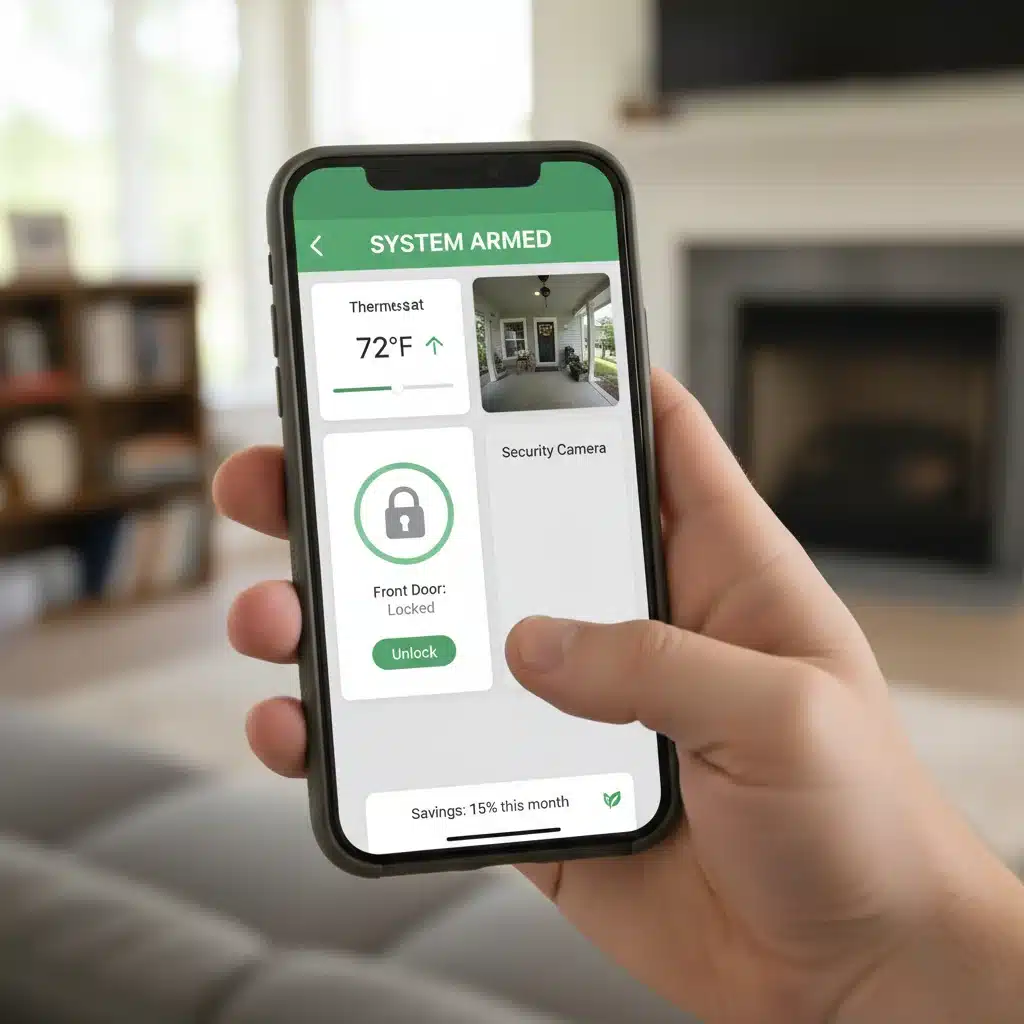
- Smart Cameras: Offering high-definition video, motion detection, night vision, and often AI-powered analytics to distinguish between pets and intruders.
- Smart Doorbells: Providing video surveillance at your entry points, two-way audio communication, and immediate alerts to your smartphone.
- Smart Locks: Allowing keyless entry, remote locking/unlocking, and tracking of who enters and leaves your home.
- Entry Sensors: Detecting when windows or doors are opened, sending instant notifications.
- Environmental Sensors: Monitoring for smoke, carbon monoxide, water leaks, and extreme temperatures, often with automatic shut-off capabilities for water or gas.
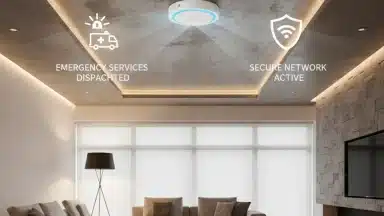
- Professional Monitoring: Many smart systems offer optional 24/7 professional monitoring services, where a central station is alerted to incidents and can dispatch emergency services.
Each of these components contributes to a more secure home environment. From an insurer’s perspective, this means fewer claims related to theft, vandalism, fire, and water damage. Consequently, many insurance providers are eager to reward homeowners who invest in these technologies. The discounts aren’t just a goodwill gesture; they are a calculated business decision based on reduced actuarial risk.
Why Insurers Offer Smart Security Discounts
The rationale behind offering smart security discounts is multifaceted:
- Reduced Theft Risk: Visible cameras and alarms deter potential burglars. Even if a break-in occurs, recorded footage aids in identification and recovery of stolen goods, reducing claim payouts.
- Early Detection of Hazards: Smart smoke and CO detectors alert residents and emergency services faster, minimizing fire and carbon monoxide damage. Smart water leak detectors can prevent catastrophic flooding by alerting homeowners and, in some cases, automatically shutting off the main water supply.
- Proactive Prevention: Remote monitoring allows homeowners to check on their property from anywhere, addressing potential issues before they escalate. For instance, checking if a door is locked or if a window is closed.
- Data-Driven Insights: Some advanced systems provide data that can help insurers better understand risk profiles and even offer personalized coverage.
- Customer Retention: Offering discounts for smart home technology makes insurance policies more attractive, helping companies retain customers in a competitive market.
It’s a win-win situation: homeowners gain peace of mind and save money, while insurance companies reduce their exposure to risk and maintain a loyal customer base.
Eligibility and Types of Smart Security Discounts
While the benefits are clear, not all smart security systems qualify for discounts, and the extent of the discount can vary significantly. Insurers typically have specific criteria:
1. Professional Monitoring vs. Self-Monitoring
This is often the most critical differentiator. Systems with 24/7 professional monitoring, where a third-party service dispatches emergency responders, almost always qualify for higher discounts than self-monitored systems. The logic is that immediate professional intervention significantly reduces damage and loss.
2. System Components and Integration
The more comprehensive your system, the better. A basic alarm system might offer a small discount, but a fully integrated smart home security setup including:
- Burglar alarms (audible and silent)
- Fire/smoke detectors
- Carbon monoxide detectors
- Water leak sensors
- Security cameras (indoor/outdoor)
- Smart locks
…is likely to yield more substantial savings. Some insurers offer tiered discounts based on the number and type of devices installed.
3. Certification and Installation
Many insurers require systems to be professionally installed and/or certified by recognized organizations, such as Underwriters Laboratories (UL). This ensures the system meets certain quality and reliability standards. DIY systems, while popular, might not always qualify for the highest discounts unless they are from a reputable brand and meet specific criteria.
4. Location and Previous Claims History
While not directly related to the smart system itself, your geographical location (e.g., high-crime vs. low-crime area) and your past claims history can influence the base premium from which discounts are calculated. However, a robust smart security system can often mitigate some of the higher premiums associated with perceived higher-risk areas.
Maximizing Your Smart Security Discounts by 2026
As technology advances and consumer adoption grows, insurers are continually updating their policies and discount structures. To ensure you’re getting the best possible rates by 2026, consider these strategies:
1. Invest in a Comprehensive, Professionally Monitored System
If you’re serious about maximizing savings, opt for a system that covers multiple perils (burglary, fire, water) and includes 24/7 professional monitoring. Research providers like ADT, SimpliSafe, Vivint, or local security companies to find a system that fits your needs and is recognized by insurers.
2. Bundle Your Smart Home Devices
Instead of piecemeal additions, consider a fully integrated smart home ecosystem. Many providers offer packages that include not just security but also smart thermostats, lighting, and other devices that can contribute to overall home safety and efficiency, potentially unlocking further discounts or incentives.
3. Regularly Update Your System and Inform Your Insurer
Smart technology evolves rapidly. Ensure your system’s software is updated, and consider upgrading components as newer, more effective versions become available. Crucially, always inform your insurance provider about any new installations or upgrades. What might not have qualified for a discount a few years ago might now be eligible.
4. Shop Around and Compare Policies
Don’t assume your current insurer offers the best discounts. Periodically shop around and get quotes from multiple providers. Be explicit about the smart security features you have installed. Some insurers specialize in smart home coverage and may offer more competitive rates or unique incentives.
5. Understand the Fine Print
Each insurance policy has its own terms and conditions. Understand what specific features qualify for discounts, how much the discount is, and if there are any ongoing requirements (e.g., system maintenance, active monitoring subscription). Ask your agent direct questions about how your smart security system impacts your premium.
6. Leverage IoT and AI for Predictive Protection
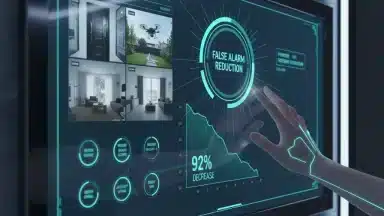
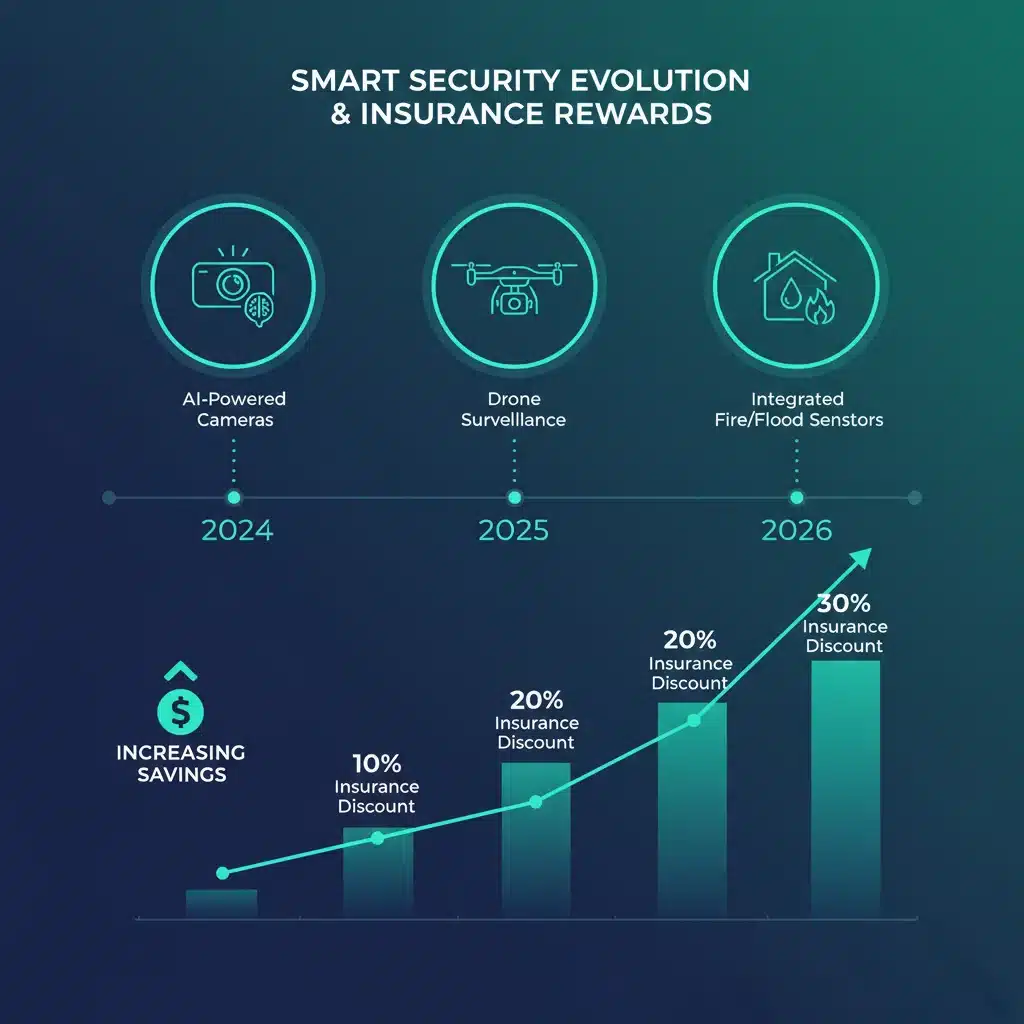
By 2026, the integration of Artificial Intelligence (AI) and the Internet of Things (IoT) will be even more prevalent in smart security. Systems capable of predictive analytics (e.g., identifying unusual patterns, anticipating potential issues) or using drone surveillance for perimeter checks might unlock new tiers of discounts. Stay informed about these emerging technologies.
The Financial Impact: How Much Can You Really Save?
The exact percentage of discount for smart security discounts varies widely, typically ranging from 5% to 20% of your annual home insurance premium. For a homeowner paying $1,500 annually, a 15% discount translates to $225 in savings per year. Over several years, these savings can significantly offset the initial investment in a smart security system. Some insurers even offer additional discounts for specific features, such as:
- Central Station Monitoring: Often yields the highest discounts.
- Fire/Smoke Alarms: Can provide separate discounts, especially if monitored.
- Water Leak Detection: Increasingly recognized for preventing costly water damage claims.
- Smart Home Bundles: Some insurers offer broader ‘smart home’ discounts for a suite of integrated devices.
Consider a hypothetical scenario: A homeowner installs a comprehensive smart security system with professional monitoring, including cameras, smart locks, and environmental sensors. The system costs $800 for installation and equipment, plus $40/month for monitoring ($480/year). If their annual premium is $1,800 and they receive a 15% discount, they save $270 annually. While the first year’s savings might be partially offset by the monitoring fees, over time, the system pays for itself, not to mention the invaluable peace of mind and enhanced protection it provides. By 2026, as system costs potentially decrease and discount structures become more favorable, the return on investment will only improve.
Recent Updates and Future Trends in Smart Security and Insurance (2024-2026)
The intersection of smart home technology and insurance is a dynamic field. Here’s what to expect and what’s already emerging:
1. AI and Machine Learning Integration
By 2026, AI-powered security cameras will not only detect motion but also identify specific individuals (known vs. unknown), differentiate between various types of threats, and even predict potential incidents based on behavioral patterns. This enhanced intelligence will provide insurers with even stronger evidence of risk mitigation, potentially leading to higher discounts.
2. Proactive and Predictive Maintenance
Smart home systems are moving beyond reactive alerts to proactive maintenance. Imagine sensors that predict a pipe burst before it happens or identify failing appliance components. Insurers are keen on technologies that prevent claims entirely, and discounts for such systems are likely to become more prevalent.
3. Cyber Security for Smart Homes
As homes become more connected, they also become potential targets for cyberattacks. Insurers may start to offer discounts or require certain cybersecurity measures for smart home networks, recognizing the risk of compromised systems being exploited for physical entry or data theft.
4. Gamification and Behavioral Incentives
Some insurers are exploring ‘gamified’ approaches, offering rewards or additional discounts for homeowners who actively engage with their smart security systems, maintain them well, or demonstrate safe home practices. This could involve achieving certain ‘security scores’ based on system usage and responsiveness.
5. Standardization and Interoperability
Currently, a fragmented market exists with various smart home ecosystems. By 2026, greater standardization (e.g., Matter protocol) will likely lead to more seamlessly integrated systems. This interoperability will make it easier for homeowners to build comprehensive security setups that meet insurer requirements.
6. Partnerships Between Insurers and Tech Companies
Expect to see more direct partnerships between insurance providers and smart home technology companies. These collaborations could result in exclusive deals, subsidized equipment, or specially designed insurance products that bundle smart security with coverage.
Key Considerations When Choosing a Smart Security System
When selecting a smart security system to maximize your smart security discounts, keep the following in mind:
- Reliability: Choose a reputable brand with a proven track record. System failures can negate any insurance benefits.
- Scalability: Can the system grow with your needs? Can you easily add more sensors or cameras in the future?
- Ease of Use: A system that’s difficult to operate might not be used effectively, reducing its security benefits.
- Privacy: Understand how your data (especially video footage) is collected, stored, and used by the provider.
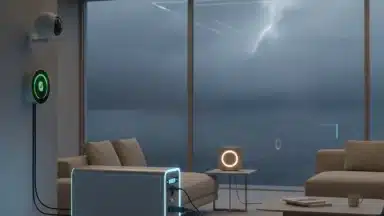
- Battery Backup and Cellular Redundancy: Ensure the system remains operational during power outages or internet disruptions.
- Customer Support: Good technical support is crucial for troubleshooting and maintenance.
- Integration with Other Smart Home Devices: Consider how well it integrates with your existing smart home ecosystem (e.g., smart lights, thermostats) for enhanced automation and security.
Before making a purchase, always consult with your insurance agent. They can provide specific recommendations for systems that qualify for the best discounts under your policy and advise on any particular requirements or limitations.
Navigating the Insurance Conversation: What to Ask Your Agent
When discussing smart security discounts with your insurance provider, be prepared with specific questions:
- What types of smart security systems and features qualify for discounts?
- Is professional monitoring required for the highest discounts? If so, what are the criteria for acceptable monitoring services?
- Are there specific brands or certifications (e.g., UL listed) that your company prefers or requires?
- What is the percentage discount I can expect for my specific smart security setup?
- Are there separate discounts for fire/smoke detection, water leak detection, or smart locks?
- Do I need to provide proof of installation or a certificate of monitoring?
- How often should I update you about changes or upgrades to my system?
- Are there any exclusions or conditions that could void my discount (e.g., system being disarmed for extended periods)?
- Do you offer any preferred partner programs with smart home security companies?
Being proactive and informed will not only help you secure the best possible discounts but also ensure that your home is adequately protected and that you meet all policy requirements.
Conclusion: A Smarter, Safer, and More Affordable Home by 2026
The trend towards integrating smart security systems into our homes is undeniable, driven by both convenience and a fundamental desire for safety. For homeowners, this technological evolution presents a tangible financial benefit in the form of reduced home insurance premiums. By understanding the criteria, investing wisely in comprehensive systems, and staying informed about emerging technologies and insurance trends, you can significantly maximize your smart security discounts by 2026.
Beyond the financial savings, the peace of mind that comes with knowing your home and loved ones are better protected is invaluable. As smart home technology continues its rapid advancement, the synergy between advanced security and insurance savings will only strengthen, making it an opportune time for homeowners to embrace these innovations. Take the proactive step today: assess your current security, explore smart options, and engage with your insurance provider to unlock a future of enhanced safety and considerable savings.