Smart Home Device Compatibility in 2026: A Guide to Seamless Integration
Smart Home Device Compatibility in 2026: A Guide to Seamless Integration
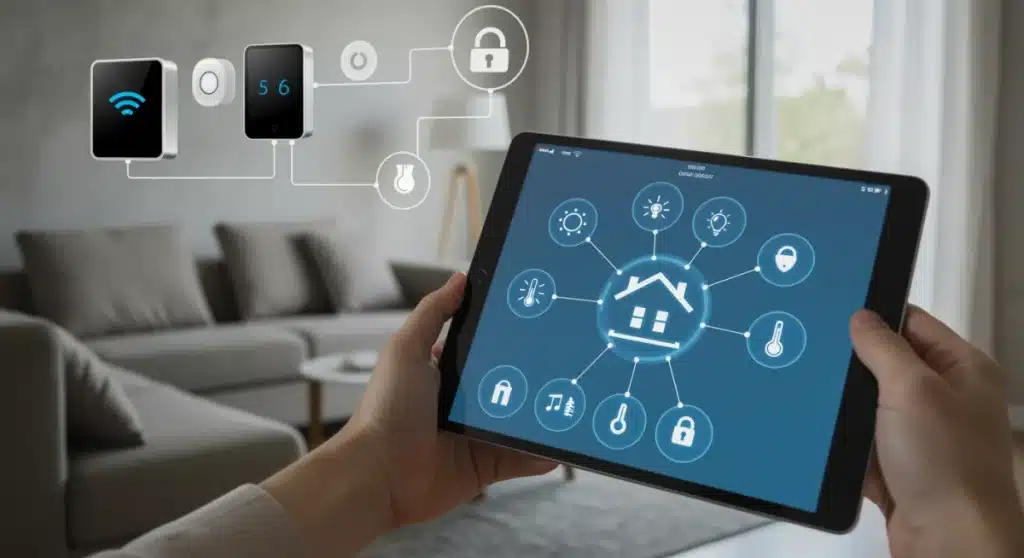
The dream of a truly integrated smart home, where every device communicates effortlessly, has long been a tantalizing vision. For years, consumers navigated a labyrinth of proprietary ecosystems, incompatible standards, and frustrating setup processes. However, as we step into 2026, the landscape of smart home compatibility has undergone a significant transformation. This comprehensive guide will delve into the current state and future predictions for achieving seamless integration in your smart home, ensuring your devices work together harmoniously, not against each other.
The promise of a smart home is convenience, efficiency, and enhanced living. Imagine your lights dimming automatically as you settle down to watch a movie, your thermostat adjusting to your presence, and your security system arming as you leave, all without a single manual input. This level of automation hinges entirely on smart home compatibility – the ability of different devices, from various manufacturers, to understand and respond to each other’s commands.
In the early days, building a smart home felt like assembling a jigsaw puzzle with pieces from different boxes. You might have an Amazon Echo for voice control, Philips Hue for lighting, and a Nest thermostat for climate, each requiring its own app, its own setup, and often, its own bridge or hub. This fragmentation was a major barrier to widespread adoption and a constant source of frustration for early adopters. Fast forward to 2026, and while challenges still exist, significant strides have been made towards a more unified and user-friendly experience.
The Rise of Unified Standards: Matter Takes Center Stage
One of the most impactful developments in resolving smart home compatibility issues is the emergence and widespread adoption of unified communication standards. While Zigbee and Z-Wave have been mainstays for years, offering reliable low-power mesh networks, the real game-changer is Matter.
What is Matter and Why is it Important for Smart Home Compatibility?
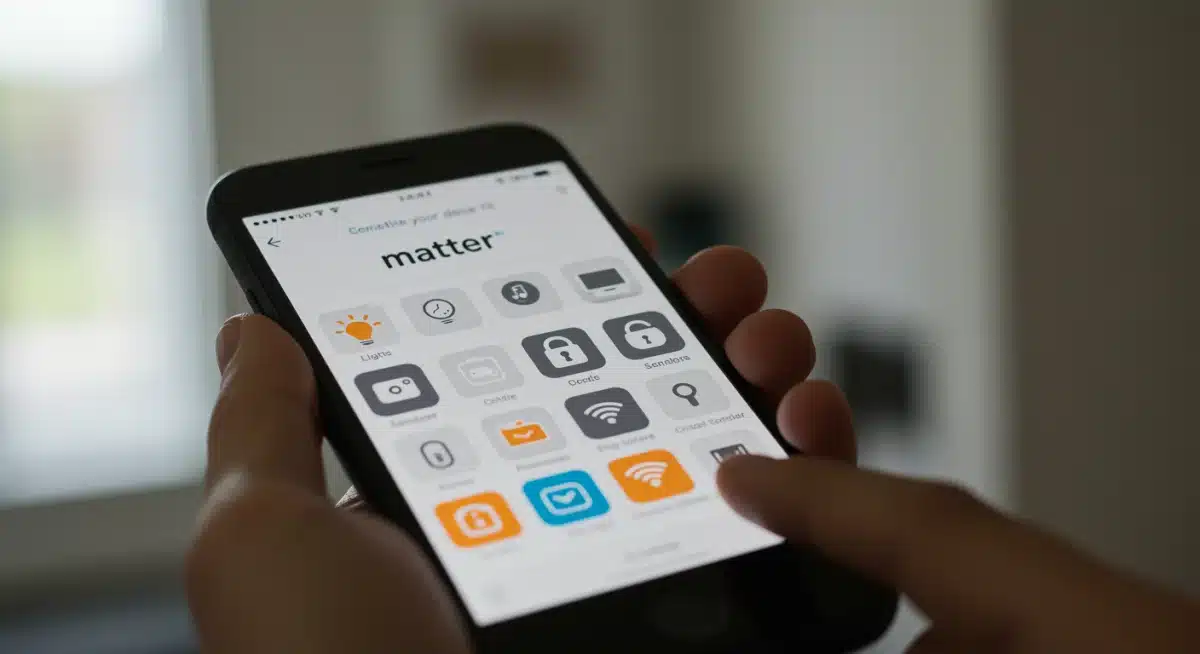
Matter, developed by the Connectivity Standards Alliance (CSA) with support from tech giants like Apple, Google, Amazon, and hundreds of other companies, is designed to be the universal language for smart home devices. Launched in late 2022 and gaining significant traction through 2023-2025, Matter aims to simplify device setup, enhance interoperability, and improve security across different brands and ecosystems. By 2026, Matter-certified devices are not just common, they are becoming the expectation.
- Simplified Setup: Matter devices are designed for easy onboarding, often involving a simple QR code scan.
- Local Control: Many Matter devices can operate locally, reducing reliance on cloud services and improving responsiveness.
- Multi-Admin Capabilities: A single Matter device can be controlled by multiple smart home ecosystems simultaneously (e.g., Apple HomeKit, Google Home, Amazon Alexa), a monumental leap for smart home compatibility.
- Enhanced Security: Matter incorporates robust security features from the ground up.
- Broad Device Support: From lights and locks to thermostats and sensors, Matter is expanding its reach to cover a vast array of smart home categories.
The impact of Matter on smart home compatibility cannot be overstated. It eliminates the guesswork and frustration of wondering if a new device will work with your existing setup. If it’s Matter-certified, the answer is increasingly a confident ‘yes’.
Key Smart Home Ecosystems in 2026 and Their Role in Compatibility
While Matter provides the underlying communication protocol, major ecosystems still play a crucial role in the user experience, offering their own apps, voice assistants, and automation capabilities. In 2026, the dominant players continue to be:
Apple HomeKit
Apple HomeKit, with its emphasis on privacy and tight integration with the Apple ecosystem, remains a strong contender. With Matter support, HomeKit users can now integrate a much wider range of devices than ever before, breaking free from its historically more restrictive compatibility list. This means more choices for lighting, sensors, and appliances, all controllable through the Home app and Siri.
Google Home / Google Assistant
Google Home continues to be a central hub for many smart homes, powered by Google Assistant. Its strength lies in its AI capabilities, natural language processing, and broad device support. Google has been a strong proponent of Matter, ensuring that its ecosystem is a prime beneficiary of enhanced smart home compatibility, allowing seamless control of Matter devices through Nest speakers and displays.
Amazon Alexa
Amazon Alexa, with its ubiquitous Echo devices, maintains a massive user base. Alexa’s open platform approach has always fostered a wide array of compatible devices, and Matter further solidifies this. Users can expect even more reliable connections and easier setup for new devices within the Alexa environment, leveraging its extensive skill library for advanced automation.
Samsung SmartThings
Samsung SmartThings has evolved into a powerful platform for connecting a diverse range of smart devices, not just Samsung’s own. With robust support for Zigbee, Z-Wave, and now Matter, SmartThings acts as a versatile hub, offering advanced automation routines and a unified app experience across a multitude of brands. Its ability to bridge different protocols makes it a strong choice for those seeking maximum smart home compatibility.
The beauty in 2026 is that these ecosystems are increasingly interoperable thanks to Matter. You might prefer Google Assistant for voice commands but still want to control your lights via Apple HomeKit and manage your security system through SmartThings. Matter makes this multi-ecosystem approach a reality, significantly improving overall smart home compatibility.
Beyond Matter: Other Factors Influencing Smart Home Compatibility
While Matter is a powerful force for unification, several other factors continue to play a role in achieving optimal smart home compatibility. Understanding these will help you build a resilient and functional smart home.
Wi-Fi 6E and Future Wireless Standards
The backbone of many smart home devices is Wi-Fi. The adoption of Wi-Fi 6E (and upcoming Wi-Fi 7) in routers and devices in 2026 contributes to better smart home compatibility by providing increased bandwidth, lower latency, and less interference. This is crucial for devices that handle larger data streams, like high-resolution security cameras, or for homes with a very high density of smart devices.
Bluetooth LE and Thread
Bluetooth Low Energy (LE) is vital for direct device-to-device communication and initial setup. Thread, a low-power mesh networking protocol, often works in conjunction with Matter. Many Matter devices use Thread as their underlying network layer, creating a self-healing, robust mesh network that extends coverage and improves reliability. This combination significantly enhances the reliability and range of smart home compatibility, particularly for battery-powered sensors and smaller devices.
Cloud-to-Cloud Integrations and APIs
Despite the push for local control, cloud-to-cloud integrations still serve an important purpose, especially for services that require remote access or complex data processing. Many devices still rely on their manufacturer’s cloud service, which then connects to larger ecosystems via Application Programming Interfaces (APIs). While Matter reduces dependence on these for basic control, they remain crucial for advanced features and integrations with third-party services like IFTTT (If This Then That) or custom automations.
Open-Source Platforms and DIY Solutions
For the more technically inclined, open-source smart home platforms like Home Assistant continue to offer unparalleled flexibility and smart home compatibility. These platforms allow users to integrate virtually any device, regardless of its original ecosystem, and create highly customized automations. While requiring more technical expertise, they represent the pinnacle of control and interoperability for those willing to invest the time.
Challenges and Considerations for Smart Home Compatibility in 2026
While 2026 presents a much brighter picture for smart home compatibility, it’s not without its nuances and challenges.
Legacy Devices and Firmware Updates
A significant challenge remains with older, non-Matter-compatible devices. While some manufacturers are providing firmware updates to enable Matter support for existing hardware, many older devices will simply not be upgradable. This means consumers might still have a mixed environment, requiring a bridge or hub for older devices alongside their newer Matter-enabled ones. When planning your smart home, consider the longevity and update policy of devices.
Security and Privacy Concerns
As more devices become interconnected, the attack surface for cyber threats expands. While Matter includes robust security features, vigilance is still required. Choosing reputable brands, keeping firmware updated, using strong passwords, and understanding data privacy policies are paramount for maintaining a secure and private smart home. Smart home compatibility should never come at the expense of security.
The User Experience Layer
Even with universal compatibility at the protocol level, the user experience (UX) can still vary between ecosystems. The look and feel of apps, the intuitiveness of automation creation, and the responsiveness of voice assistants will continue to differentiate platforms. While Matter ensures devices talk to each other, the ‘how’ you interact with them can still be a personal preference.
Power Consumption and Battery Life
For battery-powered devices, the choice of communication protocol impacts battery life. While Thread and Zigbee are excellent for low-power applications, Wi-Fi devices tend to consume more power. Balancing smart home compatibility with practical considerations like battery replacement frequency is an ongoing consideration for consumers and manufacturers alike.
Tips for Ensuring Seamless Smart Home Compatibility in 2026
To navigate the evolving landscape of smart home technology and build a truly integrated system, consider these practical tips:
- Prioritize Matter-Certified Devices: Whenever possible, opt for devices that proudly display the Matter logo. This is your strongest assurance of broad smart home compatibility and future-proofing.
- Choose a Primary Ecosystem (But Don’t Be Limited): Select an ecosystem (Apple HomeKit, Google Home, Amazon Alexa, SmartThings) that aligns best with your existing devices and preferences. While Matter allows for multi-admin control, having a primary hub for your most frequent interactions can simplify management.
- Research Before You Buy: Even with Matter, it’s wise to do a quick search for reviews and specific compatibility notes for any new device you’re considering. Check if it explicitly supports the ecosystems you use.
- Understand Your Network Infrastructure: A robust Wi-Fi network is fundamental. Consider upgrading to a Wi-Fi 6E router if you have a large home or many devices. For Thread devices, ensure you have a Thread Border Router (often built into newer smart speakers like some Google Nest Hubs or Apple HomePods).
- Start Small and Expand: Don’t try to automate your entire home overnight. Begin with a few key devices and expand gradually. This allows you to learn the nuances of your chosen ecosystem and troubleshoot any smart home compatibility issues as they arise.
- Stay Updated: Regularly check for firmware updates for all your smart devices and your smart home hub/app. Updates often bring new features, security patches, and improved compatibility.
- Consider a Smart Home Hub: While Matter reduces the need for proprietary hubs, a central hub like a SmartThings hub or Home Assistant can still offer advanced automation, local control for non-Matter devices, and a single point of management for diverse protocols.
- Leverage Voice Assistants Wisely: Voice assistants are powerful tools for controlling your smart home. Learn the commands and routines specific to your chosen assistant to maximize convenience.
- Think About Automation Routines: The true power of a smart home lies in its automations. Plan out routines that involve multiple devices working together (e.g., ‘Good Morning’ routine that turns on lights, adjusts thermostat, and starts coffee). This is where smart home compatibility truly shines.
- Look for Energy Monitoring Capabilities: As part of a truly smart and efficient home, devices that offer energy monitoring can help you understand and reduce your consumption, contributing to both cost savings and environmental benefits. Ensure these features are compatible with your chosen ecosystem for consolidated data.
- Explore Accessibility Features: For many, smart homes offer significant accessibility benefits. Check if devices and ecosystems support features like voice control, larger text, or integration with accessibility tools.
- Backup Your Configurations: If your smart home system allows, regularly back up your configurations and automation routines. This can save a lot of time and frustration if you ever need to reset or replace a hub.
- Engage with the Community: Online forums, user groups, and tech communities are invaluable resources for troubleshooting smart home compatibility issues, discovering new integrations, and learning best practices.
- Consider Professional Installation for Complex Setups: For very large homes or highly complex smart home systems involving custom wiring or extensive device integration, a professional installer specializing in smart home technology can ensure everything is set up correctly and optimally.
- Plan for the Future: While Matter is a significant step, technology continues to evolve. When investing in new devices, consider brands known for their commitment to open standards and future-proofing. This forward-thinking approach will safeguard your smart home compatibility for years to come.
The Future of Smart Home Compatibility Beyond 2026
Looking beyond 2026, the trajectory for smart home compatibility is one of increasing seamlessness. We can anticipate:
- Ubiquitous Matter Adoption: Almost all new smart home devices will be Matter-certified, making proprietary ecosystems less of a barrier.
- Enhanced AI and Predictive Automation: Smart homes will become even more intelligent, learning your habits and predicting your needs with greater accuracy, requiring even tighter integration between devices and services.
- Greater Focus on Energy Management: As global energy concerns grow, smart homes will play a larger role in optimizing energy consumption, with devices communicating to balance loads and integrate with smart grids.
- Increased Edge Computing: More processing will happen directly on devices (at the ‘edge’ of the network), reducing reliance on cloud services and improving privacy and responsiveness. This will further enhance local smart home compatibility.
- Smarter Sensors and Contextual Awareness: Devices will gain a deeper understanding of their environment – who is home, what they are doing, and even their emotional state – leading to truly personalized and adaptive smart home experiences. This requires advanced data sharing and processing, all built upon reliable compatibility.
- Integration with Broader IoT: Smart homes will increasingly connect with the wider Internet of Things, including smart cities infrastructure, automotive systems, and healthcare devices, creating a more interconnected personal and public environment.
The journey towards perfect smart home compatibility has been long and winding, but 2026 marks a pivotal point where the vision of a truly interconnected and intuitive smart home is largely within reach for the average consumer. By understanding the key standards, ecosystems, and best practices, you can build a smart home that not only works flawlessly today but is also ready for the innovations of tomorrow.
Embrace the new era of connectivity, where your smart devices collaborate seamlessly to enhance your comfort, security, and energy efficiency. The future of the smart home is here, and it’s more compatible than ever before.