Mastering Smart Home Personalization: 5 Key Tips for 2026
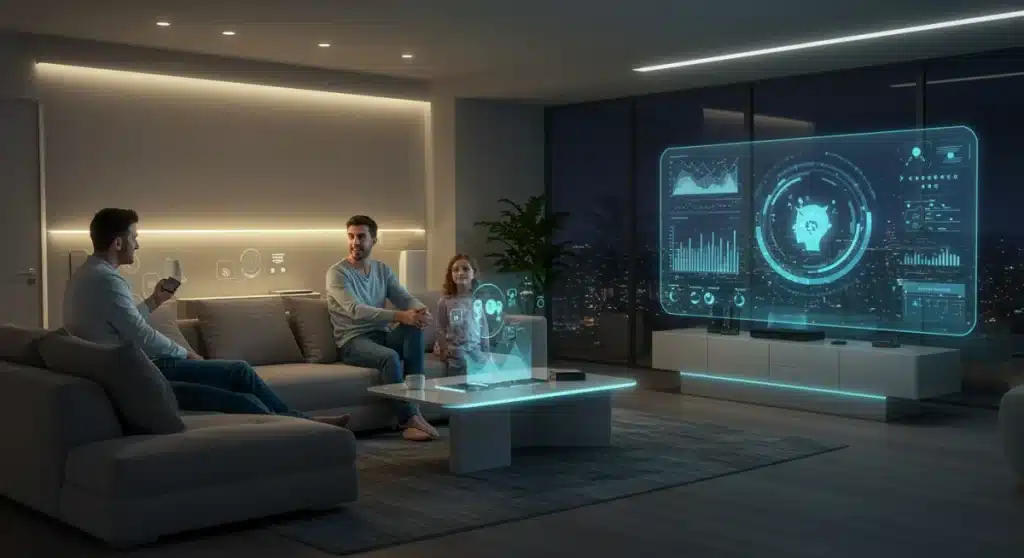
The dawn of 2026 brings with it an unprecedented era of technological integration into our daily lives, particularly within the sanctity of our homes. What once felt like science fiction – homes that anticipate our needs, adapt to our moods, and learn our habits – is now a tangible reality. However, the true power of a smart home isn’t just in its array of devices, but in how seamlessly those devices integrate and, more importantly, how they are personalized to serve the unique rhythm of your life. This isn’t about simply automating tasks; it’s about creating an intelligent ecosystem that enhances well-being, boosts efficiency, and provides unparalleled comfort. Welcome to the future of smart home personalization.
In a world where technology is constantly evolving, the concept of a ‘one-size-fits-all’ smart home is fast becoming obsolete. Today’s discerning homeowner seeks an experience that is deeply personal, intuitively responsive, and continuously evolving with their lifestyle. This comprehensive guide will delve into five pivotal tips to help you master smart home personalization in 2026, transforming your living space from merely ‘smart’ to truly ‘intelligent’ and uniquely yours. From understanding the core principles of customization to leveraging cutting-edge AI, we’ll explore how to craft a home environment that doesn’t just react but proactively supports your every need.
As we navigate through these tips, remember that the journey of smart home personalization is ongoing. It’s a process of continuous refinement, fueled by new technologies and your evolving preferences. Embrace the experimentation, enjoy the discovery, and get ready to unlock the full potential of your intelligent dwelling.
1. Embrace Adaptive Learning and AI-Driven Routines
The cornerstone of advanced smart home personalization in 2026 lies in leveraging adaptive learning and artificial intelligence. Gone are the days of rigid, pre-programmed routines. Modern smart homes are equipped with sophisticated AI algorithms that observe your habits, learn your preferences, and predict your needs with remarkable accuracy. This goes beyond simple scheduling; it’s about your home understanding context.
What is Adaptive Learning in a Smart Home?
Adaptive learning means your smart home doesn’t just follow instructions; it learns from your interactions. For instance, if you consistently dim the lights and adjust the thermostat to a specific temperature before bedtime, an adaptive system will eventually begin to anticipate these actions and perform them automatically, even adjusting for seasonal changes or your work schedule. It learns the ‘when,’ ‘how,’ and ‘why’ of your routines.
Harnessing AI for Predictive Personalization
AI takes adaptive learning a step further by introducing predictive capabilities. Imagine your home analyzing weather forecasts, traffic conditions, and your calendar to suggest the optimal time to leave for work, pre-cool your house before a heatwave, or even suggest a relaxing playlist based on your stress levels detected through wearables. This level of predictive smart home personalization significantly elevates comfort and convenience.
Practical Steps to Implement Adaptive Learning:
- Invest in Compatible Ecosystems: Ensure your smart devices from different manufacturers can communicate and share data. Platforms like Matter and Thread are becoming crucial for seamless integration.
- Allow Data Collection (with Privacy in Mind): To enable learning, your devices need data. Understand your privacy settings and choose reputable brands that prioritize data security.
- Start Simple, Then Expand: Begin with a few key routines, such as morning wake-up or evening relaxation, and allow the system to learn. Gradually introduce more complex scenarios.
- Utilize Smart Hubs with AI Capabilities: Many modern smart hubs (e.g., Google Nest Hub Max, Amazon Echo Show, Apple HomePod) now feature advanced AI for better learning and suggestion capabilities.
- Review and Refine: Periodically check your smart home’s learned routines. Sometimes, minor adjustments are needed to fine-tune the personalization to your exact liking.
By actively engaging with your smart home’s adaptive learning features, you empower it to become a truly intuitive assistant, anticipating your needs and creating an environment that feels tailor-made for you. This is a fundamental shift in how we interact with our living spaces, moving from command-and-control to a more symbiotic relationship.
2. Dynamic Environmental Control: Beyond Basic Thermostats
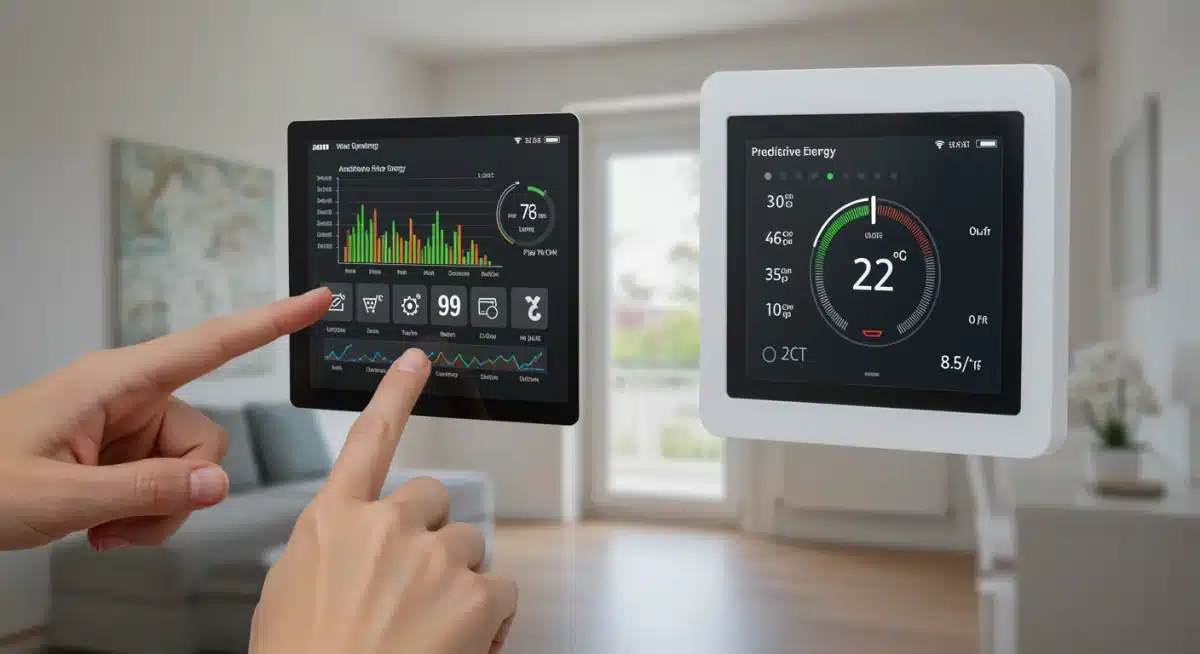
Environmental control in a smart home extends far beyond merely adjusting the temperature. True smart home personalization in 2026 involves a dynamic interplay of heating, ventilation, air conditioning (HVAC), lighting, air quality, and even sound, all working in concert to create the perfect ambiance for any given moment or activity.
Integrated Climate and Lighting Systems
Consider a system that not only maintains your preferred temperature but also adjusts lighting hue and intensity based on the time of day, natural light availability, and your activity. Waking up to gradually brightening, cool-toned lights that mimic the sunrise, transitioning to warm, inviting tones for an evening gathering, and dimming to a soft glow for bedtime reading – this is the essence of personalized environmental control. Advanced systems can even detect occupancy and adjust settings in unoccupied rooms to conserve energy.
Air Quality Management and Wellness
Beyond comfort, personalizing your smart home environment also means optimizing for health and wellness. Smart air purifiers, humidifiers, and dehumidifiers can now be integrated to monitor indoor air quality, pollen counts, and humidity levels. Based on this data and your personal health profiles (e.g., allergy sufferers), the system can automatically activate devices to maintain optimal air quality, ensuring a healthier living space. This level of proactive health management is a significant leap in smart home personalization.
Soundscapes for Every Mood
The auditory environment is another critical, yet often overlooked, aspect of personalization. Integrated multi-room audio systems can create dynamic soundscapes. Imagine arriving home to your favorite playlist gently playing, or a focused work environment with ambient nature sounds. The system can learn your preferences for different activities – upbeat music for cooking, calming sounds for relaxation, or even white noise for sleep – and seamlessly transition between them.
Achieving Dynamic Environmental Control:
- Unified Control Platforms: Invest in a robust smart home platform that can integrate various environmental devices (HVAC, lighting, air purifiers, speakers).
- Zoned Control: Implement zoning for HVAC and lighting to allow for different settings in different areas of your home, catering to individual preferences.
- Sensor Networks: Utilize a network of sensors (occupancy, light, temperature, air quality) to provide real-time data for your system to act upon.
- Set Up Scenes and Automations: Create ‘scenes’ (e.g., ‘Movie Night,’ ‘Morning Wake-up,’ ‘Relaxation’) that combine lighting, temperature, and sound settings for instant ambiance.
By meticulously crafting your home’s environmental responses, you transform it into a responsive sanctuary that caters to your every need, mood, and activity, epitomizing true smart home personalization.
3. Advanced Security and Privacy Tailoring
In 2026, a truly personalized smart home extends to its security and privacy protocols. It’s no longer just about having cameras and door sensors; it’s about a security system that understands your routines, differentiates between family members and strangers, and adapts its responses based on context and your specific privacy preferences. Smart home personalization in security offers both peace of mind and unparalleled control.
Context-Aware Security Systems
Modern smart security systems leverage AI and machine learning to become context-aware. This means they can distinguish between a delivery person, a pet, or an unfamiliar individual. They can also learn your family’s comings and goings, arming or disarming automatically based on geofencing or facial recognition. Imagine your outdoor lights illuminating a path only when a recognized family member approaches, or receiving alerts only for suspicious activity, not every squirrel in the yard.
Personalized Access Control
Keyless entry, smart locks, and biometric authentication are becoming standard. However, personalization takes this further. You can grant temporary, time-sensitive access to service providers, dog walkers, or guests, all managed from your smartphone. Different family members can have varying levels of access to specific areas or devices within the home, enhancing both security and individual freedom. This granular control is a hallmark of advanced smart home personalization.
Privacy Settings and Data Management
As smart homes collect more data, managing your privacy becomes paramount for personalization. Leading smart home platforms now offer sophisticated privacy dashboards where you can review what data is being collected, how it’s used, and set granular permissions for each device. You can opt for local processing of certain data (e.g., facial recognition) to keep it off the cloud, or choose to delete data periodically. Personalizing your privacy settings ensures your smart home serves you without compromising your personal information.
Key Aspects of Tailored Security and Privacy:
- Biometric Integration: Utilize fingerprint or facial recognition for secure and convenient access.
- Geofencing: Automate arming/disarming, lighting, and thermostat settings based on your proximity to home.
- Customizable Alert Systems: Set up specific notifications for different events, individuals, or times of day.
- Guest Access Management: Easily create and revoke temporary access codes or virtual keys for visitors.
- Regular Privacy Audits: Periodically review your smart home’s privacy settings and data usage policies for all connected devices.
By taking an active role in personalizing your smart home’s security and privacy features, you create a fortress that is not only robust but also intelligently responsive to your lifestyle and protective of your digital footprint.
4. Holistic Health and Wellness Integration
The evolution of smart home personalization in 2026 sees a significant shift towards integrating health and wellness. Your home can become a proactive partner in maintaining your physical and mental well-being, moving beyond mere convenience to offering tangible health benefits. This involves seamless integration with wearables, smart health devices, and a focus on creating restorative environments.
Sleep Optimization Through Environmental Control
One of the most impactful areas of wellness personalization is sleep. Smart beds can monitor sleep patterns, while integrated lighting and temperature systems can create optimal sleep conditions. Imagine your bedroom gradually cooling and dimming to specific ‘sleep-inducing’ light spectrums as bedtime approaches, and then gently waking you with simulated sunrise and a gradual temperature increase, all based on your individual circadian rhythm and sleep goals. This personalized approach to sleep hygiene is foundational for overall health.
Activity and Fitness Integration
Your smart home can also encourage physical activity. Integration with fitness trackers and smart gym equipment allows your home to suggest personalized workout routines, display your progress on smart mirrors, or even adjust lighting and play motivating music during your exercise sessions. Post-workout, it could automatically initiate a cool-down routine, adjust shower temperature, or prepare a healthy snack recipe on your smart display. The goal is to create a supportive environment for your fitness journey.
Mindfulness and Stress Reduction Zones
Mental well-being is equally important. Dedicated ‘mindfulness zones’ can be created within your home, where lighting, soundscapes, and even scent diffusers are automatically activated to facilitate meditation, yoga, or relaxation. Your smart home can learn your preferred relaxation techniques and deploy them on demand, offering a personalized escape from daily stressors. This proactive approach to mental health is a cutting-edge aspect of smart home personalization.
Implementing Holistic Health Integration:
- Wearable Connectivity: Ensure your smart home platform can integrate data from your smartwatches and fitness trackers.
- Smart Health Devices: Incorporate smart scales, blood pressure monitors, and air quality sensors that feed data into your centralized health dashboard.
- Personalized Routines: Create specific routines for sleep, exercise, and relaxation that leverage multiple smart devices.
- Biometric Feedback: Explore devices that offer biometric feedback to tailor environmental responses (e.g., heart rate influencing ambient lighting).
- Privacy and Data Security: Be extra diligent about privacy settings when dealing with sensitive health data.
By thoughtfully integrating health and wellness into your smart home, you transform it into a personal health assistant, a sanctuary for well-being, and a powerful tool for achieving your health goals through advanced smart home personalization.
5. Personalizing the User Interface and Interaction
The final, yet equally crucial, tip for mastering smart home personalization in 2026 revolves around how you interact with your intelligent dwelling. A truly personalized smart home offers multiple, intuitive interfaces that adapt to your preferences, context, and even your mood. This moves beyond a single app to a rich tapestry of interaction methods.
Multimodal Interaction: Voice, Gesture, and Touch
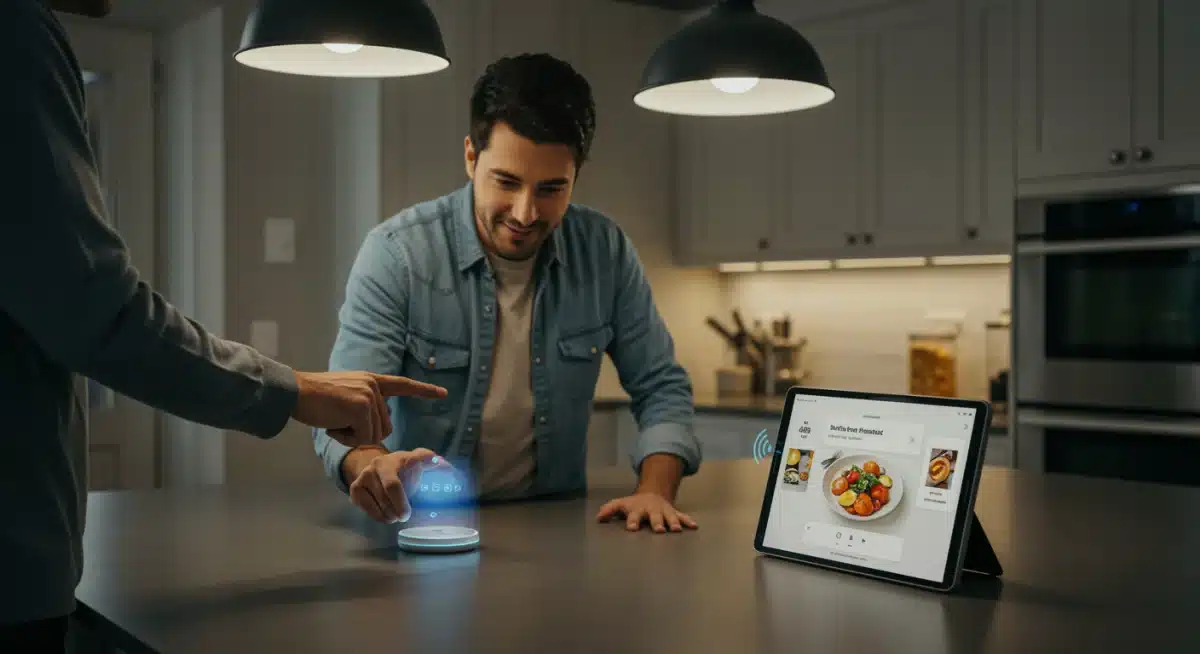
While voice assistants remain popular, the future of smart home interaction is multimodal. This means seamlessly transitioning between voice commands, physical gestures (e.g., waving your hand to turn off lights), touch screens, and even thought-controlled interfaces (though still nascent). Personalization here means choosing the interaction method that feels most natural and efficient for you in any given situation. For example, voice for general commands, touch for detailed settings, and gestures for quick, silent actions.
Adaptive Dashboards and Displays
Smart displays and wall-mounted tablets can offer personalized dashboards that show relevant information based on who is viewing them and the time of day. Your morning dashboard might display your calendar, traffic updates, and weather, while your partner’s might show their work schedule and news headlines. These dashboards can even adapt based on detected occupancy, showing children-friendly controls when kids are in the room. This dynamic display of information is key to effective smart home personalization.
Proactive Notifications and Feedback
Personalized interaction also includes how your home communicates with you. Instead of generic alerts, your smart home can provide proactive, context-aware notifications. For instance, a subtle chime and a gentle light change might indicate a package delivery when you’re home, while a text message and camera snapshot are sent to your phone when you’re away. The feedback loops are tailored to your preferred level of interruption and information detail.
Optimizing Your Interaction Methods:
- Map Out Your Needs: Consider how different family members prefer to interact with technology and design interfaces accordingly.
- Experiment with Voice Commands: Learn and customize voice commands for efficiency and natural language processing.
- Set Up Personalized Dashboards: Configure smart displays to show relevant information for different users and times.
- Explore Gesture Control: If your devices support it, experiment with gesture-based interactions for quick, silent control.
- Customize Notification Preferences: Fine-tune alerts for each device and scenario to avoid notification fatigue.
By personalizing the way you interact with your smart home, you create an experience that feels intuitive, effortless, and deeply integrated into your daily life. This seamless interaction is the hallmark of a truly intelligent and user-centric dwelling, solidifying the essence of smart home personalization.
The Future is Personal: Crafting Your Unique Smart Home Experience
As we look towards the horizon of 2026 and beyond, the narrative surrounding smart homes is undeniably shifting from mere automation to profound personalization. The five tips discussed – embracing adaptive learning and AI, dynamic environmental control, advanced security and privacy tailoring, holistic health and wellness integration, and personalizing the user interface – are not just trends; they are the foundational pillars upon which the next generation of intelligent living spaces will be built. The ability to tailor every facet of your home to your individual needs, preferences, and lifestyle is what truly defines a ‘smart’ home in the modern era.
The journey of smart home personalization is an exciting one, full of continuous discovery and refinement. It empowers you to move beyond being a passive user of technology to becoming an active architect of your living environment. Imagine a home that understands your unique rhythm, anticipates your desires before you even voice them, and proactively creates an atmosphere that fosters productivity, relaxation, and well-being. This is the promise of advanced smart home personalization.
While the technological landscape will continue to evolve at a rapid pace, the core principle remains constant: your home should be a reflection of you. It should adapt, learn, and grow with you, providing a sanctuary that is not just efficient and secure, but deeply personal and intuitively responsive. By applying these tips, you’re not just installing devices; you’re cultivating an intelligent ecosystem that enhances every moment of your life.
So, take the reins of your smart home’s potential. Experiment with AI-driven routines, fine-tune your environmental controls, secure your digital perimeter with personalized settings, integrate your wellness goals, and sculpt the very way you interact with your living space. The future of living is here, and it’s exquisitely personal. Embrace the power of smart home personalization and unlock a new dimension of comfort, convenience, and control in your everyday life.