Beyond Voice: The Future of Smart Home Interfaces in 2026
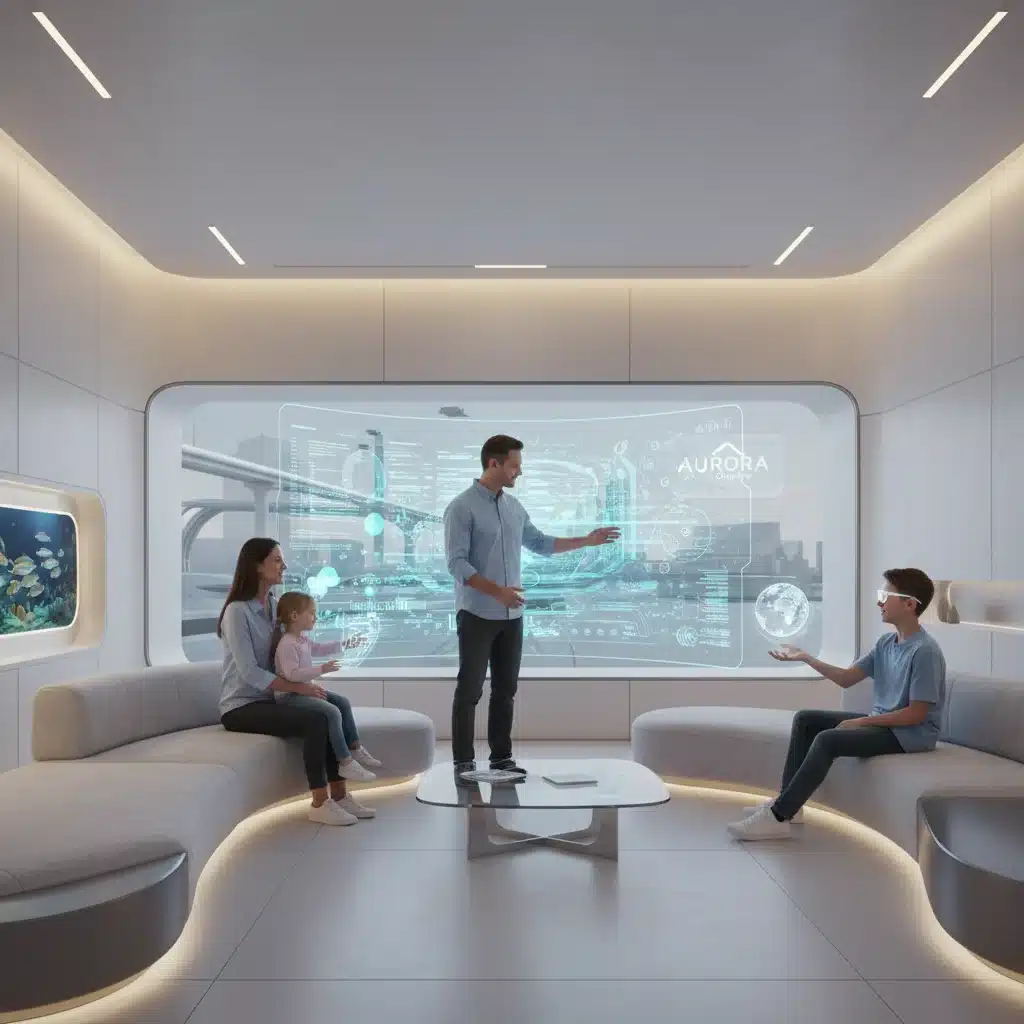
Beyond Voice Control: Unpacking the Next Generation of Intuitive Smart Home Interfaces in 2026
The smart home revolution has been steadily gaining momentum, transforming our living spaces into intelligent, responsive environments. For years, voice control has been the undisputed king of smart home interaction, offering a seemingly effortless way to command our devices. However, as technology advances at an unprecedented pace, the landscape of smart home interfaces is poised for a dramatic evolution. By 2026, we’ll be looking beyond mere vocal commands, embracing a new era of intuitive, seamless, and even proactive interactions. This article delves deep into the exciting future of smart home interfaces 2026, exploring the innovations that will redefine how we live, work, and play within our connected homes.
The Current State: Voice Control’s Reign and Its Limitations
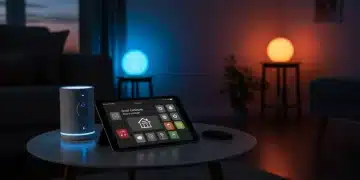
Before we project into the future, let’s acknowledge the immense impact of voice control. Devices like Amazon Echo, Google Home, and Apple HomePod have brought smart home technology to the masses, making it accessible and relatively easy to use. “Alexa, turn off the lights,” or “Hey Google, play some jazz” have become commonplace phrases in many households. This hands-free convenience has undoubtedly been a game-changer, allowing users to control their environment while performing other tasks.
However, voice control, for all its brilliance, has its limitations. It can be intrusive in quiet environments, awkward in public settings (if you’re using portable smart devices), and sometimes frustrating when misinterpretations occur. Privacy concerns surrounding always-on microphones also persist. Furthermore, complex multi-step commands can become cumbersome, and the absence of visual or tactile feedback can leave users questioning if their command was truly understood and executed. These challenges pave the way for the next wave of smart home interfaces 2026, promising a more natural and less obtrusive interaction.
Haptic Feedback: Feeling Your Home Respond
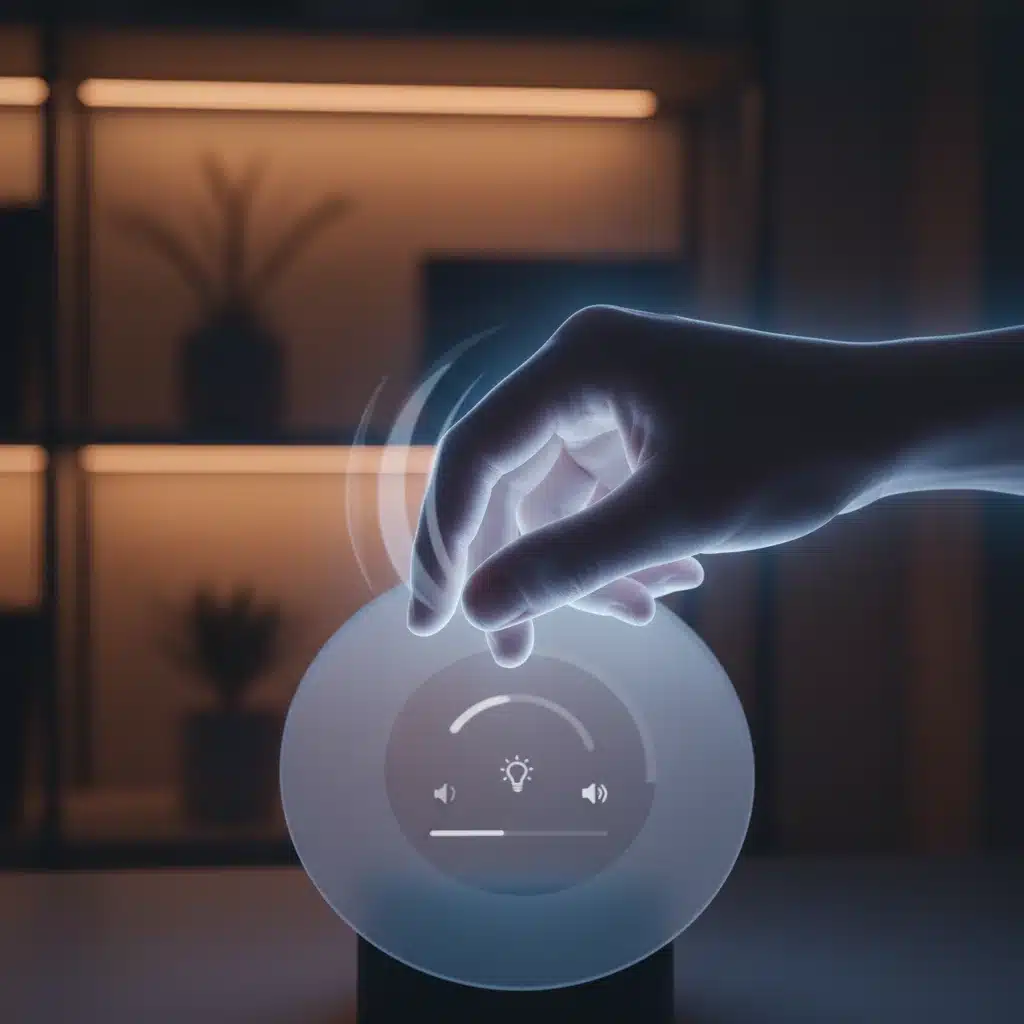
One of the most promising areas of innovation for smart home interfaces 2026 is haptic feedback. Imagine not just hearing or seeing your smart home respond, but feeling it. Haptic technology, which creates a sense of touch by applying forces, vibrations, or motions to the user, is already present in our smartphones and game controllers. In the smart home context, its applications are vast and transformative.
Consider a smart thermostat that provides a subtle vibration when you adjust the temperature, confirming the change without a visual glance. Or a smart door lock that gives a distinct haptic pulse when it successfully locks or unlocks. This tactile confirmation adds an extra layer of assurance and intuitiveness, especially for actions where immediate visual feedback might not be practical or desired. Haptic interfaces could be integrated into everyday objects – a doorknob that vibrates to indicate a delivery, a table surface that subtly buzzes to alert you of an incoming message, or even clothing that provides directional cues for navigation within a smart building.
For individuals with visual or hearing impairments, haptic feedback could be a revolutionary accessibility feature, opening up smart home control to a much wider audience. The ability to ‘feel’ the status of your home, or to receive alerts through touch, offers a level of independence and integration previously unattainable. As haptic technology becomes more sophisticated and miniaturized, expect to see it seamlessly woven into the fabric of our homes, providing a richer, more embodied interaction with our intelligent environments. This tactile dimension is a crucial step beyond purely auditory or visual commands, making our homes not just smart, but truly responsive to our physical presence.
Gesture Control: The Language of Movement
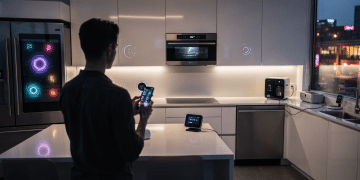
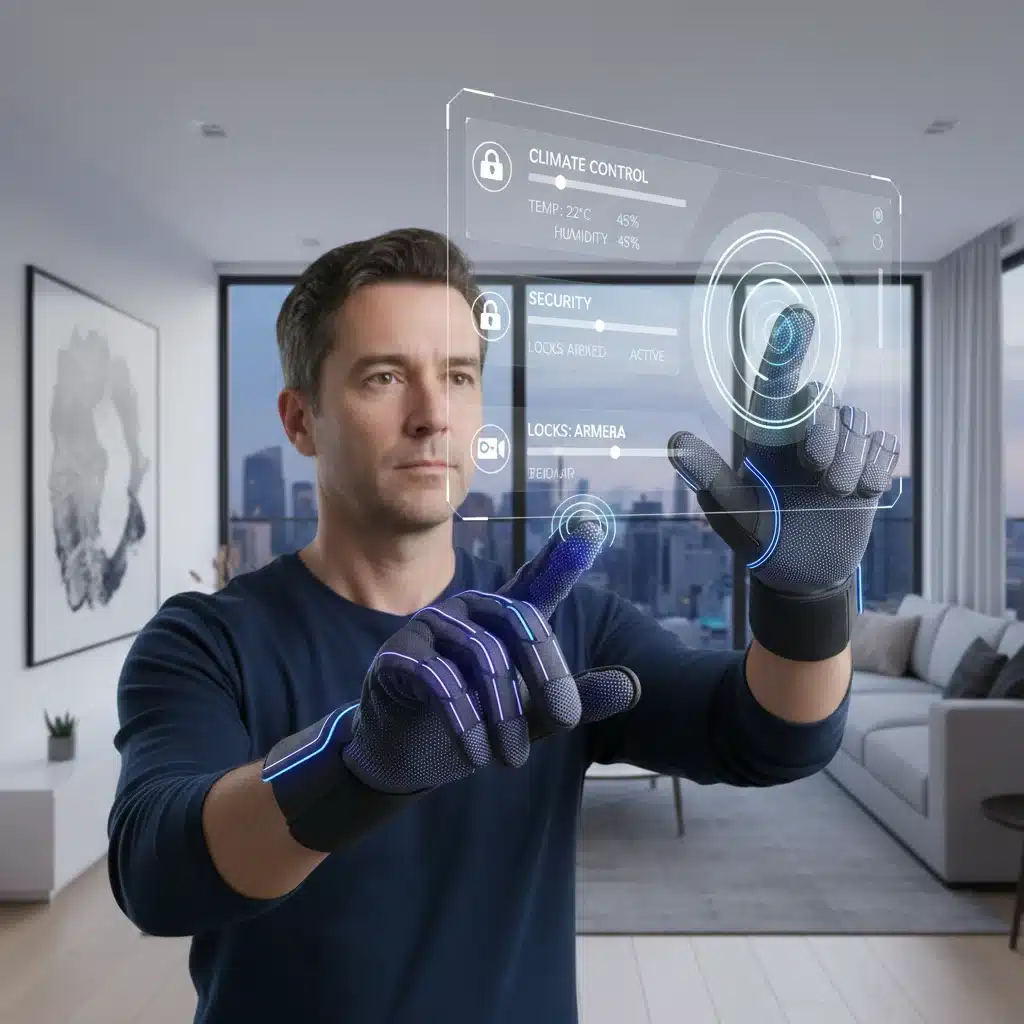
Another significant leap in smart home interfaces 2026 will be the widespread adoption of advanced gesture control. While rudimentary gesture controls exist today (think waving your hand to turn on a light), the future promises far more sophisticated and nuanced interactions. Imagine controlling your entertainment system with a flick of your wrist, adjusting lighting with a subtle hand movement, or even managing appliance settings with specific finger gestures – all without touching a single button or uttering a word.
Advanced sensor technology, including radar, lidar, and high-resolution cameras, will enable precise tracking of human movements in three dimensions. AI algorithms will then interpret these gestures, distinguishing between intentional commands and casual movements. This brings a natural, almost magical feel to interacting with your home. Picture walking into a room and a specific hand motion automatically adjusting the blinds to your preferred level, or simply pointing at a speaker to transfer music playback. This form of interaction is incredibly intuitive, leveraging our innate ability to communicate through body language.
Beyond simple hand gestures, future systems could interpret full-body movements. A person sitting down could automatically dim the lights for relaxation, while someone standing up and moving towards the kitchen could trigger ambient lighting to guide them. The key here is context and intent recognition, powered by increasingly intelligent AI. The goal is to make the interface disappear, allowing us to interact with our homes as naturally as we interact with other people. The challenge will be standardizing gestures and ensuring they are universally understood and easily recallable, preventing a confusing array of different commands for different devices.
Ambient Intelligence and Proactive AI: The Invisible Interface
Perhaps the most profound shift for smart home interfaces 2026 will be the rise of ambient intelligence and proactive AI. This is where the interface largely disappears, as the home anticipates and responds to your needs without explicit commands. Instead of you telling your home what to do, your home learns your routines, preferences, and even your mood, and then acts accordingly.
Imagine waking up, and your smart home subtly adjusts the thermostat to your preferred morning temperature, brews your coffee, and plays your favorite news podcast, all without you saying a word. As you leave for work, the lights turn off, the doors lock, and the security system activates automatically. Upon your return, the house recognizes your presence, disarms the alarm, and sets the scene for your evening activities – perhaps dimming the lights, playing calming music, and preheating the oven.
This level of proactivity relies on sophisticated AI that processes data from a multitude of sensors: presence detectors, biometric sensors (like heart rate or sleep patterns), environmental sensors (temperature, humidity, air quality), and even calendar and traffic data. It also involves advanced machine learning algorithms that continuously refine their understanding of your habits and preferences over time. The interface here isn’t a button, a screen, or a voice command; it’s the environment itself, intelligently adapting to your lifestyle. The challenge lies in balancing proactivity with user control, ensuring that the home is helpful without feeling intrusive or overly prescriptive. Privacy considerations also become paramount when such a vast amount of personal data is being collected and processed.
Biometric and Brain-Computer Interfaces (BCIs): The Ultimate Personalization
Looking further into the future, but certainly within the realm of discussion for advanced smart home interfaces 2026, are biometric and even rudimentary brain-computer interfaces (BCIs). Biometric interfaces leverage unique biological characteristics for identification and control. Fingerprint scanners and facial recognition are already common for unlocking phones and securing doors. In 2026, we can expect these to become more seamlessly integrated and diverse.
Imagine your smart home recognizing you by your gait as you approach the front door, automatically unlocking it and adjusting settings to your personal profile. Or, gaze control, where a simple look at a specific smart device on a screen or even in physical space could activate it or bring up its controls. These interfaces offer unparalleled personalization and security, ensuring that your home responds precisely to you.
Brain-Computer Interfaces, while still largely in early development for consumer applications, represent the ultimate intuitive interface. The ability to control devices simply by thought, detecting specific brainwave patterns associated with commands, is a tantalizing prospect. While full-fledged thought control might be a bit further out than 2026 for mainstream adoption, early forms of BCI could emerge for specific, high-value applications, perhaps assisting individuals with severe mobility impairments to interact with their environment. The ethical implications and technological hurdles are significant, but the potential for truly seamless interaction is immense.
Augmented Reality (AR) and Mixed Reality (MR) for Smart Home Control
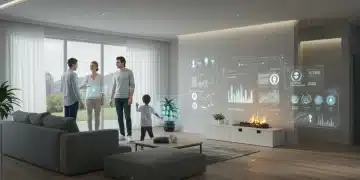
Augmented Reality (AR) and Mixed Reality (MR) are set to revolutionize how we visualize and interact with our smart home systems. Instead of a dedicated control panel or a smartphone app, imagine wearing AR glasses or using an AR-enabled device to overlay digital interfaces onto your physical environment. This transforms your home into a dynamic, interactive canvas.
With AR, you could look at a light fixture and see virtual sliders appear next to it, allowing you to adjust brightness and color with a pinch gesture. Pointing your device at a smart appliance could reveal its current status, energy consumption, and control options, all superimposed directly onto the physical object. This eliminates the need to navigate through menus on a separate screen, making control contextually relevant and visually intuitive. For complex systems, AR could offer a ‘digital twin’ of your home, allowing you to visualize energy flows, security camera feeds, or even the air quality in different rooms, all within a real-time, interactive 3D model.
MR takes this a step further by blending digital and physical realities more seamlessly, allowing virtual objects to interact with the real world. For smart home interfaces 2026, this could mean virtual control panels that feel as if they are physically present, or holographic assistants that can appear in any room to provide information or execute commands. The immersive nature of AR/MR offers a richer, more engaging way to manage and monitor your smart home, moving beyond flat screens to a truly spatial computing experience.
The Convergence: A Multi-Modal Approach
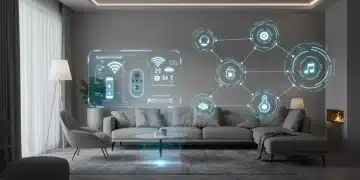
It’s important to understand that the future of smart home interfaces 2026 won’t be dominated by a single technology. Instead, we’ll see a convergence of these various approaches, creating a multi-modal interaction experience. Users will be able to choose the most appropriate and convenient interface for any given situation. Sometimes, a voice command will still be the easiest option. Other times, a subtle gesture, a tactile confirmation, or an AR overlay will be more efficient and natural.
The truly intelligent smart home of 2026 will be able to seamlessly switch between these modes, or even combine them. Imagine a scenario where you verbally ask your home assistant to adjust the lighting, and then use a hand gesture to fine-tune the intensity, receiving haptic feedback on a wearable device to confirm the exact level. This fluid transition between interaction methods will be key to achieving truly intuitive and user-friendly smart home experiences. The system will learn your preferred modes of interaction and adapt its responses accordingly, creating a highly personalized and efficient control ecosystem.
This multi-modal approach also addresses the limitations of individual interfaces. Where voice might fail in a noisy environment, gesture control or haptic feedback could step in. Where a visual interface might be distracting, an ambient AI could proactively manage settings in the background. The synergy between these technologies will unlock a new level of convenience and sophistication, making smart homes more accessible and enjoyable for everyone.
Challenges and Considerations for Smart Home Interfaces 2026
While the future of smart home interfaces 2026 looks incredibly promising, several challenges need to be addressed for widespread adoption and seamless integration:
- Privacy and Security: As homes become more intelligent and collect more data about our habits and biometrics, ensuring robust privacy and security measures will be paramount. Users need to trust that their data is protected and used responsibly.
- Standardization: A lack of universal standards for gesture commands, haptic feedback profiles, and AI interpretation could lead to fragmentation and user confusion. Industry-wide collaboration will be crucial.
- Cost and Accessibility: Advanced interfaces often come with higher price tags. Making these technologies affordable and accessible to a broader demographic will be essential for widespread adoption.
- User Education and Adoption: Introducing new interaction paradigms requires educating users. Interfaces need to be intuitive enough to minimize a steep learning curve.
- Ethical AI Development: As AI becomes more proactive and embedded in our homes, ethical considerations around decision-making, bias, and user autonomy must be carefully addressed.
- Reliability and Latency: Any smart home interface must be highly reliable and responsive. Delays or errors can quickly lead to user frustration and distrust.
Overcoming these hurdles will require continuous innovation, thoughtful design, and a strong focus on user experience. The goal is not just to create advanced technology, but to create technology that genuinely enhances daily life without adding complexity or concern.
Conclusion: The Dawn of Truly Intuitive Living
The evolution of smart home interfaces 2026 marks a pivotal moment in the journey towards truly intelligent living spaces. We are moving beyond the era of simple commands to a future where our homes anticipate our needs, respond to our movements, and even communicate through touch. Haptic feedback, advanced gesture control, ambient intelligence, proactive AI, and the emerging possibilities of AR/MR and biometrics are converging to create an ecosystem of unparalleled intuitiveness.
The vision for 2026 is a home that seamlessly blends into our lives, an environment that understands us, and an interface that often fades into the background, allowing us to focus on what truly matters. While voice control will remain a valuable tool, it will be just one option among a rich tapestry of interaction methods. The future smart home will not just listen to us; it will see us, feel us, and proactively contribute to our comfort and well-being. Get ready for a home that doesn’t just respond to commands, but truly understands and adapts to you.