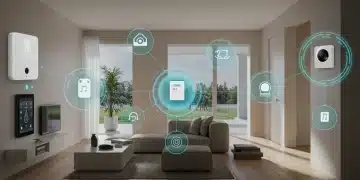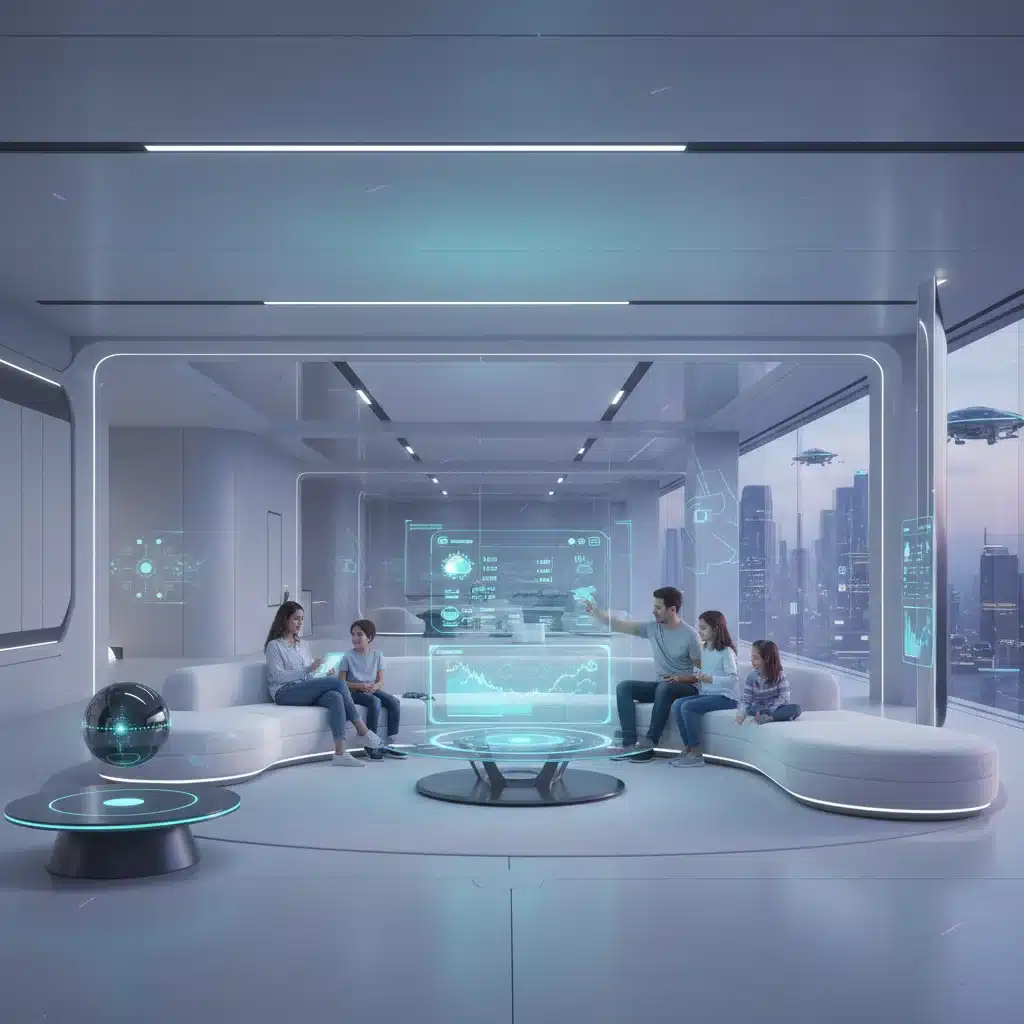
The landscape of our homes is undergoing a profound transformation, driven by the relentless march of technological innovation. At the forefront of this revolution is Artificial Intelligence (AI), a force poised to redefine the very essence of how we interact with our living spaces. The 2026 outlook suggests that AI integration will not merely enhance but fundamentally reshape smart home automation, projecting an astonishing 35% increase in its transformative impact. This isn’t just about convenience; it’s about creating intelligent ecosystems that anticipate our needs, enhance our safety, and optimize our resources like never before. The era of the truly intelligent home, powered by AI smart home technology, is no longer a distant dream but an imminent reality.
For years, smart homes have promised a future of effortless living. We’ve seen the rise of smart speakers, automated lighting, and connected appliances. However, the true potential of these devices has often been limited by their individual capabilities and the need for constant manual intervention or complex programming. Enter AI. By integrating AI into the fabric of our smart homes, we unlock a new dimension of automation – one that is adaptive, predictive, and intensely personal. This article delves deep into the multifaceted ways AI will redefine smart home automation, exploring the technologies, benefits, challenges, and the exciting future that awaits us by 2026.
The Evolution of Smart Home Automation: From Basic to Brilliant
To truly appreciate the imminent impact of AI smart home integration, it’s essential to understand the journey of smart home technology. Initially, smart homes were characterized by simple, rule-based automation. Think ‘if-then’ statements: if it’s sunset, then turn on the lights. While revolutionary at the time, these systems lacked the ability to learn, adapt, or respond to dynamic changes in environment or user behavior.
The next phase introduced more sophisticated sensors and connectivity, allowing devices to communicate and create more complex scenarios. However, even these systems often required significant user input and configuration. They were ‘smart’ in their connectivity, but not truly ‘intelligent’ in their decision-making.
Now, with the advent of advanced AI, machine learning (ML), and deep learning (DL) algorithms, smart homes are moving beyond mere automation to genuine intelligence. AI enables systems to process vast amounts of data from various sensors – temperature, light, motion, sound, and even biometric data – to identify patterns, predict user preferences, and make autonomous decisions that optimize comfort, security, and efficiency. This shift from reactive automation to proactive intelligence is the core of the 35% redefinition we anticipate by 2026.
Key Pillars of AI Integration in Smart Homes
The integration of AI smart home technology is built upon several foundational pillars, each contributing to a more intelligent and responsive living environment. Understanding these components is crucial to grasping the full scope of this transformation.
1. Enhanced Personalization and Predictive Capabilities
One of the most significant advancements AI brings is its ability to personalize the home experience to an unprecedented degree. AI algorithms learn individual habits, preferences, and routines over time. This includes everything from preferred lighting levels and temperature settings at different times of the day to entertainment choices and even the optimal brewing strength for morning coffee.
For instance, an AI-powered thermostat won’t just follow a schedule; it will learn when you’re typically home, when you prefer specific temperatures, and even account for external factors like weather forecasts to pre-condition your home more efficiently. Similarly, smart lighting systems will adjust not just based on time, but on your activity, mood, and even natural light availability, creating the perfect ambiance without a single command.
Predictive maintenance is another powerful application. AI can monitor the performance of appliances and systems, detecting anomalies that might indicate a potential failure. Imagine your smart refrigerator alerting you to a compressor issue before it fails, or your HVAC system scheduling a tune-up based on its operational data. This predictive capability saves money, prevents inconvenience, and extends the lifespan of your home’s infrastructure.
2. Fortified Security and Surveillance
AI is set to revolutionize home security, moving beyond simple motion detection and alarms. AI-powered security cameras can differentiate between pets, known family members, and potential intruders, significantly reducing false alarms. Facial recognition and gait analysis can identify unauthorized individuals, while anomaly detection algorithms can flag unusual activities or sounds.
Beyond detection, AI can also enhance proactive security measures. For example, if unusual activity is detected while you’re away, the system could automatically trigger deterrents like flashing lights, loud noises, or even activate a simulated ‘presence’ by turning on TVs or playing audio. AI can also integrate with smart locks, granting temporary access to trusted individuals and monitoring entry and exit points with heightened intelligence. This level of intelligent oversight transforms a reactive security system into a proactive guardian.
3. Unprecedented Energy Efficiency and Sustainability
The promise of an AI smart home extends significantly to environmental impact and energy savings. AI algorithms can meticulously analyze energy consumption patterns across all connected devices and systems. By understanding usage habits, external weather conditions, and energy pricing, AI can optimize energy usage in real-time.
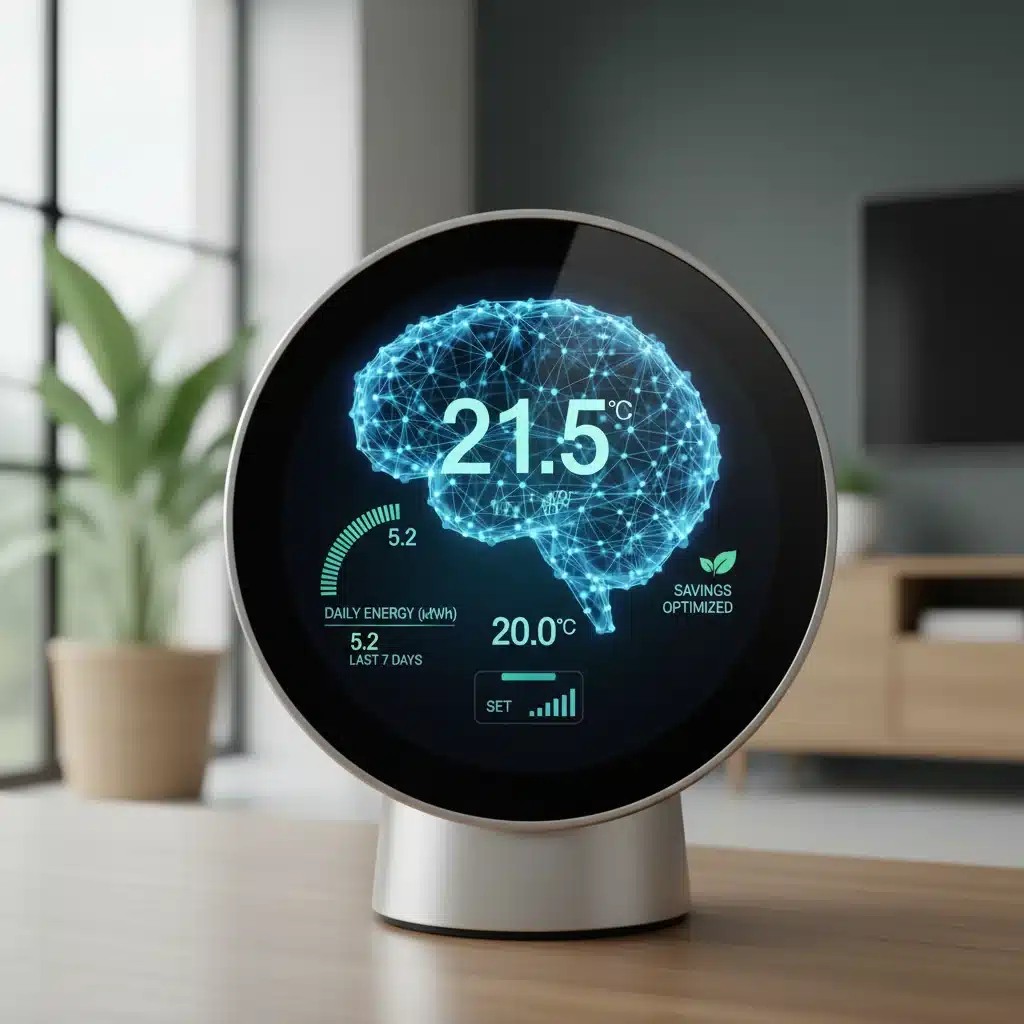
Imagine a home where the heating and cooling system intelligently pre-cools or pre-heats based on upcoming weather changes and your typical return time, rather than maintaining a constant temperature when no one is home. Smart lighting adjusts not only to human presence but also to natural light, ensuring no energy is wasted. AI can even manage smart appliances, running dishwashers or washing machines during off-peak electricity hours to reduce costs and grid strain. This intelligent management contributes directly to lower utility bills and a reduced carbon footprint, making sustainable living more accessible and effortless.
4. Seamless Integration and Interoperability
One of the persistent challenges in smart home adoption has been the fragmentation of ecosystems. Different brands and platforms often struggle to communicate seamlessly. AI acts as a powerful orchestrator, bridging these gaps. Through advanced APIs and machine learning, AI can facilitate true interoperability, allowing devices from various manufacturers to work together harmoniously, creating a unified and responsive home environment.
This means you won’t need multiple apps or complex workarounds to manage your smart devices. A central AI hub can interpret commands and data across diverse platforms, creating a truly unified smart home experience. This seamless integration enhances user experience and simplifies the management of increasingly complex smart home setups.
The Technologies Driving AI Smart Home Evolution
Behind the scenes, several cutting-edge technologies are fueling the AI smart home revolution. Understanding these allows for a deeper appreciation of the capabilities being developed.
- Machine Learning (ML) and Deep Learning (DL): These are the core engines of AI in smart homes. ML algorithms learn from data to identify patterns and make predictions, while DL, a subset of ML, uses neural networks to process more complex data like images and speech, enabling advanced features like facial recognition and natural language understanding.
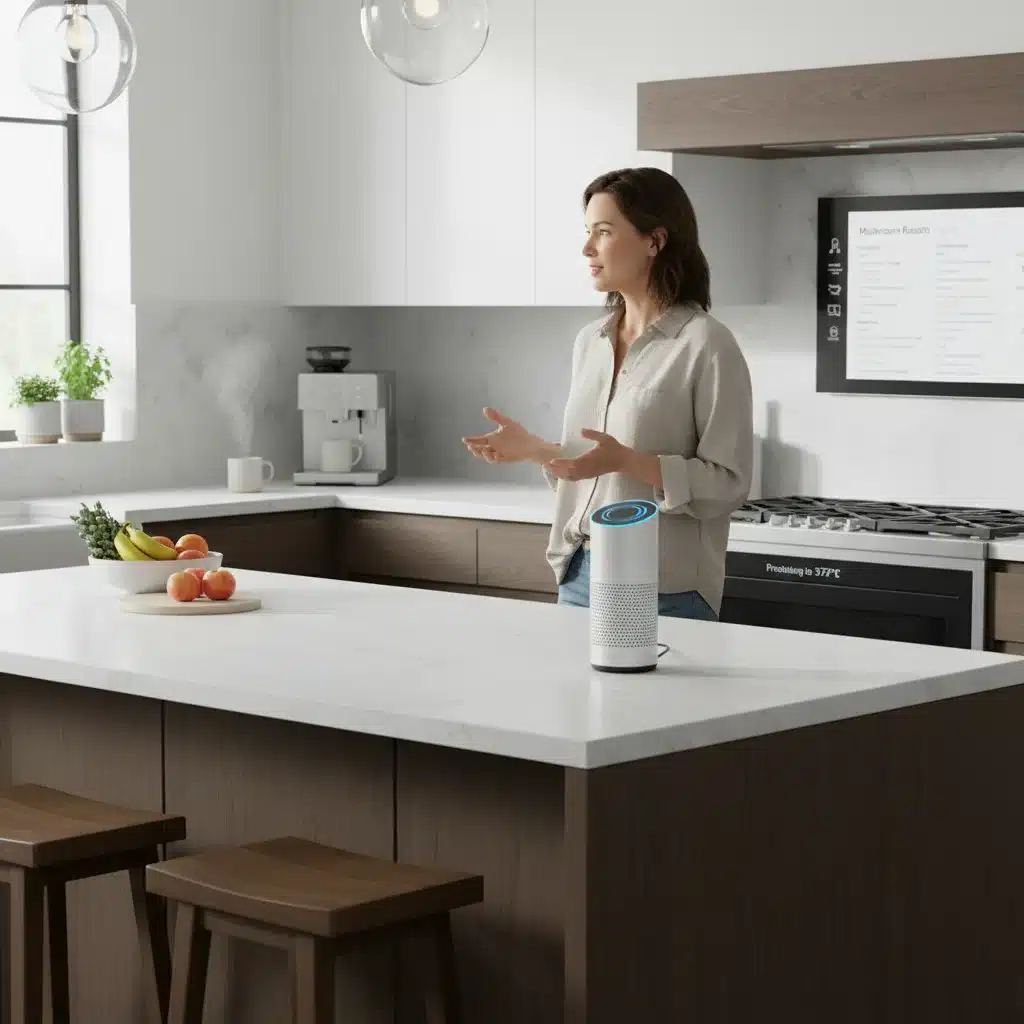
- Natural Language Processing (NLP): This technology allows AI assistants to understand and respond to human language, making voice control more intuitive and conversational. As NLP advances, our interactions with the home will become indistinguishable from talking to another person.
- Edge Computing: Instead of sending all data to the cloud for processing, edge computing allows some AI processing to occur directly on the smart devices themselves. This reduces latency, improves privacy, and allows for quicker responses, especially critical for security applications.
- Computer Vision: Powering smart cameras, computer vision enables devices to ‘see’ and interpret visual information. This is vital for security monitoring, package delivery detection, and even understanding occupancy patterns within a room.
- Sensor Fusion: AI can combine data from multiple types of sensors (temperature, humidity, motion, light, sound, air quality) to create a more comprehensive understanding of the home environment, leading to more accurate and intelligent decisions.
Real-World AI Smart Home Scenarios by 2026
Let’s imagine a typical day in an AI-powered smart home in 2026 to truly grasp the transformative potential:
Morning: As you begin to stir, your AI smart home subtly adjusts the bedroom lighting to mimic a sunrise, gradually increasing brightness. The smart blinds open just enough to let in natural light, taking into account the weather forecast for optimal light and temperature. The coffee maker starts brewing your preferred blend, and the news headlines are softly played through your smart speaker, pre-selected based on your interests. The bathroom floor is already warmed, and the shower adjusts to your ideal temperature. All of this happens without a single command, learned from your past routines and preferences.
During the Day: As you leave for work, the house enters ‘away’ mode. Lights turn off, the thermostat adjusts to an energy-saving setting, and the security system activates. AI-powered cameras monitor the perimeter, differentiating between a delivery person and an unfamiliar presence. If a package is left, you receive a notification and can grant temporary access to a delivery drone to place it safely inside a designated secure area. Inside, the robot vacuum quietly cleans while monitoring air quality and alerting you if filters need changing.
Evening: As you head home, your AI smart home anticipates your arrival. The thermostat begins to adjust to your preferred evening temperature, and exterior lights gently illuminate your path. Upon entry, the lighting adjusts to a relaxing hue, and your favorite playlist begins to play. The smart kitchen suggests dinner recipes based on available ingredients in your smart fridge and your dietary preferences, even preheating the oven if you choose a baked dish. After dinner, the system detects you settling down for a movie and automatically dims the lights, closes the blinds, and optimizes the TV settings for an immersive viewing experience.
Night: As you prepare for bed, the house transitions to ‘night’ mode. Doors lock, the security system arms, and the lights in frequently used areas are set to a low glow for easy navigation. During the night, the AI monitors sleep patterns through wearable tech integration, adjusting bedroom temperature and humidity for optimal sleep conditions. If an unusual sound is detected, the system discreetly investigates, perhaps sending a low-light camera feed to your phone before triggering an alarm, ensuring genuine threats are addressed while minimizing disturbances.
Challenges and Considerations for AI Smart Home Adoption
While the future of AI smart home technology is bright, several challenges need to be addressed for widespread adoption and successful integration.
1. Data Privacy and Security Concerns
AI systems thrive on data. The more data they collect about our habits, preferences, and movements, the better they perform. However, this raises significant concerns about data privacy and how this sensitive information is stored, processed, and protected. Robust encryption, clear privacy policies, and user control over data sharing will be paramount to building trust.
2. Interoperability and Standardization
Despite AI’s ability to bridge gaps, the lack of universal standards for smart home devices remains a hurdle. A truly seamless AI smart home requires all components to speak a common language. Industry collaboration and the adoption of open protocols will be crucial to overcoming this fragmentation.
3. Cost and Accessibility
Advanced AI smart home systems can be expensive to implement, potentially limiting their accessibility to a broader demographic. As technology matures, costs are expected to decrease, but ensuring that these transformative benefits are available to everyone will require innovative business models and accessible product lines.
4. Ethical AI and Bias
AI systems are only as unbiased as the data they are trained on. There’s a risk that biases present in training data could be reflected in the AI’s decisions, leading to unintended consequences or discriminatory outcomes. Developing ethical AI frameworks and ensuring diverse, representative training data will be critical.
5. User Trust and Control
For users to fully embrace AI smart home technology, they need to trust that the systems are working in their best interest and that they retain ultimate control. Opaque algorithms and systems that make decisions without user understanding can lead to frustration and distrust. Transparency and intuitive control interfaces will be key.
The Future Beyond 2026: The Truly Autonomous Home
The 35% redefinition by 2026 is just the beginning. Looking further into the future, we can envision a truly autonomous home that goes beyond predictive automation to become a proactive partner in our lives. Imagine a home that not only anticipates your needs but also understands your emotional state, adjusting its environment to soothe or energize you. A home that manages not just energy but also water consumption, waste management, and even grows its own food through integrated vertical farms.
Furthermore, AI smart homes will likely integrate more deeply with external services. Your home could automatically order groceries when supplies run low, schedule maintenance appointments based on predictive diagnostics, or even coordinate with smart city infrastructure for optimized traffic flow or emergency responses. The boundaries between the home and the wider world will blur, creating a hyper-connected, intelligent living experience.
The role of robotics will also grow, with AI-powered robots performing household chores, assisting the elderly or those with disabilities, and even providing companionship. The home will evolve from a static dwelling into a dynamic, responsive entity that actively contributes to our well-being and productivity.
Conclusion: Embracing the Intelligent Home Revolution
The 2026 outlook for smart home automation, with its projected 35% redefinition driven by AI integration, paints a vivid picture of a future where our homes are more than just structures; they are intelligent, adaptive, and deeply personalized living partners. From enhanced security and unparalleled energy efficiency to intuitive personalization and seamless interoperability, AI smart home technology promises to elevate our quality of life in myriad ways.
While challenges related to privacy, standardization, and accessibility remain, the rapid pace of innovation and the increasing demand for smarter living solutions suggest that these hurdles will be overcome. The journey from basic automation to brilliant intelligence is well underway, and by embracing this revolution, we are not just upgrading our homes, but fundamentally transforming our daily existence. The intelligent home is not just a technological marvel; it’s a testament to human ingenuity, designed to make our lives safer, more comfortable, and significantly more sustainable. Get ready to live in a home that truly understands you.