Personalized Comfort: 4 Smart Home Automation Trends Defining 2026
By 2026, personalized smart home comfort will be revolutionized by advanced AI, hyper-personalization, proactive automation, and sustainable integration, creating truly intuitive and responsive living environments tailored to individual needs.
The concept of ‘home’ is continuously evolving, especially with the rapid advancements in technology. By 2026, the focus will shift dramatically towards truly personalized smart home comfort, moving beyond mere convenience to create living spaces that anticipate and cater to our unique preferences and needs. This isn’t just about controlling lights or thermostats with a voice command; it’s about an intelligent ecosystem that learns, adapts, and proactively enhances every aspect of our daily lives, making comfort an intrinsic, effortless part of the home experience.
The Rise of AI-Driven Hyper-Personalization in Smart Homes
As we look towards 2026, the integration of artificial intelligence (AI) is no longer a futuristic concept but a foundational element driving hyper-personalization in smart homes. This evolution means our homes will not just react to commands but will intelligently anticipate our desires and optimize conditions even before we articulate them. AI algorithms are becoming sophisticated enough to interpret subtle cues from our routines, preferences, and even emotional states, translating them into tangible comfort adjustments.
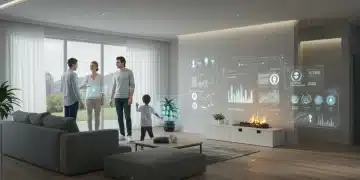
Imagine your home adjusting lighting intensity and color based on the time of day, your activity, and your personal circadian rhythm, or setting the perfect temperature zone by zone, considering who is in which room and what their individual comfort profiles are. This level of detail goes far beyond simple scheduling, creating an environment that feels uniquely tailored to each occupant.
Predictive Comfort Algorithms
One of the most exciting aspects of AI in smart homes is its predictive capability. Systems are now learning to anticipate needs based on historical data and real-time inputs, leading to proactive adjustments.
- Climate Anticipation: AI learns your preferred temperature ranges for different times and activities, pre-cooling or pre-heating rooms before you arrive or wake up.
- Lighting Moods: It understands when you prefer bright light for work versus soft, warm light for relaxation, adjusting automatically.
- Soundscapes: Personalized ambient sound profiles can be activated based on your mood or activity, from calming nature sounds to energetic background music.
The continuous learning from AI ensures that the home becomes an intuitive extension of its inhabitants, constantly refining its understanding of what makes each individual most comfortable. This iterative process allows for an unparalleled level of personalization that was previously unimaginable, making every interaction with the home seamless and deeply satisfying.
Seamless Multi-Device Integration and Interoperability
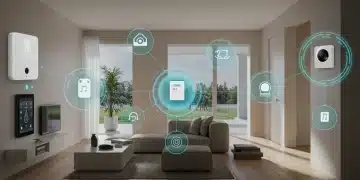
The fragmentation of smart home ecosystems has long been a hurdle for true automation. However, by 2026, we are witnessing a significant shift towards seamless multi-device integration and interoperability. New industry standards and open protocols are fostering an environment where devices from different manufacturers can communicate and cooperate effortlessly, creating a unified and more powerful smart home experience. This eliminates the need for multiple apps and complex configurations, simplifying the user journey significantly.
This integration extends beyond basic communication; it’s about creating complex, interconnected routines and scenarios that respond to intricate triggers. For example, your smart security system can now seamlessly inform your lighting and HVAC systems when you leave or arrive, initiating energy-saving modes or preparing the home for your return without any manual input. This level of coordination elevates the smart home from a collection of gadgets to a truly intelligent, cohesive entity.
Unified Control Platforms
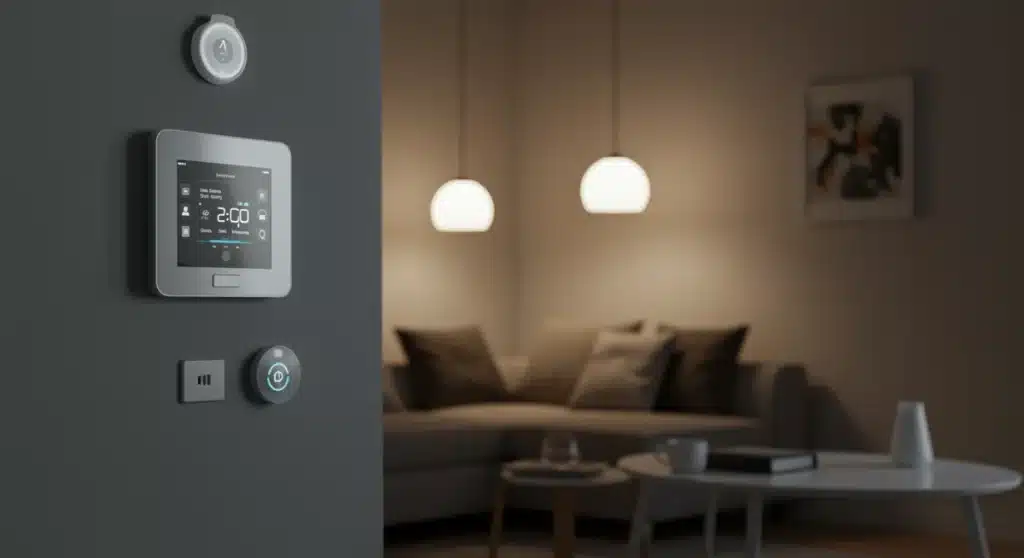
The emergence of robust, unified control platforms is central to this trend. These platforms act as the central nervous system of the smart home, allowing users to manage all their connected devices from a single interface, regardless of brand.
- Matter and Thread Adoption: Widespread adoption of protocols like Matter and Thread ensures devices speak a common language, simplifying setup and enhancing reliability.
- Personalized Dashboards: Customizable dashboards allow users to prioritize and arrange controls for their most used devices and scenes, offering quick access.
- Voice Assistant Enhancement: Voice assistants become even more powerful, capable of orchestrating complex multi-device actions with natural language commands.
The goal is to move towards an invisible technology, where the underlying complexity of device communication is completely hidden from the user. This means less troubleshooting and more time enjoying the benefits of a truly integrated smart home, where every component works in harmony to deliver a personalized and comfortable environment.
Proactive Wellness and Health Monitoring Systems
Beyond convenience, smart homes in 2026 are increasingly focusing on proactive wellness and health monitoring, transforming living spaces into active participants in our well-being. This trend leverages advanced sensors and AI to monitor environmental factors and even residents’ vital signs, providing insights and making adjustments to optimize health outcomes. It’s about creating a living environment that not only reacts to our needs but actively contributes to our physical and mental health.
Consider a home that tracks air quality, humidity levels, and even sleep patterns, then automatically adjusts ventilation, humidifiers, or lighting to improve conditions. These systems can detect potential issues like mold growth, poor air circulation, or unusual sleep disturbances and offer proactive solutions or alerts. This integration of health data with home automation moves us towards a truly preventative and supportive living experience.
Environmental Health Optimization
Environmental sensors are becoming more sophisticated, monitoring a wider array of metrics that impact health.
- Advanced Air Quality: Sensors detect not just CO2 but also VOCs (Volatile Organic Compounds), pollen, and particulate matter, triggering air purifiers or ventilation.
- Light Therapy Integration: Dynamic lighting systems can mimic natural daylight cycles to improve mood, energy levels, and sleep quality.
- Noise Cancellation: Integrated systems can actively reduce ambient noise pollution, creating quieter and more peaceful indoor environments.
Furthermore, discreet, non-invasive sensors can monitor activity levels, fall detection, and even subtle changes in behavior that might indicate health concerns, especially for elderly residents. This data, anonymized and secured, can provide peace of mind and potentially life-saving early warnings, all while maintaining privacy as a top priority. The smart home becomes a silent guardian, constantly working to ensure the health and safety of its occupants.
Sustainable and Energy-Efficient Automation
As environmental consciousness grows, sustainable and energy-efficient automation is no longer a niche feature but a core expectation for smart homes in 2026. Consumers are demanding systems that not only provide comfort but also contribute to a greener planet and lower utility bills. This trend sees smart homes becoming intelligent energy managers, optimizing consumption across all devices and integrating with renewable energy sources.
This includes sophisticated energy monitoring that identifies waste, automated scheduling for high-consumption appliances during off-peak hours, and intelligent climate control that learns to minimize energy use without sacrificing comfort. The smart home acts as a personal energy consultant, constantly seeking ways to reduce its environmental footprint and operational costs, appealing to both eco-conscious homeowners and those looking for long-term savings.
Intelligent Energy Management Systems
These systems go beyond simple timers, leveraging AI and real-time data to make smart energy decisions.
- Dynamic Load Balancing: Automatically distributes power usage to avoid peak demand charges and maximize efficiency.
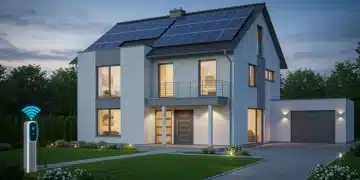
- Renewable Energy Integration: Seamlessly manages power flow from solar panels or home batteries, optimizing self-consumption and grid interaction.
- Waste Detection: Identifies devices drawing phantom power or operating inefficiently, suggesting corrective actions or automating power-offs.
The integration of smart home technology with local energy grids is also advancing, allowing homes to participate in demand response programs, further contributing to grid stability and benefiting homeowners through incentives. This holistic approach to energy management positions the smart home as a key player in the transition to a more sustainable future, proving that comfort and environmental responsibility can indeed go hand-in-hand.
Enhanced Security and Privacy Protocols
With greater connectivity and data collection comes an amplified need for enhanced security and privacy protocols, a critical trend defining smart home experiences in 2026. As homes become increasingly intelligent and interconnected, the safeguarding of personal data and protection against cyber threats are paramount. Consumers are becoming more discerning, demanding robust encryption, transparent data policies, and user-centric control over their information.
Smart home manufacturers are responding by implementing advanced cybersecurity measures, including end-to-end encryption, multi-factor authentication, and regular security updates. Furthermore, the focus is shifting towards empowering users with granular control over their data, allowing them to understand what information is collected, how it’s used, and the ability to opt-out or delete it. This builds trust and ensures that the convenience of smart technology doesn’t come at the cost of personal security.
Fortifying the Digital Home Perimeter
The strategies for securing smart homes are evolving to match the sophistication of potential threats.
- Biometric Authentication: Facial recognition and fingerprint scanning are becoming standard for accessing sensitive controls and data.
- Decentralized Data Processing: More data processing occurs on local devices rather than in the cloud, reducing vulnerability to large-scale breaches.
- AI-Powered Threat Detection: AI monitors network traffic for unusual patterns, identifying and neutralizing potential cyber threats in real-time.
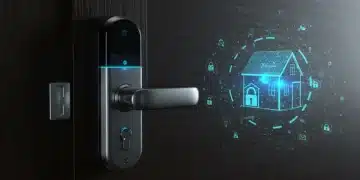
Beyond digital security, physical security is also being integrated more intelligently. Smart locks, cameras, and motion sensors work in concert with AI to provide proactive alerts and even differentiate between familiar faces and potential intruders. The emphasis is on creating a layered security approach that protects both the digital and physical aspects of the home, ensuring peace of mind for residents in an increasingly connected world.
The Future is Now: Integrating Smart Home Innovations
The convergence of these trends paints a clear picture of the smart home in 2026: a truly intelligent, responsive, and deeply personalized living space. Integrating AI-driven hyper-personalization, seamless multi-device interoperability, proactive wellness systems, and sustainable automation will redefine what it means to experience comfort and convenience. The future isn’t just about individual smart devices; it’s about a cohesive ecosystem that understands, anticipates, and adapts to our every need, making our homes more intuitive, efficient, and enjoyable than ever before.
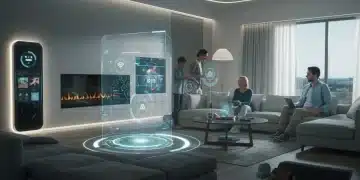
This holistic approach means that every aspect of the home, from lighting and temperature to entertainment and security, works in concert to create an optimal environment tailored to each resident. The technology will become increasingly invisible, operating in the background to enhance daily life without demanding constant attention or complex interactions. This shift represents a significant leap forward, transforming houses into truly intelligent homes that proactively contribute to our well-being and simplify our lives.
| Key Trend | Brief Description |
|---|---|
| AI-Driven Hyper-Personalization | Homes learn and anticipate individual preferences, adjusting environments proactively. |
| Seamless Multi-Device Integration | Devices from various brands communicate effortlessly, creating unified systems. |
| Proactive Wellness & Health | Smart homes monitor and optimize environmental factors for occupant well-being. |
| Sustainable Automation | Intelligent energy management for reduced consumption and environmental impact. |
Frequently Asked Questions About Smart Home Trends
By 2026, AI will learn your routines, preferences, and even mood to proactively adjust lighting, temperature, and entertainment. This creates an environment that anticipates your needs, optimizing comfort and convenience without constant manual input, making your home truly intuitive and responsive to your unique lifestyle.
Seamless multi-device integration means all your smart devices, regardless of brand, will communicate and work together effortlessly. This eliminates the need for multiple apps and complex setups, allowing for unified control and the creation of sophisticated, interconnected routines that enhance your overall smart home experience.
Smart homes in 2026 will feature proactive wellness systems that monitor environmental factors like air quality, light, and even sleep patterns. They will automatically adjust conditions to optimize your health, provide insights, and offer alerts, turning your living space into an active partner in maintaining your physical and mental well-being.
Absolutely. Sustainable and energy-efficient automation is a major trend. Smart homes will intelligently manage energy consumption, integrate with renewable sources, and optimize appliance usage to reduce environmental impact and lower utility bills. This makes smart living both eco-friendly and cost-effective for homeowners.
Smart home security and privacy are being significantly enhanced with robust encryption, multi-factor authentication, and AI-powered threat detection. Users will also have greater control over their data with transparent policies. This layered approach ensures both digital and physical protection, fostering trust in connected living environments.
Conclusion
The journey towards truly personalized comfort in smart homes is accelerating, with 2026 marking a pivotal year for innovation. The convergence of AI-driven personalization, seamless integration, proactive wellness, and sustainable practices is transforming our living spaces into intelligent ecosystems that anticipate and cater to our every need. These advancements promise not just convenience, but a profound enhancement of our daily lives, making homes more intuitive, responsive, and deeply personal. As technology continues to evolve, our homes will become extensions of ourselves, offering unparalleled comfort and efficiency while fostering a healthier, more secure, and sustainable future.