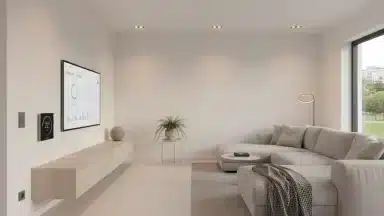
By 2026, sustainable smart homes in the U.S. will integrate advanced green technologies and smart automation to create highly energy-efficient and eco-friendly living spaces, driven by consumer demand and technological innovation.
The future of residential living in the United States is rapidly converging with environmental consciousness, establishing the rise of sustainable smart homes. As we approach 2026, homeowners are increasingly seeking innovative solutions that not only offer convenience and connectivity but also significantly reduce their ecological footprint. This shift is powered by advancements in green technology and a growing awareness of climate change, transforming how U.S. residences are designed, built, and operated.
the evolution of green building standards
Green building standards have moved beyond niche concepts to become mainstream considerations in U.S. residential construction. By 2026, these standards are not just about energy efficiency; they encompass a holistic approach to sustainability, impacting everything from material sourcing to water management and indoor air quality. This evolution is driven by both regulatory push and consumer pull, with certifications like LEED and Passive House becoming more common benchmarks for sustainable design.
The emphasis has shifted towards creating homes that are not only efficient but also resilient and healthy for their occupants. This includes integrating smart technologies that monitor and optimize various aspects of a home’s environmental performance, ensuring continuous improvement and adaptability.
advanced material innovation
The selection of building materials plays a crucial role in a home’s sustainability profile. In 2026, we are seeing a significant rise in demand for innovative, eco-friendly materials that offer superior performance with minimal environmental impact.
- Recycled content materials: From recycled steel to reclaimed wood and plastics, these materials reduce waste and the demand for virgin resources.
- Low-VOC paints and finishes: Essential for maintaining healthy indoor air quality, these products minimize the release of harmful volatile organic compounds.
- Insulation advancements: New insulation types, such as aerogel and vacuum insulated panels, offer vastly improved thermal performance, reducing heating and cooling loads.
- Modular and prefabricated components: These construction methods reduce on-site waste and improve efficiency, often utilizing sustainable materials in controlled factory environments.
These material innovations are making it easier and more cost-effective for builders to construct homes that meet stringent green building requirements, paving the way for truly sustainable living spaces. The focus is on durability, recyclability, and a low embodied carbon footprint throughout the material lifecycle.
energy independence through smart grids and solar integration
Achieving energy independence is a cornerstone of sustainable smart homes in 2026. This goes beyond simply installing solar panels; it involves a comprehensive strategy that integrates renewable energy generation with intelligent energy management systems and participation in smart grids. This approach allows homes to not only produce their own power but also optimize its consumption and even contribute to the wider energy network.
The synergy between solar photovoltaic (PV) systems, advanced battery storage, and smart home energy management platforms is creating a new paradigm for residential energy use. Homes can now store excess solar energy for use during peak demand or at night, significantly reducing reliance on grid power.
the rise of smart grid connectivity
Smart grids are the backbone of future energy systems, enabling two-way communication between utilities and consumers. For sustainable smart homes, this means more than just receiving electricity; it means actively participating in energy markets and optimizing consumption based on real-time pricing and grid conditions.
- Demand response programs: Smart homes can automatically adjust energy use during peak times, earning incentives from utility companies.
- Virtual power plants (VPPs): Aggregations of distributed energy resources, like residential solar and storage, can act as a single power plant, providing services to the grid.
- Enhanced grid resilience: Local energy generation and storage improve reliability, especially during outages, as homes can operate in island mode.
This connectivity not only benefits individual homeowners through reduced energy bills and potential earnings but also contributes to a more stable, efficient, and sustainable national energy infrastructure. The ability for homes to intelligently interact with the grid is a significant leap towards widespread energy independence and decarbonization.
water conservation and smart irrigation systems
Water scarcity is a growing concern across many parts of the U.S., making water conservation a critical component of sustainable smart homes. By 2026, advanced technologies are enabling homeowners to significantly reduce water consumption both indoors and outdoors, often without sacrificing convenience or comfort. These solutions range from smart fixtures to sophisticated irrigation systems that respond to real-time environmental data.
The focus is on applying water precisely where and when it’s needed, eliminating waste, and promoting responsible usage. This not only lowers utility bills but also alleviates pressure on local water resources, contributing to long-term environmental health.
intelligent outdoor water management
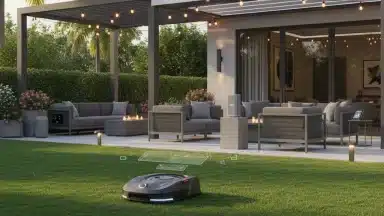
Outdoor landscaping often accounts for a significant portion of residential water use. Smart irrigation systems are revolutionizing this by taking the guesswork out of watering, ensuring plants receive optimal moisture without overwatering.
- Weather-based controllers: These systems automatically adjust watering schedules based on local weather forecasts, rain sensors, and soil moisture levels.
- Zone-specific watering: Different areas of a yard, with varying plant types and sun exposure, can be watered according to their specific needs.
- Leak detection: Advanced sensors can identify leaks in irrigation systems, preventing significant water loss and potential property damage.
Indoors, low-flow fixtures, smart leak detectors, and gray water recycling systems are becoming more prevalent. These technologies provide homeowners with granular control and insights into their water consumption, empowering them to make more sustainable choices and conserve this precious resource effectively.
air quality and climate control innovations
Indoor air quality (IAQ) and efficient climate control are paramount in sustainable smart homes of 2026. With people spending a significant portion of their lives indoors, ensuring a healthy and comfortable internal environment is not just a luxury but a necessity. Smart home systems are now capable of precisely monitoring and managing IAQ, while optimizing heating, ventilation, and air conditioning (HVAC) for both comfort and energy savings.
These innovations go beyond simple temperature adjustments, creating responsive environments that adapt to occupancy, external conditions, and even individual preferences, all while minimizing energy waste.
intelligent HVAC and air purification
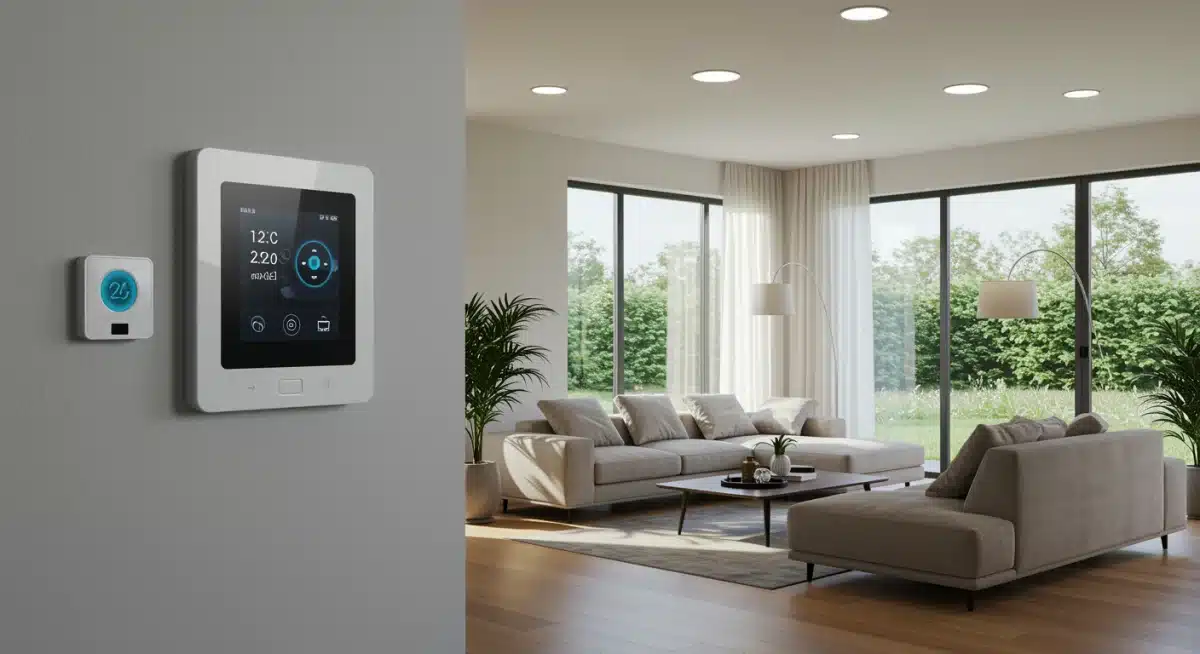
Modern HVAC systems in sustainable smart homes are far more sophisticated than their predecessors. They integrate seamlessly with smart thermostats and environmental sensors to provide unparalleled control and efficiency.
- Zoned heating and cooling: Allows different areas of the home to be controlled independently, preventing energy waste in unoccupied rooms.
- Predictive climate control: Systems learn homeowner preferences and anticipate needs, pre-heating or cooling based on schedules and external weather data.
- Integrated air purification: HEPA filters, UV-C light, and other advanced purification technologies are built directly into HVAC systems, removing allergens, pollutants, and pathogens.
- Ventilation with heat recovery: Heat Recovery Ventilators (HRVs) and Energy Recovery Ventilators (ERVs) bring in fresh air while retaining indoor heat or coolness, improving IAQ without significant energy loss.
These integrated systems ensure that the air homeowners breathe is clean and healthy, while their homes maintain optimal temperatures with minimal energy expenditure. The combination of smart sensors and adaptive algorithms makes truly personalized and efficient climate management a reality.
smart appliances and waste reduction strategies
The concept of smart appliances has evolved significantly, moving beyond mere connectivity to actively contribute to the sustainability goals of a smart home. By 2026, these appliances are designed not only for convenience but also for maximizing energy efficiency and minimizing waste. They leverage AI and machine learning to optimize their operations, reducing resource consumption and extending their lifespan.
Furthermore, sustainable smart homes are incorporating advanced waste reduction strategies, from intelligent recycling systems to composting solutions, making it easier for residents to manage their household waste responsibly.
eco-conscious kitchen and laundry
Kitchens and laundry rooms are often major energy and water consumers. Smart appliances in these areas are leading the charge in efficiency.
- Smart refrigerators: With internal cameras and inventory tracking, they help reduce food waste by reminding users of expiring items and suggesting recipes.
- Energy-efficient dishwashers: Sensor-driven cycles optimize water and energy use based on load size and soil level.
- Connected washing machines and dryers: These appliances use sensors to detect load size and fabric type, adjusting water levels and drying times accordingly, and can be programmed to run during off-peak energy hours.
- Composting and smart recycling bins: Integrated systems facilitate easier separation of waste and can even alert residents when bins are full or need to be emptied.
These intelligent appliances and waste management systems empower homeowners to make more sustainable choices in their daily routines, significantly reducing their environmental impact and contributing to a greener household economy.
the future of sustainable smart home integration
The true power of sustainable smart homes in 2026 lies not just in individual smart devices, but in their seamless integration into a cohesive, intelligent ecosystem. This integration creates a synergistic effect, where different systems communicate and collaborate to achieve optimal efficiency, comfort, and sustainability. The focus is on creating a truly autonomous and responsive living environment that anticipates needs and adapts proactively.
This interconnectedness extends beyond the home, linking to broader community initiatives and utility services, creating a more resilient and sustainable urban fabric. The future is about more than just smart devices; it’s about smart living.
artificial intelligence and machine learning at home
Artificial intelligence (AI) and machine learning (ML) are the brains behind this advanced integration. They allow smart home systems to learn from user behavior, environmental data, and external factors to make intelligent decisions without constant human intervention.
- Predictive maintenance: AI can monitor appliance performance and predict potential failures, scheduling maintenance before issues arise, extending product life.
- Personalized automation: Systems learn individual preferences for lighting, temperature, and entertainment, creating tailored experiences.
- Energy optimization: ML algorithms continuously analyze energy consumption patterns and adjust systems (HVAC, lighting, appliances) to minimize waste and cost.
- Adaptive security: AI-powered security systems can differentiate between normal activity and potential threats, reducing false alarms and improving responsiveness.
The integration of AI and ML transforms a collection of smart devices into a truly intelligent home assistant, constantly working to enhance sustainability, efficiency, and the overall quality of life for its occupants. This level of sophisticated automation is what truly defines the sustainable smart homes of 2026 and beyond.
| Key Trend | Brief Description |
|---|---|
| Green Building Standards | Holistic approach to sustainable construction, emphasizing eco-friendly materials and resilient design. |
| Energy Independence | Integration of solar PV, battery storage, and smart grid connectivity for optimized energy use. |
| Water Conservation | Smart irrigation, low-flow fixtures, and leak detection systems reduce water consumption. |
| Smart Home Integration | AI and ML powered systems create cohesive, autonomous, and responsive living environments. |
Frequently Asked Questions About Sustainable Smart Homes
A sustainable smart home in 2026 is defined by its integration of green technologies for energy efficiency, water conservation, and healthy indoor environments, all managed by intelligent automation systems. It prioritizes eco-friendly materials and aims for reduced environmental impact throughout its lifecycle, offering both convenience and ecological responsibility.
Smart grids allow sustainable homes to optimize energy consumption by interacting with utility companies in real-time. This enables participation in demand response programs, use of virtual power plants, and improved grid resilience. Homes can automatically adjust energy use during peak times, potentially earning incentives and enhancing overall energy independence.
AI and machine learning are central to sustainable smart home integration. They learn user behaviors and environmental data to make intelligent decisions, enabling predictive maintenance, personalized automation, and continuous energy optimization. This transforms individual devices into a cohesive, responsive system that enhances efficiency and quality of life.
While initial investment in sustainable smart home technologies can be higher, long-term savings on energy and water bills, coupled with potential government incentives and increasing market competition, are making them more accessible. The return on investment through reduced operational costs often offsets the upfront expense, making them increasingly viable for average U.S. consumers.
Improved indoor air quality in smart homes offers significant health benefits, including reduced exposure to allergens, pollutants, and pathogens. Smart HVAC systems with integrated purification and heat recovery ventilation ensure a healthier living environment, contributing to better respiratory health, reduced allergy symptoms, and overall enhanced well-being for occupants.
conclusion
The trajectory for U.S. residences by 2026 clearly points towards a future dominated by sustainable smart homes. The convergence of advanced green technologies, intelligent automation, and a heightened environmental consciousness is redefining what it means to live comfortably and responsibly. From energy independence and water conservation to superior indoor air quality and waste reduction, these homes are not just technologically advanced; they are designed to harmonize with the planet. As innovation continues and accessibility grows, sustainable smart homes will become the standard, offering a blueprint for a greener, more efficient, and healthier way of living across the nation.