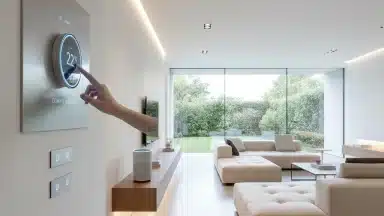
Maximizing Smart Appliance Efficiency: Reduce Utility Bills by an Average of $25 per Month in the U.S.
In an era where technology seamlessly integrates into every facet of our lives, our homes are no exception. The rise of smart appliances has revolutionized not just convenience but also the potential for significant financial savings. For many U.S. households, the promise of reducing utility bills by an average of $25 per month is a compelling reason to explore the world of smart appliance efficiency. This isn’t just about having a refrigerator that tells you when you’re out of milk; it’s about a holistic approach to energy management that puts money back in your pocket.
The average American household spends a substantial portion of its budget on utilities. Electricity, gas, and water bills can quickly add up, especially with older, less efficient appliances. Smart appliances, designed with energy conservation at their core, offer a powerful solution. By leveraging advanced technology, these devices can optimize their performance, reduce waste, and provide users with unprecedented control over their energy consumption. This comprehensive guide will delve into how smart appliance efficiency works, the specific savings you can expect, and practical steps to integrate these technologies into your home for maximum financial benefit.
The Financial Impact of Smart Appliance Efficiency: Decoding the $25 Monthly Saving
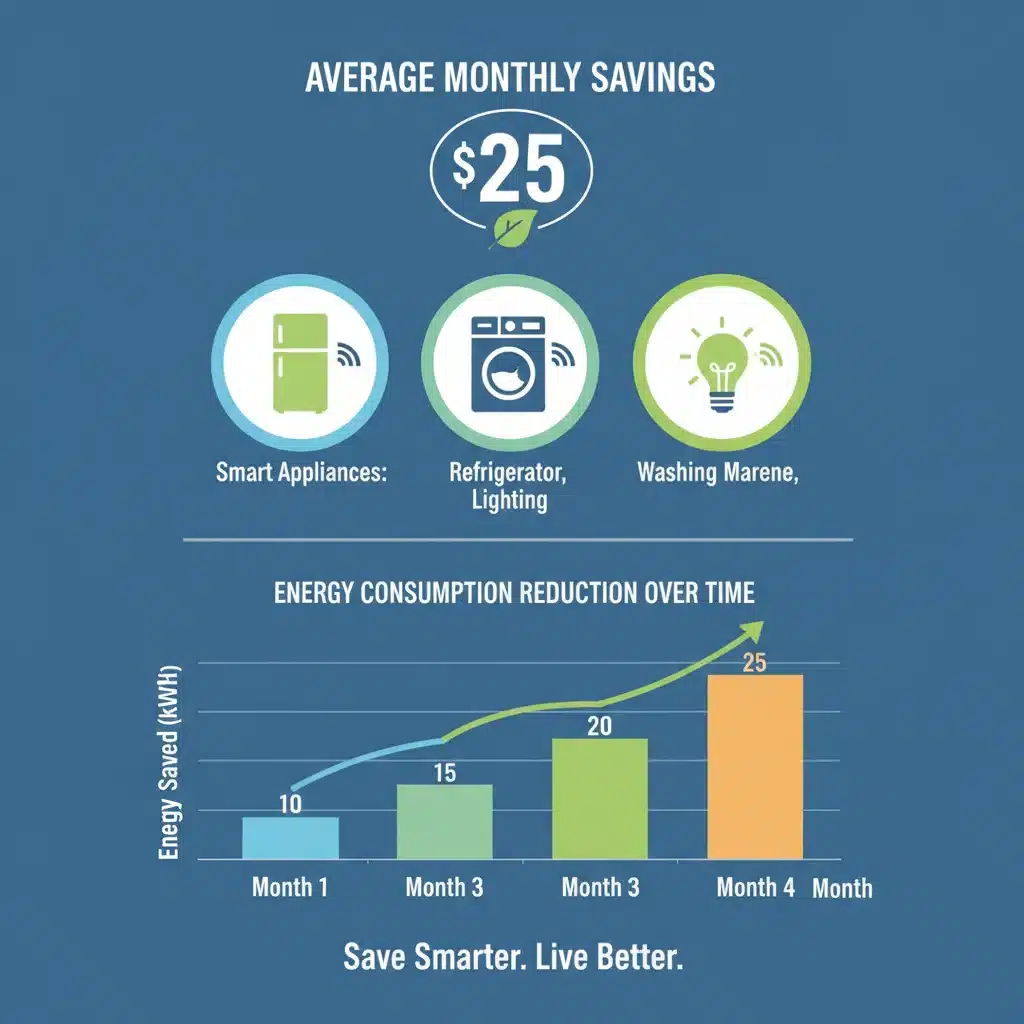
The figure of $25 per month isn’t pulled from thin air; it’s an estimate based on various studies and real-world data reflecting the impact of adopting smart home technologies and energy-efficient practices. This saving can fluctuate based on factors like your geographic location, climate, existing energy consumption habits, and the specific smart appliances you integrate. However, it serves as a powerful benchmark for the tangible benefits of smart appliance efficiency.
Where Do These Savings Come From?
- Optimized Energy Usage: A smart thermostat, for instance, can learn your schedule and preferences, adjusting temperatures to save energy when you’re away or asleep without sacrificing comfort.
- Reduced Standby Power: Many traditional appliances consume power even when not in active use (phantom load). Smart plugs and power strips can cut power to devices entirely when they’re not needed, eliminating this wasted energy.
- Automated Scheduling: Smart washing machines and dishwashers can be programmed to run during off-peak hours when electricity rates are lower, leading to direct cost savings.
- Real-time Monitoring: Knowledge is power, and smart appliances provide detailed insights into your energy consumption. This allows you to identify energy vampires and adjust your habits accordingly.
- Proactive Maintenance: Some smart appliances can alert you to potential issues before they become major problems, preventing costly repairs or inefficient operation due to malfunctions.
Consider a typical U.S. household. Lighting, heating/cooling, and water heating are often the largest energy consumers. Smart lighting systems, smart thermostats, and smart water heaters directly target these areas, offering substantial opportunities for reduction. When you combine these with smart kitchen appliances and smart laundry systems, the cumulative effect can easily reach or exceed the $25 monthly saving benchmark, contributing significantly to your annual household budget.
Key Smart Appliances Driving Energy Savings
Understanding which smart appliances offer the most significant return on investment is crucial for maximizing smart appliance efficiency. Here’s a breakdown of the top contenders:
Smart Thermostats: The Climate Controllers
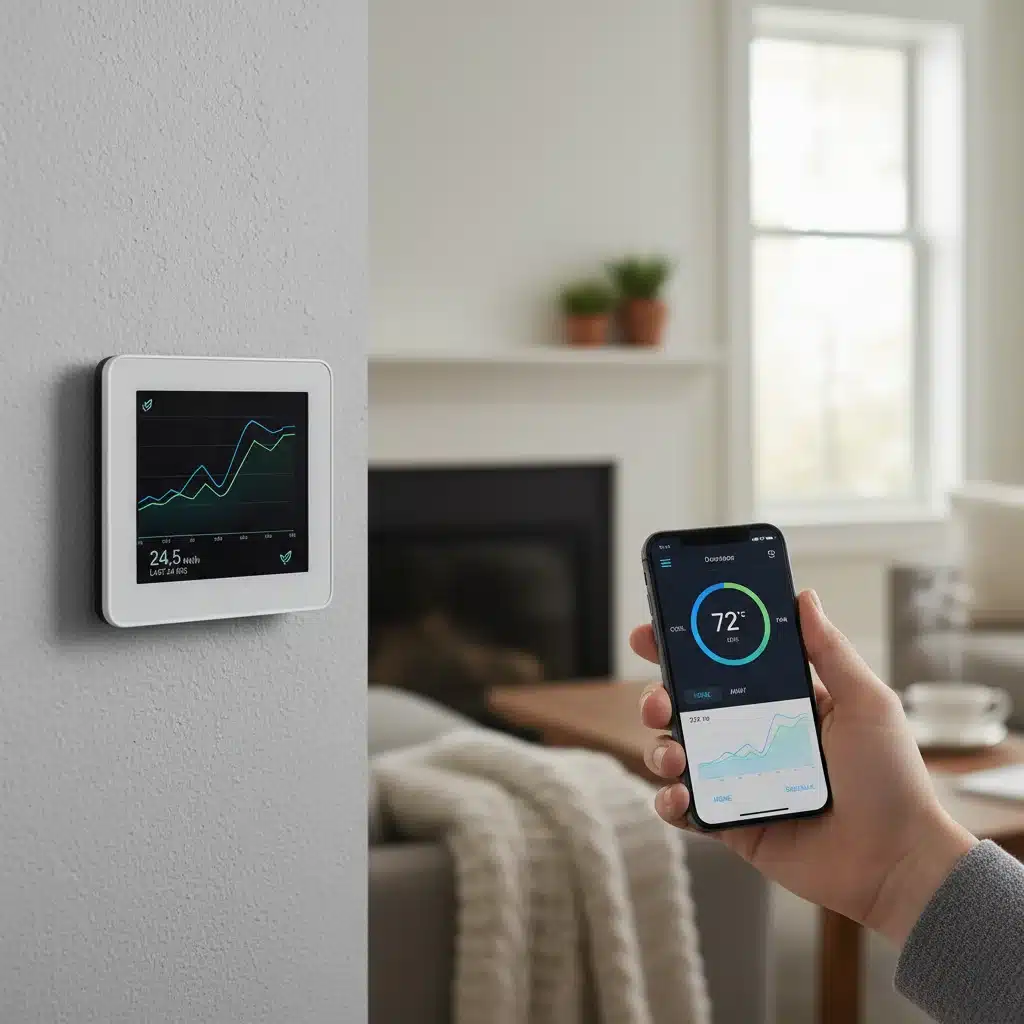
Smart thermostats like Nest, Ecobee, and Honeywell Home are often the first step for many homeowners looking to reduce energy consumption. They go beyond simple programmable thermostats by learning your routine, sensing when you’re home or away, and even integrating with weather forecasts to optimize heating and cooling. Some can be controlled remotely via smartphone apps, allowing you to adjust settings from anywhere, preventing you from heating or cooling an empty house. The EPA estimates that homeowners can save an average of 10-12% on heating and 15% on cooling with a smart thermostat, translating to significant dollar savings annually.
Smart Lighting: Illuminating Savings
Smart bulbs and lighting systems (e.g., Philips Hue, Lutron Caseta) offer unparalleled control over your home’s illumination. Features like dimming capabilities, scheduling, motion sensors, and remote access mean you only use light when and where it’s needed. LED smart bulbs are inherently more energy-efficient than traditional incandescent bulbs, consuming up to 80% less energy. When combined with smart controls, the savings multiply. Imagine lights turning off automatically when you leave a room or dimming gradually as bedtime approaches, all contributing to lower electricity bills.
Smart Plugs and Power Strips: Eliminating Phantom Load
These simple yet effective devices can turn any ordinary appliance into a smart one. Smart plugs allow you to remotely control power to devices, set schedules, and monitor energy usage. This is particularly useful for combating “vampire drain” or “phantom load,” where electronics continue to draw power even when turned off. Think of your TV, computer monitors, or phone chargers. By automatically cutting power to these devices when not in use, smart plugs contribute directly to smart appliance efficiency and noticeable energy savings.
Smart Appliances for the Kitchen and Laundry Room
- Smart Refrigerators: Newer models often include features like energy-saving modes, door-open alerts, and even internal cameras to check contents without opening the door, all contributing to reduced energy consumption.
- Smart Dishwashers: Many smart dishwashers can detect soil levels and adjust water and energy usage accordingly. Some can also be programmed to run during off-peak hours, leveraging lower electricity rates.
- Smart Washing Machines and Dryers: These appliances can optimize water levels, spin speeds, and drying times based on load size and fabric type. Some can even communicate with the utility grid to run cycles when energy demand (and cost) is lowest.
Implementing Smart Appliance Efficiency: A Step-by-Step Guide
Transitioning to a smart, energy-efficient home doesn’t have to be overwhelming. Here’s a practical guide to get you started:
1. Assess Your Current Energy Usage
Before you make any changes, understand where your energy is currently going. Review past utility bills to identify peak usage times and high-consumption months. Consider investing in a whole-home energy monitor or using the energy monitoring features on smart plugs to pinpoint energy-hungry devices.
2. Prioritize High-Impact Appliances
Start with the appliances that consume the most energy or offer the quickest return on investment. As discussed, smart thermostats and lighting are excellent starting points. Replacing an old, inefficient refrigerator or washing machine with a smart, ENERGY STAR-certified model can also yield significant savings.
3. Choose Compatible Smart Home Ecosystems
Decide on a smart home platform (e.g., Amazon Alexa, Google Home, Apple HomeKit, Samsung SmartThings) and try to stick to devices compatible with your chosen ecosystem. This ensures seamless integration and easier management of your smart appliances, enhancing overall smart appliance efficiency.
4. Install and Configure Smart Devices
Follow the manufacturer’s instructions for installation. Most smart devices are designed for easy setup, often involving a smartphone app. Take the time to configure schedules, routines, and preferences to maximize energy savings. For example, set your smart thermostat to adjust when you leave for work and return.
5. Leverage Automation and Routines
The true power of smart appliance efficiency lies in automation. Set up routines like “Good Morning” to gradually turn on lights and adjust the thermostat, or “Good Night” to turn off all lights, lower the thermostat, and power down entertainment systems. Many platforms allow for geofencing, where your home responds to your proximity (e.g., turning on AC as you approach home).
6. Monitor and Adjust
Smart home apps often provide detailed energy consumption reports. Regularly review these reports to understand your usage patterns and identify further opportunities for savings. Tweak your schedules and settings as your lifestyle changes to maintain optimal smart appliance efficiency.
Beyond the $25: Additional Benefits of Smart Appliance Efficiency
While financial savings are a primary motivator, the benefits of smart appliance efficiency extend far beyond reducing your utility bills:
- Enhanced Convenience: Control your home’s environment from anywhere, automate mundane tasks, and enjoy a more comfortable living space.
- Increased Home Value: Homes equipped with smart technology are often more attractive to potential buyers, potentially increasing resale value.
- Improved Safety and Security: Smart lighting can deter intruders, smart smoke detectors can alert you remotely, and smart locks offer enhanced security features.
- Environmental Impact: By reducing your energy consumption, you’re also lowering your carbon footprint, contributing to a more sustainable planet.
- Peace of Mind: Knowing your home is operating efficiently and securely, even when you’re away, provides invaluable peace of mind.
The integration of smart appliance efficiency into your home is an investment in both your financial future and your quality of life. The average $25 monthly saving is just the beginning of the value these technologies bring.
Common Pitfalls and How to Avoid Them
While the path to smart appliance efficiency is rewarding, there are a few potential roadblocks to be aware of:
- Overspending on Unnecessary Gadgets: It’s easy to get carried away with the latest smart gadgets. Focus on appliances that address your biggest energy drains first.
- Compatibility Issues: Ensure all your smart devices can communicate with each other or with your chosen smart home hub. Research compatibility before purchasing.
- Ignoring Data and Analytics: Smart devices provide valuable data. Don’t just set them up and forget them; actively use the insights to refine your energy-saving strategies.
- Underestimating Installation Complexity: While many devices are plug-and-play, some (like smart thermostats or complex lighting systems) might require basic electrical knowledge or professional installation.
- Security Concerns: Ensure your smart home network is secure with strong passwords and up-to-date firmware to protect against cyber threats.
By being mindful of these potential issues, you can ensure a smoother transition to a smart, energy-efficient home and fully realize the benefits of smart appliance efficiency.
Future Trends in Smart Appliance Efficiency
The world of smart home technology is constantly evolving. Looking ahead, we can expect even greater advancements that will further enhance smart appliance efficiency:
- AI and Machine Learning: Appliances will become even more intelligent, predicting your needs and optimizing energy usage with greater accuracy without explicit programming.
- Grid Integration: Smart appliances will increasingly communicate directly with the energy grid, automatically adjusting consumption based on real-time energy prices and supply, participating in demand-response programs.
- Enhanced Sensor Technology: More sophisticated sensors will provide granular data on environmental conditions and appliance performance, leading to even more precise energy management.
- Sustainable Materials and Manufacturing: The focus will not only be on operational efficiency but also on the entire lifecycle of smart appliances, from production to disposal.
- Seamless Interoperability: As standards evolve, different smart home ecosystems will become more compatible, simplifying setup and management for consumers.
These future trends promise to make smart appliance efficiency even more accessible, effective, and integral to sustainable living.
Conclusion: Embrace Smart Appliance Efficiency for a Smarter Wallet and a Greener Home
The journey towards maximizing smart appliance efficiency is a rewarding one, offering tangible financial benefits, enhanced convenience, and a positive environmental impact. The average saving of $25 per month on utility bills for U.S. households is a compelling incentive, but it’s just one piece of the larger picture. By strategically integrating smart thermostats, lighting, plugs, and major appliances into your home, you gain unprecedented control over your energy consumption, transforming your living space into a hub of efficiency.
Start small, prioritize your needs, and gradually build your smart home ecosystem. Monitor your progress, adjust your settings, and enjoy the peace of mind that comes with a home that works smarter, not harder. Embracing smart appliance efficiency isn’t just about adopting new technology; it’s about making a conscious choice for a more economical, comfortable, and sustainable lifestyle. The future of home living is smart, efficient, and waiting for you to unlock its full potential.