In an increasingly interconnected world, where every aspect of our lives is touched by technology, the concept of a ‘smart home’ has evolved far beyond mere convenience. What began with automated lighting and voice-controlled assistants has transformed into a sophisticated ecosystem designed to enhance comfort, efficiency, and, most critically, safety. As we step into 2026, the discussion around smart home technology is no longer just about turning off your lights from your phone; it’s about how these intelligent systems can fundamentally change how we interact with, and are protected by, local emergency services. The integration of smart home devices with emergency response systems is not just a futuristic concept; it’s a rapidly developing reality that promises to deliver faster, more precise, and ultimately more life-saving interventions.
The potential of smart home emergency integration is immense. Imagine a scenario where a smoke detector not only blares an alarm but also automatically alerts the fire department, provides them with a floor plan of your home, and unlocks your doors for easier access. Or a medical alert system that detects a fall and not only notifies family members but also dispatches paramedics with your medical history already in hand. This level of seamless communication and automated response is the cornerstone of the next generation of home safety. This comprehensive guide will delve into the cutting-edge advancements, practical solutions, and recent updates that are shaping the landscape of smart home emergency integration in 2026, offering insights into how you can leverage these technologies to secure your home and loved ones.
The Evolution of Smart Home Safety: From Basic Alarms to Intelligent Networks
For decades, home security systems primarily relied on simple alarms and direct lines to private monitoring centers. While effective to a degree, these systems often suffered from delays. Human intervention was always a bottleneck, whether it was a neighbor calling 911 after hearing an alarm, or a monitoring center operator attempting to verify a triggered sensor before dispatching help. The advent of the internet and the Internet of Things (IoT) has dramatically shifted this paradigm. Smart devices, equipped with sensors, cameras, and connectivity, are now capable of far more than just detecting an anomaly; they can interpret, communicate, and initiate action autonomously.
The journey towards robust smart home emergency integration has been incremental. Early smart home security systems offered remote monitoring and smartphone alerts. Then came integration with voice assistants, allowing users to arm and disarm systems with commands. The current phase, and the focus for 2026, involves direct, intelligent communication channels between smart home devices and public safety answering points (PSAPs) or emergency dispatch centers. This isn’t just about sending a text message; it’s about providing rich, contextual data that enables emergency responders to make informed decisions before even arriving on the scene, thereby significantly reducing response times and improving outcomes.
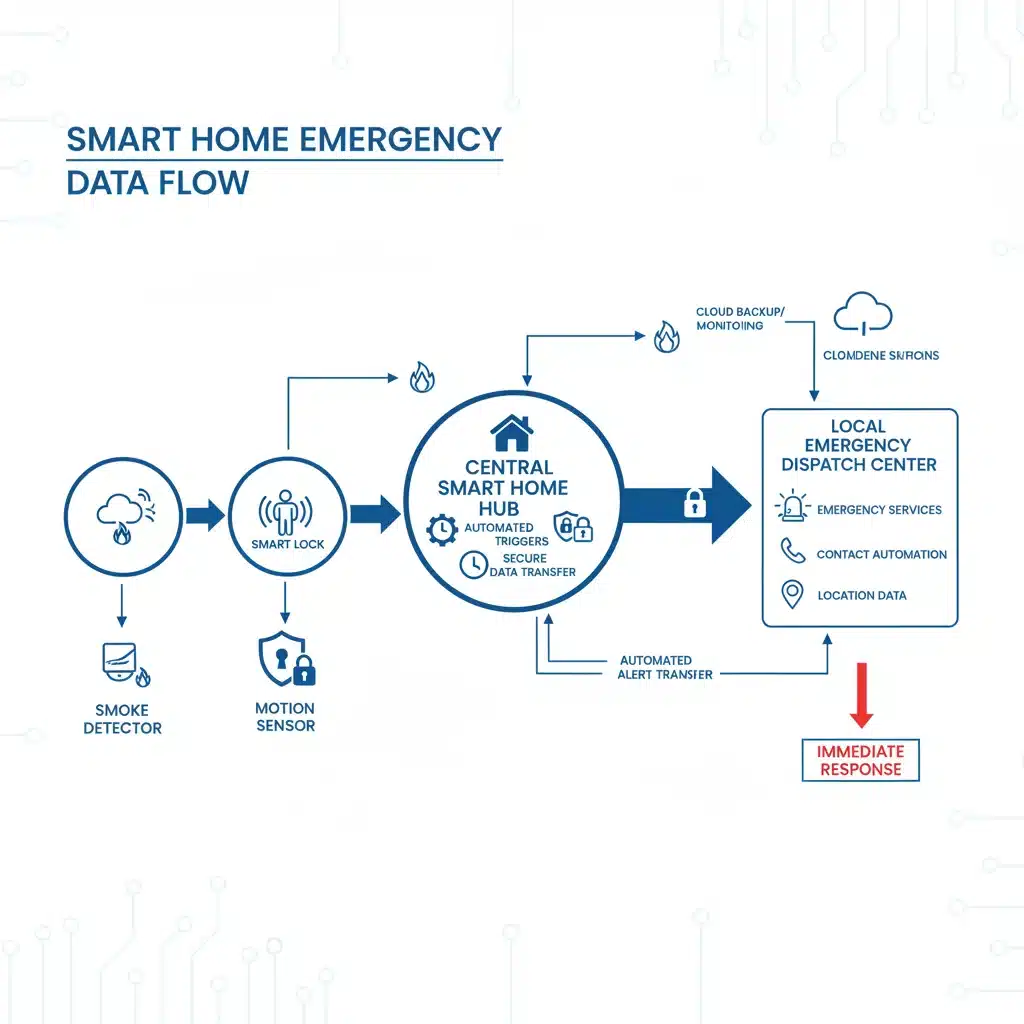
Consider the difference: a traditional fire alarm simply makes noise. A smart fire alarm, however, can detect smoke, identify the room it’s coming from, send a notification to your phone, activate smart lighting to illuminate exit paths, shut down HVAC systems to prevent smoke spread, and, most importantly, automatically alert the fire department with precise location data and even live camera feeds if available. This multi-faceted, intelligent response is what defines the future of smart home safety and is at the core of effective smart home emergency integration.
Key Technologies Driving Smart Home Emergency Integration in 2026
The landscape of smart home emergency integration is powered by several converging technologies, each playing a crucial role in creating a seamless and efficient response system. Understanding these components is key to appreciating the sophistication and potential of modern smart home safety.
Advanced Sensor Technology
Modern smart homes are brimming with sophisticated sensors. Beyond traditional door/window contacts and motion detectors, we now have:
- Smart Smoke and Carbon Monoxide Detectors: These devices not only detect hazards but can differentiate between smoke types, pinpoint the source, and communicate directly with emergency services.
- Water Leak Detectors: Preventing costly water damage, these sensors can also be critical in scenarios where a leak could cause electrical hazards or structural compromise, alerting homeowners and potentially emergency services for significant leaks.
- Fall Detection Sensors (Wearables and Ambient): Especially vital for elderly or vulnerable individuals, these sensors can automatically detect falls and trigger medical alerts.
- Glass Break Sensors and Vibration Sensors: Providing enhanced perimeter security by identifying forced entry attempts.
- Environmental Sensors: Monitoring temperature extremes, air quality, and even seismic activity in certain regions, which can be crucial for natural disaster preparedness and response.
These sensors collect a wealth of data, forming the backbone of any intelligent emergency system.
AI and Machine Learning for Contextual Awareness
Raw sensor data is valuable, but it’s the application of Artificial Intelligence (AI) and Machine Learning (ML) that transforms this data into actionable intelligence. AI algorithms can analyze patterns, distinguish between false alarms and genuine threats, and provide context to emergency responders. For instance, an AI-powered system can differentiate between a pet triggering a motion sensor and an actual intruder. It can also learn your daily routines, making it more adept at identifying unusual activity. In a medical emergency, AI could process vital signs from integrated health devices and provide a preliminary assessment to paramedics, significantly speeding up diagnosis and treatment upon arrival.
Interoperability and Open Standards
One of the biggest challenges in the early days of smart homes was the lack of interoperability between devices from different manufacturers. This created fragmented systems that couldn’t communicate effectively. In 2026, there’s a strong push towards open standards and protocols (like Matter, Thread, and Zigbee) that allow devices from various brands to work together seamlessly. This is crucial for smart home emergency integration, as it ensures that all relevant data can be aggregated and transmitted to emergency services, regardless of the device’s origin.
Enhanced Communication Protocols (NG911 and Beyond)
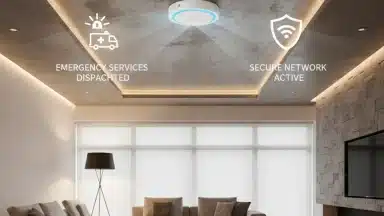
The evolution of emergency communication systems, particularly Next Generation 911 (NG911) in North America and similar initiatives globally, is a critical enabler. NG911 allows for the transmission of not just voice calls, but also text messages, images, videos, and real-time data to PSAPs. This means a smart home system can send a text alert with precise GPS coordinates, a short video clip of an intruder, or even a live feed from a smoke detector to the 911 dispatcher. This rich data empowers dispatchers to assess situations more accurately and dispatch the appropriate resources more quickly.
Practical Solutions for Integrating Smart Home Safety with Local Emergency Services
So, what does this all mean for the average homeowner? How can you practically implement smart home emergency integration to enhance your safety? Here are several key solutions and considerations:
1. Professional Monitoring Services with Smart Home Integration
While DIY smart home security is popular, professional monitoring services remain the gold standard for emergency response. Many leading security companies now offer smart home platforms that integrate with their monitoring centers. These systems often feature:
- Direct PSAP Connectivity: Alarms are routed directly to a central monitoring station, where trained operators can verify the event and dispatch emergency services.
- Enhanced Data Transmission: Modern systems can send detailed alerts, including sensor data, camera snapshots, and user-provided information (e.g., medical conditions, pet locations) to the monitoring center, who then relay it to 911.
- Rapid Response Protocols: These services often have established protocols and direct lines to emergency dispatchers, bypassing the general 911 queue and potentially saving crucial minutes.
When choosing a service, inquire about their integration capabilities with local emergency services and their data transmission protocols.
2. Smart Hubs and Gateways with Emergency Features
Many general-purpose smart home hubs (e.g., Apple HomeKit, Google Home, Amazon Alexa, Samsung SmartThings) are increasingly incorporating emergency features. While not always offering direct PSAP connectivity themselves (due to regulatory complexities), they can act as powerful aggregators of information and facilitate communication. Some hubs allow for:
- Automated Emergency Routines: You can set up routines that, upon detecting a fire or security breach, will flash lights, sound alarms, send notifications to designated contacts, and even automatically call a pre-programmed emergency number (though this still typically goes through standard 911).
- Integration with Third-Party Emergency Buttons/Services: Some hubs can integrate with dedicated emergency buttons or subscription services that offer more direct dispatch capabilities.
The key here is understanding the limitations of your hub’s direct emergency response capabilities and supplementing it with professional monitoring if direct PSAP connection is a priority.
3. Dedicated Smart Safety Devices
Beyond general smart home ecosystems, there are standalone smart safety devices specifically designed for emergency situations:
- Smart Medical Alert Systems: These systems often include wearable fall detectors, voice-activated emergency buttons, and direct two-way communication with monitoring centers that can dispatch paramedics.
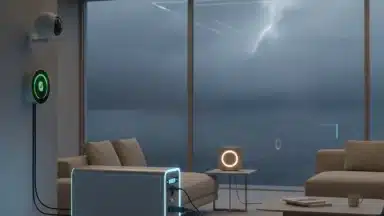
- Smart Home Security Systems with Cellular Backup: Essential for maintaining connectivity during power outages or internet disruptions, ensuring emergency signals are always sent.
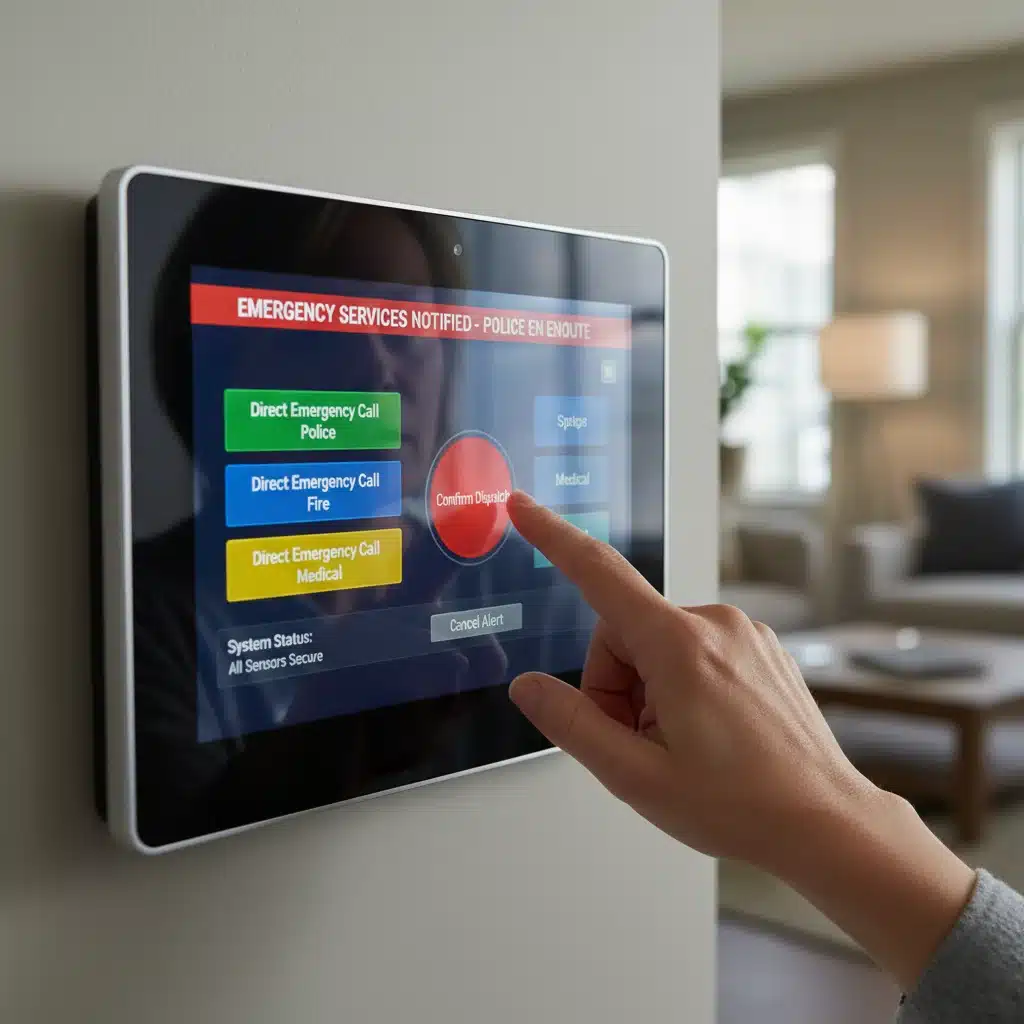
- Interactive Security Panels: Many modern security panels feature touchscreens that allow for direct communication with monitoring centers, visual verification of events, and even the ability to view live camera feeds, providing critical information during an emergency.
4. Data Sharing and Privacy Considerations
The ability to share rich data with emergency services raises important privacy questions. Homeowners need to be aware of what data is being collected, how it’s stored, and who has access to it. Reputable smart home and security providers prioritize data encryption and adhere to strict privacy policies. When setting up your system, always review privacy settings and understand the implications of sharing certain types of data (e.g., camera feeds) during an emergency. The balance between enhanced safety and personal privacy is a continuous discussion, and consumers should be empowered to make informed choices about their data.
Recent Updates and What to Expect in 2026
The pace of innovation in smart home technology is relentless. Here are some recent updates and trends shaping smart home emergency integration for 2026 and beyond:
Standardization Efforts (Matter Protocol)
The Matter protocol, backed by major tech companies, is gaining significant traction. Its goal is to create a unified, interoperable standard for smart home devices. This means that in the near future, devices from different manufacturers will be able to communicate seamlessly, which is a huge boon for emergency integration. Imagine a single platform that can aggregate data from all your smart sensors and transmit it efficiently to emergency services, regardless of brand. This will simplify setup, improve reliability, and accelerate the adoption of advanced safety features.
Enhanced AI for Predictive Safety
Beyond reactive responses, AI is moving towards predictive safety. This involves systems learning patterns and identifying potential risks before an incident occurs. For example, AI could analyze historical data from environmental sensors to predict the likelihood of a pipe burst, or use motion sensors and door/window contacts to detect unusual patterns that might indicate a potential break-in attempt, triggering pre-emptive alerts or enhanced surveillance.
Integration with Smart City Infrastructure
The vision for 2026 extends beyond individual homes to smart communities. Smart home emergency systems could eventually integrate with broader smart city infrastructure, allowing for even faster and more coordinated responses. This could include:
- Traffic Signal Prioritization: Automatically adjusting traffic lights to clear paths for emergency vehicles en route to a smart home.
- Public Safety Cameras: Sharing relevant feeds from smart homes with public safety camera networks (with appropriate privacy safeguards) to provide a wider situational awareness.
- Community Alert Systems: Integrating smart home alerts with broader community-wide emergency notification systems.
This level of integration requires significant investment and coordination but represents the ultimate goal of a truly intelligent and responsive public safety ecosystem.
Regulatory and Policy Advancements
As technology advances, so too must the regulatory framework. Governments and regulatory bodies are actively working on policies to facilitate the secure and efficient integration of smart home data with emergency services. This includes establishing standards for data transmission, ensuring data privacy, and addressing liability concerns. These advancements are crucial for widespread adoption and trust in these technologies.
Challenges and Considerations for Widespread Adoption
Despite the immense potential, several challenges need to be addressed for the widespread and effective adoption of smart home emergency integration.
Cost and Accessibility
Advanced smart home safety systems can be expensive, creating a barrier to entry for many households. Ensuring these life-saving technologies are accessible and affordable for a broader demographic is crucial for achieving true public safety benefits. This may involve government incentives, partnerships with utility companies, or the development of more budget-friendly solutions.
Digital Divide
The effectiveness of smart home emergency integration relies heavily on reliable internet access and digital literacy. The digital divide, where certain populations lack access to high-speed internet or the skills to use smart technology, could exacerbate inequalities in emergency response. Efforts to bridge this divide are essential for equitable safety outcomes.
False Alarms and System Reliability
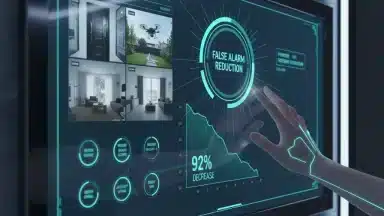
A significant concern for emergency services is the potential for an increase in false alarms. Overburdening dispatch centers with non-emergencies can dilute resources and delay responses to genuine incidents. Smart systems need to be highly reliable, with robust algorithms for false alarm prevention and verification mechanisms. This is where AI and human verification (from monitoring centers) play a critical role.
Cybersecurity Risks
As smart homes become more interconnected and share sensitive data, they also become potential targets for cyberattacks. A compromised smart home system could be exploited to disable security features, generate false alarms, or even provide unauthorized access to data. Robust cybersecurity measures, including strong encryption, regular software updates, and secure network configurations, are paramount to protecting these systems.
Public Trust and Education
Building public trust in these advanced systems requires transparency and education. Homeowners need to understand how these systems work, the benefits they offer, and how their privacy is protected. Clear communication about data usage, system capabilities, and emergency protocols will be vital for widespread acceptance.
Choosing the Right Smart Home Emergency System
When considering implementing or upgrading your smart home emergency integration, here are key factors to evaluate:
- Integration with Local Emergency Services: Inquire about direct PSAP connectivity or partnerships with professional monitoring services that have established protocols with your local fire, police, and EMS.
- Sensor Diversity and Accuracy: Choose a system with a comprehensive suite of sensors that accurately detect various threats (fire, intrusion, water leaks, medical emergencies).
- Reliability and Redundancy: Look for systems with cellular backup, battery backup, and robust network connectivity to ensure continuous operation during outages.
- User-Friendliness: The system should be easy to install, manage, and interact with, especially during an emergency.
- Scalability: Can the system expand to accommodate additional devices and features as your needs evolve?
- Privacy and Cybersecurity: Research the provider’s privacy policies, data encryption practices, and cybersecurity track record.
- Professional Monitoring Options: Understand the costs and services offered by professional monitoring, including their response protocols and average dispatch times.
- Compatibility with Existing Smart Home Devices: If you already have smart devices, ensure the new emergency system can integrate with them, ideally through open standards like Matter.
- Cost: Balance features and reliability with your budget, considering both upfront costs and ongoing subscription fees.
The Future is Now: A Safer, Smarter Home
The vision of a home that actively participates in its own safety and seamlessly communicates with emergency responders is no longer a distant dream. In 2026, smart home emergency integration is moving from niche to mainstream, offering unprecedented levels of protection and peace of mind. By leveraging advanced sensors, AI, and improved communication protocols, these systems are poised to dramatically reduce emergency response times, provide critical information to first responders, and ultimately save lives.
As consumers, our role is to stay informed, demand robust and secure solutions, and advocate for policies that support widespread and equitable access to these life-changing technologies. The journey towards a fully integrated, intelligent safety network is ongoing, but the foundation is firmly laid. Embracing these advancements means not just upgrading our homes, but elevating our collective safety and well-being in an increasingly connected world. The future of home safety is smart, proactive, and deeply integrated with the services designed to protect us all.
Conclusion
The synergy between smart home technology and local emergency services represents a monumental leap forward in public safety. As we continue through 2026, the focus will remain on refining these integrations, enhancing data accuracy, ensuring system reliability, and overcoming accessibility challenges. The goal is clear: to create homes that are not just comfortable and convenient, but inherently safer, providing rapid, intelligent responses when every second counts. Investing in smart home emergency integration is an investment in the future of your family’s security and the efficiency of the emergency services dedicated to protecting our communities.