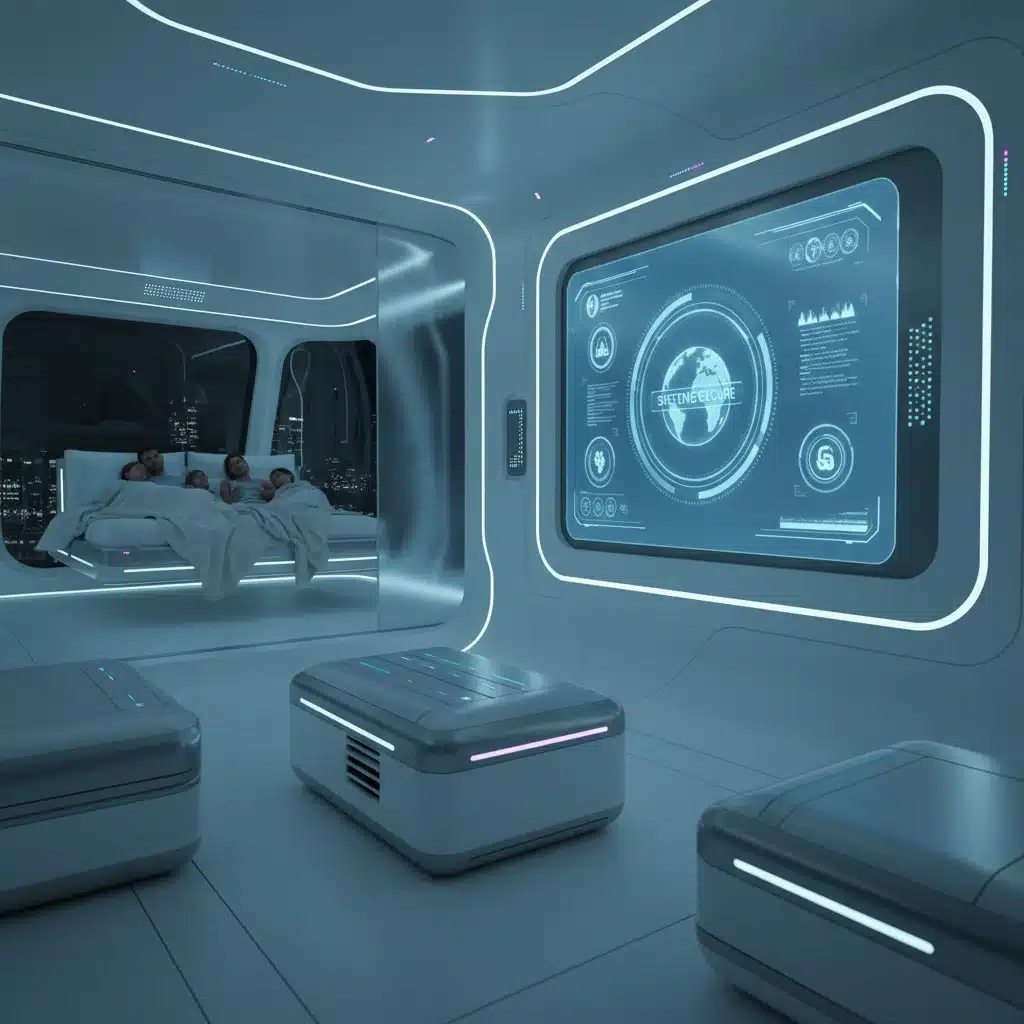
Securing Your Smart Home from Power Outages: Essential Battery Backup Solutions for 2026 Devices
In an increasingly interconnected world, our homes are becoming smarter, more efficient, and undeniably more reliant on a consistent power supply. From intelligent thermostats that optimize energy consumption to sophisticated security systems that protect our loved ones, and from automated lighting that enhances comfort to voice assistants that manage our daily routines – the modern smart home thrives on electricity. But what happens when the lights go out? A power outage can turn your smart home into a collection of inert, disconnected gadgets, compromising security, comfort, and convenience. This is where smart home battery backup solutions become not just a luxury, but an absolute necessity for 2026 and beyond.
The year 2026 is poised to introduce an even more advanced generation of smart home devices, pushing the boundaries of automation, AI integration, and energy management. These devices will demand even greater reliability and continuous operation. Therefore, understanding and implementing robust smart home battery backup strategies is crucial for maintaining the integrity and functionality of your connected living space.
Why Your Smart Home Absolutely Needs a Battery Backup
Imagine this scenario: a severe storm hits, the power flickers, and then everything goes dark. Without a proper smart home battery backup, your:
- Security System: Cameras go offline, motion sensors cease functioning, and smart locks might become unresponsive, leaving your home vulnerable.
- Internet Connectivity: Your router and modem lose power, meaning no Wi-Fi, no cloud access for devices, and no remote control capabilities.
- Smart Lighting: You’re plunged into darkness, unable to activate your smart bulbs or automated light scenes.
- Smart Appliances: Refrigerators, freezers, and other essential appliances could suffer, leading to food spoilage or operational issues.
- Heating/Cooling Systems: Smart thermostats become useless, leaving your home uncomfortable.
- Medical Devices: For those who rely on smart medical equipment, a power outage can be a critical safety concern.
The implications extend beyond mere inconvenience; they touch upon safety, financial loss, and peace of mind. As smart homes evolve, so too must our approach to ensuring their resilience against power interruptions. Investing in a reliable smart home battery backup ensures that your essential systems remain operational, providing continuous security, comfort, and connectivity.
Understanding the Different Types of Smart Home Battery Backup Solutions
The market for power backup solutions has grown significantly, offering a range of options to suit different needs and budgets. For your 2026 smart home, here are the primary types of smart home battery backup systems you should consider:
1. Uninterruptible Power Supplies (UPS)
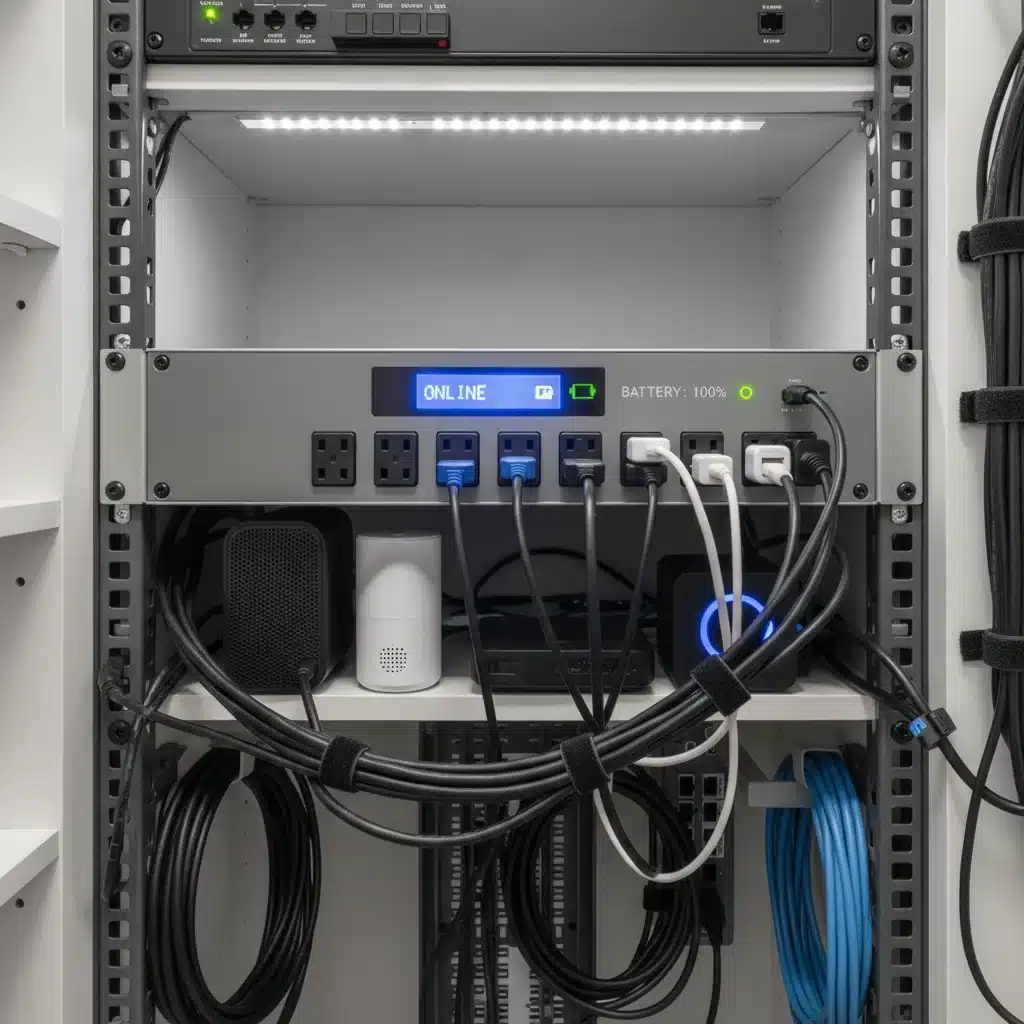
A UPS is perhaps the most common and accessible form of smart home battery backup. Designed primarily for computers and sensitive electronics, a UPS provides immediate, short-term power when the main supply fails. It contains a battery that kicks in instantaneously, preventing any disruption to connected devices.
Key Features and Benefits for Smart Homes:
- Instantaneous Switchover: Crucial for devices like smart hubs, routers, and security cameras that cannot tolerate even a momentary power loss.
- Surge Protection: Most UPS units also offer surge protection, safeguarding your valuable smart devices from voltage spikes.
- Runtime: Typically provides power for minutes to a few hours, depending on the load and battery capacity. This is usually sufficient to gracefully shut down systems or keep critical components running until power returns or a longer-term solution can be engaged.
- Scalability: Available in various capacities, from small desktop units for a single router to larger units capable of backing up multiple smart home components.
Ideal Use Cases:
A UPS is perfect for backing up your internet modem and router, smart home hubs (like those from SmartThings, Hubitat, or Home Assistant), security camera DVRs/NVRs, and essential smart speakers. It ensures your core communication and control systems remain online, allowing you to monitor your home remotely and maintain basic smart functionality during short outages.
2. Portable Power Stations (Power Banks for Your Home)
These are essentially large, high-capacity battery packs with various output ports, including AC outlets, USB ports, and DC car ports. Portable power stations have become incredibly popular due to their versatility and ease of use. They represent a flexible smart home battery backup option.
Key Features and Benefits for Smart Homes:
- High Capacity: Can power multiple devices for several hours or even days, depending on consumption.
- Portability: Easy to move around the house or even take outdoors for camping or emergencies.
- Multiple Output Types: Can charge phones, laptops, power small appliances, and run smart devices with standard plugs.
- Solar Rechargeability: Many models can be recharged via solar panels, offering a sustainable backup solution during extended outages.
Ideal Use Cases:
A portable power station is excellent for backing up a wider array of smart devices beyond just network gear. You can use it to power a smart TV, charge multiple smart devices, keep a smart refrigerator running for a few hours, or even power medical equipment. They are a versatile addition to any smart home battery backup strategy, particularly for longer, less predictable outages.
3. Whole-Home Battery Storage Systems (Solar-Integrated)
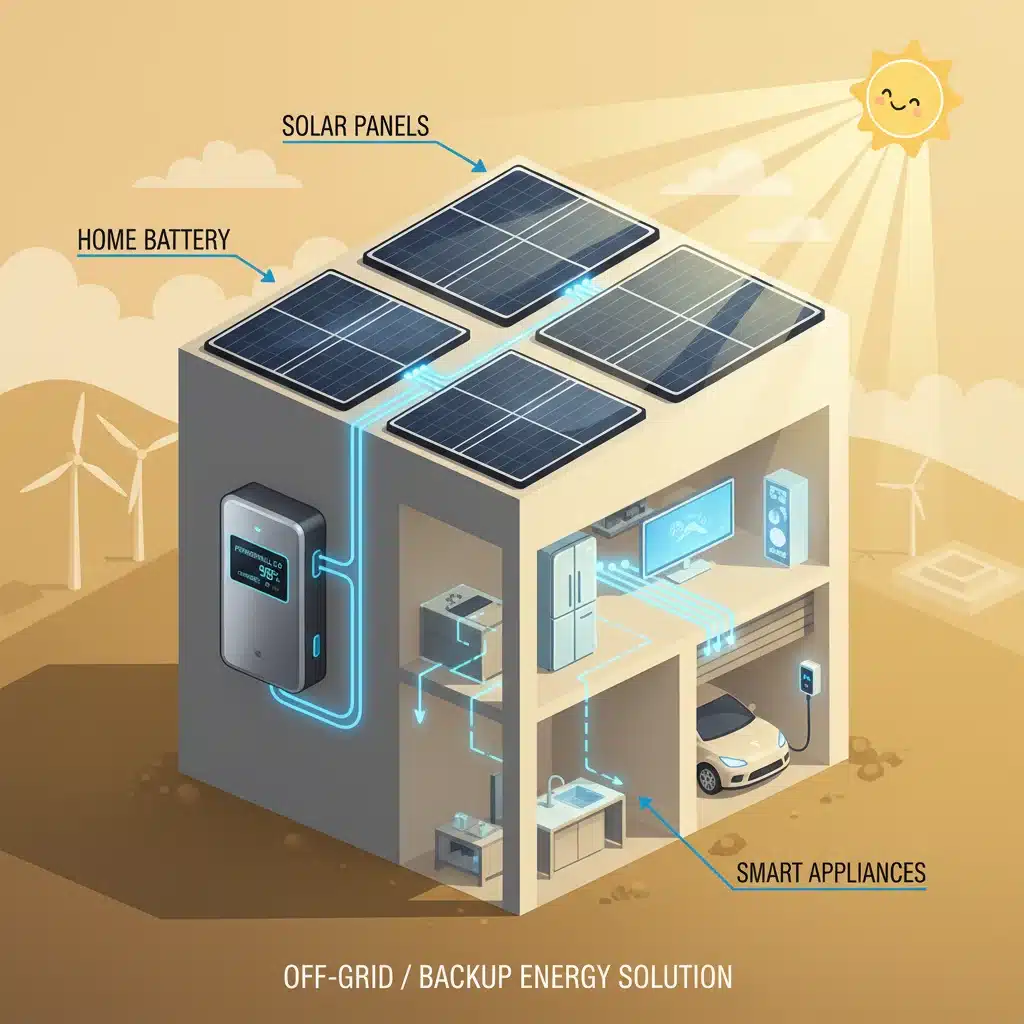
For the ultimate smart home battery backup, whole-home battery storage systems, often integrated with solar panels, offer comprehensive protection. These large-scale batteries (e.g., Tesla Powerwall, Enphase Encharge, Generac PWRcell) store energy from solar panels or the grid and can power your entire home during an outage.
Key Features and Benefits for Smart Homes:
- Comprehensive Coverage: Powers virtually all smart devices and appliances in your home.
- Extended Runtime: Can keep your home operational for days, depending on capacity and energy consumption.
- Energy Independence: Reduces reliance on the grid and can help lower electricity bills by utilizing stored solar energy or off-peak grid energy.
- Seamless Integration: Often integrates with smart home energy management systems to optimize power usage and backup strategies.
Ideal Use Cases:
This solution is for homeowners seeking complete energy resilience and sustainability. It’s particularly beneficial for homes in areas prone to frequent or prolonged power outages, or for those aiming for greater energy independence. While a significant investment, it offers unparalleled peace of mind and long-term benefits for a truly resilient smart home battery backup.
Key Considerations When Choosing Your Smart Home Battery Backup in 2026
As smart home technology advances, so do the requirements for effective backup solutions. Here’s what to keep in mind when selecting a smart home battery backup system for your 2026 devices:
1. Power Requirements (Wattage and Watt-Hours)
Before purchasing any backup solution, you need to calculate the power requirements of the devices you wish to keep running. List all essential smart devices (router, modem, smart hub, security cameras, specific smart appliances, medical devices) and find their wattage. Multiply the wattage by the desired runtime (in hours) to estimate the total watt-hours needed. This will guide you in selecting a UPS or power station with adequate capacity.
- Wattage (W): The instantaneous power drawn by a device.
- Watt-hours (Wh): The total energy capacity of the battery (Wattage x Hours).
For example, if your router consumes 10W and your smart hub consumes 5W, and you want them to run for 8 hours, you’d need (10W + 5W) * 8h = 120Wh of battery capacity.
2. Device Criticality and Prioritization
Not all smart devices are equally critical during a power outage. Prioritize what absolutely needs to stay on. Your internet connectivity, security systems, and essential lighting might take precedence over smart speakers or automated blinds. This prioritization will help you allocate your smart home battery backup resources effectively.
3. Runtime Expectations (How Long Do You Need Power?)
Do you experience frequent, short outages (minutes to a few hours) or less frequent but longer ones (several hours to days)? Your answer will determine the capacity of the smart home battery backup solution you need. UPS units are great for short-term, while portable power stations and whole-home systems are designed for extended periods.
4. Integration with Existing Smart Home Ecosystems
With 2026 devices, seamless integration is key. Some advanced backup systems offer APIs or direct integrations with smart home platforms (e.g., Home Assistant, Apple HomeKit, Google Home, Amazon Alexa). This allows for smart energy management, real-time monitoring of battery levels, and even automated actions based on power status (e.g., dimming lights to conserve power during an outage).
5. Battery Chemistry and Lifespan
Modern battery backup solutions primarily use Lithium-ion (Li-ion) or Lithium Iron Phosphate (LiFePO4) batteries. LiFePO4 batteries generally offer a longer cycle life (more charge/discharge cycles) and enhanced safety compared to traditional Li-ion, making them an excellent choice for long-term smart home battery backup investments.
6. Charging Speed and Methods
Consider how quickly the battery backup system recharges once power is restored. Faster charging means less downtime between outages. Also, look for multiple charging options, such as AC wall outlets, solar panel input, and car chargers, for maximum flexibility.
7. Noise Levels and Maintenance
Some larger UPS units or generators can be noisy. Battery backup systems are generally quiet, but it’s worth checking specifications if placement is in a living area. Maintenance is typically minimal for modern battery systems, but understanding any recommended checks or replacements is important.
Implementing Your Smart Home Battery Backup Strategy for 2026
Once you’ve chosen your solutions, proper implementation is key to maximizing their effectiveness:
Step 1: Map Your Critical Devices
Create a detailed map of all your smart devices and identify which ones are absolutely critical during a power outage. This includes internet infrastructure (modem, router), smart home hubs, security cameras, smart locks, and any smart medical devices.
Step 2: Calculate Power Needs
For each critical device, determine its wattage. Sum these up to get your total critical load. Then, decide on the desired runtime (e.g., 4 hours, 8 hours, 24 hours) and calculate the necessary watt-hour capacity for your smart home battery backup.
Step 3: Select Appropriate Backup Solutions
Based on your power needs and criticality assessment, choose the right mix of UPS units, portable power stations, or consider a whole-home system. You might use multiple UPS units for network gear and a portable power station for other essential devices.
Step 4: Strategic Placement
Place UPS units near the devices they will power. Ensure portable power stations are easily accessible and can be connected to necessary appliances. Whole-home systems typically require professional installation in a designated utility area.
Step 5: Regular Testing and Maintenance
Don’t wait for an outage to discover your smart home battery backup isn’t working. Regularly test your UPS units by unplugging them from the wall to simulate an outage. Check battery health indicators and replace batteries as recommended by the manufacturer. For portable power stations, ensure they are kept charged.
Step 6: Smart Energy Management
Leverage your smart home platform to optimize power usage during an outage. For example, you can create automation routines that, upon detecting a power loss (via a smart plug with power monitoring or direct integration with a UPS), will:
- Turn off non-essential smart lights.
- Adjust smart thermostat settings to conserve energy.
- Send notifications to your phone about the outage and battery status.
The Future of Smart Home Resilience: What to Expect by 2026
By 2026, we anticipate even more sophisticated smart home battery backup technologies. Expect tighter integration between smart home platforms and backup power systems, leading to more intelligent energy management. AI-powered systems will likely predict outage durations based on weather patterns and optimize device usage accordingly.
Furthermore, bidirectional charging capabilities, where electric vehicles (EVs) can act as massive mobile power banks for your home during outages, will become more common. This will fundamentally change how we think about home energy resilience. The focus will shift from merely providing backup power to creating a truly self-sufficient and adaptable smart home ecosystem.
Conclusion: Powering Your Peace of Mind
As our homes become smarter, our dependence on a stable power supply grows exponentially. A comprehensive smart home battery backup strategy is no longer a niche concern but a fundamental aspect of modern homeownership. By understanding your needs, exploring the diverse range of solutions available, and implementing them thoughtfully, you can ensure that your smart home remains secure, comfortable, and connected, even when the grid fails.
Investing in reliable backup power for your 2026 smart devices is an investment in peace of mind, protecting your valuable technology, and safeguarding your family’s comfort and security. Don’t let a power outage turn your intelligent abode into a silent, unresponsive shell. Empower your smart home to weather any storm.