2026 Smart Home Security Report: Cyber Threats & Physical Breaches

The 2026 Smart Home Security Report: Protecting Against New Cyber Threats and Physical Breaches (RECENT UPDATES, INSIDER KNOWLEDGE)
Welcome to the forefront of home protection. As we hurtle towards 2026, the concept of a ‘smart home’ has evolved from a futuristic fantasy into an everyday reality for millions. With this unparalleled convenience, however, comes an equally complex array of security challenges. The smart home security 2026 landscape is not just about keeping intruders out; it’s about safeguarding your digital life, your privacy, and the very fabric of your connected existence. This comprehensive report delves deep into the emerging threats, cutting-edge solutions, and insider knowledge you need to fortify your smart home against both sophisticated cyber attacks and increasingly cunning physical breaches.
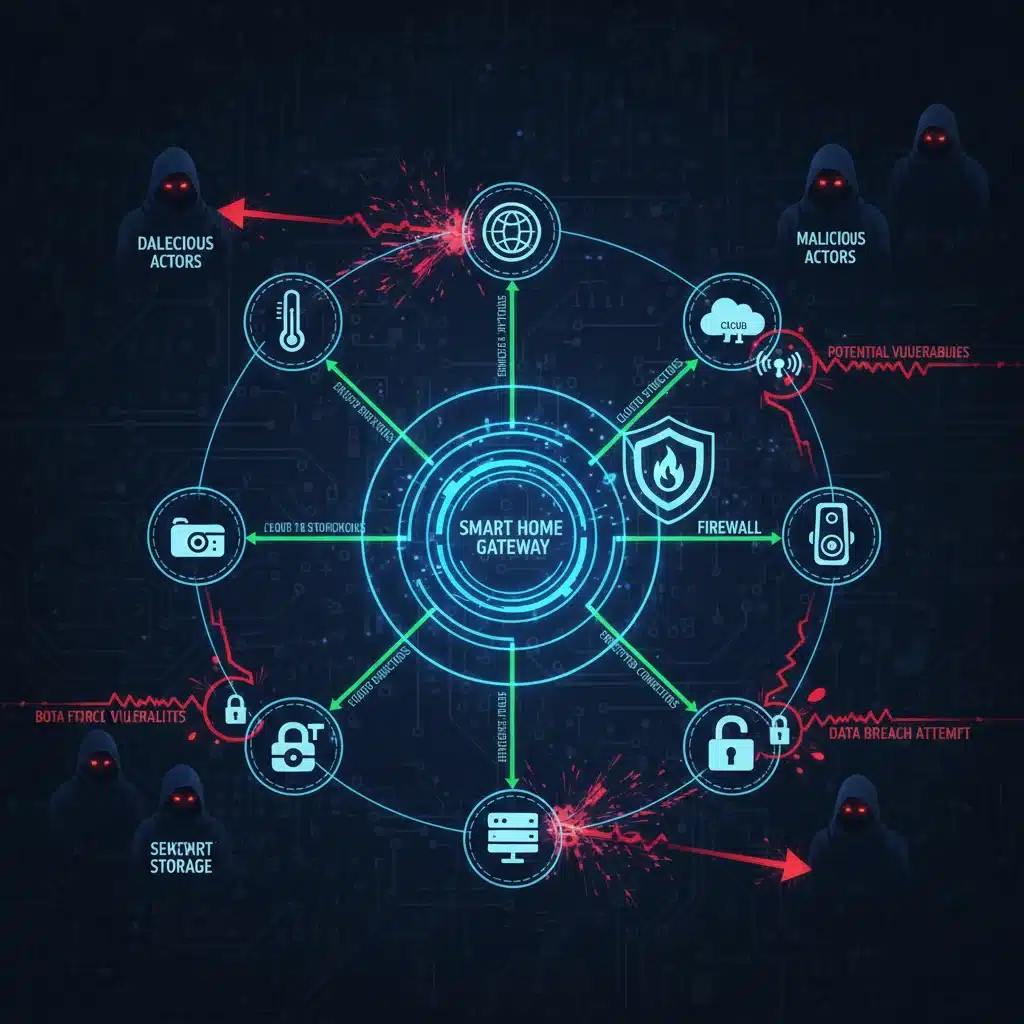
The interconnectivity of smart devices, while offering immense benefits, simultaneously broadens the attack surface for malicious actors. From smart thermostats and lighting systems to voice assistants and security cameras, each device represents a potential entry point for cybercriminals. Moreover, the evolution of physical security in a smart home context means that traditional locks and alarms are no longer sufficient. We are entering an era where integrated, intelligent defense mechanisms are paramount. This report will serve as your essential guide to understanding, anticipating, and mitigating the security risks that define smart home security 2026.
The Evolving Threat Landscape: What’s New in 2026?
The threats facing smart homes are no longer theoretical; they are real, pervasive, and constantly adapting. By 2026, we’ve witnessed significant shifts in attacker methodologies and targets. Understanding these new dynamics is the first step in building a robust defense for your smart home security 2026 strategy.
Sophisticated Cyber Threats: Beyond Simple Hacking
Gone are the days of simple brute-force attacks. Cybercriminals are now employing highly sophisticated tactics, often leveraging artificial intelligence (AI) and machine learning (ML) to bypass conventional security measures. Here’s what’s new:
- AI-Powered Malware and Ransomware: Malware is no longer static. AI-driven variants can learn your network’s behavior, identify vulnerabilities, and adapt their attack vectors in real-time. Ransomware targeting smart home devices, locking users out of their own systems or demanding payment for data access, is becoming more prevalent. Imagine your smart locks being held for ransom, or your thermostat set to extreme temperatures until a payment is made.
- IoT Botnets 2.0: While Mirai was a precursor, 2026 sees the rise of even more powerful IoT botnets. These networks of compromised smart devices can be leveraged for massive distributed denial-of-service (DDoS) attacks, cryptocurrency mining, or as proxies for other illicit activities. The sheer number of insecure devices provides a fertile ground for these operations.
- Supply Chain Attacks: A growing concern is the compromise of smart devices at the manufacturing or distribution stage. Malicious code embedded before the device even reaches your home can create persistent backdoors, making detection and removal incredibly difficult.
- Data Privacy Exploitation: Smart homes generate an immense amount of personal data – routines, preferences, conversations, and even biometric information. This data is a goldmine for advertisers, identity thieves, and even state-sponsored actors. Exploiting vulnerabilities to exfiltrate this data for targeted scams, blackmail, or identity fraud is a primary objective for many cybercriminals.
- Voice Assistant Vulnerabilities: As voice assistants become more integrated, new attack vectors emerge. Exploiting vulnerabilities in natural language processing (NLP) or even ultrasonic commands (inaudible to humans) can allow unauthorized access or control over connected devices, potentially unlocking doors or disarming security systems.
Evolving Physical Breach Methods: The Smart Intruder
Physical security is also undergoing a transformation, as intruders adapt to and often exploit smart home technologies. The focus for smart home security 2026 extends beyond traditional methods:
- RF Jamming and Spoofing: Intruders are increasingly using radio frequency (RF) jamming devices to disrupt wireless communication between smart sensors, alarms, and central hubs. Advanced spoofing techniques can trick smart locks or garage door openers into believing legitimate signals are being sent.
- Drone Reconnaissance and Delivery: Drones are no longer just for hobbyists. Malicious actors use them for aerial reconnaissance to map out home layouts, identify vulnerable entry points, and even deliver small devices to disable external sensors or cameras.
- Smart Lock Manipulation: While smart locks offer convenience, poorly secured ones can be vulnerable. Techniques like electromagnetic pulse (EMP) attacks (though rare) or exploiting software flaws can render them useless. More commonly, social engineering tactics combined with digital vulnerabilities allow for remote unlocking.
- Sensor Evasion: Intruders are becoming more adept at evading motion sensors, pressure plates, and even infrared detectors, sometimes using specialized equipment or understanding the limitations of specific sensor types.
- Social Engineering and Impersonation: The human element remains the weakest link. Attackers might impersonate delivery personnel, utility workers, or even family members to gain physical access or trick residents into disabling security systems.
Key Technologies Shaping Smart Home Security in 2026
To combat these evolving threats, the smart home security 2026 landscape is being shaped by several groundbreaking technologies. These innovations offer unprecedented levels of protection, but also require careful implementation and ongoing management.
Artificial Intelligence and Machine Learning (AI/ML)
AI and ML are at the heart of next-generation smart home security. They move beyond reactive responses to proactive threat prediction and prevention:
- Behavioral Analytics: AI systems learn the normal patterns of your home – when lights turn on, doors open, or specific devices are used. Any deviation from these learned patterns can trigger an alert, indicating a potential anomaly or intrusion. This includes analyzing network traffic for unusual data flows.
- Predictive Threat Intelligence: ML algorithms analyze vast datasets of cyber threats and physical intrusion attempts to identify emerging patterns. This allows security systems to anticipate new attack vectors and update defenses before they are even widely known.
- Facial and Object Recognition: Advanced AI-powered cameras can differentiate between residents, pets, and unknown individuals. Object recognition can detect suspicious items left near the property or unusual vehicle activity.
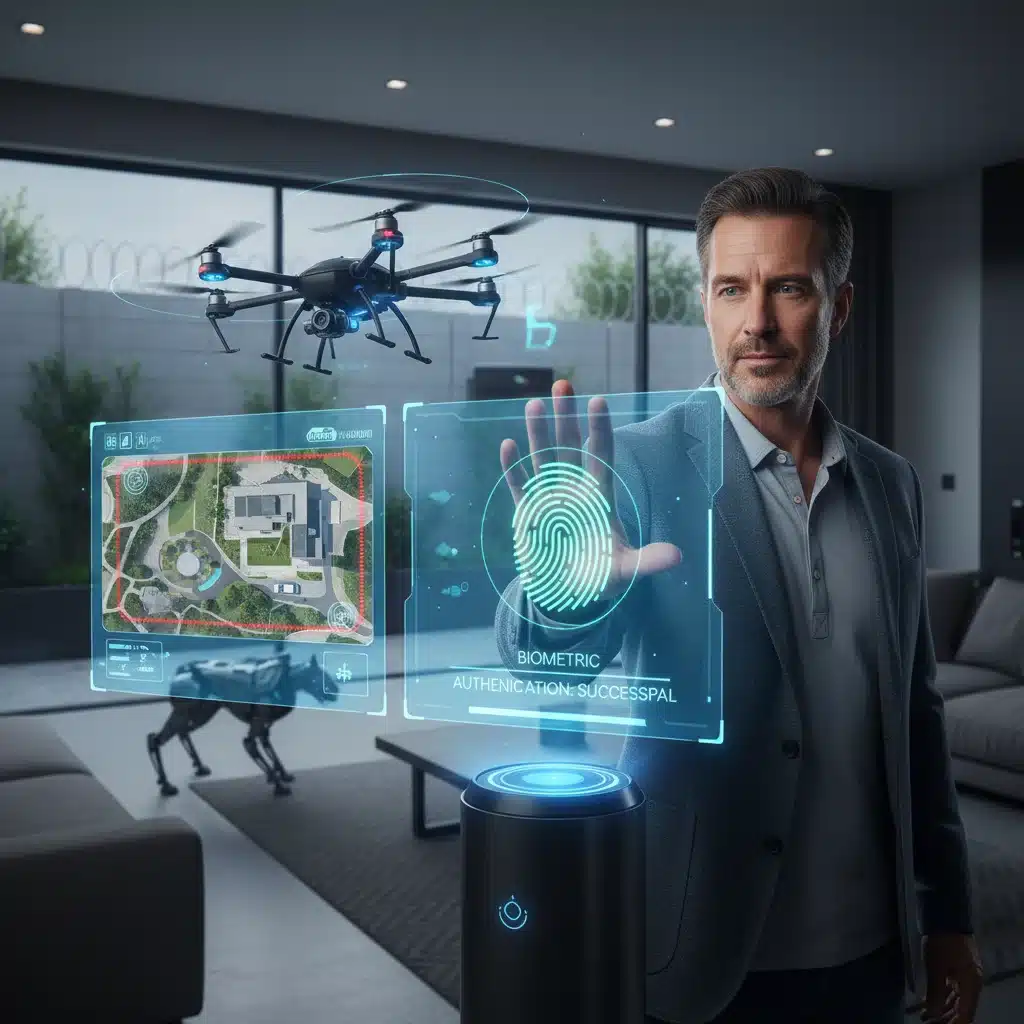
- Adaptive Authentication: AI can implement multi-factor authentication that adapts based on context. For example, if you’re accessing your smart home remotely from an unusual location, the system might request additional biometric verification.
Blockchain Technology for Enhanced Trust and Data Integrity
Blockchain, often associated with cryptocurrencies, offers significant potential for enhancing smart home security 2026 by providing immutable records and decentralized trust:
- Secure Device Identity: Each smart device can have a unique, tamper-proof identity registered on a blockchain, making it harder for unauthorized devices to join your network or for legitimate devices to be spoofed.
- Immutable Log Files: Security logs and event data can be recorded on a private blockchain, ensuring that they cannot be altered or deleted by an attacker attempting to cover their tracks. This provides a reliable audit trail.
- Decentralized Access Control: Instead of a single central server managing access, blockchain can enable decentralized access control, where permissions are distributed and verified across a network, reducing single points of failure.
- Data Integrity Verification: Blockchain can be used to verify the integrity of firmware updates and software patches, ensuring that no malicious code has been injected during the update process.
Quantum-Resistant Cryptography
As quantum computing advances, current encryption standards could become vulnerable. By 2026, the deployment of quantum-resistant cryptography in smart home devices is becoming a critical defense mechanism to protect sensitive data from future decryption attacks.
Biometric Authentication Advancement
Beyond fingerprints, smart home security 2026 leverages more sophisticated biometrics:
- Multi-modal Biometrics: Combining facial recognition, iris scans, voice recognition, and even gait analysis for a more robust and difficult-to-circumvent authentication process.
- Passive Biometrics: Systems that can authenticate users without requiring explicit action, such as recognizing a user’s unique walking pattern or typing rhythm.
Implementing a Robust Smart Home Security Strategy for 2026
Given the evolving threats and advanced technologies, a multi-layered, proactive approach is essential for effective smart home security 2026. Here’s a strategic framework for homeowners and developers alike:
1. Secure Network Architecture: Your Digital Foundation
- Dedicated IoT Network: Isolate your smart devices on a separate Virtual Local Area Network (VLAN) or a dedicated router. This prevents a compromised smart bulb from providing access to your main home network where sensitive data resides.
- Strong Router Security: Change default passwords immediately. Use WPA3 encryption. Disable Universal Plug and Play (UPnP) and regularly update your router’s firmware. Consider a router with built-in cybersecurity features.
- VPN Implementation: For remote access to your smart home, always use a Virtual Private Network (VPN) to encrypt your connection and prevent eavesdropping.
- Regular Network Audits: Periodically scan your network for unknown devices, open ports, and potential vulnerabilities.
2. Device-Level Security: Every Link in the Chain Matters
- Strong, Unique Passwords: This cannot be stressed enough. Use complex, unique passwords for every smart device and associated online account. A password manager is indispensable.
- Two-Factor Authentication (2FA) / Multi-Factor Authentication (MFA): Enable 2FA/MFA wherever possible for all smart home apps and cloud services.
- Regular Firmware Updates: Manufacturers release updates to patch security vulnerabilities. Enable automatic updates or check manually and install them promptly.
- Research Before You Buy: Prioritize devices from reputable manufacturers with a strong track record for security and privacy. Look for devices that support open standards and have clear privacy policies.
- Disable Unused Features: If a smart device has features you don’t use (e.g., a microphone on a device that doesn’t need it), disable them to reduce the attack surface.
- Physical Tamper Detection: For critical devices like cameras or hubs, ensure they have physical tamper detection mechanisms.
3. Data Privacy and Management: Protecting Your Digital Footprint
- Understand Data Collection: Read privacy policies to understand what data your smart devices collect, how it’s used, and with whom it’s shared. Make informed decisions.
- Granular Permissions: Grant only necessary permissions to smart home apps. Review and revoke unnecessary access.
- Data Encryption: Ensure that data transmitted between your devices and the cloud is encrypted both in transit and at rest.
- Anonymization Options: Where possible, opt for anonymized data collection or limit data retention periods.
- Regular Data Backups: For devices that store significant local data, ensure regular, encrypted backups.
4. Physical Security Integration: The Blended Approach
- Integrated Security Systems: Connect smart locks, cameras, motion sensors, and alarm systems into a single, cohesive platform that can respond intelligently to threats.
- Perimeter Defense: Utilize smart cameras with AI-powered analytics for detecting unusual activity, package delivery monitoring, and distinguishing between humans and animals. Combine with smart lighting that can deter intruders.
- Access Control: Implement smart locks with biometric authentication (fingerprint, facial recognition) and secure key fobs. Consider smart doorbells with two-way communication and remote unlocking capabilities.
- Environmental Sensors: Integrate smoke, CO, water leak, and glass-break sensors into your smart home security system for comprehensive protection.
- Physical Hardening: Don’t neglect traditional physical security. Reinforce doors and windows, use high-quality locks, and ensure proper lighting around your property. Smart security enhances, but doesn’t replace, physical barriers.
The Role of AI in Proactive Smart Home Defense
AI is transforming smart home security 2026 from a reactive mechanism to a proactive guardian. Here’s how AI is leading the charge:
- Threat Prediction: AI algorithms can analyze global threat intelligence, local environmental factors, and historical data to predict potential security incidents before they occur. For instance, unusual network activity combined with a known vulnerability exploit might trigger a pre-emptive lockdown or alert.
- Automated Response: Beyond just alerts, AI-powered systems can initiate automated responses. If an unauthorized entry is detected, the system could automatically lock all doors, activate alarms, turn on all lights, record video, and notify authorities, all without human intervention.
- False Alarm Reduction: One of the biggest frustrations with traditional security systems is false alarms. AI’s ability to differentiate between a pet and an intruder, or a tree branch and a person, significantly reduces false positives, leading to more trustworthy and less disruptive security.
- Contextual Awareness: AI allows smart home security to understand context. It knows when you’re home, when you’re away, who should have access, and what activities are normal. This contextual awareness enables more intelligent decision-making and personalized security protocols.
- Self-Healing Networks: Emerging AI systems can detect network anomalies, identify compromised devices, and automatically quarantine them or reconfigure network settings to mitigate ongoing attacks, essentially ‘healing’ the network.
Insider Knowledge: Tips from Security Experts for 2026
Beyond the technical implementations, there are crucial insights from cybersecurity and physical security experts that can significantly bolster your smart home security 2026 posture:
- Regular Security Posture Reviews: Treat your smart home security like a living system. Conduct annual or bi-annual reviews of all devices, configurations, and passwords. Remove old devices or accounts you no longer use.
- Vendor Vigilance: Stay informed about security vulnerabilities related to your specific smart devices. Subscribe to security advisories from manufacturers and cybersecurity news outlets. A device from a company with a poor security track record is a major liability.
- Educate Your Household: Ensure everyone in your home understands basic cybersecurity hygiene – recognizing phishing attempts, using strong passwords, and understanding how the smart home security system works. The human element is often the weakest link.
- Consider Professional Monitoring: For critical security, professional monitoring services offer an extra layer of protection, with trained personnel responding to alerts and coordinating with emergency services.
- Privacy by Design: When purchasing new devices, look for those designed with privacy in mind. This means features like local data processing (reducing reliance on cloud), strong encryption, and clear user control over data sharing.
- Backup Power Solutions: Ensure your critical smart home security devices (router, hub, cameras) have battery backups or uninterruptible power supplies (UPS) to maintain functionality during power outages.
- Physical Deterrence Matters: Don’t underestimate the power of visible security measures. Clearly displayed security cameras, alarm signs, and well-maintained properties can deter opportunistic intruders.
- Test Your System: Periodically test your alarm system, camera functionality, and network security. Don’t wait for an incident to discover a flaw.
- Understand Your Insurance: Review your home insurance policy to understand what aspects of smart home security breaches (cyber or physical) are covered.
The Future of Smart Home Security: Beyond 2026
Looking beyond 2026, the trajectory of smart home security 2026 points towards even greater integration, autonomy, and predictive capabilities. We can anticipate:
- Hyper-Personalized Security: Systems will become even more attuned to individual preferences and habits, offering bespoke security profiles for each resident and guest.
- Decentralized Autonomous Security Agents: Individual smart devices might gain more autonomy in defending themselves and collaborating with other devices without constant central hub intervention, forming a truly resilient mesh network.
- Swarm Intelligence for Defense: Multiple security drones (internal and external) and sensors working in concert, sharing real-time data and coordinating responses to complex threats.
- Ethical AI in Security: A greater focus on developing AI for security that respects privacy, avoids bias, and operates transparently, ensuring that security enhancements do not come at the cost of civil liberties.
- Seamless Integration with Public Safety: Direct, secure, and instant communication channels between private smart home security systems and public emergency services, streamlining response times.
Conclusion: Securing Your Connected Future
The smart home security 2026 report paints a picture of a world where convenience and connectivity are paramount, but where vigilance and proactive defense are equally critical. The threats are evolving rapidly, driven by sophisticated cybercriminals and adaptive physical intruders. However, the advancements in AI, blockchain, and biometric technologies offer powerful tools to counteract these dangers.
By implementing a robust, multi-layered security strategy that encompasses secure network architecture, diligent device management, stringent data privacy practices, and intelligent physical security integration, homeowners can confidently navigate the complexities of the connected future. Staying informed, exercising caution, and leveraging the latest innovations will be key to protecting your smart home and, by extension, your peace of mind. The future of smart living is secure, but only if we actively choose to make it so.