Beyond Basic Alarms: Integrating 2026’s Advanced Smart Sensors for Superior Home Intrusion Detection

In an era where home security is paramount, the traditional alarm system, while still functional, is rapidly becoming a relic of the past. As we move further into the 21st century, specifically looking towards 2026, the landscape of home intrusion detection is being redefined by the advent and integration of advanced smart sensors. These aren’t just motion detectors and door contacts; they are sophisticated, interconnected devices capable of providing a level of security and insight that was once the stuff of science fiction. This article delves into how integrating 2026’s advanced smart sensors can elevate your home’s protection from reactive to proactive, offering unparalleled peace of mind.
The Evolution of Home Security: From Simple Alarms to Advanced Smart Sensors
For decades, home security relied on a straightforward principle: detect an intrusion, sound an alarm, and notify authorities. While effective to a degree, these systems often suffered from false alarms and limited situational awareness. The rise of smart home technology has fundamentally shifted this paradigm. Today, and increasingly so by 2026, advanced smart sensors are at the heart of a comprehensive, intelligent security ecosystem. These sensors do more than just detect; they analyze, learn, and communicate, creating a dynamic shield around your property.
The transition from basic alarms to sophisticated sensor networks is driven by several factors. Firstly, the miniaturization of technology allows for discreet yet powerful sensors to be integrated seamlessly into the home environment. Secondly, advancements in artificial intelligence (AI) and machine learning (ML) enable these sensors to differentiate between genuine threats and benign events, drastically reducing false positives. Thirdly, the proliferation of the Internet of Things (IoT) means that all these devices can communicate with each other and with a central hub, creating a truly interconnected security system.
Understanding this evolution is crucial for any homeowner looking to upgrade their security. It’s no longer about just buying a system; it’s about investing in an intelligent network that adapts to your needs and provides real-time, actionable insights. The capabilities of advanced smart sensors in 2026 are set to transform how we think about and implement home protection.
Key Technologies Powering 2026’s Advanced Smart Sensors
The next generation of home security is built upon a foundation of cutting-edge technologies. By 2026, several key innovations will be standard in advanced smart sensors, offering a multi-layered approach to intrusion detection:
1. AI-Powered Vision and Audio Analytics
Gone are the days of simple motion detection. Future smart cameras and audio sensors will leverage sophisticated AI algorithms to interpret visual and auditory data. This means a camera won’t just register movement; it will identify whether the movement belongs to a human, an animal, or a vehicle. Audio sensors will distinguish between a window breaking, a door being forced open, or simply a tree branch hitting the house. This level of discernment significantly reduces false alarms and allows for more targeted responses.
2. Millimeter Wave and Radar Sensors
Beyond traditional PIR (Passive Infrared) sensors, millimeter wave and radar technology will become more prevalent. These sensors can detect subtle movements, even through walls or in complete darkness, providing an extra layer of detection that is less susceptible to environmental factors. They can even track multiple intruders simultaneously, offering precise location data within a secured perimeter.
3. Biometric Authentication and Access Control
While not strictly intrusion detection, advanced biometric sensors (fingerprint, facial recognition, iris scanning) integrated into door locks and access points will prevent unauthorized entry in the first place. These systems will be highly secure, difficult to bypass, and seamlessly integrated with the overall security network, notifying you instantly of any attempted biometric breaches.
4. Environmental and Perimeter Sensors
Advanced smart sensors will extend beyond the immediate confines of the home. Integrated environmental sensors can detect changes in air pressure, temperature, or unusual vibrations that might indicate an attempt to breach the perimeter from unexpected angles (e.g., digging tunnels). Laser grids and invisible fence technologies will also evolve, creating intelligent boundaries that alert before an intruder even reaches the physical structure of the home.
5. Self-Learning and Adaptive Systems
Perhaps one of the most exciting advancements is the ability of these sensor networks to learn and adapt. Through continuous data collection and AI processing, the system will understand your home’s normal patterns and identify anomalies more effectively. It will learn to distinguish between a family member’s routine and an unusual presence, refining its detection capabilities over time and minimizing false positives. This adaptive intelligence makes the system more robust and reliable.
Integrating Advanced Smart Sensors: A Holistic Approach to Home Security
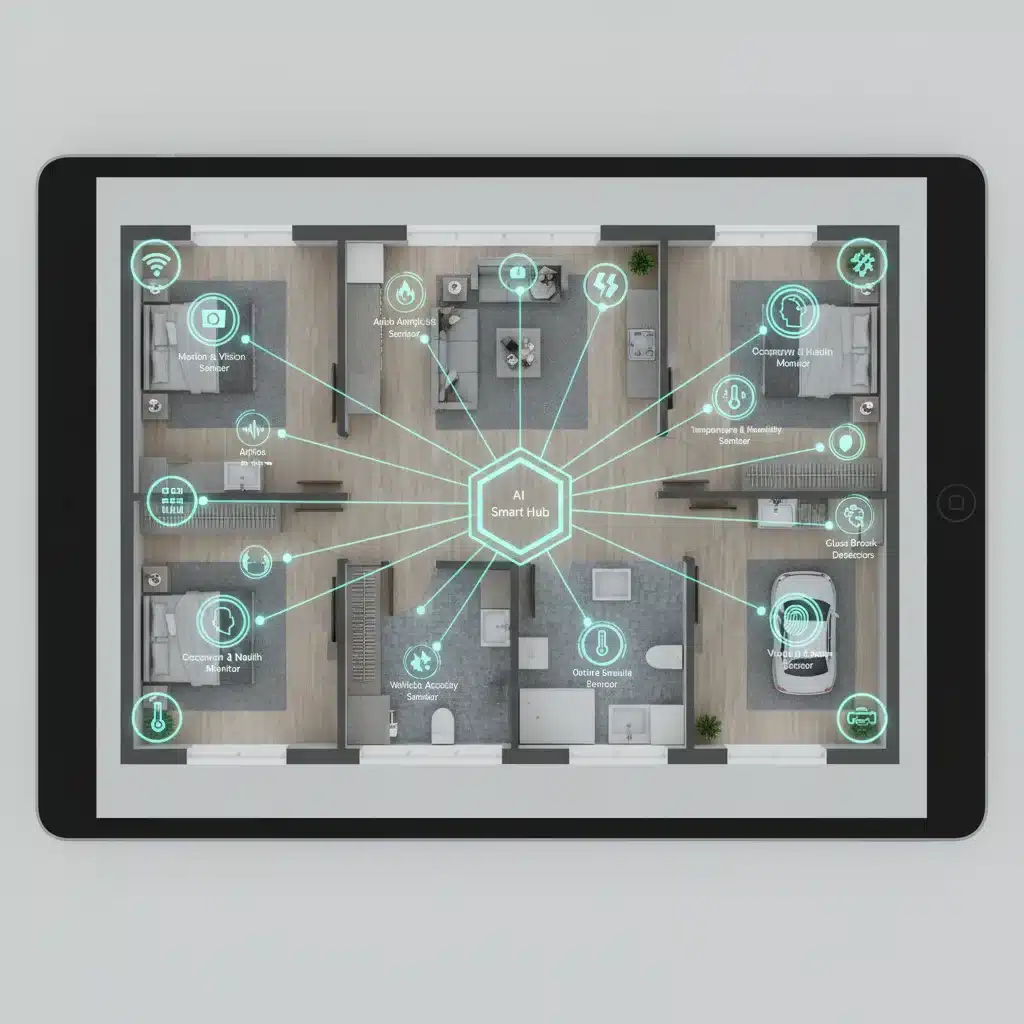
The true power of 2026’s advanced smart sensors lies not just in their individual capabilities but in their seamless integration. A piecemeal approach to security is no longer sufficient; a holistic, interconnected system is the future. This involves a central smart home hub that acts as the brain, coordinating all sensor activities and communicating with the homeowner.
Centralized Control and Automation
Imagine a single app or voice command system that manages all your security devices. When an advanced smart sensor detects a potential threat, it doesn’t just trigger an alarm. It can initiate a sequence of actions: exterior lights turn on, interior lights flash, security cameras begin recording in high definition and stream footage to your device, smart locks engage, and an alert is sent to you and potentially to a monitoring service. This level of automation is critical for a rapid and effective response.
Proactive Deterrence and Early Warning
One of the most significant advantages of advanced smart sensors is their ability to provide proactive deterrence. Instead of merely reacting to an intrusion, these systems can detect suspicious activity long before a breach occurs. For example, perimeter sensors might identify someone loitering near your property, prompting a silent alert to you and allowing you to activate external deterrents (like a voice message played through outdoor speakers) before an attempt is made.
Early warning systems are also evolving. Pressure plates embedded in driveways or pathways, combined with AI-powered cameras, can detect an unfamiliar vehicle or individual approaching your property, giving you valuable extra minutes to assess the situation and take action. This shift from reactive to proactive security is a game-changer.
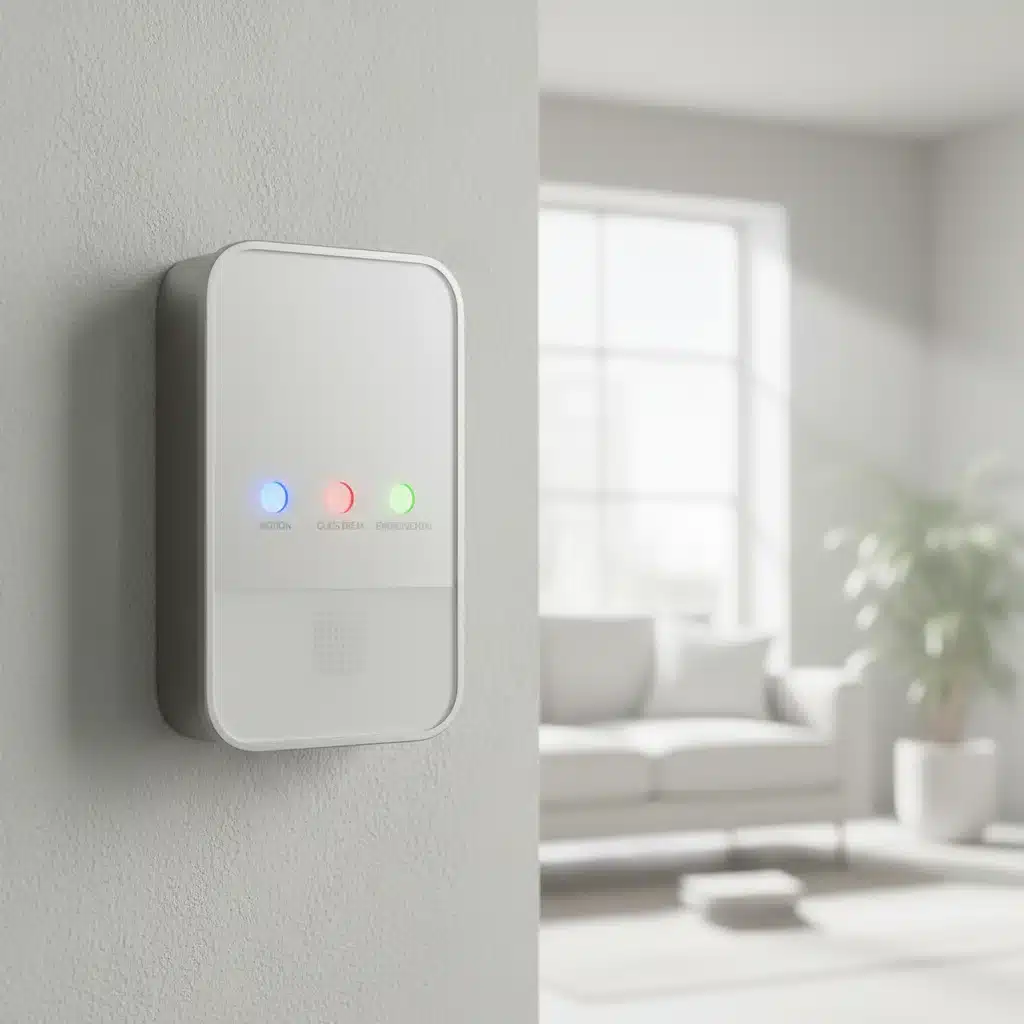
Real-World Applications and Benefits of 2026’s Advanced Smart Sensors
Let’s explore some tangible benefits and real-world scenarios where these cutting-edge sensors shine:
Eliminating False Alarms
A persistent problem with traditional alarm systems is the high rate of false alarms, often triggered by pets, falling objects, or environmental changes. Advanced smart sensors, with their AI and machine learning capabilities, can distinguish between these benign events and actual threats. A pet walking across the living room won’t trigger a full-scale alarm; instead, the system might simply log the event or send a low-priority notification. This precision saves homeowners from unnecessary stress and prevents emergency services from being dispatched unnecessarily.
Enhanced Situational Awareness
Imagine being able to know not just if someone is in your home, but who they are, where they are, and what they are doing. AI-powered cameras with facial recognition can identify known individuals (family, friends, service providers) versus unknown persons. Indoor radar sensors can pinpoint the exact location and movement path of an intruder. This detailed situational awareness provides invaluable information to homeowners and responding authorities, leading to quicker and more effective interventions.
Personalized Security Zones
With advanced smart sensors, you can create highly personalized security zones within your home. For instance, you might have a ‘night mode’ that activates specific sensors in unoccupied areas while allowing free movement in bedrooms. Or, if you have valuable artwork in a particular room, you can set up a micro-zone with hyper-sensitive sensors (e.g., laser tripwires or vibration sensors) that trigger an immediate, localized alert if disturbed, without affecting the rest of the house’s security status.
Integration with Smart Home Ecosystems
The beauty of 2026’s advanced sensors is their seamless integration with broader smart home ecosystems. Your security system won’t just be a standalone entity; it will be a crucial component of your automated home. If a carbon monoxide sensor detects a leak, the system can automatically unlock doors, turn on lights, and open windows for ventilation, in addition to sounding an alarm. If an intrusion is detected, not only will the alarm blare, but smart blinds might automatically close, and all interior lights could switch on, disorienting an intruder and making them more visible to cameras.
Challenges and Considerations for Adopting Advanced Smart Sensors
While the benefits are clear, adopting advanced smart sensors by 2026 also comes with its own set of challenges and considerations that homeowners should be aware of.
Cost of Implementation
Cutting-edge technology often comes with a higher price tag. While prices are expected to become more accessible by 2026, a comprehensive system of advanced smart sensors will likely represent a significant investment compared to basic alarm systems. Homeowners will need to weigh the enhanced security benefits against the initial cost.
Privacy Concerns
The very nature of advanced smart sensors, particularly those with AI-powered cameras and audio analytics, raises privacy concerns. Constant monitoring, facial recognition, and data collection, while beneficial for security, can also feel intrusive. Manufacturers will need to prioritize robust privacy protocols, and homeowners must carefully consider the placement of these sensors and understand how their data is being used and stored. Opt-in features and transparent data policies will be crucial for widespread adoption.
Cybersecurity Risks
As these systems become more interconnected and reliant on internet connectivity, they also become potential targets for cyberattacks. A compromised smart home hub or individual sensor could create vulnerabilities. Robust encryption, secure network protocols, and regular software updates will be essential to protect against hacking attempts. Homeowners must choose reputable brands that prioritize cybersecurity in their product development.
Installation and Configuration Complexity
Unlike simple plug-and-play devices, a fully integrated system of advanced smart sensors might require professional installation and configuration to ensure optimal performance and coverage. Homeowners should factor in the potential need for expert assistance during setup and ongoing maintenance.
Interoperability and Standardization
The smart home market is still somewhat fragmented, with various manufacturers using different communication protocols. By 2026, greater interoperability and standardization will be critical to ensure that different brands of advanced smart sensors can seamlessly communicate and work together within a single security ecosystem. Homeowners should look for systems that adhere to open standards or offer broad compatibility.
The Future is Now: Preparing Your Home for 2026’s Advanced Security
The future of home security, characterized by advanced smart sensors, is not a distant dream but a rapidly approaching reality. For homeowners looking to future-proof their property and ensure the highest level of protection, now is the time to start planning.
Research and Education
Stay informed about the latest advancements in smart home security technology. Read reviews, compare features, and understand the different types of sensors available. Educating yourself will empower you to make informed decisions when selecting a system.
Assess Your Needs
Every home is unique, and so are its security requirements. Before investing in advanced smart sensors, conduct a thorough assessment of your property’s vulnerabilities. Consider entry points, valuable assets, and specific concerns you might have. This will help you tailor a system that provides comprehensive coverage where you need it most.
Consider Scalability
Technology evolves quickly. Choose a smart security system that is scalable and can be expanded or upgraded as new sensors and features become available. This ensures your investment remains relevant and effective for years to come.
Professional Consultation
For complex installations or for those who prefer expert guidance, consulting with a professional smart home security integrator can be invaluable. They can help design a customized system, ensure proper installation, and provide ongoing support.
Embrace the Ecosystem
Think beyond just security. Consider how your advanced smart sensors can integrate with other smart home devices like lighting, climate control, and entertainment systems to create a truly intelligent and responsive home environment. A unified ecosystem offers greater convenience and enhanced functionality.
Conclusion: A Smarter, Safer Home with Advanced Smart Sensors
By 2026, the concept of home security will have undergone a profound transformation. The integration of advanced smart sensors will move us far beyond the limitations of basic alarms, ushering in an era of intelligent, proactive, and highly personalized protection. These sophisticated devices, powered by AI, machine learning, and seamless connectivity, will offer unparalleled situational awareness, reduce false alarms, and deter intruders more effectively than ever before.
While challenges such as cost, privacy, and cybersecurity remain, the trajectory of innovation points towards increasingly accessible, secure, and user-friendly solutions. For homeowners, embracing these advanced technologies means investing in not just a security system, but in a smarter, safer, and more peaceful living environment. The future of home intrusion detection is here, and it’s driven by the remarkable capabilities of 2026’s advanced smart sensors.