Smart Home Cyber Security 2026: Essential Protection Strategies for a Connected Future
The year 2026 marks a pivotal moment in the evolution of smart homes. As our living spaces become increasingly interconnected, the convenience and efficiency offered by smart devices are undeniable. From intelligent thermostats and automated lighting to advanced security cameras and voice assistants, these technologies seamlessly integrate into our daily lives, promising a future of effortless living. However, with this unprecedented connectivity comes an equally significant challenge: ensuring robust smart home security 2026. The digital landscape is constantly shifting, and cyber threats are becoming more sophisticated, making proactive and informed protection strategies absolutely essential.
The comfort of a fully automated home can quickly turn into a nightmare if security is compromised. A single vulnerable device can open a gateway for cybercriminals to access sensitive personal data, monitor your activities, or even take control of your home’s critical systems. This isn’t just about preventing unauthorized access to your smart doorbell; it’s about safeguarding your privacy, financial information, and physical safety. As we delve deeper into 2026, understanding the current threat landscape and implementing comprehensive security measures for your smart home is no longer optional – it’s a necessity.
This comprehensive guide will equip you with the knowledge and actionable strategies needed to fortify your smart home security 2026. We’ll explore the latest cyber threats, discuss the importance of regular updates, delve into advanced network configurations, and highlight best practices for every smart device in your ecosystem. Our goal is to empower you to enjoy the full benefits of your connected home with peace of mind, knowing that you’ve built a resilient defense against the ever-evolving world of cybercrime.
Understanding the Evolving Threat Landscape in 2026
Before we can effectively protect our smart homes, we must first understand the threats we’re up against. Cybercriminals are always adapting their tactics, and what worked last year might not be sufficient in 2026. The sheer volume and diversity of IoT (Internet of Things) devices mean a larger attack surface, making it easier for malicious actors to find vulnerabilities. Here’s a breakdown of the key threats defining smart home security 2026:
Ransomware and Data Extortion
While often associated with businesses, ransomware is increasingly targeting smart home devices. Imagine waking up to find your smart thermostat locked, your security cameras disabled, or your smart locks unresponsive, all with a demand for cryptocurrency to regain control. Data extortion, where personal data collected by smart devices (e.g., voice recordings, video feeds, health data from wearables integrated with home systems) is stolen and threatened to be released, is also a growing concern. The value of this intimate data makes smart homes a lucrative target.
Advanced Phishing and Social Engineering
Phishing attacks are becoming more sophisticated, often leveraging information gleaned from other data breaches to craft highly personalized messages. In 2026, these attacks might target smart home users by mimicking notifications from device manufacturers, utility providers, or even family members, tricking them into revealing login credentials or installing malicious software. Social engineering exploits human psychology, and with more contextual information available from smart home usage patterns, these attacks can be incredibly convincing.
Botnets and Distributed Denial-of-Service (DDoS) Attacks
Infected smart home devices can be co-opted into vast botnets, which are then used to launch DDoS attacks against larger targets. While your individual device might not be the primary target of the DDoS, its compromise can lead to slow performance, unexpected behavior, and consume your internet bandwidth, all while contributing to a larger cybercrime operation. This highlights the collective responsibility in securing IoT devices.
Zero-Day Exploits and Supply Chain Attacks
Zero-day exploits, vulnerabilities unknown to software vendors, remain a critical threat. As smart home devices become more complex, the potential for such hidden flaws increases. Furthermore, supply chain attacks, where malicious code is injected into software or hardware during manufacturing or distribution, pose a significant risk. These can compromise devices before they even reach your home, making detection and prevention challenging for the average user.
Privacy Breaches and Eavesdropping
Beyond direct attacks, the passive collection and potential misuse of data by smart devices themselves remain a major privacy concern. Voice assistants, smart cameras, and even smart TVs can continuously collect data. If this data is not adequately secured by the manufacturer or if the device itself is compromised, it can lead to eavesdropping, unauthorized surveillance, and the leakage of highly personal information about your daily routines and conversations.
Pillars of Robust Smart Home Security 2026
Building a strong defense for your connected home requires a multi-layered approach. Here are the fundamental pillars that should underpin your smart home security 2026 strategy:
1. Regular Software and Firmware Updates: Your First Line of Defense
This cannot be stressed enough. Software and firmware updates are not just about new features; they often contain critical security patches that address newly discovered vulnerabilities. Neglecting updates is like leaving your front door unlocked. Make it a habit to check for and apply updates for all your smart devices, routers, and hubs regularly. Many devices now offer automatic updates, which should be enabled whenever possible. For those that don’t, set calendar reminders.
2. Strong, Unique Passwords and Multi-Factor Authentication (MFA)
The foundation of any digital security is strong passwords. Avoid common passwords, easily guessable phrases, and reusing passwords across multiple accounts. For smart home security 2026, every device and service should have a unique, complex password. Utilize a reputable password manager to generate and store these securely. Furthermore, enable Multi-Factor Authentication (MFA) on every account that supports it. This adds an extra layer of security, typically requiring a code from your phone or a biometric scan in addition to your password, making it significantly harder for unauthorized users to gain access.
3. Secure Network Configuration: The Fortress Around Your Home
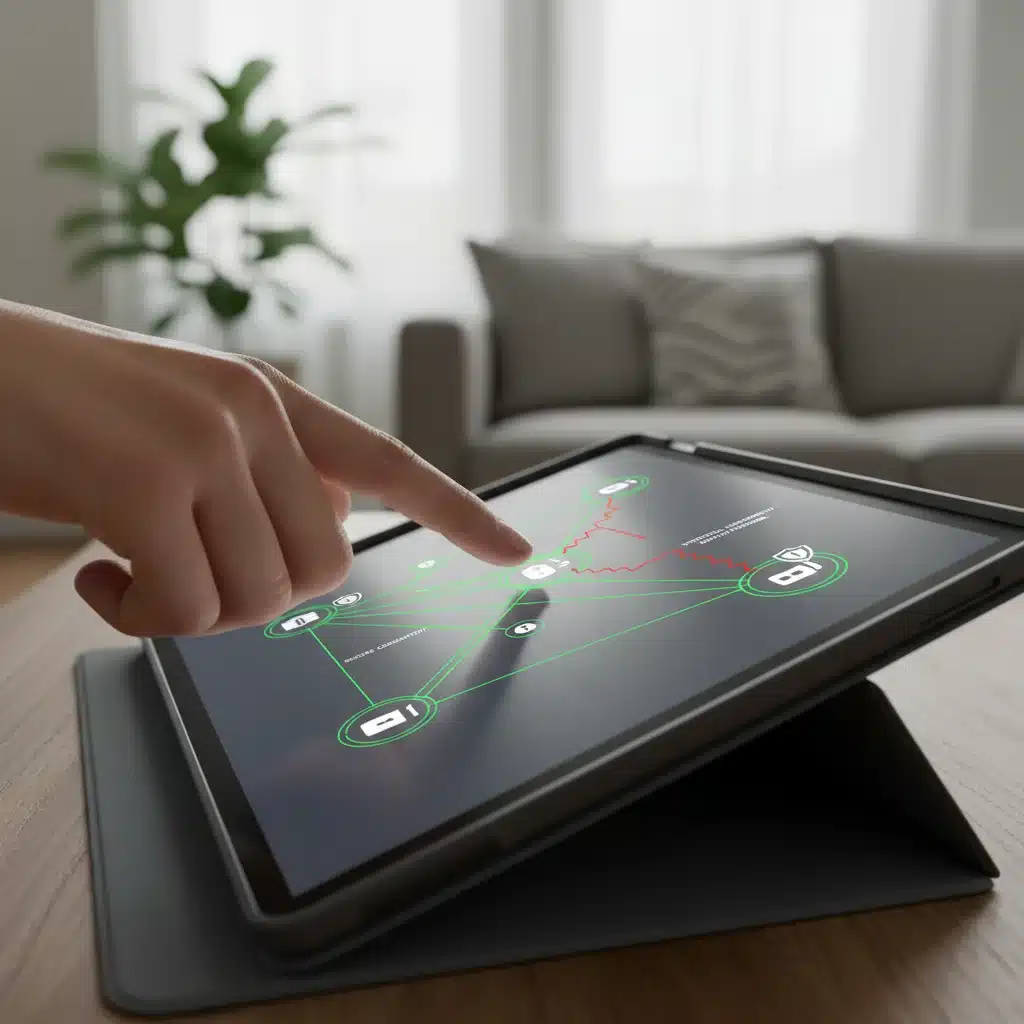
Your home network is the backbone of your smart home. Securing it is paramount. Here’s how:
- Router Security: Change the default administrator username and password immediately. Use WPA3 encryption if your router supports it (WPA2 is the minimum acceptable). Disable WPS (Wi-Fi Protected Setup) as it has known vulnerabilities.
- Guest Network: Create a separate guest Wi-Fi network and connect all your smart devices to it, especially those that don’t handle sensitive data or are from less reputable manufacturers. This isolates them from your main network where your computers and phones store critical information.
- Network Segmentation (VLANs): For advanced users, implementing VLANs (Virtual Local Area Networks) can further segment your network, creating separate logical networks for different types of devices (e.g., one for personal devices, one for smart home IoT, one for guests). This prevents a compromised smart device from gaining access to your entire network.
- Firewall: Ensure your router’s firewall is enabled and properly configured to block unwanted incoming connections.
- DNS Filtering: Consider using a DNS filtering service (e.g., OpenDNS, Cloudflare DNS) to block known malicious websites and phishing attempts at the network level.
4. Device Auditing and Prudent Purchasing
Before you buy a new smart device, do your research. Look for manufacturers with a strong reputation for security and privacy. Check reviews for reports of vulnerabilities or poor update practices. Consider the necessity of each device – do you really need that internet-connected toaster? Regularly audit your existing devices: know what you own, what data they collect, and whether they are still receiving security updates. If a device is no longer supported or updated, consider discontinuing its use or isolating it from your main network.
5. Privacy Settings Review and Data Minimization
Many smart devices collect vast amounts of data. Take the time to review the privacy settings of each device and its associated app. Opt-out of data collection features that aren’t essential for the device’s functionality. For example, disable microphone access for apps that don’t need it, or limit location tracking. The principle of data minimization states that you should only allow devices to collect the minimum amount of data necessary for their intended purpose. Be wary of devices that demand excessive permissions without clear justification.
Advanced Strategies for Smart Home Security 2026
For those looking to go beyond the basics, here are some advanced strategies to further harden your smart home security 2026:
Intrusion Detection Systems (IDS) for Your Network
While typically found in corporate environments, scaled-down IDS solutions are becoming available for home users. These systems monitor network traffic for suspicious activity, alerting you to potential intrusions or unusual data transfers from your smart devices. Tools like Pi-hole, while primarily an ad-blocker, can also provide insights into device network activity and block known malicious domains.
Physical Security of Smart Devices
Don’t overlook physical security. Ensure that smart hubs, routers, and sensitive devices are placed in secure locations, inaccessible to unauthorized individuals. If a device has a physical reset button, ensure it’s not easily accessible to prevent someone from factory resetting it and gaining control. For outdoor cameras or smart locks, ensure they are tamper-proof and robust.
Regular Security Audits and Penetration Testing (DIY or Professional)
For the technically inclined, consider performing your own basic security audit using open-source tools to scan your network for open ports or known vulnerabilities. For a more thorough assessment, you might consider hiring a professional cybersecurity firm to conduct a penetration test on the smart home ecosystem. This involves simulating a cyberattack to identify weaknesses before malicious actors do.
Understanding Vendor Policies and End-of-Life (EOL) Cycles
Stay informed about the security policies of your smart device manufacturers. Understand their commitment to ongoing updates, their data handling practices, and their End-of-Life (EOL) policies for devices. When a device reaches its EOL, it typically no longer receives security updates, making it a significant risk. Plan to replace or decommission such devices proactively.
Using a VPN (Virtual Private Network) for Remote Access
If you frequently access your smart home devices remotely, consider using a VPN. A VPN encrypts your internet traffic, creating a secure tunnel between your device and your home network. This adds a crucial layer of protection against eavesdropping and man-in-the-middle attacks when you’re connecting from public Wi-Fi networks or other unsecured environments. Some advanced routers offer built-in VPN server capabilities.
Specific Device Security Considerations for 2026
While general principles apply, certain device categories demand specific attention for robust smart home security 2026:
Smart Cameras and Doorbells
- Placement: Be mindful of camera placement to avoid inadvertently capturing public spaces or private areas of neighbors.
- Encryption: Ensure video streams are encrypted both in transit and at rest (cloud storage).
- Access Control: Limit access to camera feeds to only necessary users and use strong, unique passwords.
- Motion Detection Zones: Configure motion detection zones to reduce unnecessary recordings and potential privacy concerns.
Voice Assistants (Alexa, Google Assistant, Siri)
- Privacy Settings: Regularly review and adjust privacy settings, including deleting voice recordings and limiting data sharing.
- Microphone Control: Utilize physical mute buttons when the assistant is not in use.
- Permissions: Be cautious about granting permissions to third-party skills or actions.
Smart Locks and Access Control Systems
- Redundancy: Don’t rely solely on smart locks; maintain traditional physical lock backups.
- Notifications: Enable notifications for lock/unlock events to monitor access.
- Regular Audits: Periodically review user access codes and revoke access for individuals who no longer need it.
- Strong Encryption: Ensure the communication between the lock and its hub/app is strongly encrypted.
Smart Thermostats and Lighting
- While seemingly less critical, these devices can still be entry points. Ensure they are on a secure network, have strong passwords, and are regularly updated. A compromised thermostat could potentially be used to gather occupancy data or launch further attacks.

The Human Element: Cultivating a Security-Conscious Mindset
Technology alone cannot guarantee complete security. The human element often remains the weakest link. Educating yourself and your family members about cybersecurity best practices is crucial for robust smart home security 2026. This includes:
- Recognizing Phishing Attempts: Teach everyone in the household to be skeptical of unsolicited emails, texts, or calls, especially those asking for personal information or login credentials.
- Understanding Permissions: Explain why it’s important to be cautious about granting app permissions and what data smart devices collect.
- Password Hygiene: Emphasize the importance of strong, unique passwords and the dangers of sharing them.
- Device Management: Ensure everyone knows how to identify and report suspicious device behavior.
The Future of Smart Home Security Beyond 2026
Looking beyond 2026, the landscape of smart home security will continue to evolve rapidly. We can anticipate several key trends:
- AI and Machine Learning for Anomaly Detection: Increasingly, AI will be deployed at the network edge and within devices to detect unusual patterns of behavior that could indicate a compromise. This proactive approach will be vital for identifying zero-day threats.
- Decentralized Identity and Blockchain: Distributed ledger technologies could play a role in creating more secure and verifiable identities for devices and users, reducing reliance on centralized authorities for authentication.
- Enhanced Regulatory Oversight: Governments and regulatory bodies are likely to impose stricter security and privacy standards on IoT device manufacturers, leading to more secure-by-design products.
- Self-Healing Networks: Future smart home networks might possess self-healing capabilities, automatically isolating compromised devices or reconfiguring connections to mitigate threats without user intervention.
- Quantum-Resistant Cryptography: As quantum computing advances, the need for quantum-resistant encryption methods will become critical to protect data from future decryption capabilities.
Conclusion: Your Proactive Role in Smart Home Security 2026
The vision of a truly smart home is one of comfort, efficiency, and seamless integration. However, realizing this vision securely requires vigilance and a proactive approach. As we navigate 2026 and beyond, the responsibility for securing your connected sanctuary rests significantly on your shoulders. By understanding the evolving threat landscape, implementing strong foundational security practices, adopting advanced strategies, and fostering a security-conscious mindset, you can significantly mitigate risks and enjoy the full benefits of your smart home.
Regularly review your security posture, stay informed about the latest threats and solutions, and don’t hesitate to upgrade devices or seek expert advice when needed. Your smart home security 2026 is an ongoing commitment, not a one-time setup. Embrace the convenience of smart technology, but always prioritize its protection. A secure smart home is a truly smart home.