In an increasingly connected world, the allure of a smart home is undeniable. Beyond convenience and automation, smart home security systems offer unparalleled peace of mind. However, this advanced protection often comes with a recurring cost: monitoring services. As we look towards 2026, many homeowners are asking a crucial question: how can I maintain robust security without breaking the bank? The good news is that significant savings are within reach. This comprehensive guide will delve into the financial landscape of smart home security, offering practical, actionable strategies to help you save up to 20% annually on monitoring services.
The evolution of smart home technology has brought about a paradigm shift in how we protect our properties. From intelligent cameras that distinguish between pets and people to smart locks that can be controlled remotely, the capabilities are vast. Yet, the ongoing expense of professional monitoring can be a deterrent for some. Our goal is to demystify these costs and empower you with the knowledge to make informed decisions that optimize both your security and your budget. We’ll explore everything from understanding your current expenses to leveraging new technologies and negotiating better deals, all with a focus on achieving substantial smart home security savings by 2026.
Understanding the Current Landscape of Smart Home Security Costs
Before we can strategize for savings, it’s essential to understand what you’re currently paying for and why. Smart home security costs are typically multifaceted, encompassing equipment, installation, and, most significantly, ongoing monitoring fees. These fees can vary widely based on the provider, the level of service, and the specific features included.
Deconstructing Your Security Bill
Most professional monitoring services charge a monthly or annual fee. This fee covers the cost of a central station that receives alerts from your system and dispatches emergency services (police, fire, medical) when necessary. Beyond this core service, providers often bundle additional features:
- Cellular Backup: Ensures your system remains connected even if your internet or power goes out.
- Cloud Storage: For video recordings from security cameras.
- Home Automation Integration: Allowing control of lights, thermostats, and other smart devices through the security app.
- Environmental Monitoring: Such as smoke, carbon monoxide, and flood detection.
- Interactive Services: Remote arming/disarming, custom alerts, and system status checks via a mobile app.
Each of these features adds value, but also contributes to the overall cost. A critical first step in achieving smart home security savings is to scrutinize your current bill and identify which services you truly need and use.
Average Costs in 2024 and Projections for 2026
In 2024, basic professional monitoring services typically range from $20 to $40 per month. More comprehensive plans, including video monitoring, home automation, and cellular backup, can push these costs to $50-$70 per month, or even higher for premium packages. Annually, this translates to anywhere from $240 to over $840.
Looking ahead to 2026, several factors will influence these costs. Advancements in AI and machine learning could potentially streamline monitoring operations, leading to slight reductions in operational costs for providers. However, increased demand for advanced features and the rising cost of living could also put upward pressure on prices. Our aim is to navigate these potential fluctuations to secure tangible smart home security savings.
Understanding these baseline figures and potential trends is crucial for setting realistic savings goals. The 20% annual saving target is ambitious but achievable with the right strategies.
Strategy 1: Optimizing Your Monitoring Plan and Provider
The most direct path to smart home security savings often lies in re-evaluating your current monitoring plan and provider. Loyalty is commendable, but it can sometimes be costly.
Negotiating with Your Current Provider
Many homeowners overlook the power of negotiation. If you’ve been a long-term customer, your current provider may be willing to offer discounts or upgrade your service for the same price to retain your business. Before calling, do your homework:
- Research Competitor Offers: Arm yourself with information about what other companies are offering for similar services.
- Highlight Your Loyalty: Remind them how long you’ve been a customer.
- Be Prepared to Downgrade: If you identify features you don’t need, suggest downgrading your plan as a negotiation tactic.
- Ask for Annual Payment Discounts: Some providers offer a discount (e.g., 10-15%) if you pay for the entire year upfront. This can be a significant boost to your smart home security savings.
Shopping Around for Better Deals
The security market is competitive. Don’t be afraid to explore new options. Look for providers that offer:
- No-Contract Options: Many modern security companies offer month-to-month monitoring, giving you flexibility and sometimes lower rates.
- Bundled Services: If you’re also looking for internet, TV, or home phone services, some providers offer security monitoring as part of a discounted bundle.
- Introductory Offers: New customers often receive promotional rates for the first year or two. Be mindful of what the price jumps to after the promotional period.
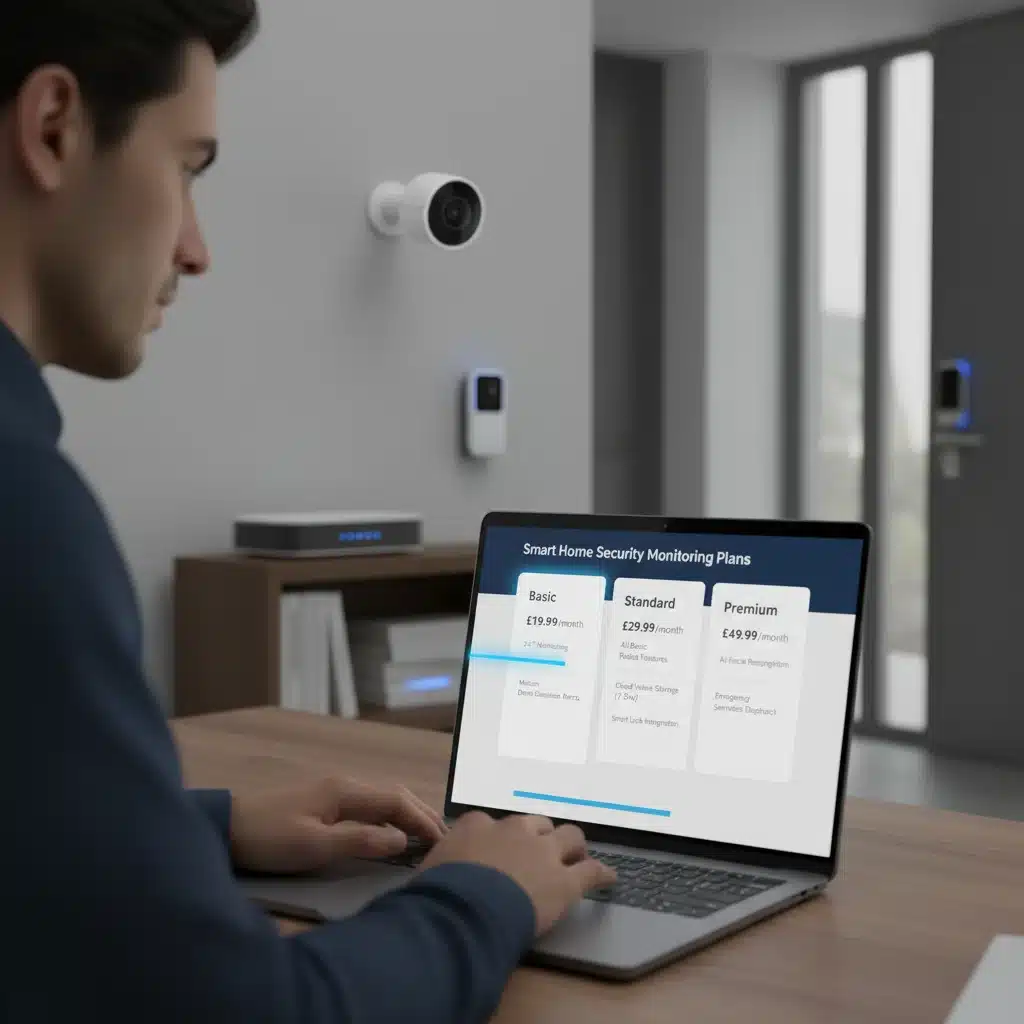
When comparing, focus on the total annual cost, not just the monthly fee. Factor in any equipment costs, activation fees, and potential hidden charges to truly gauge your potential smart home security savings.
Right-Sizing Your Monitoring Features
As mentioned earlier, a detailed review of your current plan is paramount. Do you really need 24/7 professional video monitoring if you’re rarely away from home for extended periods? Could you rely more on self-monitoring for certain aspects?
- Assess Your Lifestyle: If you travel frequently, professional monitoring with cellular backup and video verification might be essential. If you work from home, perhaps a less intensive plan suffices.
- Prioritize Critical Alerts: Focus on monitoring for break-ins, fire, and carbon monoxide. Less critical alerts (e.g., package delivery notifications) can often be handled via self-monitoring.
- Leverage Smart Home Ecosystems: If you have a robust smart home ecosystem (e.g., Apple HomeKit, Google Home, Amazon Alexa), you might already have devices that can provide some level of security monitoring without extra fees.
By carefully pruning unnecessary features, you can significantly reduce your monthly outlay and achieve meaningful smart home security savings.
Strategy 2: Embracing DIY and Hybrid Security Solutions
The rise of DIY smart home security systems has revolutionized the industry, offering powerful alternatives to traditional professionally installed and monitored setups. This approach can lead to substantial smart home security savings.
The Power of Self-Monitoring
Self-monitoring involves receiving alerts directly on your smartphone or other devices and taking action yourself, such as calling emergency services. While it requires more personal involvement, it completely eliminates monthly monitoring fees. Modern DIY systems offer:
- Instant Notifications: Get alerts for door/window breaches, motion detection, smoke, and more.
- Live Video Feeds: View camera feeds from anywhere.
- Remote Control: Arm/disarm your system, lock doors, and control lights from your phone.
This option is ideal for those who are comfortable managing their own security and are often available to respond to alerts. Brands like Ring, Arlo, SimpliSafe (with self-monitoring options), and Wyze offer robust self-monitored solutions.
Hybrid Models: The Best of Both Worlds
If full self-monitoring feels like too much responsibility, a hybrid approach might be perfect. Many DIY systems offer optional professional monitoring on a month-to-month basis. This means you can:
- Pay Only When Needed: If you go on vacation, you can subscribe to professional monitoring for that period and cancel when you return.
- Flexibility: Easily switch between self-monitoring and professional monitoring based on your needs and budget.
- Lower Overall Costs: Even if you use professional monitoring for a few months a year, your annual cost will be significantly lower than a year-round contract.
This flexibility is a key driver for smart home security savings, allowing you to tailor your security expenditure precisely to your lifestyle.
Leveraging Smart Home Devices for Enhanced Security
Many smart home devices, even those not primarily designed as security systems, can contribute to your overall home protection and reduce the need for expensive monitoring services:
- Smart Lighting: Automate lights to turn on/off, making it appear as if someone is home.
- Smart Doorbells: See and speak to visitors, record motion-triggered video, and deter potential intruders.
- Smart Sensors: Door/window sensors, motion sensors, and water leak detectors can integrate with your smart home hub to send alerts without a dedicated security monitoring service.
- Voice Assistants: Devices like Amazon Echo or Google Home can be set up to detect glass breaking or smoke/CO alarms and send alerts.
By building a cohesive smart home ecosystem, you can create a powerful, multi-layered security system that minimizes reliance on costly external monitoring, thus maximizing your smart home security savings.
Strategy 3: Smart Equipment Choices and Maintenance
The upfront cost of security equipment can be substantial. Making smart choices here can indirectly lead to long-term smart home security savings.
Investing in Quality, Durable Equipment
While cheaper equipment might seem appealing, it often leads to premature failures, costly replacements, and potential security vulnerabilities. Investing in reliable, well-reviewed smart security devices from reputable brands can save you money in the long run by reducing the need for frequent upgrades or repairs. Look for:
- Good Warranties: A strong warranty indicates manufacturer confidence in product durability.
- Positive User Reviews: Real-world feedback on reliability and performance is invaluable.
- Future-Proofing: Choose devices that are likely to receive software updates and remain compatible with evolving smart home standards.
DIY Installation vs. Professional Installation
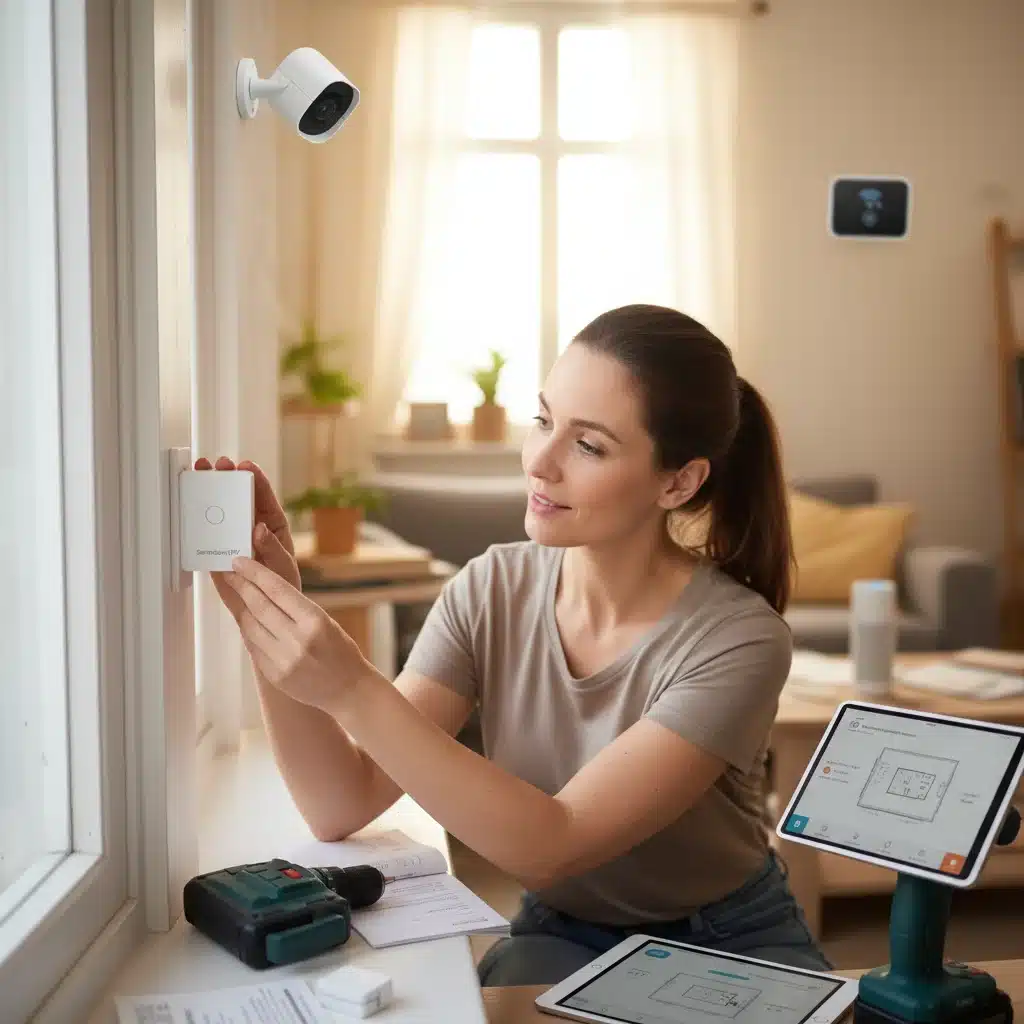
Professional installation can add hundreds of dollars to your initial setup costs. Many modern smart home security systems are designed for easy DIY installation, complete with step-by-step app instructions. If you’re reasonably handy, opting for DIY installation can provide immediate smart home security savings.
However, for complex systems or those requiring hardwiring, professional installation might be a worthwhile investment to ensure everything is set up correctly and functions optimally.
Regular Maintenance and Updates
Neglecting your security system can lead to malfunctions, false alarms (which can incur fees), and reduced effectiveness. Regular maintenance ensures longevity and optimal performance:
- Battery Checks: Replace batteries in wireless sensors and smoke detectors regularly.
- Software Updates: Ensure all your smart devices and hubs are running the latest firmware for security patches and new features.
- Sensor Cleaning: Dust and debris can interfere with motion sensors and camera lenses.
- Network Security: Secure your home Wi-Fi network with a strong password and regular updates to your router’s firmware to prevent unauthorized access to your smart devices.
Proactive maintenance prevents costly service calls and ensures your system is always ready to protect your home, contributing indirectly to your smart home security savings by avoiding unexpected expenses.
Strategy 4: Leveraging Insurance Discounts and Community Programs
Beyond direct cost reductions, there are external avenues for achieving smart home security savings.
Homeowner’s Insurance Discounts
Many insurance providers offer significant discounts (often 5-20%) on homeowner’s insurance premiums for homes equipped with security systems, especially those with professional monitoring. Be sure to:
- Inform Your Insurer: Let your insurance company know about your security system. Provide details about the type of system (monitored, self-monitored), fire alarms, carbon monoxide detectors, and smart water leak sensors.
- Inquire About Specific Discounts: Ask about specific discounts for different types of security features. For example, some insurers offer higher discounts for systems that include environmental monitoring.
- Review Annually: As you upgrade your security, inform your insurer to see if you qualify for additional savings.
These discounts, when combined with other strategies, can push your total smart home security savings well over the 20% target.
Community and Neighborhood Watch Programs
While not directly reducing monitoring costs, participating in local community watch programs or neighborhood security initiatives can enhance your overall security posture, potentially reducing your perceived need for the most expensive monitoring plans. A strong community presence can deter crime, acting as an additional layer of protection. Some communities might even negotiate group discounts with security providers, which is worth exploring.
Future Trends and What to Expect by 2026
The smart home security landscape is constantly evolving. By 2026, we can anticipate several key trends that might further influence costs and savings opportunities:
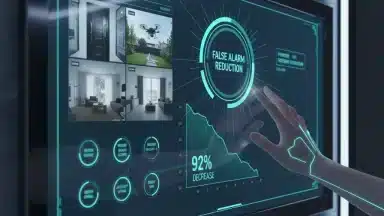
- AI-Powered Monitoring: More sophisticated AI will reduce false alarms and improve threat detection, potentially leading to more efficient (and thus cheaper) monitoring services.
- Increased Interoperability: Devices from different manufacturers will communicate more seamlessly, offering greater flexibility in building bespoke, cost-effective security systems.
- Subscription Model Innovations: Expect more granular subscription options, allowing users to pay only for specific features and timeframes, enhancing flexibility and smart home security savings.
- Edge Computing: More processing will happen directly on devices (e.g., cameras), reducing reliance on cloud infrastructure for basic analytics and potentially lowering cloud storage costs.
- Enhanced Cybersecurity: As smart homes become more prevalent, so does the need for robust cybersecurity. Providers will invest more in securing devices and networks, which might be reflected in costs, but also in greater peace of mind.
Staying informed about these trends will enable you to adapt your security strategy and continue maximizing your smart home security savings well into the future.
Putting It All Together: Your 20% Savings Action Plan
Achieving a 20% annual saving on your smart home security monitoring by 2026 is an attainable goal. Here’s a quick action plan to guide you:
- Audit Your Current Expenses: Understand every line item on your security bill.
- Review Your Needs: Determine which monitoring features are essential for your lifestyle.
- Negotiate with Current Provider: Leverage competitor offers and your loyalty for a better deal.
- Shop Around: Get quotes from at least three different providers, focusing on total annual costs and contract terms.
- Explore DIY/Hybrid Options: Consider self-monitoring or month-to-month professional monitoring for flexibility.
- Leverage Smart Home Devices: Utilize existing smart tech for added security layers.
- Claim Insurance Discounts: Inform your homeowner’s insurance provider about your security system.
- Maintain Your System: Prevent costly repairs and ensure optimal performance.
By diligently implementing these strategies, you can significantly reduce your smart home security expenditures without compromising on the safety and peace of mind you deserve. The future of smart home security is not just about advanced technology, but also about smart financial management. Start today, and secure your home and your budget for 2026 and beyond.