The Future of Smart Kitchens: 4 Innovative Appliances Shaping 2026 Culinary Experiences
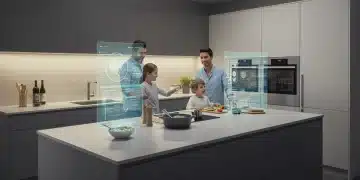
The kitchen, often considered the heart of the home, is on the cusp of a profound transformation. What was once a utilitarian space is rapidly evolving into a nexus of technology, efficiency, and personalized culinary artistry. As we look towards 2026, the integration of artificial intelligence, advanced robotics, and sustainable practices is set to redefine our cooking and dining experiences. The era of the smart kitchen appliances is not just arriving; it’s accelerating, promising a future where meal preparation is more intuitive, less wasteful, and incredibly delicious.
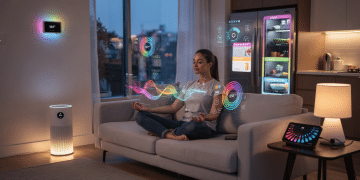
Gone are the days when ‘smart’ simply meant a refrigerator that could tell you the weather. Today’s and tomorrow’s smart kitchen technologies are deeply embedded with intelligence, learning our preferences, optimizing energy consumption, and even suggesting healthier meal options. This isn’t just about convenience; it’s about creating a holistic culinary ecosystem that caters to our individual needs, dietary restrictions, and environmental consciousness. The shift is monumental, moving from reactive appliances to proactive culinary companions.
In this comprehensive exploration, we will delve into four groundbreaking smart kitchen appliances that are not only pushing the boundaries of innovation but are also poised to become indispensable elements of our kitchens by 2026. From AI-driven cooking systems to hyper-efficient food preservation units, these technologies promise to make our lives easier, our food better, and our kitchens smarter than ever before. Prepare to be amazed by the ingenuity and potential of these future culinary marvels.
1. The AI-Powered Predictive Cooking Oven
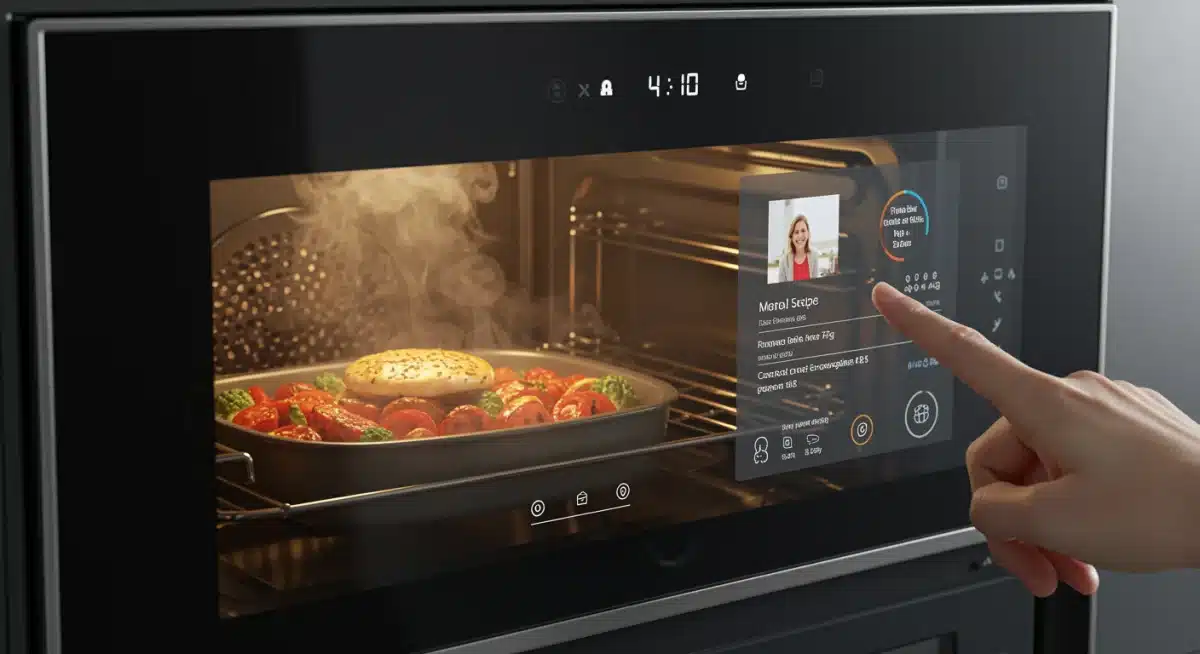
Imagine an oven that not only cooks your food perfectly but also anticipates your needs, learns your preferences, and suggests recipes based on ingredients you have on hand and your family’s dietary goals. This is the promise of the AI-powered predictive cooking oven, a cornerstone of future smart kitchen appliances. By 2026, these ovens will be far more than just heating elements; they will be sophisticated culinary assistants.
How it Works: Beyond Basic Presets
The intelligence within these ovens stems from advanced AI algorithms combined with an array of sensors. These sensors monitor everything from the internal temperature of your food, its moisture content, and even its browning levels. The AI takes this data and cross-references it with a vast database of recipes, cooking techniques, and user preferences. Over time, it learns what ‘perfectly roasted chicken’ means to you, adjusting cooking times and temperatures autonomously.
Consider a scenario: you place a piece of salmon in the oven. The AI immediately recognizes the item, suggests optimal cooking methods (baking, broiling, steaming), and even pairs it with side dish recommendations. It can detect if the fish is frozen or fresh, adjusting its approach accordingly. Furthermore, integrated cameras can monitor the cooking process, sending real-time updates to your smart device and alerting you when your meal is ready, or if any intervention is needed.
Personalization and Dietary Management
One of the most compelling features of these smart kitchen appliances will be their ability to personalize cooking to an unprecedented degree. Users will input their dietary restrictions (allergies, gluten-free, vegan), health goals (low-carb, high-protein), and taste preferences. The oven’s AI will then filter recipe suggestions, ensuring every meal aligns with these parameters. It could even connect with your fitness tracker to suggest post-workout meals or lighter options on less active days.
For families with diverse dietary needs, this technology is a game-changer. Imagine one family member requiring a low-sodium diet while another needs high protein. The AI oven could guide the preparation of a single meal with variations, ensuring everyone’s needs are met without requiring separate cooking processes. This level of customization moves beyond simple recipe following; it’s about intelligent, adaptive cooking.
Energy Efficiency and Sustainability
Beyond culinary perfection, these AI ovens will also contribute significantly to sustainability. By precisely monitoring cooking, they minimize energy waste associated with overcooking or unnecessary preheating. Some models might even incorporate multi-zone heating, allowing different dishes to cook at varying temperatures simultaneously within the same cavity, further reducing energy consumption. The predictive nature of the AI can also help reduce food waste by suggesting recipes that utilize ingredients nearing their expiration date, integrating seamlessly with other smart kitchen appliances like smart refrigerators.
The AI-powered predictive cooking oven represents a leap forward, transforming the oven from a passive appliance into an active, intelligent partner in your culinary journey. Its ability to learn, adapt, and personalize will make it an indispensable tool for home cooks of all skill levels.
2. Robotic Chef Assistants for Precision and Variety
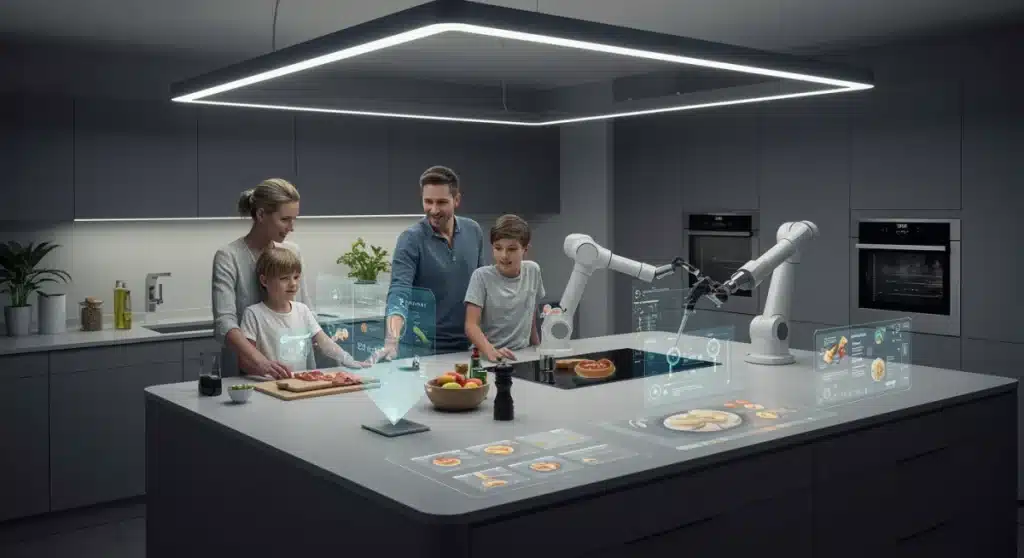
While AI ovens handle the heat, the physical act of preparing ingredients and assembling dishes can be tedious and time-consuming. Enter the robotic chef assistant, another revolutionary piece of the smart kitchen appliances puzzle. By 2026, these compact, highly dexterous robots will be capable of performing a wide array of kitchen tasks with incredible precision and consistency.
From Chopping to Plating: The Versatility of Robotics
Early iterations of robotic chefs have focused on specific tasks, but the next generation will be far more versatile. Equipped with advanced sensors, multiple articulating arms, and a suite of interchangeable tools (knives, whisks, spatulas), these robots will be able to chop vegetables, knead dough, stir sauces, and even plate complex dishes with restaurant-quality finesse. Their precision will reduce waste and ensure consistent results every time.
Imagine uploading a gourmet recipe, and your robotic chef assistant takes over: precisely dicing onions, mincing garlic, and sautéing ingredients to perfection while you focus on other tasks or simply relax. These robots will integrate with your smart kitchen ecosystem, receiving instructions from your AI oven or smart refrigerator about ingredient availability and cooking timelines. They can even be programmed to handle delicate tasks, like decorating a cake or filleting a fish, which might be challenging for many home cooks.
Learning and Adapting to Your Culinary Style
Just like the AI oven, robotic chef assistants will be designed to learn. Through machine learning, they will adapt to your preferred cutting styles, seasoning levels, and even the consistency you like in your sauces. Over time, they become intimately familiar with your culinary fingerprint, allowing for a truly personalized cooking experience. This learning capability extends to new recipes as well; the more you use them, the more proficient and aligned with your tastes they become.
This isn’t about replacing the joy of cooking, but rather augmenting it. For those with limited time, physical limitations, or a desire to explore new cuisines without the steep learning curve, robotic chef assistants offer an unparalleled solution. They empower home cooks to achieve culinary feats previously reserved for professional chefs, making complex dishes accessible to everyone. The repetitive and time-consuming aspects of food preparation can be delegated, freeing up time for creativity or simply enjoying the company of family and friends.
Safety and Integration in the Smart Kitchen
Safety will be paramount in the design of these smart kitchen appliances. Advanced vision systems and proximity sensors will ensure they operate safely alongside humans, pausing or adjusting movements if an obstacle is detected. Their integration into the broader smart kitchen ecosystem will be seamless. For instance, your smart refrigerator might inform the robotic chef about the available ingredients, and the robotic chef, in turn, preps them for the AI oven. This interconnectedness creates a highly efficient and harmonious cooking environment.
The rise of robotic chef assistants signifies a monumental shift in how we approach meal preparation, promising a future where gourmet cooking is not just for the few, but for everyone with a smart kitchen.
3. Modular Smart Refrigeration Systems with Dynamic Preservation
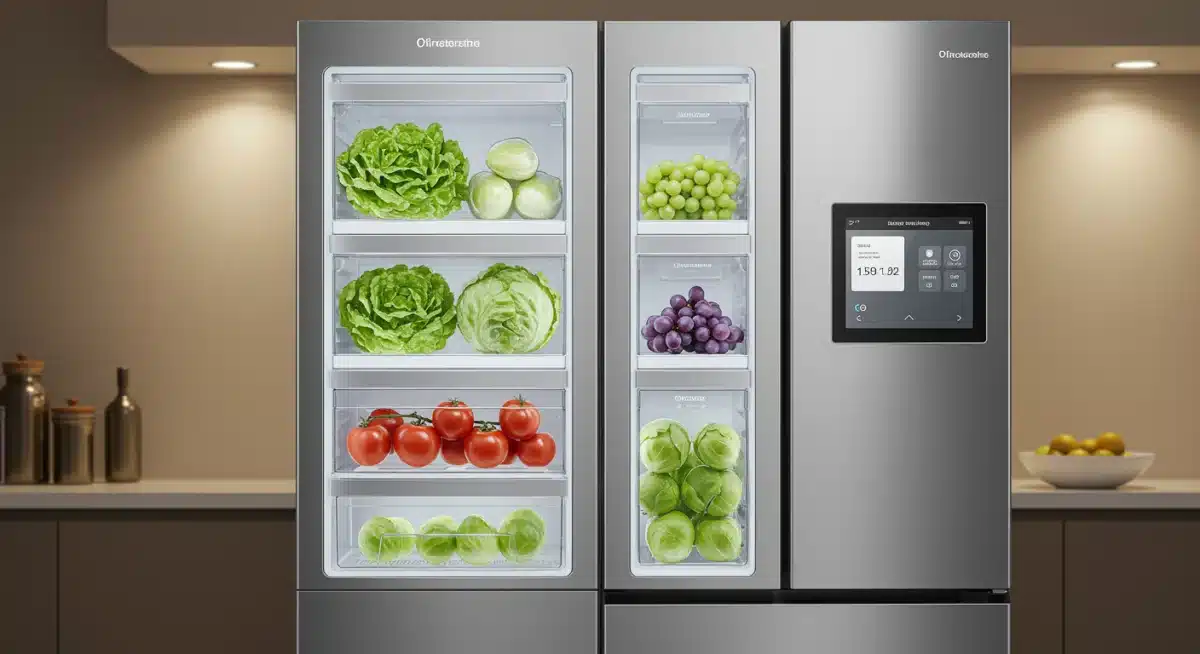
Food waste is a significant global problem, and traditional refrigerators, while essential, haven’t always been optimized to combat it effectively. By 2026, we can expect to see the widespread adoption of modular smart refrigeration systems, a game-changer among smart kitchen appliances designed to drastically reduce spoilage and extend the life of our groceries.
Beyond a Single Cold Box: Tailored Environments
These next-generation refrigerators move away from the ‘one size fits all’ approach. Instead, they will consist of multiple, independently controlled modular compartments, each capable of maintaining precise temperature and humidity levels optimized for specific food types. Imagine a drawer specifically for leafy greens with higher humidity, another for fresh meats at a colder, drier temperature, and yet another for delicate berries. This dynamic preservation ensures each item is stored under ideal conditions, significantly extending its freshness.
Sensors within each module will constantly monitor the condition of the food, detecting early signs of spoilage and adjusting parameters accordingly. For example, if a batch of strawberries starts to release ethylene gas, the system could increase ventilation or slightly lower the temperature in that specific module to slow down the ripening process for other produce. This level of granular control is a far cry from current refrigerator technology and will dramatically impact food longevity.
Smart Inventory Management and AI Integration
A key feature of these modular units will be advanced inventory management. Integrated cameras and weight sensors will automatically track what’s inside, how much of it you have, and crucially, its expiration date. This data is then fed into an AI system that can notify you when items are nearing their expiry, suggest recipes to use them up, or even automatically add them to your grocery list for replenishment.
This integration with AI extends to personalized meal planning. The refrigerator, knowing your inventory and dietary preferences (communicated from your AI oven or smart kitchen hub), can suggest meals that minimize waste and maximize nutritional value. It could even connect with smart grocery delivery services, automatically ordering staples when they run low, ensuring you always have what you need without overstocking or forgetting essentials. This seamless flow of information between smart kitchen appliances creates a truly intelligent food management system.
Sustainability and Energy Efficiency
By preventing food waste, these modular refrigerators contribute significantly to environmental sustainability. Less food thrown away means fewer resources (water, energy, land) are wasted in production and transportation. Furthermore, the modular design allows for more efficient cooling. Instead of cooling one large compartment, individual modules can be optimized, leading to less energy consumption. Some systems might even employ advanced insulation materials or vacuum sealing technologies within modules for even greater efficiency and preservation.
The modular smart refrigeration system is more than just a fridge; it’s a sophisticated food preservation and management hub, ensuring your ingredients stay fresh longer, reducing waste, and making your culinary life more organized and sustainable.
4. Integrated Smart Hydroponic Gardens and Composting Systems
The ultimate step towards a truly sustainable and self-sufficient smart kitchen appliances ecosystem involves bringing food production and waste management directly into the home. By 2026, integrated smart hydroponic gardens and advanced composting systems will become common features, allowing urban dwellers and eco-conscious consumers to grow their own fresh produce and process organic waste efficiently.
Freshness on Demand: The Smart Hydroponic Garden
Imagine having a vertical garden integrated seamlessly into your kitchen counter or wall, providing a continuous supply of fresh herbs, leafy greens, and even some small fruits and vegetables. These smart hydroponic gardens will feature automated lighting, nutrient delivery, and water recycling systems, all controlled via a central smart kitchen app. Sensors will monitor pH levels, nutrient concentrations, and plant growth, ensuring optimal conditions for a bountiful harvest.
These systems will not only provide unparalleled freshness but also significantly reduce the carbon footprint associated with food transportation. Users can select what they want to grow, and the system will guide them through the process, even connecting with the AI of other smart kitchen appliances to suggest recipes that utilize the freshly grown produce. This closed-loop system offers maximum control over what you eat, free from pesticides and herbicides, and picked moments before consumption.
Advanced Composting: Closing the Loop on Food Waste
Complementing the hydroponic gardens will be highly efficient, integrated smart composting systems. Traditional composting can be messy and time-consuming, but the next generation of composters will be compact, odor-free, and accelerate the decomposition process significantly. These units will break down food scraps, coffee grounds, and other organic waste into nutrient-rich soil amendments in a matter of hours or days, rather than weeks or months.
These smart composters will often integrate directly into kitchen cabinetry or under the sink, using heat, aeration, and sometimes even microbial accelerators to rapidly process waste. The resulting compost can then be used to feed the integrated hydroponic garden or traditional potted plants, truly closing the loop on kitchen waste. Sensors will monitor the composting process, alerting users when the compost is ready or if the system needs attention.
The Synergy of Grow and Dispose
The real power of these systems lies in their synergy. The output from the smart composter can directly feed the hydroponic garden, creating a self-sustaining cycle within your kitchen. This integration elevates the concept of the smart kitchen appliances beyond mere convenience to a realm of genuine self-sufficiency and environmental responsibility. It transforms the kitchen into a micro-ecosystem, where food is grown, prepared, consumed, and then recycled, all within arm’s reach.
These integrated systems represent a powerful stride towards a more sustainable future, offering fresh, healthy food while simultaneously tackling the pervasive issue of food waste at its source.
The Holistic Smart Kitchen Ecosystem of 2026
The four innovative smart kitchen appliances discussed – the AI-powered predictive cooking oven, robotic chef assistants, modular smart refrigeration systems, and integrated hydroponic gardens with composting systems – are not designed to operate in isolation. Their true power emerges when they are interconnected, forming a holistic smart kitchen ecosystem.
Seamless Integration and Communication
By 2026, your kitchen will be a symphony of intelligent devices communicating seamlessly. Your smart refrigerator will inform your AI oven about available ingredients and their freshness. The AI oven will then suggest recipes, which the robotic chef assistant will help prepare. Any organic waste generated during preparation will go into the smart composter, whose output might nourish your hydroponic garden, which in turn provides fresh ingredients for your next meal. This interconnectedness is managed by a central smart kitchen hub, often voice-activated or controlled via a single app, providing a unified and intuitive user experience.
Enhanced User Experience and Lifestyle Benefits
The benefits of such an integrated system are profound. Imagine waking up to your smart kitchen suggesting a personalized breakfast based on your health goals and available ingredients. As you leave for work, your oven preheats for dinner, receiving instructions from your meal plan. While you’re away, the robotic chef might start prepping ingredients. Upon your return, a delicious, perfectly cooked meal awaits, with minimal effort on your part.
This level of automation and intelligence not only saves time and reduces stress but also opens up new culinary possibilities. It encourages healthier eating by making nutritious meals easier to prepare, reduces food waste through intelligent management, and fosters a more sustainable lifestyle by promoting homegrown produce and efficient waste disposal. The kitchen becomes a partner in your daily life, anticipating your needs and simplifying complex tasks.
Addressing Challenges: Cost, Privacy, and Adoption
While the vision for 2026 is exciting, it’s important to acknowledge potential challenges. The initial cost of these advanced smart kitchen appliances may be a barrier for some. However, as technology matures and production scales, prices are expected to become more accessible, much like early smart home devices. Privacy concerns regarding data collection (e.g., dietary habits, inventory) will also need careful consideration, with manufacturers prioritizing robust security measures and transparent data policies.
User adoption will depend on ease of use and demonstrable benefits. Manufacturers will need to ensure these technologies are intuitive, reliable, and genuinely enhance the cooking experience, rather than adding unnecessary complexity. Education and compelling demonstrations of their value will be crucial for widespread acceptance.
Conclusion: The Dawn of a New Culinary Era
The kitchen of 2026 is set to be a marvel of technological integration and intelligent design. The four innovative smart kitchen appliances we’ve explored – AI-powered predictive cooking ovens, robotic chef assistants, modular smart refrigeration systems, and integrated hydroponic gardens with composting – are not just individual gadgets but synergistic components of a future culinary ecosystem. They promise a future where cooking is more intuitive, personalized, sustainable, and enjoyable than ever before.
This isn’t merely about adding technology for technology’s sake; it’s about fundamentally rethinking our relationship with food, cooking, and our homes. By embracing these advancements, we move towards a future where healthy, delicious meals are effortlessly prepared, food waste is minimized, and our living spaces are truly intelligent. The smart kitchen is no longer a futuristic fantasy; it’s a rapidly approaching reality that will redefine our culinary experiences and elevate the heart of our homes.
Get ready to step into a kitchen that cooks, learns, and cares – a kitchen that truly understands you.