Sustainable Smart Homes: 5 Eco-Friendly Tech Innovations for 2026
The concept of ‘home’ is evolving. No longer just a shelter, our residences are becoming intelligent ecosystems, actively contributing to our well-being and the planet’s health. As we stride towards 2026, the convergence of technology and environmental consciousness is accelerating, leading to the rise of truly sustainable smart homes. These aren’t just homes with fancy gadgets; they are meticulously designed environments that minimize ecological footprints, maximize resource efficiency, and enhance our quality of life through intelligent automation.
The urgency for sustainable living has never been greater. Climate change, resource depletion, and growing energy demands are pushing innovators to rethink how we build and inhabit our spaces. The smart home industry, initially focused on convenience and security, has pivoted significantly towards sustainability. This shift is not merely a trend; it’s a fundamental transformation driven by consumer demand, technological advancements, and a collective commitment to a greener future. By integrating cutting-edge technologies, sustainable smart homes promise to deliver significant reductions in energy consumption, water waste, and overall environmental impact, all while offering unparalleled comfort and control.
In this comprehensive exploration, we will delve into five groundbreaking eco-friendly tech innovations that are gaining significant traction and are poised to redefine sustainable smart homes by 2026. From advanced energy management systems to intelligent waste reduction, these technologies are not just futuristic concepts; many are already becoming accessible, making the dream of a truly green and smart home a tangible reality. Understanding these innovations is crucial for homeowners, developers, and anyone interested in shaping a more sustainable residential landscape.
The Dawn of Energy-Positive Homes: Advanced Renewable Integration
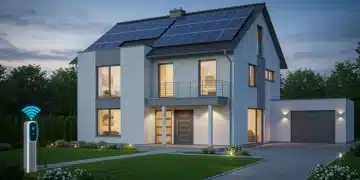
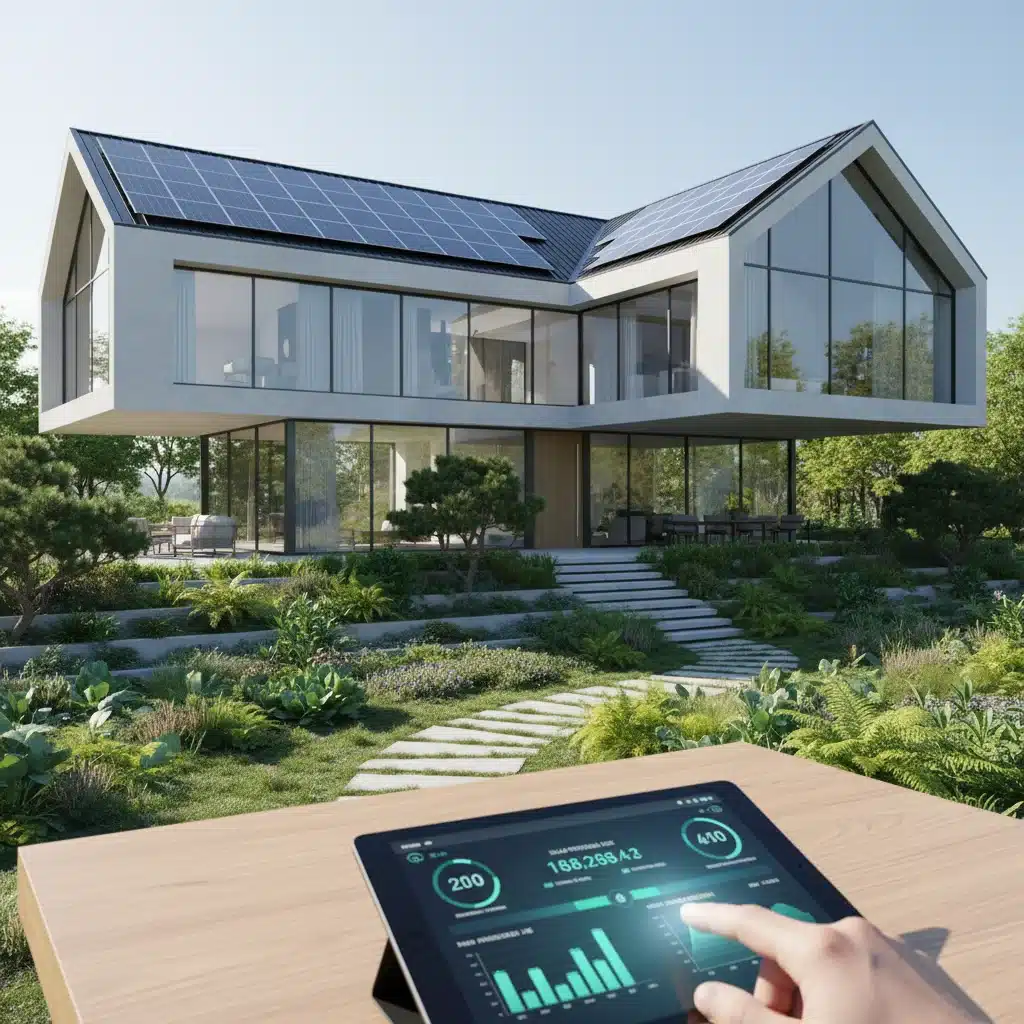
One of the most significant leaps in sustainable smart homes is the move towards energy-positive residences. This goes beyond merely reducing energy consumption; it involves homes generating more energy than they consume, effectively feeding surplus power back into the grid. This ambitious goal is becoming increasingly attainable thanks to advancements in renewable energy integration, particularly with solar and wind technologies, coupled with sophisticated energy storage solutions.
Next-Generation Solar Technology
While solar panels have been around for decades, the technology is rapidly evolving. By 2026, we can expect to see widespread adoption of more efficient, aesthetically integrated, and versatile solar solutions. Thin-film solar cells, transparent solar windows, and even solar paint are moving from experimental labs to commercial markets. These innovations allow solar energy harvesting to be seamlessly incorporated into various building materials, making solar power generation less obtrusive and more pervasive. Imagine windows that generate electricity while still allowing light to pass through, or roof tiles that are indistinguishable from traditional ones but are silently powering your home.
Intelligent Microgrids and Battery Storage
The true power of energy-positive sustainable smart homes lies in their ability to manage and store energy effectively. Advanced battery storage systems, like improved lithium-ion and solid-state batteries, are becoming more affordable and efficient. These systems store excess solar energy generated during peak sunlight hours for use at night or during cloudy days. Furthermore, the concept of a home microgrid is gaining traction. This allows a smart home to operate independently from the main power grid during outages and to optimize energy flow between generation, storage, and consumption. Bidirectional charging for electric vehicles (EVs) also plays a crucial role, allowing EV batteries to act as additional home energy storage, further enhancing resilience and sustainability.
Predictive Energy Management via AI
At the heart of these energy-positive systems is artificial intelligence (AI). AI algorithms analyze weather patterns, electricity prices, occupant behavior, and historical energy consumption data to predict future energy needs and optimize generation and usage. For instance, an AI-powered system might pre-cool or pre-heat a home during off-peak hours when electricity is cheaper or more abundant from solar generation, thereby reducing reliance on the grid during peak demand. This predictive capability is a game-changer, moving us from reactive energy management to proactive, intelligent optimization, making sustainable smart homes truly efficient.
Smart Water Management Systems: Conserving Every Drop
Water scarcity is a global challenge, and sustainable smart homes are at the forefront of addressing this issue through innovative water management technologies. These systems go beyond simple low-flow fixtures, offering comprehensive solutions for monitoring, conserving, and even recycling water within the household.
Real-time Water Usage Monitoring and Leak Detection
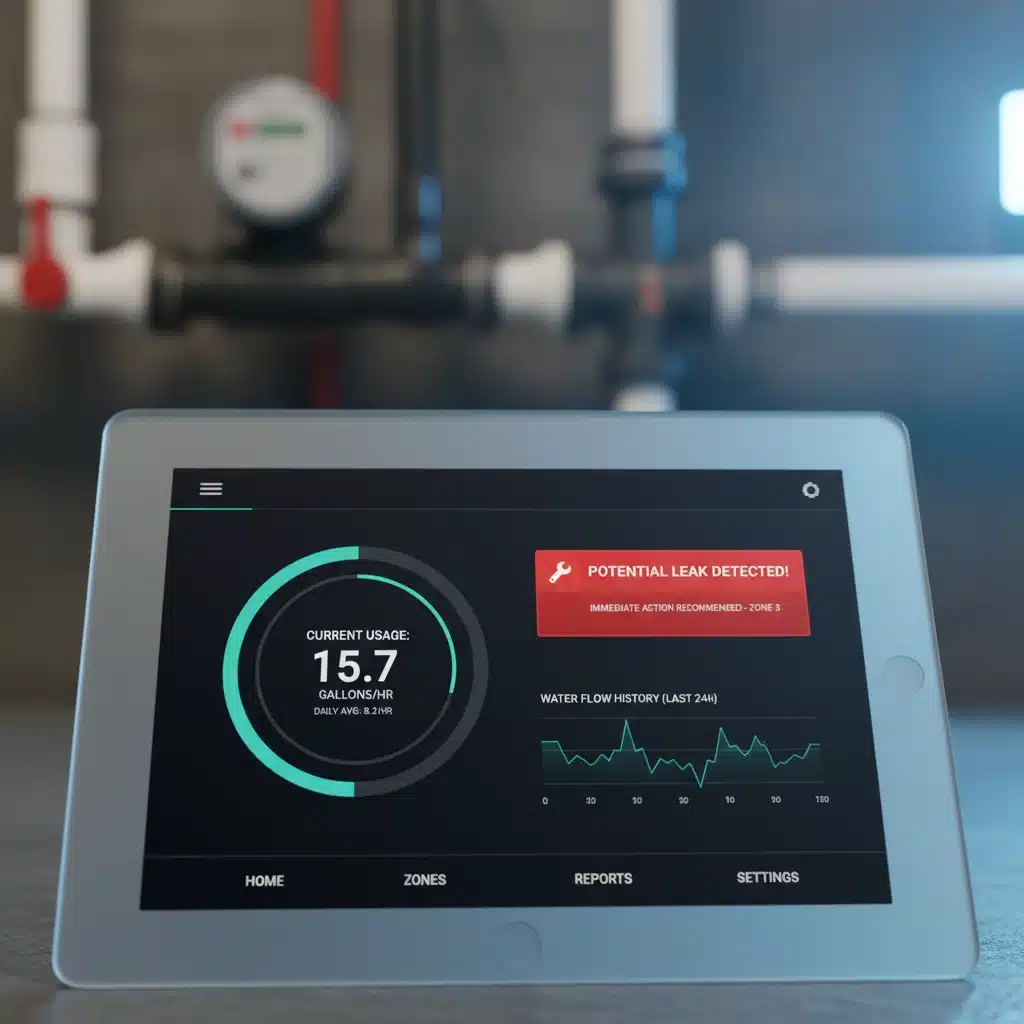
One of the most impactful innovations is the ability to monitor water usage in real-time, down to individual fixtures. Smart water meters and sensors installed throughout the plumbing system provide homeowners with detailed insights into where and how much water is being consumed. This data, accessible via a smartphone app, empowers residents to identify wasteful habits and make informed decisions. Crucially, these systems are also equipped with advanced leak detection capabilities. Minor leaks, often unnoticed for extended periods, can waste thousands of gallons of water annually. Smart sensors can detect even the smallest drips and alert homeowners instantly, sometimes even automatically shutting off the water supply to prevent extensive damage and waste. This proactive approach to water conservation is a hallmark of sustainable smart homes.
Greywater Recycling and Rainwater Harvesting
The concept of reusing water within the home is becoming increasingly sophisticated. Greywater recycling systems collect water from showers, sinks, and washing machines, filter it, and then repurpose it for non-potable uses such as toilet flushing and irrigation. This significantly reduces the demand for fresh water. Similarly, advanced rainwater harvesting systems collect and filter rainwater, making it suitable for a variety of household uses, from gardening to laundry. These integrated systems, often managed by a central smart hub, ensure that water resources are utilized to their fullest potential, dramatically lowering a home’s water footprint and embodying the principles of sustainable smart homes.
Smart Irrigation Systems
Outdoor water consumption, particularly for landscaping, can be substantial. Smart irrigation systems leverage local weather data, soil moisture sensors, and plant-specific requirements to optimize watering schedules. Instead of relying on a fixed timer, these systems only water when necessary, delivering the precise amount of water needed, thereby eliminating wasteful overwatering. This not only conserves water but also promotes healthier plant growth, making gardens and lawns an integral part of sustainable smart homes.
AI-Powered Climate Control: Hyper-Efficient Heating and Cooling
Heating and cooling represent a significant portion of a home’s energy consumption. By 2026, sustainable smart homes will feature AI-powered climate control systems that offer unprecedented levels of efficiency and personalized comfort, moving far beyond traditional programmable thermostats.
Predictive Learning and Zoned Control
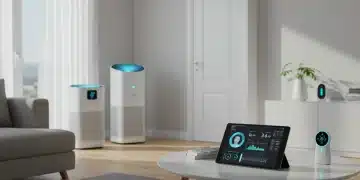
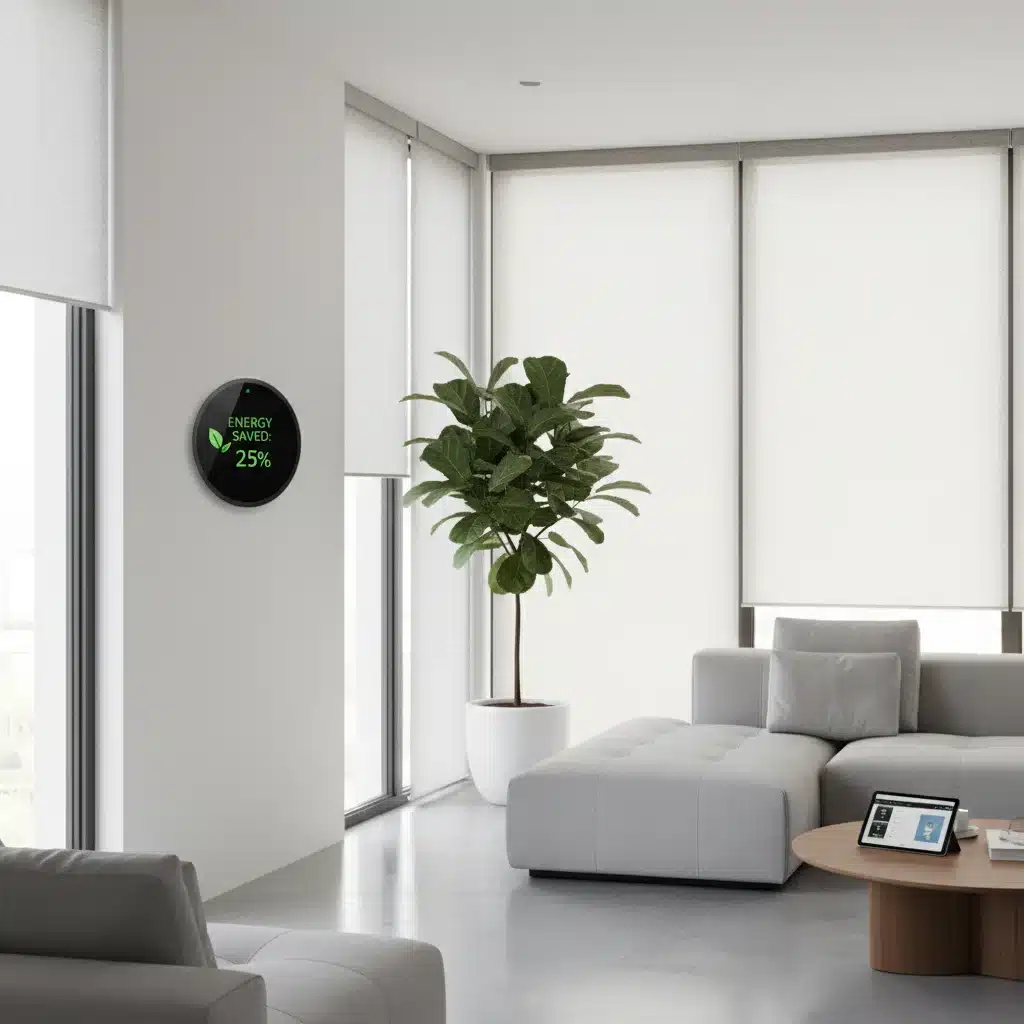
Modern smart thermostats, enhanced with AI, learn occupant preferences and daily routines over time. They can predict when a home needs to be cooled or heated, adjusting temperatures proactively rather than reactively. Furthermore, advanced systems incorporate zoned climate control, allowing different areas of the house to be maintained at different temperatures based on occupancy and preference. Sensors in each zone detect presence, ensuring that energy is not wasted heating or cooling empty rooms. This granular control dramatically reduces energy waste, a core tenet of sustainable smart homes.
Integration with External Data and Building Envelopes
AI-powered climate control systems don’t operate in isolation. They integrate with external data sources such as local weather forecasts, real-time energy prices, and even smart window and blind systems. For example, on a hot, sunny day, the system might automatically lower smart blinds to prevent solar heat gain, reducing the load on the air conditioning. Conversely, on a cold but sunny day, it might open blinds to allow passive solar heating. Future systems will also integrate more deeply with the building’s envelope, optimizing ventilation and insulation based on real-time sensor data, creating a truly responsive and energy-efficient environment within sustainable smart homes.
Geofencing and Occupancy Sensors
Geofencing technology allows the smart home to know when residents are approaching or leaving, automatically adjusting climate settings to ensure comfort upon arrival and energy savings when no one is home. Occupancy sensors provide even more precise data, ensuring that energy is only expended in occupied spaces. This dynamic adjustment based on actual presence and absence is a cornerstone of intelligent energy management in sustainable smart homes.
Smart Appliances and IoT Integration: The Connected Ecosystem
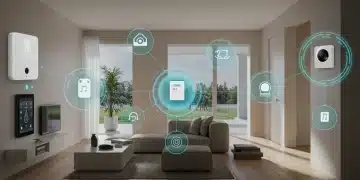
The Internet of Things (IoT) is transforming individual appliances into interconnected components of a larger, highly efficient ecosystem within sustainable smart homes. By 2026, the integration of smart appliances will be seamless, offering unparalleled control and optimized resource usage.
Energy-Optimized Kitchen and Laundry Appliances
Refrigerators, ovens, dishwashers, and washing machines are becoming increasingly smart and sustainable. Smart refrigerators can monitor inventory, suggest recipes to reduce food waste, and even alert you to expiring items. Smart dishwashers and washing machines can connect to the home’s energy management system, automatically running cycles during off-peak hours when electricity is cheaper or more abundant from renewable sources. They also use sensors to detect load size and soil levels, optimizing water and detergent usage. This intelligent operation minimizes both energy and resource consumption, making every chore a step towards a more sustainable smart home.
Predictive Maintenance and Longevity
Beyond efficiency, smart appliances contribute to sustainability by extending their lifespan. Integrated sensors can monitor performance and detect potential issues before they become major problems. Predictive maintenance alerts can notify homeowners of the need for servicing, preventing costly breakdowns and the premature replacement of appliances. This focus on longevity reduces waste and resource consumption associated with manufacturing new products, aligning perfectly with the ethos of sustainable smart homes.
Seamless Integration with Home Energy Management Systems
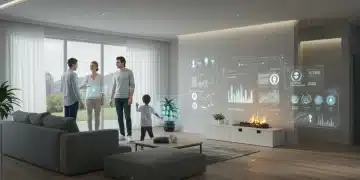
The true power of smart appliances in a sustainable context comes from their integration with a central home energy management system (HEMS). The HEMS acts as the brain, coordinating all smart devices to work in harmony towards energy and resource efficiency goals. It can prioritize appliance usage, defer non-essential loads, and provide a holistic view of the home’s environmental impact. This unified approach is essential for achieving the full potential of sustainable smart homes.
Intelligent Waste Management and Composting Solutions
Waste generation is a significant environmental concern, and sustainable smart homes are addressing this head-on with innovative waste management and composting technologies. These solutions aim to reduce landfill waste, promote recycling, and convert organic waste into valuable resources.
Smart Recycling Bins and Waste Sorters
Gone are the days of manual sorting. By 2026, smart recycling bins will be able to identify and sort different types of recyclable materials automatically. Equipped with sensors and AI, these bins can distinguish between plastics, glass, paper, and metals, ensuring proper segregation and maximizing the effectiveness of recycling efforts. Some advanced systems might even compress materials to optimize space, reducing the frequency of waste collection. This technology simplifies the recycling process for homeowners, encouraging greater participation and significantly contributing to the waste reduction goals of sustainable smart homes.
Automated Composting Systems
Food waste is a major contributor to landfill methane emissions. Automated indoor composting systems are becoming more compact, odor-free, and efficient, making composting accessible to even urban dwellers. These smart composters can accelerate the decomposition process, turning food scraps into nutrient-rich compost in a matter of days. The resulting compost can then be used for indoor plants or outdoor gardens, closing the loop on organic waste and further enhancing the self-sufficiency and sustainability of sustainable smart homes.
Waste-to-Energy Micro-Digesters
For the more ambitious sustainable smart homes, micro-digesters are emerging as a fascinating innovation. These small-scale anaerobic digesters can convert organic waste into biogas, which can then be used to generate electricity or heat for the home. While still in early stages of widespread adoption, these systems represent the ultimate in closed-loop waste management, transforming waste from a problem into a valuable energy source right within the home.
The Broader Impact of Sustainable Smart Homes
The widespread adoption of sustainable smart homes has implications far beyond individual residences. On a macro level, these innovations contribute significantly to national and global sustainability goals. Reduced energy demand lessens the strain on power grids and decreases reliance on fossil fuels. Lower water consumption helps mitigate regional water scarcity issues. More efficient waste management reduces landfill burden and greenhouse gas emissions.
Economically, sustainable smart homes offer long-term savings for homeowners through reduced utility bills and potential incentives for green building. The growth of this sector also stimulates innovation and job creation in green technology, manufacturing, and installation. Socially, these homes promote a greater awareness of environmental impact and foster more responsible consumption habits among occupants.
Furthermore, the data collected by smart home systems can provide invaluable insights for urban planning and resource management. Aggregated, anonymized data on energy and water usage patterns can help municipalities design more efficient infrastructure and develop targeted conservation programs. This creates a feedback loop where individual home sustainability contributes to community-wide resilience and environmental stewardship.
Challenges and Future Outlook for Sustainable Smart Homes
While the future of sustainable smart homes looks bright, several challenges remain. The initial cost of installing some of these advanced systems can be a barrier for many. Interoperability between different manufacturers’ devices and platforms is also an ongoing issue, though industry standards are slowly emerging. Data privacy and cybersecurity concerns are paramount, as these homes collect sensitive information about occupants’ habits and routines. Addressing these challenges through policy, technological advancements, and consumer education will be crucial for accelerating adoption.
Looking ahead to 2026 and beyond, we can anticipate even more sophisticated integrations. Homes might become active participants in demand-response programs, automatically adjusting energy consumption based on grid conditions. The use of AI will deepen, leading to hyper-personalized environments that adapt not just to preferences but also to health and wellness needs. Furthermore, the integration of sustainable building materials and construction techniques will become standard, creating a holistic approach to green living from the ground up.
Conclusion: Building a Greener Future, One Smart Home at a Time
The journey towards sustainable smart homes is an exciting and essential one. The five innovations discussed – advanced renewable integration, smart water management, AI-powered climate control, smart appliance integration, and intelligent waste solutions – are not just technological marvels; they are practical steps towards a more environmentally responsible and comfortable way of living. By embracing these advancements, homeowners can significantly reduce their ecological footprint, save money, and contribute to a healthier planet.
As 2026 approaches, the vision of a home that actively works to conserve resources, generate its own energy, and minimize waste is no longer a distant dream. It is a rapidly approaching reality, driven by human ingenuity and a collective desire for a sustainable future. Investing in sustainable smart homes is not just an investment in technology; it’s an investment in a better tomorrow for ourselves and for generations to come. The era of truly intelligent, eco-conscious living is here, and it’s set to transform our world, one smart, sustainable home at a time.