
Augmented Reality in Smart Home Management: A 2026 Perspective on Interactive Control
The concept of a ‘smart home’ has evolved rapidly over the past decade, moving from simple automated lighting to complex ecosystems of interconnected devices. Yet, despite the advancements, controlling these systems often involves multiple apps, voice commands, or physical interfaces that can feel disjointed. Enter Augmented Reality (AR) – a technology poised to revolutionize how we interact with our living spaces. By 2026, AR Smart Home Control will transcend novelty, becoming an indispensable tool for intuitive and immersive home management.
Imagine a world where your home responds not just to your voice, but to your gaze, your gestures, and even your intentions, all mediated through a seamless overlay of digital information on your physical environment. This isn’t science fiction; it’s the near-future reality of AR Smart Home Control. This article delves into the transformative potential of AR in smart home management, exploring the technologies, applications, and challenges that will shape this exciting frontier by the year 2026.
The Evolution of Smart Home Interfaces: From Buttons to AR
For years, smart home control has primarily relied on two main interfaces: physical buttons/switches and mobile applications. Voice assistants like Amazon Alexa and Google Assistant introduced a new paradigm, allowing hands-free control. While these methods offer convenience, they often lack the intuitive, spatial awareness that AR promises. Managing a complex smart home with dozens of devices can still feel like navigating a digital maze.
The journey from rudimentary control panels to sophisticated AR interfaces is driven by a fundamental human desire for more natural interaction. Early smart home systems were essentially remote-controlled appliances. The advent of Wi-Fi and Bluetooth enabled app-based control, centralizing management but still requiring users to be glued to a screen. Voice control, while powerful, sometimes struggles with context and specificity, especially in multi-device scenarios or when background noise is present.
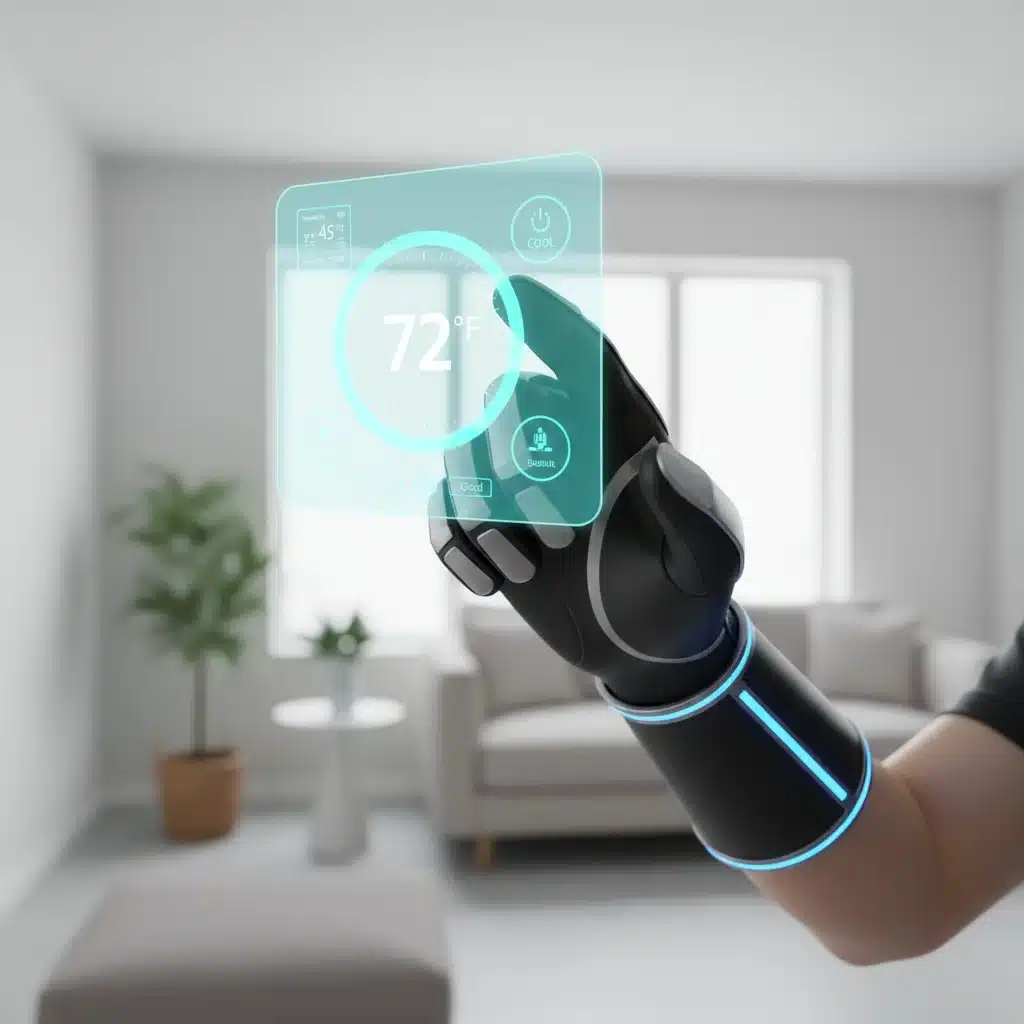
AR, on the other hand, offers a direct, visual, and contextual way to interact with your environment. Instead of pulling out your phone to adjust the thermostat, you could simply look at the physical thermostat, and a holographic interface would appear, allowing you to tweak settings with a glance or a subtle hand gesture. This contextual awareness is a game-changer for AR Smart Home Control, making interactions feel less like operating a gadget and more like an extension of your natural movements and intentions.
By 2026, the hardware for AR will have matured significantly. Lightweight, stylish AR glasses will be commonplace, offering wider fields of view, improved battery life, and more precise tracking. These devices, combined with advancements in computer vision and AI, will enable a truly immersive and responsive AR Smart Home Control experience. The shift is not just about a new interface; it’s about fundamentally rethinking the relationship between humans and their intelligent living spaces.
Key Technologies Powering AR Smart Home Control in 2026
The realization of advanced AR Smart Home Control by 2026 hinges on the convergence of several cutting-edge technologies:
Advanced AR Hardware: Beyond the Headset
While current AR headsets are still somewhat bulky, 2026 will see the proliferation of sleek, comfortable AR glasses that resemble regular eyewear. These devices will feature high-resolution displays, wide fields of view, and integrated sensors for eye tracking, hand tracking, and spatial mapping. Beyond glasses, specialized AR contact lenses, while nascent, might also begin to emerge, offering an even more discreet experience. These hardware advancements are crucial for making AR Smart Home Control a practical and enjoyable daily reality.
Spatial Computing and Environmental Understanding
Spatial computing is the backbone of effective AR. It involves mapping and understanding the physical environment in real-time, allowing digital objects to interact realistically with the real world. By 2026, AR devices will be capable of highly accurate and persistent spatial mapping, meaning your smart home’s digital twin will always be up-to-date. This allows for precise placement of virtual controls, contextual information, and even virtual decorations that persist in your home, enhancing the AR Smart Home Control experience.
AI and Machine Learning for Predictive and Contextual Control
Artificial Intelligence (AI) and Machine Learning (ML) will play a pivotal role in making AR Smart Home Control truly intelligent. AI will analyze user behavior, preferences, and environmental factors to anticipate needs. For example, if your AR system learns you prefer cooler temperatures in the evening, it could proactively suggest adjustments as dusk approaches, or even implement them automatically based on your gaze towards the thermostat. ML algorithms will continuously refine these predictions, making the smart home more responsive and personalized over time.
Seamless IoT Integration and Interoperability
For AR to effectively control a smart home, it needs to communicate seamlessly with a diverse array of Internet of Things (IoT) devices. By 2026, industry standards for IoT interoperability will be more robust, allowing AR platforms to connect with virtually any smart bulb, thermostat, lock, or appliance. This unified ecosystem will eliminate the current fragmentation, where different brands often require separate apps, thus simplifying AR Smart Home Control significantly.
Gesture and Eye Tracking for Intuitive Interaction
The primary input methods for AR Smart Home Control will move beyond traditional touch or voice. Advanced hand tracking will allow users to interact with holographic interfaces using natural gestures – pinching to zoom, swiping to scroll, or pointing to select. Eye tracking will add another layer of intuition, allowing users to select items simply by looking at them, or to activate functions with a sustained gaze, making interactions incredibly fast and efficient.
Transformative Applications of AR in Smart Home Management by 2026
The integration of AR will unlock a myriad of innovative applications for smart home management, making homes more efficient, secure, and enjoyable:
Intuitive Environmental Control
Imagine walking into a room and seeing a subtle AR overlay indicating the current temperature, humidity, and air quality. With a simple gesture, you could adjust the thermostat, open smart blinds, or activate an air purifier. Looking at a light fixture could bring up a virtual dimmer switch, allowing you to fine-tune brightness and color with unparalleled precision. This direct, visual interaction eliminates the need to remember device names or navigate complex menus, making everyday controls effortlessly intuitive.
Enhanced Security and Monitoring
AR Smart Home Control will elevate home security. When a motion sensor is triggered, your AR glasses could immediately display a live feed from the relevant security camera, overlaid directly onto your physical view of the entryway. Virtual indicators could highlight open windows or unlocked doors. For instance, if you’re leaving, your AR system could project a checklist of security items, showing a green checkmark next to locked doors and closed windows, and a red warning for anything left unsecured, allowing you to rectify issues with a quick glance and gesture.
Personalized Entertainment and Media Management
AR will transform how we consume media. Instead of fumbling with multiple remotes, you could simply look at your TV, and a virtual control panel would appear for your streaming services, volume, and playback options. You could even project virtual screens onto any wall, creating a personalized viewing experience anywhere in your home. Imagine a virtual media library floating in your living room, allowing you to browse and select content with a wave of your hand.
Smart Appliance Interaction and Maintenance
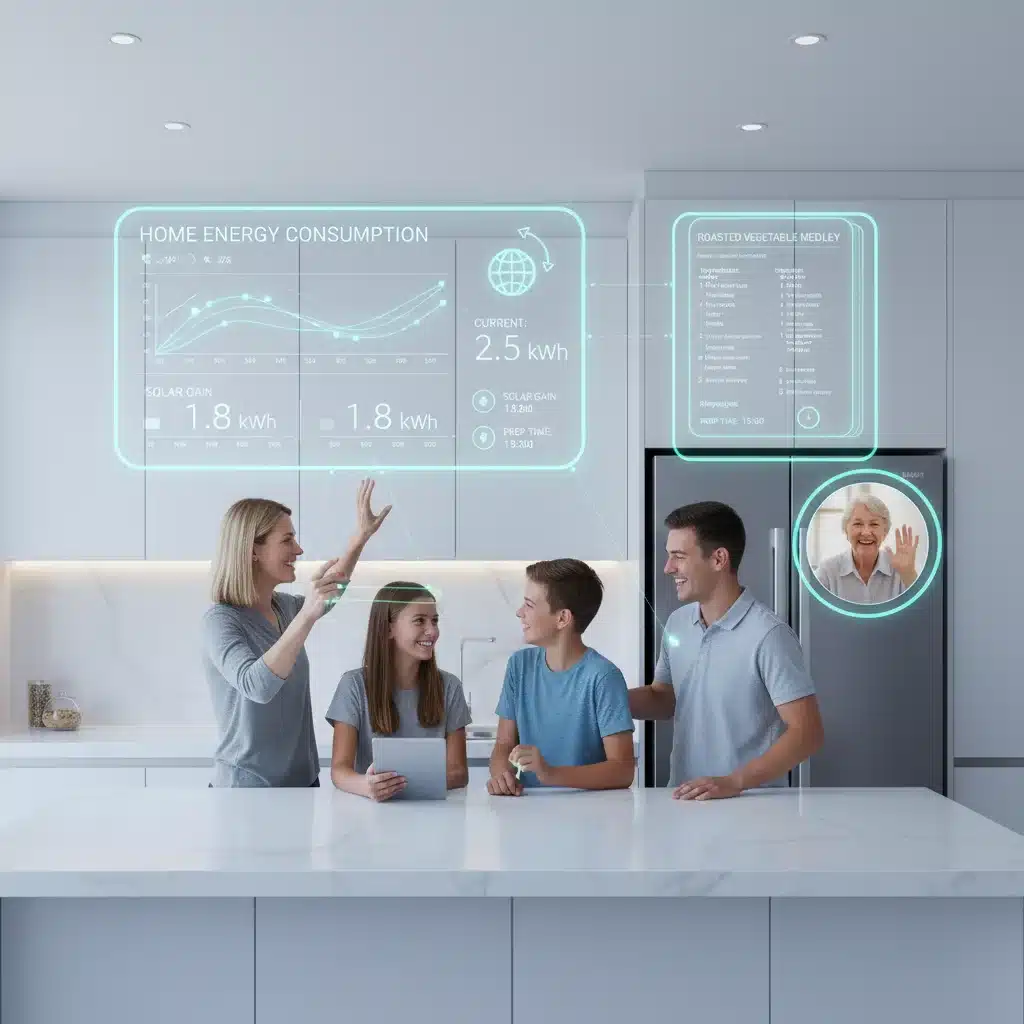
Interacting with smart appliances will become significantly easier. Pointing your AR glasses at your smart refrigerator could display its contents, expiration dates, and even suggest recipes based on available ingredients. For maintenance, AR could overlay virtual instructions onto a malfunctioning appliance, guiding you through troubleshooting steps or displaying diagnostic information without needing a manual. This contextual assistance will make home maintenance simpler and more accessible.
Energy Management and Visualization
Understanding and managing energy consumption is crucial. AR Smart Home Control will provide real-time, visual feedback on energy usage. You could see holographic graphs showing which appliances are consuming the most power, or an overlay indicating the energy efficiency of different zones in your home. This immediate visual data empowers users to make more informed decisions about energy conservation, potentially leading to significant savings and a reduced carbon footprint.
Accessibility and Assisted Living
For individuals with disabilities or the elderly, AR offers immense potential. Customizable AR interfaces can be tailored to specific needs, such as larger text, simplified controls, or alternative input methods. For assisted living, AR could provide visual reminders for medication, guide users through daily routines, or alert caregivers to potential issues, significantly enhancing independence and safety within the home.
Challenges and Considerations for Widespread AR Smart Home Control Adoption
While the future of AR Smart Home Control is bright, several challenges need to be addressed for widespread adoption by 2026:
Privacy and Data Security Concerns
AR systems will collect vast amounts of data about our homes and habits. Ensuring the privacy and security of this sensitive information is paramount. Robust encryption, clear data usage policies, and user control over data sharing will be critical for building trust and preventing misuse. Consumers need to be confident that their daily routines and personal spaces are not being exploited.
Interoperability and Standardization
The smart home market is still fragmented, with many proprietary ecosystems. For AR to be truly effective, it needs to seamlessly integrate with devices from various manufacturers. Industry-wide standards and open platforms will be essential to ensure that your AR system can control all your smart devices, regardless of brand. Without this, AR Smart Home Control will remain a niche luxury rather than a universal convenience.
Cost and Accessibility of AR Hardware
While AR hardware is becoming more affordable, high-quality AR glasses still represent a significant investment. For AR Smart Home Control to become mainstream, the cost of these devices needs to decrease, making them accessible to a wider demographic. Furthermore, the technology needs to be easy to set up and use, without requiring extensive technical knowledge.
User Experience and Ergonomics
The comfort and usability of AR glasses are crucial. They need to be lightweight, stylish, and provide a comfortable viewing experience over extended periods. The holographic interfaces must be intuitive, easy to learn, and not cause eye strain or motion sickness. A poor user experience could quickly deter adoption, regardless of the technological prowess.
Ethical Implications and Digital Overload
The constant overlay of digital information could lead to issues of digital overload or distraction. Striking the right balance between helpful information and intrusive clutter will be a design challenge. Ethical considerations around persistent surveillance, data bias in AI, and the potential for AR to blur the lines between reality and virtuality will also need careful navigation as AR Smart Home Control becomes more sophisticated.
The Road Ahead: What to Expect by 2026
By 2026, we can anticipate a significant shift in how we perceive and interact with our smart homes. AR Smart Home Control will move beyond mere prototypes and into early mainstream adoption, particularly among tech enthusiasts and early adopters. We will see:
- More Refined AR Hardware: Lighter, more fashionable AR glasses with improved battery life and processing power.
- Smarter AI Integration: Predictive capabilities that anticipate user needs and automate routines more effectively.
- Enhanced Gesture and Gaze Control: More natural and precise interaction methods that feel intuitive.
- Modular AR Home Ecosystems: Platforms that allow users to customize their AR interfaces and integrate a wide range of smart devices.
- Increased Developer Support: A growing ecosystem of third-party applications and services leveraging AR for home management.
The initial focus will likely be on core functionalities such as lighting, climate, security, and entertainment, as these offer the most immediate and tangible benefits. As the technology matures, more advanced applications, such as AR-guided home maintenance or personalized environmental sensory experiences, will become more prevalent.
Education and public awareness will also play a crucial role. As with any new technology, understanding its benefits, addressing concerns, and providing clear, user-friendly guides will be essential for widespread acceptance. Companies developing AR Smart Home Control solutions will need to prioritize not just technological innovation but also user-centric design and robust privacy features.
Conclusion: The Immersive Future of Home Management
The vision of AR Smart Home Control by 2026 paints a picture of a home that is truly intelligent, responsive, and seamlessly integrated with our lives. It’s a future where controlling your environment is as natural as looking at it or making a simple gesture. This immersive approach promises to unlock unprecedented levels of convenience, efficiency, and personalization in our living spaces. While challenges remain in terms of hardware accessibility, interoperability, and privacy, the rapid pace of technological innovation suggests that these hurdles are surmountable.
As we move closer to 2026, the convergence of advanced AR hardware, sophisticated AI, and robust IoT ecosystems will transform our homes into truly interactive environments. AR Smart Home Control isn’t just about new gadgets; it’s about a fundamental shift in how we experience and manage the spaces we inhabit, making our homes more intuitive, more efficient, and ultimately, more enjoyable. The future of home management is not just smart; it’s augmented, interactive, and right around the corner.