In an era where environmental consciousness and financial prudence are increasingly intertwined, the concept of a smart home has evolved from a futuristic fantasy into a tangible reality. More than just a convenience, smart home technology is now a powerful tool for achieving significant energy savings and reducing the ever-growing burden of utility bills. As we look towards 2026, the convergence of advanced automation, artificial intelligence, and user-friendly interfaces promises an energy efficiency revolution that could see households slash their utility expenses by an impressive 15%.
This isn’t merely wishful thinking; it’s a projection based on the rapid advancements and widespread adoption of key smart home systems. These systems, working in harmony, create an ecosystem of optimized energy consumption, learning from your habits, adapting to environmental conditions, and empowering you with unprecedented control over your home’s energy footprint. The central theme here is smart home energy savings – a concept that encompasses not just cutting costs, but also contributing to a more sustainable planet.
The journey to a 15% reduction in utility bills by 2026 is paved with innovation, strategic implementation, and a clear understanding of how these technologies function. This comprehensive guide will delve into the four pivotal smart home systems that are driving this change, providing insights into their mechanisms, benefits, and how you can integrate them into your own living space to unlock substantial utility bill reduction.
The Dawn of the Energy Efficiency Revolution
The concept of energy efficiency has been a topic of discussion for decades, but it’s only recently that technology has provided the tools to make truly proactive and intelligent energy management possible at the residential level. Gone are the days of simply remembering to turn off lights; today’s smart homes actively learn, predict, and respond to optimize energy usage in real-time. This dynamic approach is what defines the current energy efficiency revolution.
The global push for sustainability, coupled with rising energy costs, has accelerated the development and adoption of smart home technologies. Consumers are no longer just looking for gadgets; they’re seeking solutions that offer tangible returns on investment, and few investments offer a clearer return than reduced utility bills. The market is flooded with devices, but it’s the intelligent integration of specific systems that truly unlocks the potential for significant smart home energy savings.
Understanding the interplay between these systems is crucial. A smart thermostat, for instance, is far more effective when it can communicate with smart blinds that adjust to sunlight, or with an energy monitoring system that provides real-time feedback on its performance. This interconnectedness is the cornerstone of the 15% utility bill reduction target for 2026.
System 1: Smart Thermostats – The HVAC Maestro
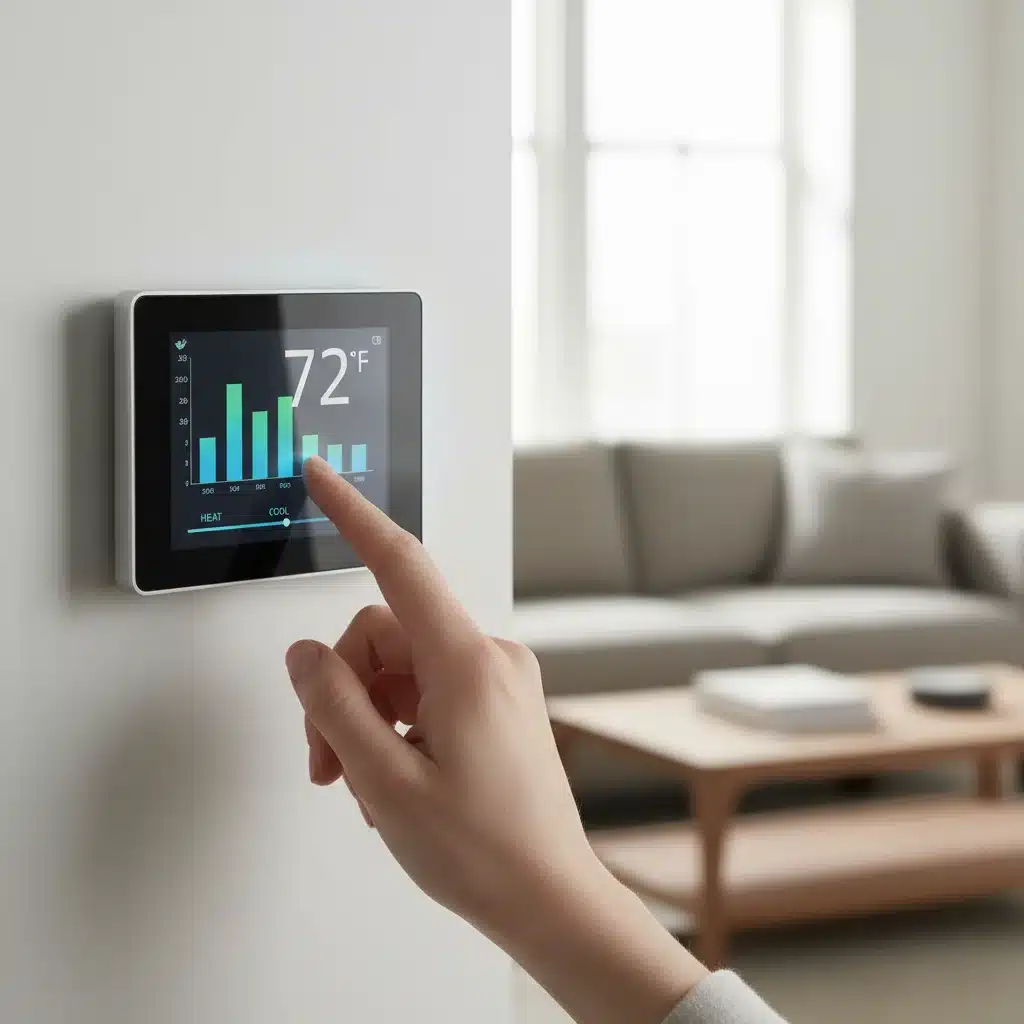
At the forefront of any discussion about smart home energy savings is the smart thermostat. Traditional thermostats are reactive; they maintain a set temperature. Smart thermostats, however, are proactive and predictive. They are the maestros of your home’s heating, ventilation, and air conditioning (HVAC) system, often the largest energy consumer in any household.
How Smart Thermostats Drive Savings:
- Learning Algorithms: Modern smart thermostats learn your daily routines and preferences. They understand when you’re home, when you’re away, and what temperatures you prefer at different times. Over time, they build a personalized schedule that optimizes comfort while minimizing energy waste.
- Geofencing: This feature uses your smartphone’s location to determine if you’re home or away. As you leave a designated perimeter, the thermostat can automatically adjust the temperature to an energy-saving setting. When you’re on your way back, it can begin to warm or cool your home so it’s comfortable upon your arrival, eliminating the need to heat/cool an empty house.
- Occupancy Sensors: Some advanced models incorporate occupancy sensors directly into the thermostat or integrate with external smart home sensors. If a room or zone is empty for an extended period, the system can reduce heating or cooling in that area.
- Weather Integration: Smart thermostats can access local weather forecasts, allowing them to pre-heat or pre-cool your home more efficiently. For example, if a sudden cold front is expected, it can adjust its heating strategy in advance, rather than reacting to a sudden drop in indoor temperature.
- Energy Reporting: Most smart thermostats provide detailed energy usage reports, often accessible via a smartphone app. This transparency empowers homeowners to understand their energy consumption patterns and identify areas for further optimization. This data is invaluable for maximizing smart home energy savings.
- Remote Control: The ability to control your thermostat from anywhere via a smartphone app is not just convenient; it’s a powerful energy-saving tool. Forgot to adjust the temperature before leaving for vacation? No problem.
The impact of a smart thermostat alone can be substantial. Studies have shown that they can save homeowners between 10-12% on heating and 15% on cooling costs, translating to an average of 8-15% overall on utility bills. When combined with other smart systems, this percentage only grows.
System 2: Smart Lighting Solutions – Illuminating Savings
Lighting might not seem like the biggest energy culprit compared to HVAC, but inefficient lighting can still contribute significantly to your utility bill. Smart lighting solutions offer a sophisticated approach to illumination, moving beyond simple on/off switches to provide dynamic, energy-efficient control. They are a critical component of achieving holistic smart home energy savings.
How Smart Lighting Optimizes Energy Use:
- LED Technology: The foundation of most smart lighting systems is LED (Light Emitting Diode) technology. LEDs consume significantly less energy than incandescent or even CFL bulbs, and they have a much longer lifespan, reducing replacement costs and waste.
- Dimming Capabilities: Smart bulbs can be dimmed, allowing you to use only the amount of light necessary for a given task or mood. Dimming an LED bulb reduces its power consumption, directly translating to energy savings.
- Occupancy/Motion Sensors: Integrating smart lights with motion or occupancy sensors ensures that lights are only on when a room is occupied. This is particularly effective in spaces like bathrooms, hallways, and utility rooms where lights are often left on unnecessarily.
- Scheduling and Timers: You can program smart lights to turn on and off at specific times, mimicking natural daylight cycles or ensuring lights are off when you’re typically not home. This eliminates the ‘oops, I left the lights on’ scenario.
- Daylight Harvesting: More advanced smart lighting systems can integrate with ambient light sensors. They detect the amount of natural light entering a room and adjust the artificial lighting accordingly, dimming or turning off lights when sufficient daylight is present. This is a sophisticated method for maximizing smart home energy savings.
- Remote Control and Scenes: Like smart thermostats, smart lights can be controlled remotely via an app. You can also create ‘scenes’ – predefined lighting configurations for different activities (e.g., ‘movie night,’ ‘reading,’ ‘away’) – which can include energy-saving presets.
- Integration with Other Systems: Smart lights can be part of a larger smart home ecosystem. For example, they can turn on automatically when a smart door lock is disarmed, or flash to signal a security alert.
By intelligently managing your home’s illumination, smart lighting systems can lead to a 5-10% reduction in overall electricity consumption, making a noticeable dent in your utility bills. The combination of efficient LED technology and smart control mechanisms makes them an indispensable part of any energy-saving strategy.
System 3: Smart Appliances – The Efficient Workhorses
While often seen as a luxury, smart appliances are rapidly becoming essential components for significant smart home energy savings. From refrigerators to washing machines, these intelligent devices offer features that go beyond convenience, actively working to minimize their energy footprint.
How Smart Appliances Contribute to Savings:
- Optimized Operation: Many smart appliances, particularly washing machines and dishwashers, can be programmed to run during off-peak electricity hours when rates are lower. This ‘load shifting’ can lead to substantial savings, especially in areas with time-of-use (TOU) billing.
- Remote Monitoring and Control: Forgot to start the dishwasher? Need to check if the oven is off? Smart appliances allow remote control and monitoring, preventing energy waste from forgotten settings or unnecessary power consumption.
- Predictive Maintenance: Some smart appliances can self-diagnose potential issues and alert you to maintenance needs before they become major problems. A well-maintained appliance runs more efficiently, consuming less energy. For example, a smart refrigerator might alert you if its defrost cycle is running too frequently, indicating a potential seal issue.
- Energy Usage Tracking: Similar to smart thermostats, many smart appliances provide detailed reports on their energy consumption. This data helps homeowners understand which appliances are the biggest energy hogs and adjust their usage habits accordingly, fostering greater smart home energy savings.
- Smart Refrigerators: These can monitor internal temperatures more precisely, adapt cooling based on contents, and some even have transparent doors or cameras to see inside without opening the door, preventing cold air loss.
- Smart Ovens/Cooktops: Features like preheating optimization, precise temperature control, and integration with recipes can reduce cooking times and energy used.
- Smart Water Heaters: Perhaps one of the most impactful, smart water heaters can learn your hot water usage patterns and only heat water when needed, rather than maintaining a constant high temperature. Some can even integrate with grid signals to heat water when renewable energy is abundant or electricity prices are low.
While the initial investment in smart appliances can be higher, the long-term energy savings, coupled with enhanced convenience and functionality, make them a worthwhile consideration for any homeowner serious about reducing their utility bills. The collective impact of these efficient workhorses is undeniable.
System 4: Whole-Home Energy Monitoring – The Data-Driven Advantage
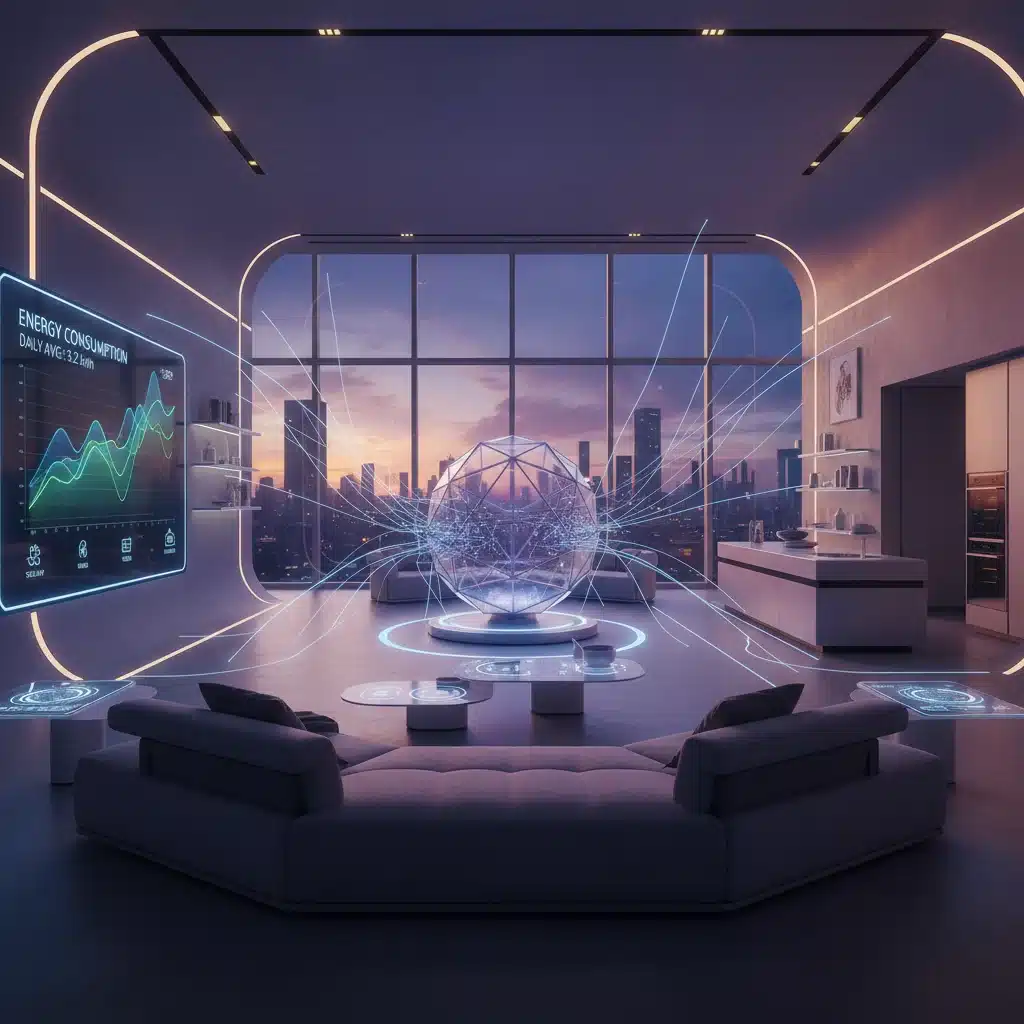
You can’t manage what you don’t measure. Whole-home energy monitoring systems provide the crucial data needed to truly understand your energy consumption patterns and identify areas for improvement. They are the intelligence hub that ties all other smart home energy savings efforts together.
The Power of Energy Monitoring:
- Real-time Consumption Data: These systems provide instant feedback on your home’s electricity usage, often broken down by individual circuits or appliances. Seeing consumption spike when a particular appliance turns on can be incredibly insightful.
- Historical Trends and Analytics: Beyond real-time data, energy monitors track your usage over days, weeks, and months, allowing you to identify trends, compare consumption periods, and measure the effectiveness of your energy-saving efforts.
- Cost Tracking: Many systems can integrate with your utility provider’s rates, showing you not just how much energy you’re using, but how much it’s costing you in real-time and cumulatively. This direct financial feedback is a powerful motivator for smart home energy savings.
- Identifying Energy Hogs: By monitoring individual circuits, you can pinpoint which appliances or systems are consuming the most energy, even when they appear to be off (phantom load). This allows for targeted interventions, such as using smart plugs to completely cut power to dormant devices.
- Anomaly Detection: An unexpected surge in energy consumption could indicate a malfunctioning appliance or a forgotten device. Energy monitoring systems can alert you to these anomalies, helping you address them promptly.
- Integration with Smart Home Hubs: Energy monitoring systems often integrate with central smart home hubs, allowing them to communicate with other smart devices. For example, if the monitor detects high energy usage from an unoccupied room, it could trigger the smart thermostat or smart lights to adjust.
- Setting Goals and Alerts: You can set daily or monthly energy consumption goals and receive alerts if you’re on track to exceed them. This gamification of energy saving can be very effective.
An energy monitoring system acts as the brain of your energy-efficient smart home. It provides the actionable intelligence needed to make informed decisions about your energy usage, ensuring that your investment in other smart home technologies yields the maximum possible smart home energy savings. Without this data, optimizing energy consumption becomes a guessing game.
The Synergy Effect: Achieving the 15% Reduction by 2026
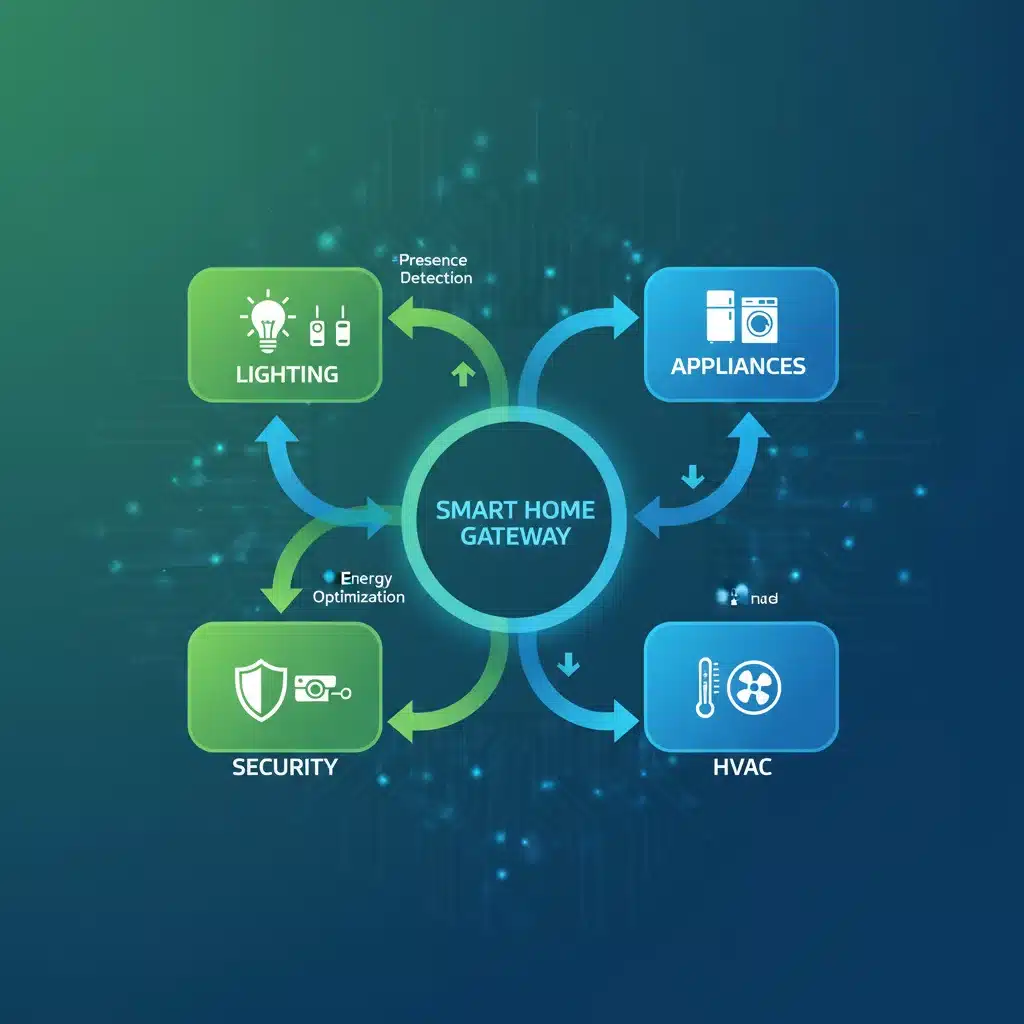
While each of these four smart home systems offers individual benefits, the true power to achieve a 15% reduction in utility bills by 2026 lies in their synergistic operation. When these systems communicate and collaborate, they create an intelligent, adaptive home environment that is constantly optimizing for both comfort and energy efficiency. This is the essence of holistic smart home energy savings.
Examples of Synergy in Action:
- HVAC and Lighting with Occupancy: An occupancy sensor in a smart lighting system detects that a room is empty. It turns off the lights and signals the smart thermostat to adjust the temperature in that zone to an energy-saving setting.
- Weather Data and Smart Blinds: The smart thermostat pulls weather data indicating a sunny, hot day. It communicates with smart blinds or shades to automatically close on the sunny side of the house, reducing solar heat gain and lessening the load on the air conditioning.
- Energy Monitoring and Appliance Scheduling: The energy monitoring system identifies that electricity rates are lowest between 1 AM and 5 AM. It automatically triggers the smart washing machine and dishwasher to run their cycles during this period, saving money on each load.
- Geofencing and Whole-Home Optimization: As you leave your home, your phone’s geofencing triggers a ‘away’ scene. This scene turns off all non-essential smart lights, sets the smart thermostat to an economy mode, and powers down smart plugs connected to entertainment systems.
- Smart Water Heater and Energy Monitoring: Your smart water heater reports higher than usual energy consumption. The energy monitoring system flags this, and you investigate to find a leaky hot water pipe, preventing further waste.
This interconnectedness is facilitated by a central smart home hub or platform, which acts as the translator and coordinator for all your devices. Popular platforms like Apple HomeKit, Google Home, Amazon Alexa, and various proprietary systems from smart home manufacturers are constantly evolving to create more seamless integrations. The more devices you connect and the more intelligently they interact, the greater your potential for smart home energy savings.
Overcoming Challenges and Future Trends
While the promise of significant smart home energy savings is compelling, there are challenges to address. Initial investment costs can be a barrier for some, though prices are steadily decreasing, and the long-term savings often outweigh the upfront expense. Interoperability between different brands and ecosystems can also be complex, though industry standards like Matter are emerging to simplify this.
Looking ahead to 2026 and beyond, we can expect even more sophisticated advancements:
- AI and Machine Learning: Deeper integration of AI will allow systems to predict energy needs with even greater accuracy, learning from complex patterns that go beyond simple routines.
- Grid Integration: Smart homes will increasingly communicate with the power grid, participating in demand response programs where they automatically reduce consumption during peak demand periods, earning credits or lower rates.
- Renewable Energy Integration: Seamless integration with rooftop solar panels and home battery storage systems will allow homes to optimize self-consumption of renewable energy and further reduce reliance on the grid.
- Hyper-Personalization: Systems will become even more attuned to individual preferences, not just for temperature and lighting, but for air quality, humidity, and other environmental factors, all while maintaining optimal energy efficiency.
- Edge Computing: More processing will happen on the devices themselves, leading to faster responses, enhanced privacy, and less reliance on constant cloud connectivity.
These future trends will further solidify the role of smart home technology as a cornerstone of sustainable and affordable living, driving even greater smart home energy savings than the projected 15% by 2026.
Getting Started with Your Smart Home Energy Savings Journey
Embarking on your journey to significant smart home energy savings doesn’t require overhauling your entire home overnight. It’s a gradual process that can be tailored to your budget and needs. Here’s a practical approach:
- Assess Your Current Usage: Start by understanding where your energy goes. Review your past utility bills to identify peak consumption periods. Consider investing in a basic whole-home energy monitor as your first step to gain insights.
- Prioritize High-Impact Areas: HVAC is typically the biggest energy consumer. A smart thermostat is often the most impactful first smart home purchase for immediate savings.
- Start Small, Expand Gradually: Begin with one or two smart lighting bulbs in high-traffic areas, or a single smart plug for a device known to have phantom load. As you see the benefits and become comfortable with the technology, you can expand.
- Research Compatibility: Before purchasing, ensure that new devices are compatible with your existing smart home ecosystem or the platform you intend to use (e.g., Google Home, Amazon Alexa, Apple HomeKit). Look for devices that support emerging standards like Matter for future-proofing.
- Leverage Rebates and Incentives: Check with your local utility company, state, or federal programs for rebates and incentives on smart thermostats, energy-efficient appliances, and other smart home technologies. These can significantly reduce your upfront costs.
- Educate Yourself: Read reviews, watch tutorials, and understand the features of the devices you’re considering. The more knowledgeable you are, the better you can leverage the technology for maximum smart home energy savings.
- Monitor and Adjust: Once installed, actively use the energy reporting features of your smart devices. Pay attention to the data, make adjustments to schedules and settings, and continuously look for ways to optimize.
Remember, the goal isn’t just to install smart devices, but to use them intelligently. The active engagement with your smart home system is what truly unlocks its potential for deep smart home energy savings.
Conclusion: A Brighter, More Affordable Future
The vision of reducing utility bills by 15% by 2026 through the strategic implementation of smart home systems is not a distant dream but an achievable reality. By embracing smart thermostats, intelligent lighting, efficient appliances, and comprehensive energy monitoring, homeowners can take a significant step towards a more sustainable and financially savvy future. These technologies, working in concert, offer an unprecedented level of control and insight into our energy consumption, transforming our homes into dynamic, energy-optimizing ecosystems.
The energy efficiency revolution is here, and smart home technology is at its heart. It’s an investment not just in cutting costs, but in contributing to a healthier planet and a more comfortable, convenient lifestyle. As technology continues to evolve, the potential for even greater smart home energy savings will only expand, solidifying the smart home’s role as an indispensable component of modern living. Start your journey today and be part of this transformative movement towards a brighter, more affordable tomorrow.