Modular Smart Home Design: Adapting Your Space to Future Tech Trends Beyond 2026
Modular Smart Home Design: Adapting Your Space to Future Tech Trends Beyond 2026
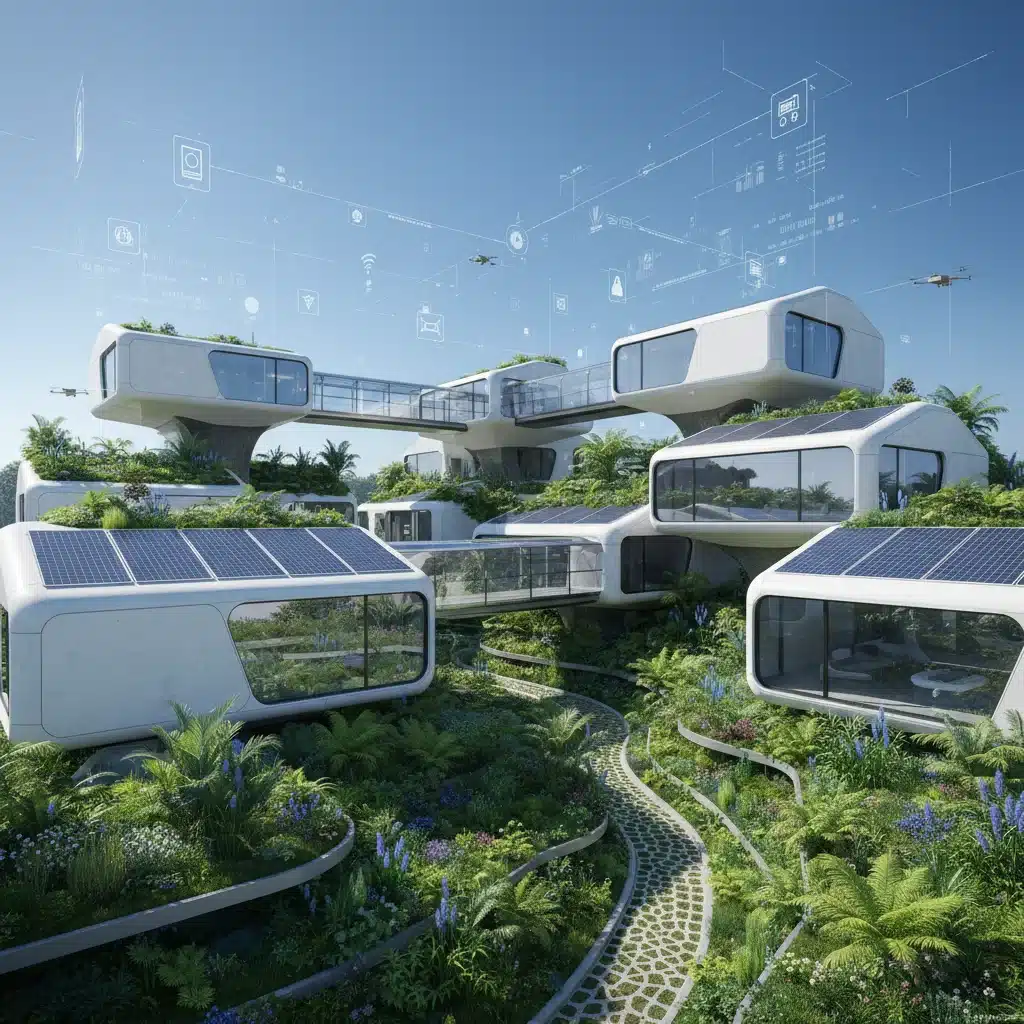
The concept of ‘home’ is constantly evolving, driven by technological advancements, shifting societal needs, and a growing emphasis on sustainability. As we look beyond 2026, one paradigm is set to redefine residential living: modular smart homes. These innovative dwellings combine the flexibility of modular construction with the intelligence of integrated smart technology, offering a vision of living that is both highly adaptable and deeply connected. This comprehensive guide will explore the fascinating world of modular smart homes, delving into their design principles, technological integrations, benefits, challenges, and the transformative impact they are poised to have on our future.
The Genesis of Modular Smart Homes: A Fusion of Innovation
To truly appreciate the potential of modular smart homes, it’s essential to understand their foundational components: modular construction and smart home technology. Modular construction, often misunderstood as simply ‘prefabricated,’ is a sophisticated building method where sections of a building are manufactured off-site in a controlled factory environment. These modules, complete with plumbing, electrical, and finishes, are then transported to the site and assembled. This process offers significant advantages in terms of speed, cost-efficiency, and quality control.
Parallel to this, smart home technology has moved far beyond simple remote controls for lights. Today’s smart homes integrate a vast array of devices and systems – from advanced climate control and security systems to intelligent appliances and personalized entertainment hubs – all interconnected through the Internet of Things (IoT). These systems learn from occupant behavior, optimize energy consumption, and provide unprecedented levels of convenience and safety.
The convergence of these two powerful trends gives rise to modular smart homes: dwellings engineered from the ground up to be both physically adaptable and technologically intelligent. This isn’t just about adding smart gadgets to a modular house; it’s about a holistic design philosophy where the modularity facilitates the seamless integration and future upgrading of smart systems, and the smart systems enhance the inherent flexibility of the modular structure.
Key Principles Driving Modular Smart Home Design
- Adaptability: The cornerstone of modular design. Rooms can be reconfigured, expanded, or even relocated with relative ease, responding to changing family needs, lifestyle shifts, or even climate variations.
- Sustainability: Factory-controlled construction reduces waste, and smart technologies optimize energy and water consumption, making these homes inherently eco-friendlier.
- Efficiency: Faster construction times, reduced on-site labor, and optimized resource use contribute to overall efficiency, both during construction and throughout the home’s lifespan.
- Integration: Smart home systems are not tacked on but are deeply embedded into the fabric of the home, often pre-installed within modules, ensuring seamless operation and aesthetic appeal.
- Future-Proofing: The modular nature allows for easy upgrades to both physical modules and technological components, ensuring the home remains relevant and efficient for decades to come.
The Technological Core: What Makes a Smart Home Truly Smart?
At the heart of every modular smart home lies a sophisticated ecosystem of interconnected technologies. Beyond the basic smart speaker or smart thermostat, these homes are designed with a comprehensive approach to automation, data utilization, and user experience. Let’s explore the key technological pillars:
Advanced IoT Integration
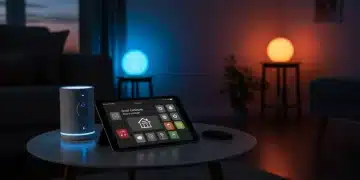
The Internet of Things (IoT) is the backbone. Every smart device, sensor, and appliance communicates over a network, often a dedicated home network, allowing for centralized control and automated routines. This includes everything from lighting and blinds to security cameras, door locks, and even smart mirrors.
AI and Machine Learning for Personalization
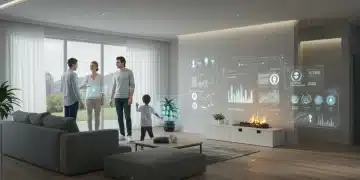
Beyond simple automation, AI and machine learning algorithms enable modular smart homes to learn and adapt. They can predict occupants’ needs, optimize climate control based on occupancy patterns, suggest energy-saving strategies, and even detect unusual activity for enhanced security. Imagine your home adjusting lighting and temperature as you approach, or pre-heating your oven based on your typical dinner schedule.
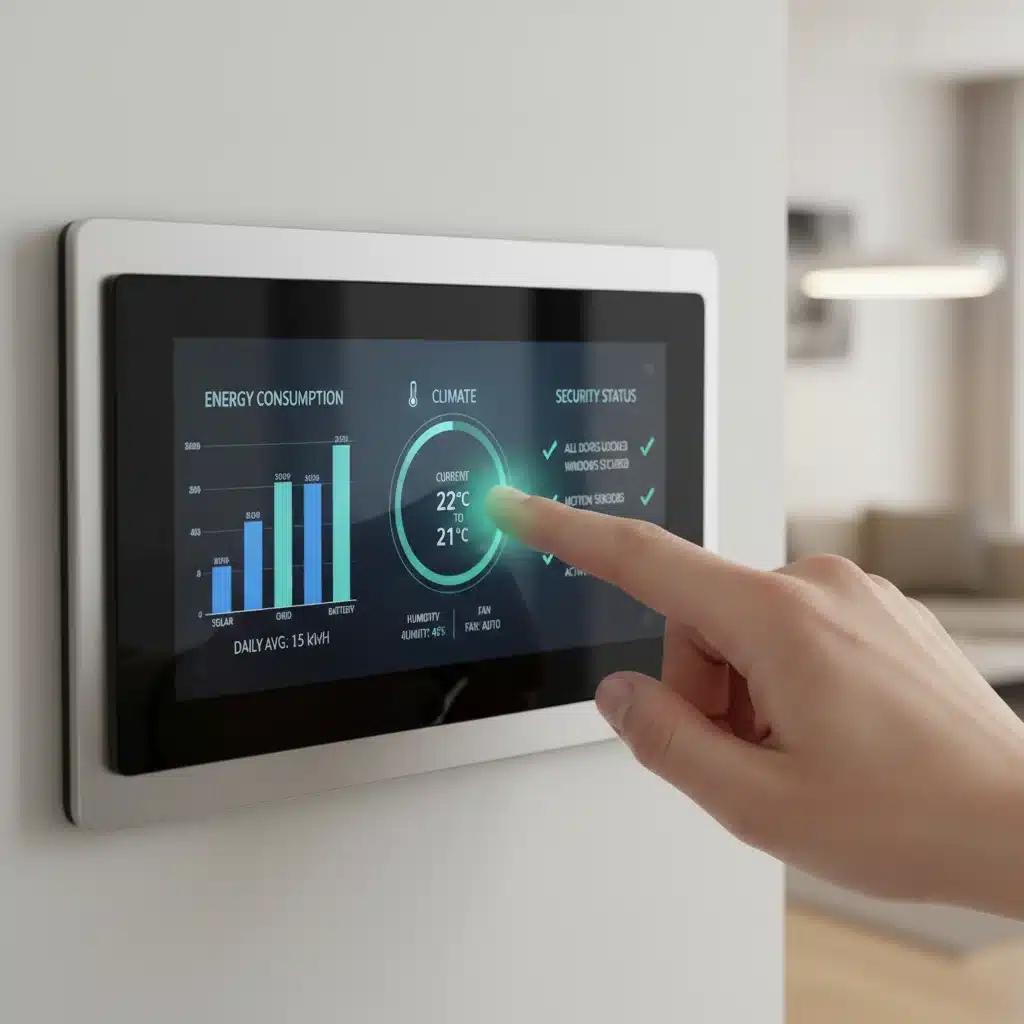
Energy Management Systems
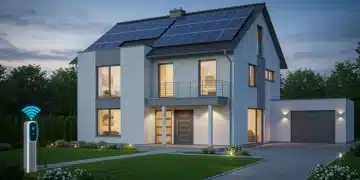
Sustainability is a major driver. Integrated energy management systems monitor and optimize electricity consumption from various sources, including solar panels and battery storage. They can intelligently shift energy usage to off-peak hours, sell excess energy back to the grid, and provide detailed insights into consumption patterns, empowering homeowners to reduce their carbon footprint and energy bills.
Health and Wellness Technologies
Future modular smart homes will increasingly incorporate technologies focused on occupant well-being. This includes air quality monitors that automatically activate ventilation, smart lighting that adjusts to mimic natural circadian rhythms, and even sensors that can monitor vital signs or detect falls in elderly residents, offering a new layer of care and comfort.
Robust Security and Privacy Protocols
With increased connectivity comes the need for robust security. Advanced encryption, multi-factor authentication, and regular software updates are crucial for protecting personal data and preventing unauthorized access to home systems. Privacy-by-design principles will be paramount in the development of future smart home technologies.
Advantages of Modular Smart Homes: Why They are the Future
The combination of modular construction and smart technology offers a compelling suite of advantages that address many of the limitations of traditional housing.
Unprecedented Flexibility and Adaptability
Life is dynamic, and our homes should be too. Modular smart homes allow for easy expansion or contraction as needs change. A young couple might start with a smaller footprint, adding modules as their family grows. Empty nesters might remove a module to create a larger garden or a dedicated workspace. This ‘lego-like’ approach to architecture means a home can truly evolve with its inhabitants over decades, reducing the need for costly and disruptive renovations.
Enhanced Energy Efficiency and Sustainability
The factory-controlled environment of modular construction significantly reduces material waste and allows for superior insulation and airtightness, leading to lower heating and cooling costs. When combined with smart energy management, solar power integration, and intelligent appliance usage, modular smart homes can achieve near net-zero or even net-positive energy status, drastically reducing environmental impact and utility bills.
Faster Construction and Cost Predictability
Building a home can be a lengthy and unpredictable process. Modular construction significantly shortens timelines, as site preparation and module fabrication happen concurrently. This also leads to greater cost predictability, as material waste is minimized and labor costs are more controlled, shielding homeowners from common budget overruns.
Superior Quality and Durability
Modules are built to rigorous standards in a climate-controlled factory, protecting materials from weather damage and allowing for continuous quality inspections. This often results in a higher quality of construction than traditional on-site builds, leading to a more durable and resilient home. Furthermore, the precise engineering supports the seamless integration of delicate smart home components, ensuring their longevity and reliable operation.
Improved Health and Well-being
Beyond convenience, modular smart homes can actively contribute to occupant health. Advanced HVAC systems with smart sensors can monitor and optimize indoor air quality, reducing allergens and pollutants. Dynamic lighting systems can support natural sleep cycles, and intuitive controls make daily living less stressful. The ability to easily reconfigure spaces can also create environments that better support mental well-being, such as dedicated meditation rooms or adaptable fitness areas.
Future-Proofing Your Investment
Technology evolves rapidly. The modular nature of these homes, combined with their intelligent infrastructure, means they are inherently designed for future upgrades. New smart devices can be easily integrated, existing modules can be swapped for newer versions with updated features, and even the overall layout can be adapted to accommodate future technological needs, protecting the homeowner’s investment over the long term.
Challenges and Considerations for Modular Smart Homes
While the future of modular smart homes looks bright, there are still challenges to address before they become mainstream.
Initial Cost and Financing
While long-term costs can be lower, the initial investment for a highly customized, technology-rich modular smart home can sometimes be higher than a traditional build. Financing options are evolving, but potential homeowners may need to explore specialized loans or construction financing.
Design Limitations and Customization Perception
Some perceive modular homes as having limited design options or a uniform aesthetic. While this is rapidly changing with advanced manufacturing techniques and architectural innovation, educating the public about the vast customization possibilities is crucial. True modular smart homes offer a high degree of personalization, both in physical layout and technological integration.
Regulatory and Permitting Hurdles
Building codes and zoning regulations can sometimes be slow to adapt to innovative construction methods like modular building. Streamlining these processes will be essential for wider adoption. Furthermore, ensuring interoperability standards for diverse smart home devices and platforms is critical to avoid fragmentation and ensure a smooth user experience.
Technological Obsolescence and Data Privacy
The rapid pace of technological change means that smart home components can become obsolete. Designing homes with easily swappable and upgradeable tech infrastructure is key. Furthermore, the collection of vast amounts of personal data by smart home systems raises significant privacy concerns that must be addressed through robust security, clear data policies, and user control over their information.
The Future Beyond 2026: What to Expect from Modular Smart Homes
Looking ahead, modular smart homes are poised to become even more sophisticated and integrated into our daily lives. Several key trends will shape their evolution:
Hyper-Personalization and Predictive Living
Homes will become even more attuned to individual preferences and habits. AI will move beyond reactive automation to predictive living, anticipating needs before they arise. This could mean your home proactively adjusting humidity based on weather forecasts and your personal comfort profile, or suggesting meal plans based on your health goals and available ingredients in your smart pantry.
Seamless Integration with Urban Infrastructure
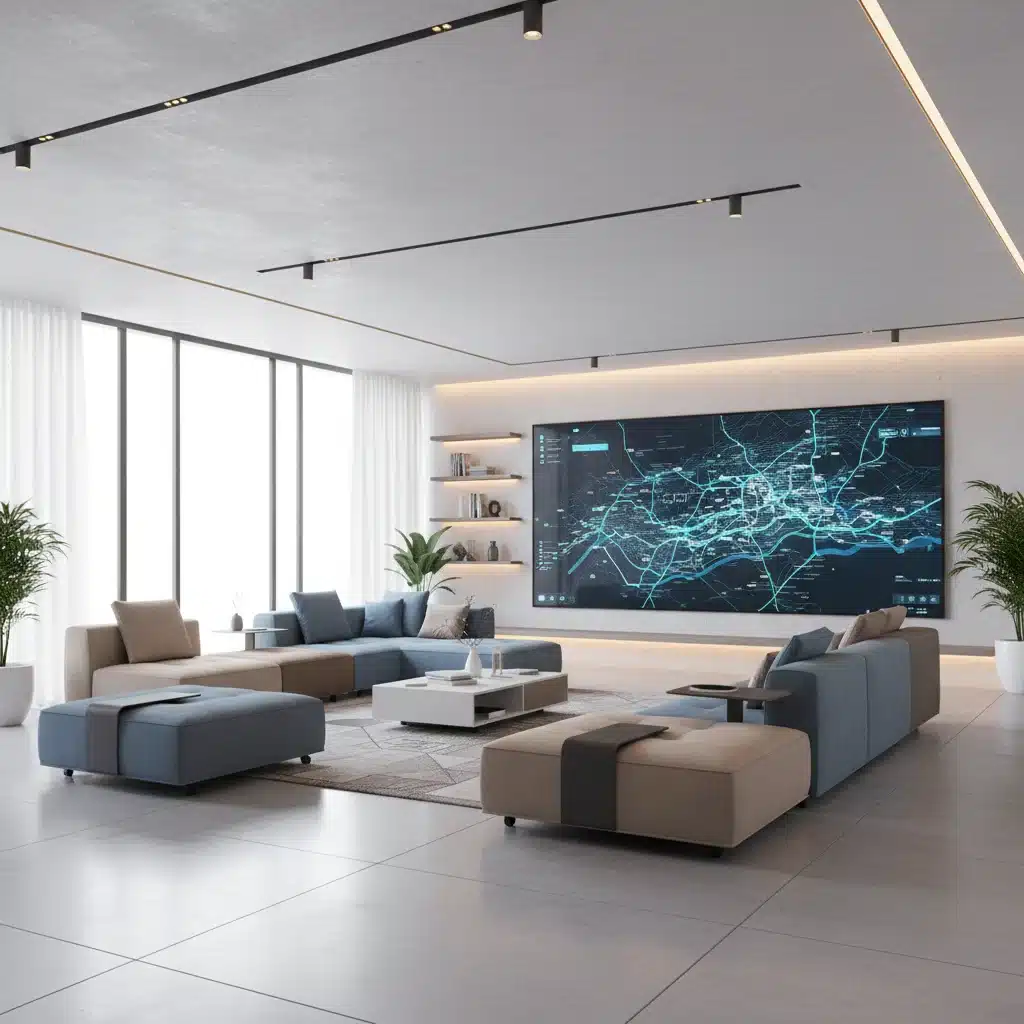
Modular smart homes won’t exist in isolation. They will increasingly communicate with smart city infrastructure, optimizing energy use based on grid demand, coordinating waste collection, and even integrating with autonomous vehicle charging stations. This interconnectedness will create more efficient and responsive urban environments.
Advanced Robotics and Automation
Expect to see more robotic assistance integrated into the home. Robotic vacuums are just the beginning; future homes might feature modular robotic arms for tasks like cooking or cleaning, or even automated delivery systems for groceries and packages directly into secure home compartments. These robots will be seamlessly managed by the central smart home system.
Augmented Reality (AR) for Home Management and Design
AR will play a significant role in how we interact with our homes. Imagine using an AR app on your phone or smart glasses to visualize new modular additions, reconfigure furniture layouts, or even diagnose a technical issue with a smart appliance, all in real-time within your physical space.
Biometric Security and Health Monitoring
Fingerprint, facial recognition, and even gait analysis will become standard for home access and personalization, enhancing security and convenience. Integrated health monitoring systems will passively track vital signs, sleep patterns, and activity levels, offering proactive health insights and alerting caregivers in emergencies.
Circular Economy Principles in Design and Construction
The modular nature lends itself perfectly to circular economy principles. Homes will be designed for disassembly and reuse, with materials that can be recycled or repurposed at the end of their lifecycle. This ‘cradle-to-cradle’ approach will further enhance the sustainability credentials of modular smart homes.
Case Studies and Early Adopters
While still emerging, several companies and projects are already demonstrating the promise of modular smart homes:
- M.A.DI. Home: An Italian company offering foldable modular homes that can be assembled in a matter of hours, designed for rapid deployment and adaptable living. While not fully smart from the outset, their modularity provides a perfect platform for smart tech integration.
- Blokable: A US-based company creating ‘Blok’ modules that are designed for high energy efficiency and integrated smart home technology, focusing on scalable and affordable housing solutions.
- Kasita: Known for its compact, high-tech modular homes that emphasize smart design and efficient use of space, often featuring integrated voice control and automated systems.
- Ecocapsule: A self-sufficient, egg-shaped modular smart home powered by solar and wind energy, designed for off-grid living and showcasing extreme autonomy and smart resource management.
These examples highlight the diverse applications and innovative approaches being taken in the modular smart homes sector, from addressing housing shortages to enabling sustainable off-grid living.
Designing Your Own Modular Smart Home: A Planning Guide
If you’re considering a modular smart home, here are some key steps and considerations:
- Define Your Needs and Lifestyle: What are your long-term goals? How might your family or living situation change? This will inform the initial modular layout and future expansion plans.
- Research Modular Builders and Smart Home Integrators: Look for companies with a strong track record in both modular construction and smart home technology integration. Ensure they understand the synergy between the two.
- Prioritize Smart Home Features: Decide which smart functionalities are most important to you – energy efficiency, security, entertainment, health monitoring, or convenience. This will guide the technology selection.
- Plan for Scalability: Ensure the core infrastructure (electrical, network cabling, power supply) is designed to support future additions and upgrades, both for new modules and evolving smart tech.
- Consider Sustainability from the Outset: Integrate renewable energy sources (solar, wind), rainwater harvesting, and greywater recycling into the design. Choose energy-efficient appliances and materials.
- Focus on User Experience and Privacy: Ensure the smart home interface is intuitive and that data privacy protocols are robust. You should always have control over your data.
- Understand Local Regulations: Work with your builder to navigate local zoning laws and building codes related to modular construction and any specific smart home installations.
Conclusion: The Dawn of a New Era in Living
Modular smart homes represent more than just a trend; they signify a fundamental shift in how we conceive, design, and inhabit our living spaces. By blending the inherent flexibility and efficiency of modular construction with the intelligence and connectivity of cutting-edge smart technology, these homes offer a compelling answer to the challenges of modern living. They promise sustainability, adaptability, efficiency, and a level of personalized comfort and security previously unimaginable.
As technology continues its rapid advancement and our understanding of sustainable living deepens, modular smart homes will undoubtedly become the benchmark for future residential architecture. They are not just houses; they are dynamic, intelligent ecosystems designed to evolve with us, supporting our lives, enhancing our well-being, and paving the way for a more connected and sustainable future beyond 2026. The future of home is modular, and it is undeniably smart.