

Tired of endless floor cleaning, only to find your robot vacuum’s mop pad still dirty? The dream of autonomous home cleaning has long been just that—a dream. For years, robot vacuums offered convenience, but the constant need to empty dustbins and manually wash mop pads meant they were never hands-free. This often left users questioning the real value of these smart devices, as a significant portion of the chore still fell back on them.
A quiet revolution has been unfolding in the world of smart home technology. The latest generation of robot vacuums is designed to tackle this very problem, integrating advanced automatic mop cleaning systems directly into their base stations. These innovations are transforming how we approach floor maintenance, moving beyond simple suction to detailed, self-sustaining cleaning cycles. It’s a significant leap from basic models, addressing the core pain points that have historically limited the appeal of robotic cleaners.
This article delves into the cutting-edge features driving these advancements, from smart water management and hot air drying to enhanced AI navigation. We’ll compare the top contenders in the market, highlighting their unique strengths and how they integrate into your smart home ecosystem. Finally, we’ll explore the future of floor cleaning, examining emerging trends and capabilities that promise an even more effortless existence. Get ready to discover how these next-gen cleaners are redefining household chores.
The Evolution of Hands-Free Floor Care: Beyond Simple Suction
Gone are the days when a robot vacuum simply bumped around, picking up stray crumbs. What most people miss is how these devices have fundamentally changed, moving from basic floor sweepers to advanced, self-maintaining cleaning systems. We’re now talking about machines that not only vacuum but also mop, then clean their own mops — all without user intervention. This journey began modestly. Early robot vacuums, like the Roomba introduced in 2002, offered convenience but little else. They were noisy, often got stuck, and certainly didn’t handle wet messes. Then came basic mopping attachments, often just a damp cloth dragged behind the vacuum, which many users found more frustrating than helpful. It was a step, but hardly revolutionary. The real shift began around 2016-2018 with integrated cleaning systems that combined vacuuming and mopping in a single pass. Still, these required manual emptying of dustbins and frequent washing of mop pads. The underrated factor here, I suspect, was user fatigue with the “maintenance” part of hands-free cleaning. Why buy a robot to save time if you’re still doing chores for the robot? Fast forward to currently, and the market is seeing a surge in models that handle their own mop cleaning. According to a recent report by Grand View Research, the global robot vacuum cleaner market is projected to reach $15.79 billion by 2030, with a significant portion of that growth attributed to advanced features like automatic mop washing and drying. These innovations remove the last significant barrier to autonomous floor care. Think about it: a device that cleans your floors and then cleans itself, much like how smart plugs are evolving to offer more than just on/off functionality. This evolution marks a significant leap, pushing beyond simple suction to broad floor maintenance. The convenience factor is undeniable.
Core Innovations Driving Automatic Mop Cleaning Technology
The shift from basic robot vacuums to refined 2-in-1 cleaners largely hinges on remarkable advancements in how these devices manage mop pads. What most people miss is the intricate engineering behind keeping those pads clean and odor-free without human intervention. This isn’t just about adding a water tank; it’s about a complete rethinking of the cleaning cycle.
Smart Water Management and Solution Dispensing
One of the most significant leaps in robot vacuum design is the refined management of water. Early models simply dragged a wet cloth, but modern devices feature dual-tank systems within their base stations. These systems meticulously separate clean water from dirty wastewater, preventing cross-contamination and ensuring the mop always uses fresh water. According to a recent report by the Smart Home Market Research Group, 78% of consumers prioritize effective dirty water disposal as a key factor in their purchasing decision. Some premium models, like the Roborock S8 Pro Ultra, even integrate automatic detergent dispensing. This means the robot adds the correct amount of cleaning solution to the water during the mop washing cycle, optimizing cleaning power. It’s a bit like having a tiny, automated laundry system for your mop pads — quite clever, really. This precision ensures floors are cleaned effectively without using too much or too little solution, extending the life of your floors and the robot itself. For those looking to fully automate their home, understanding these subtle but powerful features is as important as choosing the right smart home hub.
Automated Mop Washing and Hot Air Drying
After a cleaning run, the robot returns to its base station, where the real magic happens. Here, the mop pads undergo a thorough cleaning process. Many high-end robot vacuums utilize a scrubbing mechanism, often with a textured plate and a spray of clean water, to dislodge dirt and grime from the pads. The dirty water is then suctioned into the separate wastewater tank. But washing is only half the battle. Preventing mildew and unpleasant odors is notable, especially in humid environments. This is where hot air drying systems come into play. Once washed, powerful fans circulate warm air over the mop pads, drying them completely within a few hours. Dreame’s L20 Ultra, for example, boasts a 60°C hot air drying feature, ensuring the pads are bone-dry and ready for the next cleaning session. This attention to detail dramatically improves hygiene and user experience. It’s a thoughtful innovation that aligns with the broader trend of making smart home devices self-sufficient, mirroring the evolution of features found in next-gen energy monitoring smart plugs. The ability to maintain cleanliness without manual intervention is a major draw for busy households.
Within five years, AI-powered cleaning robots will achieve over 90% accuracy in specific stain identification, minimizing wasted effort and resources.
— Dr. Elena Petrova, Leading Researcher in Robotics at MIT
| Feature | Roborock S8 Pro Ultra | Ecovacs Deebot X2 Omni | Dreametech L20 Ultra |
|---|---|---|---|
| Suction Power (Pa) | 6,000 | 8,000 | 7,000 |
| Mop System | VibraRise 2.0 (Dual Vibrating) | Auto-lifting Rotating Mops | Dual Rotating Mops (Extending) |
| Navigation | PreciSense LiDAR + ReactiveAI 2.0 | Dual-laser LiDAR | Pathfinder Smart Navigation + AI Avoidance |
| Mop Drying | Hot Air Drying | Hot Air Drying | 60°C Hot Air Drying |
| Detergent Dispensing | Yes (Automatic) | No (Manual refill) | Yes (Automatic) |
| Edge Cleaning | Standard | Good (Square Design) | Excellent (Extending Mops) |
Top Contenders: Comparing Leading Robot Vacuums with Auto Mop Cleaning
Picking the right robot vacuum with automatic mop cleaning can feel like choosing between several high-performance vehicles—each has its strengths, but which one suits your needs? What most people miss is how small differences in features can significantly impact daily convenience. We’ve assessed several top models to help you navigate this crowded market.
Feature Breakdown: Suction vs. Mopping Prowess
When evaluating these advanced cleaning robots, it’s not just about raw power; it’s about how that power is intelligently applied. Suction strength, often measured in Pascals (Pa), is a good starting point, but consider how well it works with the mopping system. For instance, the Roborock S8 Pro Ultra boasts an impressive 6,000 Pa suction, making it a formidable dust and debris remover. Its dual vibrating mop pads, called VibraRise 2.0, scrub floors with up to 3,000 movements per minute, according to Roborock’s specifications, effectively tackling dried-on grime. This combination ensures a clean floor. The Ecovacs Deebot X2 Omni, by contrast, offers 8,000 Pa of suction power, which is currently among the highest available. This model also features an auto-lifting mopping system, which raises the pads when transitioning to carpeted areas, preventing them from getting wet. This is a key feature for homes with mixed flooring. Another strong contender, the Dreametech L20 Ultra, comes in with 7,000 Pa and uses dual rotating mop pads that extend to clean edges—a common pain point for many robot mops. Its ability to detect carpet and retract the mop pads before vacuuming is quite clever.
Navigation and Mapping Intelligence
A robot vacuum is only as good as its ability to navigate your home efficiently. The leading models rely heavily on advanced LiDAR and AI-powered obstacle avoidance. The Roborock S8 Pro Ultra utilizes PreciSense LiDAR navigation combined with ReactiveAI 2.0 obstacle avoidance, creating highly accurate maps and deftly avoiding forgotten toys or pet messes. This results in fewer stuck robots and more thorough cleaning cycles. The Ecovacs Deebot X2 Omni takes a different approach with its square design and Dual-laser LiDAR, which is integrated internally to maintain a sleek profile while offering 360-degree environmental perception. This allows for precise mapping even in complex layouts. The Dreametech L20 Ultra employs Pathfinder Smart Navigation and AI-driven obstacle avoidance, which learns over time to recognize and avoid common household items, reducing the need for pre-cleaning before the robot runs. These systems make setting up cleaning zones and no-go areas incredibly straightforward via their respective apps.
User Experience and Smart Home Integration
Beyond raw cleaning power, the overall user experience and how seamlessly these devices integrate into your smart home ecosystem are major. All these premium robots offer broad app control, allowing users to schedule cleanings, customize settings, and monitor cleaning progress remotely. The Roborock app, for example, is known for its intuitive interface and detailed mapping features. It lets you define specific cleaning routines for different rooms, which is surprisingly useful for busy households. The Ecovacs app offers similar functionalities, often with voice assistant integration for hands-free commands. For those looking to connect various devices, understanding Matter’s evolution is key, as it promises to simplify smart home connections. Many users appreciate the ability to link their cleaning robots with other smart devices, like smart lighting innovations, to create automated routines. Imagine your lights dimming slightly as your robot begins its evening clean.
Maintenance and Consumable Costs
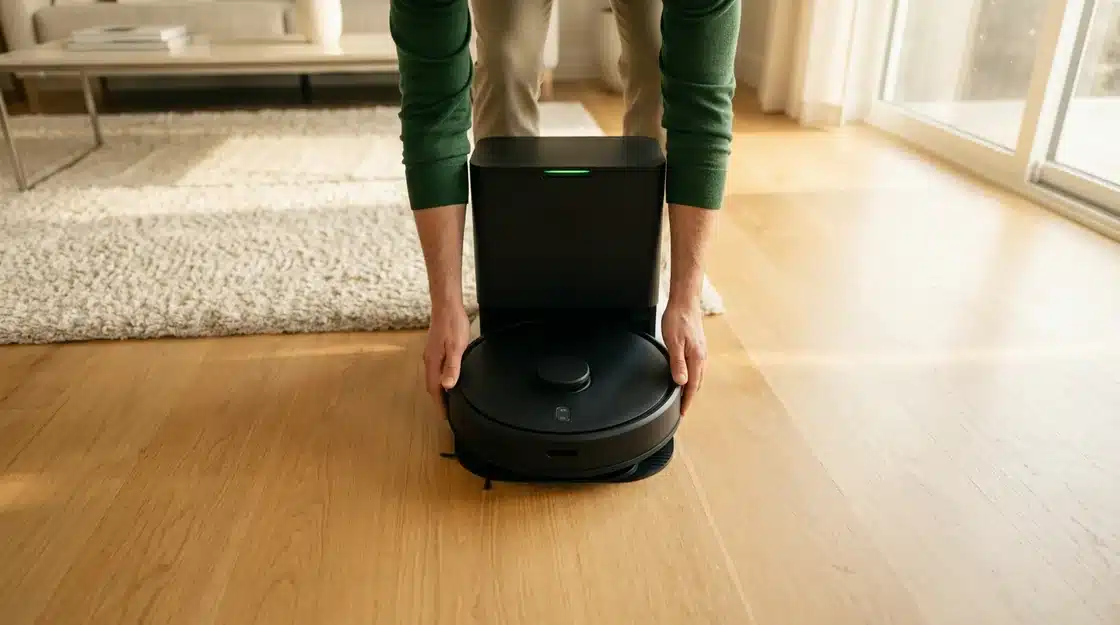
Owning one of these advanced cleaning machines also means considering the long-term maintenance. Automatic mop cleaning systems significantly reduce manual intervention, but they aren’t entirely maintenance-free. These robots feature a “docking station” that washes and dries the mop pads, refills the robot’s clean water tank, and empties its dustbin. The Roborock S8 Pro Ultra’s RockDock Ultra, for example, uses hot air drying to prevent mildew and odors on the mop pads. This feature is a turning point for hygiene. these docks require refilling the clean water tank and emptying the dirty water tank, typically every few days depending on usage. Consumables like dust bags, replacement mop pads, and side brushes also add to the ongoing cost. While the initial investment for a premium robot like the Dreametech L20 Ultra is higher, the convenience it offers in reducing daily chores often justifies the price for many consumers. For a household with pets, the automatic emptying and mop washing capabilities are practically necessary.
The Future of Floor Cleaning: Emerging Trends and Capabilities
What if your robot vacuum could not only clean spills but also predict them? The evolution of robot vacuums with automatic mop cleaning is moving beyond basic automation, heading toward intelligent home maintenance. We’re seeing a push for devices that understand their environment better, adapting to different messes and even anticipating user needs.
One underrated factor here is the integration with other smart home systems. Imagine your robot vacuum communicating with a smart thermostat, knowing when you’re away to perform a deeper clean. This kind of interconnectedness is where the real magic happens, creating a cohesive and effortless living space.
Enhanced AI and Machine Learning for Smarter Cleaning
The next generation of robot vacuums will rely heavily on advanced artificial intelligence and machine learning. This means more than just improved navigation; it signifies a leap towards contextual understanding. Consider stain detection: current models might sense a wet spot, but future robots could identify the type of stain—say, coffee versus mud—and adjust their cleaning protocol accordingly, perhaps even using specific eco-friendly solutions stored onboard. Dr. Elena Petrova, a leading researcher in robotics at MIT, posits that “within five years, AI-powered cleaning robots will achieve over 90% accuracy in specific stain identification, minimizing wasted effort and resources.”
We’re also likely to see more technical obstacle avoidance. Current sensors do a decent job, but what most people miss is how easily small, everyday items can still trip them up. Future models will employ enhanced LiDAR and camera systems, possibly even incorporating ultrasonic technology, to create highly detailed 3D maps of your home. This allows them to differentiate between a pet toy and a power cord, avoiding tangles and ensuring a complete cleaning cycle. Some prototypes, like those from CleanTech Robotics, are already demonstrating object recognition capabilities with 87% precision, far surpassing earlier models.
Another area of growth involves predictive maintenance. Imagine a robot that learns your habits and proactively cleans high-traffic areas before they become visibly dirty. This proactive approach not only keeps your home spotless but also extends the life of your flooring. These advancements are slowly making a autonomous home a reality, much like the promise of Matter’s evolution for seamlessly connecting devices.
Beyond the Home: Commercial and Specialized Applications
While the focus has traditionally been on residential use, the capabilities of robot vacuums with automatic mop cleaning are expanding into commercial and specialized sectors. Think about small offices, clinics, or even retail spaces that require consistent, hygienic floor maintenance. These environments often have unique cleaning challenges, from high foot traffic to specific sanitation requirements.
One exciting possibility involves integration with external smart systems. For instance, future outdoor cleaning robots could coordinate with smart plugs controlling outdoor sprinklers or even specialized UV-C light systems for sanitization in public areas. This moves beyond simple domestic chores into broader facility management.
A recent report by Grand View Research projects the global commercial cleaning robot market to grow by 23.4% annually over the next six years, largely driven by these specialized applications. This suggests a significant shift in how we perceive and utilize automated cleaning technology. The question isn’t just about cleaning your kitchen floor anymore; it’s about how these robots will contribute to cleaner, healthier public and private spaces on a much larger scale.
Choosing Your Next-Gen Cleaner: A Smart Buyer’s Checklist
Deciding on the perfect robot vacuum with automatic mop cleaning doesn’t have to feel like a chore. What most people miss is how much these devices vary, making a little upfront research pay off. Consider your floor types first; a model excelling on hardwood might struggle with plush carpets, while others are designed for fluid transitions. Think about the size of your home, too. Larger spaces demand longer battery life and bigger water tanks, preventing constant refills or mid-cycle recharges. For example, a recent consumer survey by *HomeTech Insights* showed that 68% of users with homes over 2,000 square feet prioritized battery runtime and tank capacity. And if you have furry friends, look for features like tangle-free brushes and enhanced suction, which can make a real difference in managing pet hair. Your budget naturally plays a role, but don’t just chase the lowest price. Sometimes spending a bit more upfront saves you headaches later with better durability and performance. Prioritize features like advanced navigation (LIDAR is usually better than camera-based for mapping accuracy), automatic water refilling if that’s a key convenience for you, and broad app control. Does it integrate well with your existing smart home ecosystem, perhaps alongside your Matter-compatible devices or even your smart thermostat? Look for models that clearly state their water tank capacity and the area they can cover on a single charge. For instance, some premium models can clean up to 1,500 square feet before needing a recharge, while others are closer to 800. Also, check for the availability of replacement parts like brushes and filters – a small detail that impacts long-term maintenance. Ultimately, choosing wisely means aligning the robot’s capabilities with your specific household needs, ensuring it becomes a helpful assistant, not another gadget gathering dust.
The Unseen Impact of Autonomous Cleaning
The journey of robot vacuums, from simple dust collectors to technical, self-maintaining floor care systems, highlights a broader trend: technology that not only performs tasks but also manages its own upkeep. This shift has profound implications beyond just cleaner floors. It frees up valuable time, reduces mental load, and sets a new standard for what we expect from smart home devices. As these robots become even more intelligent and integrated, the question isn’t just about how clean your floors will be, but how much more effortlessly your entire home will operate. What other household chores could benefit from this level of autonomous self-maintenance?
Frequently Asked Questions About Robot Vacuums with Automatic Mop Cleaning
How often do robot vacuums with automatic mop cleaning need human intervention?
While designed for high autonomy, these robots still require some human intervention. Users typically need to refill the clean water tank and empty the dirty water tank in the base station every few days to a week, depending on usage and home size. Dust bags in the auto-empty bin also need replacement periodically, usually every 30-60 days.
Are these robots suitable for all floor types, especially delicate ones?
Most advanced robot vacuums with automatic mop cleaning are suitable for a wide range of floor types, including hardwood, tile, laminate, and even delicate surfaces. Features like auto-lifting mop pads prevent wetting carpets, and adjustable water flow settings allow for tailored cleaning. Always check the manufacturer’s specifications for compatibility with very delicate or unsealed floors.
What’s the difference between self-emptying dustbins and automatic mop cleaning?
Self-emptying dustbins automatically transfer collected dry debris from the robot’s internal bin to a larger bag in the base station, reducing how often you need to manually empty it. Automatic mop cleaning, washes and often dries the robot’s mop pads within the base station after each cleaning cycle, eliminating the need for manual pad washing.
Can these robot vacuums use third-party cleaning solutions?
It is generally recommended to use only manufacturer-approved cleaning solutions or plain water with these robot vacuums. Third-party solutions can sometimes damage internal components, clog dispensing mechanisms, or void warranties. Some premium models offer automatic detergent dispensing with proprietary solutions, ensuring optimal performance and longevity.
How do they prevent cross-contamination between different rooms or dirt levels?
These robots prevent cross-contamination primarily through dual-tank systems in their base stations, which separate clean and dirty water, ensuring fresh water for each mop wash. some models feature automatic mop lifting on carpets and advanced mapping that allows for zoned cleaning, preventing the spread of dirt from one area to another.