

The concept of ‘health at home’ has undergone a revolutionary transformation, largely fueled by the rapid advancements in smart home sensor technology. What was once the exclusive domain of hospitals and clinics is now increasingly becoming a reality within the comfort and privacy of our own residences. As we move deeper into the 21st century, the integration of sophisticated sensors into our living spaces is poised to redefine how we perceive, monitor, and manage our well-being. This isn’t just about convenience; it’s about empowerment, providing individuals with unprecedented insights into their health, enabling proactive care, and fostering a greater sense of security for vulnerable populations. The promise of smart home health sensors is immense, and its realization is accelerating with remarkable speed.
By late 2026, experts predict that the accuracy of these smart home health sensors will reach an astounding 90%, making them incredibly reliable tools for continuous health monitoring. This level of precision will pave the way for a paradigm shift in healthcare, moving from reactive treatments to preventative strategies. Imagine a world where your home actively participates in safeguarding your health, detecting subtle changes that might indicate an impending issue, and alerting you or your caregivers before a crisis unfolds. This future is not a distant dream; it’s already being built, piece by technological piece. Our exploration into the four most impactful smart home sensor trends will illuminate this exciting journey, showcasing how these innovations are shaping the future of personal health management.
The Dawn of Proactive Wellness: Understanding Smart Home Health Sensors
Before delving into the specific trends, it’s crucial to grasp the fundamental nature of smart home health sensors. These are not merely gadgets; they are sophisticated instruments designed to collect, analyze, and interpret various physiological and environmental data points within a home setting. Unlike traditional medical devices, many smart home sensors operate passively and continuously, seamlessly integrating into daily life without requiring conscious interaction from the user. This continuous, non-invasive monitoring is a cornerstone of their appeal, especially for individuals who might find active monitoring cumbersome or intrusive. From detecting subtle changes in gait to tracking sleep patterns, these sensors provide a holistic view of an individual’s health trajectory.
The data collected by smart home health sensors can range from basic environmental parameters like air quality and temperature to complex physiological markers such as heart rate, respiratory rate, and even glucose levels. The true power lies in the aggregation and analysis of this data, often leveraging artificial intelligence and machine learning algorithms to identify patterns, anomalies, and potential health risks. This analytical capability transforms raw data into actionable insights, empowering users and healthcare providers to make informed decisions. The goal is not to replace professional medical care but to augment it, providing a continuous stream of relevant information that can support early intervention and personalized care plans. As these technologies mature, their role in preventative health and chronic disease management will become increasingly indispensable.
Trend 1: Advanced Contactless Vital Sign Monitoring
One of the most significant leaps in smart home health sensors is the advent of advanced contactless vital sign monitoring. Gone are the days when measuring heart rate or respiration required wires, patches, or direct physical contact. New technologies are emerging that can accurately track these critical vital signs from a distance, often through radar, thermal imaging, or even subtle vibrations. This breakthrough is particularly impactful for vulnerable populations, such as the elderly, infants, or individuals with chronic conditions, who might find traditional monitoring methods uncomfortable or impractical.
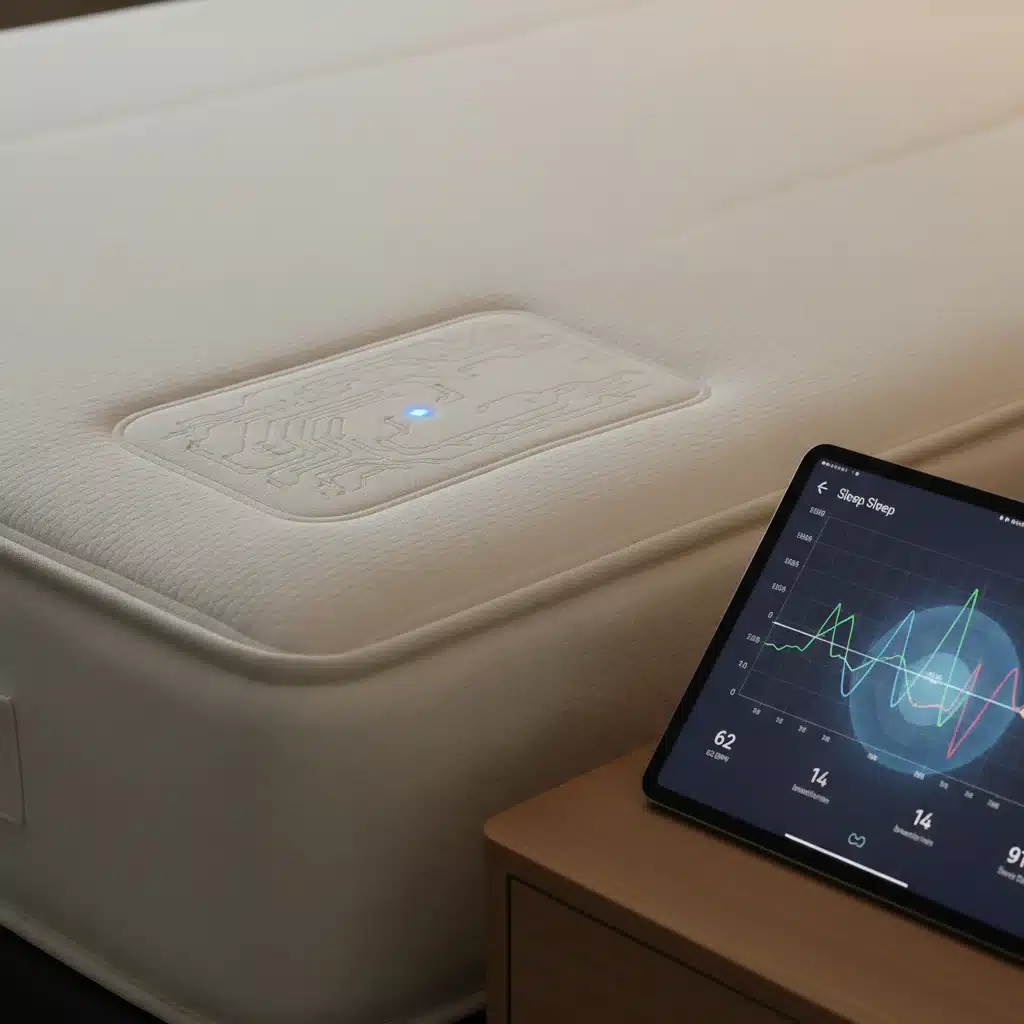
Imagine a small device discreetly placed in a bedroom that can continuously monitor a person’s breathing patterns and heart rate throughout the night, without them needing to wear anything. This data can then be analyzed to detect sleep apnea, arrhythmia, or other cardiovascular issues, providing invaluable insights for early diagnosis and intervention. The accuracy of these contactless systems is rapidly improving, with some prototypes already demonstrating capabilities comparable to clinical-grade equipment. By late 2026, we can expect these smart home health sensors to be widely available and highly reliable, offering peace of mind and proactive health management for millions. The implications for preventative care are profound, allowing for the detection of subtle physiological changes that might otherwise go unnoticed until they escalate into more serious health problems. This continuous, unobtrusive data collection forms a powerful baseline, enabling deviations to be quickly identified and addressed.
Furthermore, these contactless systems are not limited to just heart and respiration. Research is expanding into monitoring blood pressure, body temperature, and even blood oxygen saturation without any physical contact. This holistic approach to vital sign monitoring transforms the home into a personal health hub, constantly vigilant and providing a rich stream of data that can be shared securely with healthcare providers. The integration with AI allows for predictive analytics, identifying trends that might indicate a deteriorating condition before symptoms even manifest. This shift towards truly passive and highly accurate monitoring represents a monumental step forward in personal health technology, making health monitoring an effortless part of daily life rather than a chore.
Trend 2: AI-Powered Fall Detection and Prevention Systems
Falls are a leading cause of injury and mortality among older adults, often resulting in significant health complications and a decreased quality of life. Traditional fall detection systems, which often rely on wearable devices or manual alerts, have limitations in terms of compliance and real-time responsiveness. The next generation of smart home health sensors is addressing this challenge with AI-powered fall detection and, more importantly, prevention systems.
These innovative systems utilize a combination of ambient sensors, such as radar, lidar, and even sophisticated camera vision (with privacy-preserving technologies), to monitor movement patterns and detect anomalies. Unlike simple motion sensors, AI algorithms can distinguish between normal activities and potential fall risks. For example, they can identify changes in gait, balance issues, or prolonged periods of inactivity that might indicate a person has fallen or is at risk of falling. Upon detection, the system can automatically alert caregivers, family members, or emergency services, significantly reducing response times and improving outcomes.
Beyond detection, the focus is increasingly shifting towards fall prevention. By analyzing continuous movement data, these smart home health sensors can identify subtle changes in an individual’s mobility that precede a fall. For instance, a gradual increase in sway or a decrease in walking speed could be early indicators of declining balance. The AI can then trigger personalized interventions, such as suggesting balance exercises, reminding the individual to use walking aids, or recommending a consultation with a physical therapist. This proactive approach aims to mitigate risks before a fall ever occurs, representing a profound impact on the safety and independence of older adults. The ethical considerations around privacy are being rigorously addressed, with many systems focusing on privacy-preserving technologies that detect forms and movements without capturing identifiable images.
The accuracy of these AI-powered systems is projected to reach unprecedented levels by late 2026, making them incredibly reliable in distinguishing between a harmless stumble and a dangerous fall. This reliability, combined with the ability to provide early warning signs, will transform elderly care, enabling seniors to live more independently and securely in their own homes for longer. The continuous learning capabilities of AI will allow these systems to adapt to individual patterns, becoming more accurate and personalized over time. This trend underscores the power of smart home health sensors not just for monitoring, but for actively enhancing safety and quality of life.
Trend 3: Environmental Health Monitoring and Optimization
Our home environment plays a critical role in our overall health, often more than we realize. Poor air quality, inappropriate temperature, or even excessive noise can significantly impact respiratory health, sleep quality, and cognitive function. The third major trend in smart home health sensors focuses on comprehensive environmental health monitoring and optimization, transforming our homes into healthier living spaces.
These advanced sensors go beyond basic temperature control. They measure a wide array of environmental factors, including particulate matter (PM2.5), volatile organic compounds (VOCs), carbon dioxide (CO2) levels, humidity, and even allergens. High levels of these pollutants can exacerbate asthma, allergies, and other respiratory conditions, as well as contribute to general malaise and reduced productivity. By continuously monitoring these parameters, smart home health sensors provide real-time data on indoor air quality, alerting residents to potential issues.
The true innovation lies in the integration of these sensors with smart home systems to automatically optimize the environment. For example, if CO2 levels rise, indicating poor ventilation, the system could automatically open smart windows or activate an air purifier. If humidity levels are too high, increasing the risk of mold growth, a dehumidifier could be triggered. This proactive environmental management creates a healthier, more comfortable, and safer indoor climate. For individuals with chronic respiratory conditions or allergies, these systems offer a significant improvement in their quality of life, reducing exposure to triggers and minimizing symptoms.
Furthermore, this trend extends to noise pollution and light exposure. Smart sensors can monitor ambient noise levels, identifying disruptive sounds and, if integrated with smart windows or sound-masking systems, mitigate their impact. Similarly, intelligent lighting systems can adjust color temperature and intensity throughout the day, aligning with our circadian rhythms to promote better sleep and enhance alertness. By late 2026, these integrated environmental monitoring and optimization systems will be highly sophisticated, providing a granular level of control over our indoor spaces and contributing significantly to our overall health and well-being. The data collected by these smart home health sensors can also inform behavioral changes, empowering individuals to make conscious choices about ventilation, cleaning, and material selection within their homes.
Trend 4: Integrated Wellness and Lifestyle Monitoring
The fourth and perhaps most encompassing trend in smart home health sensors is the move towards integrated wellness and lifestyle monitoring. This trend transcends specific health metrics and aims to provide a holistic view of an individual’s overall well-being, encompassing physical activity, sleep quality, stress levels, and even social interaction patterns. It’s about understanding the interplay between various lifestyle factors and their impact on long-term health.
This integration often involves combining data from multiple smart home health sensors with information from wearable devices, smart appliances, and even calendar entries. For instance, motion sensors in different rooms can track activity levels throughout the day, identifying sedentary behavior. Smart beds or under-mattress sensors can provide detailed insights into sleep stages, duration, and disturbances. Voice analysis through smart speakers, with strict privacy protocols, could even detect subtle changes in vocal patterns indicative of stress or mood fluctuations.
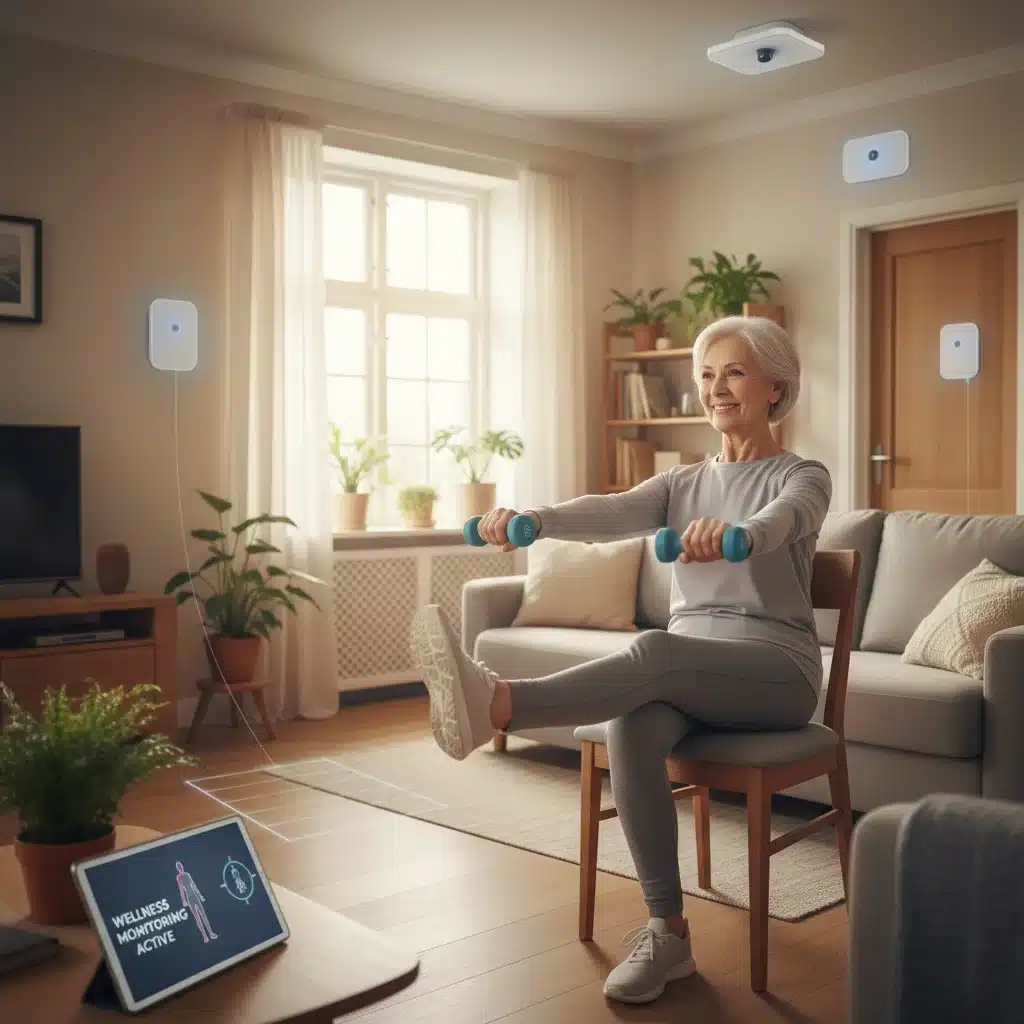
The power of integrated wellness monitoring lies in its ability to identify correlations and patterns that might not be apparent from isolated data points. For example, a decrease in physical activity combined with disturbed sleep and increased time spent alone could signal early signs of depression or social isolation. The AI algorithms processing this vast amount of data can then provide personalized recommendations, such as suggesting a walk, recommending a relaxation technique, or prompting a call to a friend or family member. These recommendations are designed to be supportive and proactive, fostering positive lifestyle changes.
By late 2026, these integrated systems will be highly accurate in painting a comprehensive picture of an individual’s wellness. They will learn personal baselines and identify deviations, offering a truly personalized health companion. This trend is particularly relevant for preventative health, enabling individuals to take proactive steps to maintain their well-being and address potential issues before they escalate. It moves beyond just monitoring illness to actively promoting a healthy and balanced lifestyle, making smart home health sensors an integral part of daily living for optimizing overall wellness. The ethical considerations of data privacy and security are paramount in this trend, with developers focusing on robust encryption and user control over data sharing.
The Future is Now: Impact and Ethical Considerations of Smart Home Health Sensors
The convergence of these smart home health sensors trends paints a compelling picture of the future of health at home. With 90% accuracy predicted by late 2026, these technologies are set to revolutionize preventative care, chronic disease management, and elderly support. The ability to continuously monitor vital signs, detect falls, optimize environmental health, and track overall wellness will empower individuals to take greater control of their health journeys, reducing the burden on traditional healthcare systems and improving quality of life.
However, as with any transformative technology, there are significant ethical considerations that must be addressed. Privacy and data security are paramount. The collection of highly personal health data necessitates robust encryption, clear consent mechanisms, and strict regulations to prevent misuse. Users must have full transparency and control over their data, deciding what information is collected, how it is used, and with whom it is shared. Developers of smart home health sensors are actively working on privacy-preserving designs, such as edge computing for data processing and anonymization techniques, to build trust and ensure ethical deployment.
Another consideration is the potential for over-reliance on technology. While smart home health sensors offer incredible benefits, they are tools to augment, not replace, human judgment and professional medical advice. A balanced approach is crucial, where technology supports informed decision-making without fostering undue anxiety or creating a false sense of security. Education will play a vital role in ensuring that users understand the capabilities and limitations of these systems.
Furthermore, accessibility and equity are important. As these technologies become more sophisticated, efforts must be made to ensure they are affordable and available to all segments of the population, bridging the digital divide in healthcare. The benefits of proactive health monitoring should not be exclusive to those with greater financial resources. Government policies and industry initiatives will be critical in promoting widespread adoption and ensuring equitable access to these life-enhancing smart home health sensors.
Conclusion: Embracing a Healthier Home with Smart Home Health Sensors
The journey towards a truly smart and health-aware home is well underway. The four trends discussed – advanced contactless vital sign monitoring, AI-powered fall detection and prevention, environmental health optimization, and integrated wellness monitoring – are converging to create a powerful ecosystem of personal health management. By late 2026, the anticipated 90% accuracy of these smart home health sensors will solidify their role as indispensable tools in our daily lives, transforming our homes into proactive partners in our well-being.
This evolution promises a future where health is not just managed but actively nurtured within our living spaces. It’s a future where early detection becomes the norm, where preventative measures are seamlessly integrated into daily routines, and where individuals, especially those requiring extra care, can live more safely and independently. While challenges related to privacy, accessibility, and ethical deployment remain, the momentum behind these innovations is undeniable.
As we embrace this technological revolution, it’s exciting to imagine the profound positive impact smart home health sensors will have on individual lives and public health globally. The smart home is no longer just about convenience; it’s becoming a cornerstone of a healthier, more secure, and more informed future for us all. The era of truly intelligent health at home is here, and its potential is boundless.