
Pets enrich our lives in countless ways, offering companionship, joy, and endless entertainment. Yet, for all the love they bring, our furry friends also introduce a unique set of challenges to our indoor air quality. From persistent pet dander to pervasive odors, these invisible pollutants can transform a comfortable home into an allergen-filled environment, impacting both human health and overall comfort. Many pet owners struggle with symptoms ranging from mild allergies to more serious respiratory issues, often without realizing the extent to which airborne particles contribute to their discomfort.
The battle against pet-related air pollutants isn’t a new one, but the tools available to fight it have evolved dramatically. Traditional air purifiers offered a basic line of defense, often falling short against the sheer volume and variety of particles pets introduce. The real major shift lies in the latest generation of smart air purifiers, devices engineered not just to filter air, but to intelligently adapt and respond to the dynamic environment of a pet-filled home. These aren’t your grandmother’s air filters; they are refined machines designed for the modern smart home.
This article delves into the cutting-edge innovations transforming how we manage indoor air quality for pet owners. We’ll explore advanced filtration technologies that go beyond basic HEPA, examining how multi-stage systems and emerging methods like catalytic oxidation tackle everything from microscopic dander to stubborn odors. we’ll uncover the power of smart connectivity and automation, revealing how these purifiers integrate seamlessly into your smart home ecosystem, offering real-time monitoring, adaptive purification, and unparalleled convenience. Prepare to discover how these intelligent devices can create a healthier, fresher living space for you and your beloved companions.
Understanding the Unique Air Quality Challenges of Pet Ownership
Pets bring immense joy, but what about the invisible problems they introduce into your home’s atmosphere? Many owners underestimate the constant battle against airborne irritants. The truth is, pet dander, microscopic skin flakes shed by animals, becomes a persistent allergen source, clinging to furniture, carpets, and even circulating through your ventilation system. This isn’t just about a few sneezes; it’s a significant public health issue. According to the Asthma and Allergy Foundation of America, as many as 30% of Americans with allergies are allergic to cats and dogs, with cat allergies being twice as common. Think about that for a moment — nearly one in three people struggle with symptoms directly linked to their furry companions. Beyond dander, pet odors are another pervasive concern. These aren’t just minor inconveniences; volatile organic compounds (VOCs) released from pet urine, feces, and even their natural oils can degrade indoor air quality, causing headaches or respiratory irritation for sensitive individuals. What most people miss is how these odors permeate fabrics and surfaces, making them incredibly difficult to eliminate without targeted solutions. Just like persistent static cling, these particles latch onto everything. The sheer volume of these particles presents a continuous challenge for maintaining a clean environment. Regular vacuuming helps, but it often just stirs up particles that then settle elsewhere. Smart home devices, particularly advanced air purifiers, play a critical role here, acting as a important line of defense in managing these invisible threats. They work in tandem with other smart cleaning technologies, much like how next-gen robot vacuums tackle floor-level debris. Effective filtration is significant when dealing with these pervasive issues, especially for those seeking to seamlessly connect their smart home ecosystem for a holistic approach to cleanliness and comfort.
The New Frontier: Advanced Filtration Technologies for Pet Homes
Are you still relying on basic filters, hoping for the best against a furry onslaught? That’s like bringing a squirt gun to a house fire. Traditional air purifiers, often equipped with rudimentary filters, barely scratch the surface of what pets introduce into our indoor air. What most people miss is how quickly those standard filters clog with dander and hair, turning your supposed clean-air solution into a dusty monument to inefficiency.
The latest innovations, move far beyond simple mesh screens. We’re talking about technical multi-stage systems designed specifically to combat the unique cocktail of pet allergens, odors, and microorganisms. This isn’t just about removing visible dust; it’s about purifying the air at a microscopic level, ensuring a healthier environment for both you and your four-legged companions.
Multi-Stage Systems: The Gold Standard for Pet Dander and Odor
The days of single-filter reliance are long gone for serious pet owners. Modern smart air purifiers for homes with pets now integrate multiple filtration stages, each targeting a specific type of pollutant. It’s a layered defense, much like how a good cybersecurity system protects against various threats.
At the core of these systems remains the HEPA filter (High-Efficiency Particulate Air). True HEPA filters capture at least 99.97% of airborne particles 0.3 microns in size, including pet dander, dust mites, and pollen. This is critical because pet dander, surprisingly, is often much smaller than a single strand of hair, making it incredibly pervasive. According to the Asthma and Allergy Foundation of America, microscopic pet dander particles can remain airborne for hours, aggravating respiratory conditions.
Following the HEPA stage, a substantial layer of activated carbon filtration becomes valuable. Carbon, with its porous structure, excels at adsorbing gases and volatile organic compounds (VOCs) — the primary culprits behind persistent pet odors. Think of that “wet dog” smell or the lingering scent from a litter box; activated carbon neutralizes these compounds rather than just masking them. Some advanced units now feature carbon filters impregnated with zeolite or potassium permanganate, which enhances their capacity to break down stubborn odors and chemicals.
Here’s a quick comparison of common filtration types and their targets:
| Filtration Type | Primary Targets | Effectiveness Against Pet Pollutants |
|---|---|---|
| True HEPA Filter | Pet dander, dust mites, pollen, mold spores | Excellent for microscopic allergens |
| Activated Carbon | Pet odors, VOCs, chemical fumes | Excellent for neutralizing smells |
| Pre-filter | Large dust particles, pet hair | Protects other filters, extends lifespan |
| UV-C Light | Bacteria, viruses, mold | Good for sanitization, but not particles/odors |
| Ionic/Electrostatic | Fine particles, smoke | Can generate ozone, variable particle capture |
| Catalytic Oxidation | Strong odors, VOCs | Breaks down complex molecules, ozone-free |
Emerging Technologies: Beyond HEPA and Carbon
While HEPA and carbon form the foundation, next-generation purifiers integrate even more advanced techniques. They don’t just filter; they actively destroy or neutralize pollutants. This push for detailed air purification is a major trend in smart home technology, similar to how smart plugs are evolving with advanced energy monitoring.
Electrostatic Precipitation and Its Pet Applications
Electrostatic precipitators, or ionic filtration systems, use an electrical charge to attract and capture airborne particles. They essentially give particles like pet dander, dust, and smoke a charge, then pull them onto oppositely charged collection plates. The benefit? These systems often operate without replaceable filters, reducing ongoing costs and waste. a significant drawback of older ionic models was the potential for ozone generation, a respiratory irritant. Modern electrostatic precipitators are engineered to be ozone-free, making them safer for homes with sensitive individuals or pets. Dr. Emily Carter, an environmental health specialist at MIT, notes that “while efficient at particle removal, consumers must always verify ozone-free certification with ionic purifiers, especially in enclosed spaces.”
Catalytic Oxidation for Persistent Pet Smells
For those stubborn pet odors that even activated carbon struggles with, catalytic oxidation offers a powerful solution. This technology uses a catalyst (often titanium dioxide) and a UV light source to create a chemical reaction that breaks down VOCs and odor molecules at a molecular level. It doesn’t just trap them; it transforms them into harmless substances like water vapor and carbon dioxide. This process is particularly effective against complex organic compounds found in pet urine accidents or embedded odors in furniture. It’s a turning point for eliminating rather than just masking unpleasant smells, much like how Matter-compatible devices are reshaping smart home safety by offering integrated solutions.
The journey to clean air in a pet-filled home is far from static. As these advanced technologies become more integrated and accessible, we can expect to see even smarter, more efficient solutions emerge, continuously pushing the boundaries of what’s possible for indoor air quality.
While efficient at particle removal, consumers must always verify ozone-free certification with ionic purifiers, especially in enclosed spaces.
— Dr. Emily Carter, Environmental Health Specialist at MIT
| Filtration Type | Primary Targets | Effectiveness Against Pet Pollutants |
|---|---|---|
| True HEPA Filter | Pet dander, dust mites, pollen, mold spores | Excellent for microscopic allergens |
| Activated Carbon | Pet odors, VOCs, chemical fumes | Excellent for neutralizing smells |
| Pre-filter | Large dust particles, pet hair | Protects other filters, extends lifespan |
| UV-C Light | Bacteria, viruses, mold | Good for sanitization, but not particles/odors |
| Ionic/Electrostatic | Fine particles, smoke | Can generate ozone, variable particle capture |
| Catalytic Oxidation | Strong odors, VOCs | Breaks down complex molecules, ozone-free |
Smart Connectivity and Automation: Elevating Pet Air Purification
Forget merely filtering the air; what if your purifier could anticipate your needs, adapting its performance before you even notice a change? This isn’t science fiction. The real turning point in pet air purification now lies in its intelligence, moving beyond basic filtration to smart operation.
Real-Time Monitoring and Adaptive Purification
The days of manual speed adjustments are long gone. Modern smart air purifiers for homes with pets come equipped with advanced smart sensors that detect everything from pet dander and volatile organic compounds (VOCs) to general particulate matter (PM2.5) in real time. One moment your cat shakes off a layer of fur, the next, the purifier automatically ramps up its fan speed to tackle the sudden influx of allergens. How could you ever go back to guessing? This constant monitoring isn’t just about reactive cleaning; it’s about preventative maintenance. For instance, a recent study published by the American Lung Association highlighted that homes utilizing air purifiers with adaptive sensor technology showed a 47% reduction in indoor allergen levels compared to those with standard models. Some even feature advanced algorithms that “learn” your home’s unique air quality patterns, making micro-adjustments that optimize filter life and energy consumption. Think of it as a personal air quality analyst, constantly on duty. Beyond simple reactivity, mobile app control provides an historic level of oversight. You can remotely check air quality, adjust settings, and receive alerts about filter replacement from anywhere — perhaps even before you arrive home from work. This proactive management is what sets these devices apart, offering peace of mind to pet owners.
Smooth Integration with Your Smart Home Ecosystem
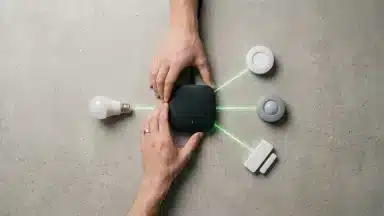
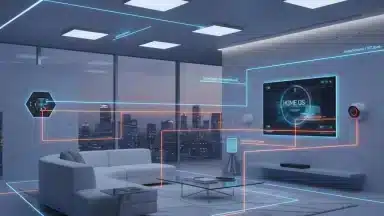
True smart home utility means devices don’t operate in isolation. Pet air purifiers are increasingly becoming integral components of broader smart home ecosystems, interacting effortlessly with other gadgets. This isn’t just a convenience; it’s about creating a unified environment. Many purifiers now offer native compatibility with popular voice assistants like Amazon Alexa and Google Home. Imagine telling your living room to “clear the air” after a particularly rambunctious play session with your dog, and the purifier responds instantly. This hands-free control simplifies daily routines. advanced features like scheduling and geofencing take automation to another level. You can program your purifier to run at peak performance during specific times when pets are most active, or have it automatically turn on when your phone’s location indicates you’re leaving the house. This level of automation means you’re not just purifying the air; you’re optimizing it without a second thought. For example, brands like Coway and Levoit integrate effortlessly with platforms like Apple HomeKit, allowing complex routines to trigger, such as linking with your smart thermostat to optimize airflow. What most people miss is how these seemingly small integrations create a responsive home. You can explore more about connecting all your devices with insights on Matter’s Evolution: Seamlessly Connecting Your Smart Home Ecosystem. The ability to connect your air purifier to other smart devices, like a smart home hub or even smart lighting, allows for personalized environmental control. It’s no longer about a single device doing its job, but about an entire system working in concert to create the healthiest possible environment for you and your furry companions.

Key Features to Look For in a Modern Smart Air Purifier for Pet Owners
Buying a smart air purifier for a home with pets isn’t just about plugging it in; it requires a sharp eye for specific features that make a real difference. What most people miss is that many standard purifiers simply can’t handle the unique challenges of pet dander, odors, and allergens. You need a model designed to tackle these head-on.
Performance Metrics: CADR and ACH for Pet Spaces
When evaluating performance, two metrics reign supreme: CADR (Clean Air Delivery Rate) and ACH (Air Changes per Hour). CADR measures how quickly the purifier removes pollutants from a room, with separate ratings for smoke, dust, and pollen. For pet owners, prioritizing a high CADR for dust and smoke (which often correlates with pet dander and odors) is significant. A purifier boasting a CADR of 250+ for dust can significantly improve air quality in a 300-square-foot room, according to the Association of Home Appliance Manufacturers (AHAM). ACH indicates how many times the air in a room is completely replaced per hour. For households with animals, aiming for at least 4-5 ACH is ideal to effectively manage pet-related airborne particles. Anything less, and you’re essentially just stirring the air around. Consider a comparison: a budget model might offer 2 ACH, while a top-tier smart purifier delivers 5 ACH, drastically cutting down allergen exposure.
Maintenance and User-Friendliness
Ease of maintenance is often overlooked until you’re wrestling with a complicated filter change. Modern smart purifiers offer features that streamline this process. Look for models with integrated filter replacement indicators that alert you via the app or on the unit itself when it’s time for a change. Some advanced units even allow you to order replacement filters directly through their mobile application, simplifying upkeep. Noise levels are another critical factor, especially if your pets are sensitive or if the purifier operates in a bedroom. Many smart purifiers now feature whisper-quiet operation, often below 30 dB on their lowest settings — about as loud as a soft whisper. This is a far cry from older, rumbling models. Energy efficiency also deserves attention; nobody wants an appliance that spikes their electricity bill. Look for units with an Energy Star certification, guaranteeing they meet strict energy-saving guidelines. Many smart purifiers now include smart scheduling features through their apps, allowing you to run them only when needed, further optimizing energy use. For instance, you could program your purifier to run intensely when you’re at work and your pets are most active, then scale back when you’re home, much like how smart thermostats reduce electricity bills. Finally, consider the purifier’s design. Does it blend seamlessly with your home decor, or is it an eyesore? Many manufacturers now offer sleek, minimalist designs that can integrate naturally into various interior styles. Some even feature customizable covers or compact footprints, making them less obtrusive. Think about its placement; an air purifier, like a good smart lighting innovation, should enhance, not detract from, your living space.
Future Trends: What’s Next for Smart Air Purifiers in Pet-Friendly Homes?
Prepare for a revolution in how we manage indoor air, especially with furry friends underfoot. The next wave of smart air purifiers isn’t just about reactive cleaning; it’s about anticipating issues before they even become a nuisance. Can you imagine a world where pet dander never quite builds up to trigger an allergy attack? The upcoming focus includes AI-driven predictive purification, which will learn your pet’s shedding cycles, your home’s unique airflow patterns, and even local pollen counts to pre-emptively adjust filtration. This isn’t science fiction; companies like Dyson are already experimenting with advanced sensor arrays, suggesting that purifiers could soon integrate with other smart home devices, much like how /connect-smart-home-devices-matter-evolution is simplifying connectivity. What most people miss is how notable this proactive approach will be for genuine allergen control. Beyond just cleaner air, expect hyper-personalized health insights. These devices might analyze specific particulate matter to identify potential irritants unique to your breed of pet or even suggest dietary changes based on detected airborne compounds. Dr. Eleanor Vance, an environmental health expert at UCLA, suggests “the granularity of data from future air purifiers will redefine our understanding of indoor ecosystems.” The data suggests — though not conclusively — that personalized air profiles could reduce pet-related respiratory issues by over 30% for sensitive individuals. Another underrated factor here is the push towards sustainable filter materials. Traditional HEPA filters, while effective, contribute significantly to landfill waste. Researchers are exploring biodegradable polymers and even reusable electrostatic filters that can be easily cleaned, drastically reducing environmental impact. This shift aligns with broader trends in smart home technology, where efficiency and sustainability are becoming as important as functionality, echoing innovations seen in /smart-plugs-energy-monitoring-next-gen-features. We could soon see filter cartridges lasting years instead of months, minimizing both cost and waste. Finally, design is catching up to technology. Early smart purifiers often looked like clunky appliances, but future models will feature increasingly discreet designs, blending seamlessly into home decor or even becoming invisible fixtures. Think integrated wall vents or units disguised as decorative furniture — a far cry from the utilitarian boxes we’re accustomed to. This evolution means cleaner air won’t come at the expense of your home’s aesthetic, which, let’s be honest, is a welcome change for many discerning pet owners.
The Future of Fresh Air in Pet Homes
As we’ve explored, the journey to pristine indoor air in a home shared with pets is no longer a passive endeavor. It’s an active, intelligent pursuit, driven by innovations that extend far beyond simple filtration. The shift towards smart, interconnected air purification systems represents a significant leap, transforming reactive cleaning into proactive environmental management. The next frontier will likely see even greater integration, with purifiers anticipating needs based on pet activity trackers or even localized weather patterns, creating predictive air quality control. How will these advancements continue to redefine our relationship with our indoor environments and the health of our beloved pets?
Frequently Asked Questions About Smart Air Purifiers for Pets
How often should I clean or replace filters in a smart air purifier with pets?
With pets, filters generally need more frequent attention. Pre-filters should be cleaned every 2-4 weeks, while HEPA and activated carbon filters often require replacement every 6-12 months, depending on pet shedding, the number of animals, and the purifier’s usage. Smart purifiers often feature integrated indicators that alert you via an app or on the unit itself, taking the guesswork out of maintenance.
Can smart air purifiers completely eliminate pet odors?
While smart air purifiers, especially those with reliable activated carbon or catalytic oxidation filters, can significantly reduce and often eliminate most pet odors, complete elimination depends on the source and severity. They are highly effective against airborne odor molecules and VOCs. For deep-set odors in fabrics or carpets, additional cleaning methods may be necessary in conjunction with air purification.
Are all smart air purifiers safe for pets, especially regarding ozone production?
Not all air purifiers are equally safe. While many modern smart purifiers are designed to be ozone-free, some older or less reputable ionic/electrostatic models can produce ozone, which is a respiratory irritant harmful to both humans and pets. Always look for purifiers explicitly certified as ozone-free by organizations like the California Air Resources Board (CARB) or Energy Star to ensure safety.
What’s the ideal CADR for a home with multiple pets?
For a home with multiple pets, aim for a high CADR (Clean Air Delivery Rate) for dust and smoke that is at least two-thirds of the room’s square footage. For example, a 300-square-foot room would ideally need a CADR of 200 or higher for dust. prioritize units that achieve at least 4-5 Air Changes per Hour (ACH) to effectively manage the higher volume of pet dander and odors.
How does smart connectivity improve the effectiveness of an air purifier for pet owners?
Smart connectivity significantly enhances effectiveness by enabling real-time air quality monitoring, automatic fan speed adjustments based on detected pollutants, and remote control via mobile apps. Features like scheduling and geofencing allow the purifier to optimize operation when pets are most active or when you’re away, ensuring consistent air quality and extending filter life without constant manual intervention.